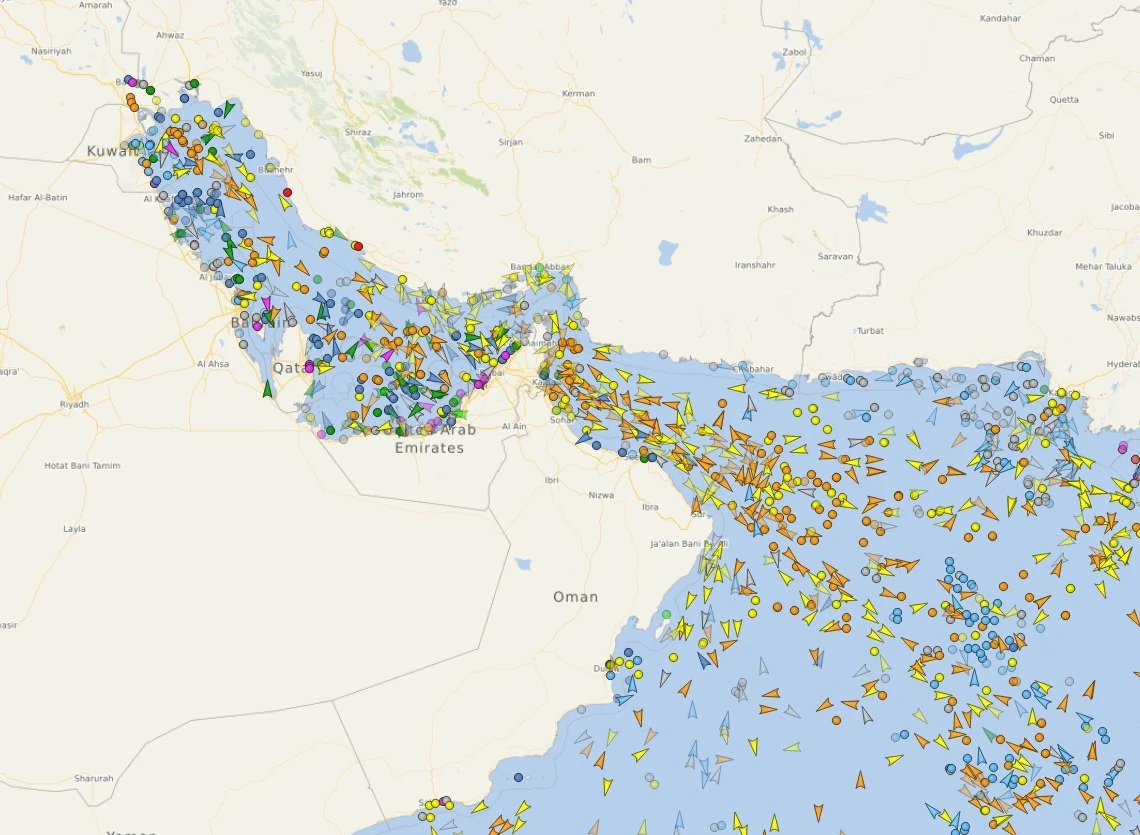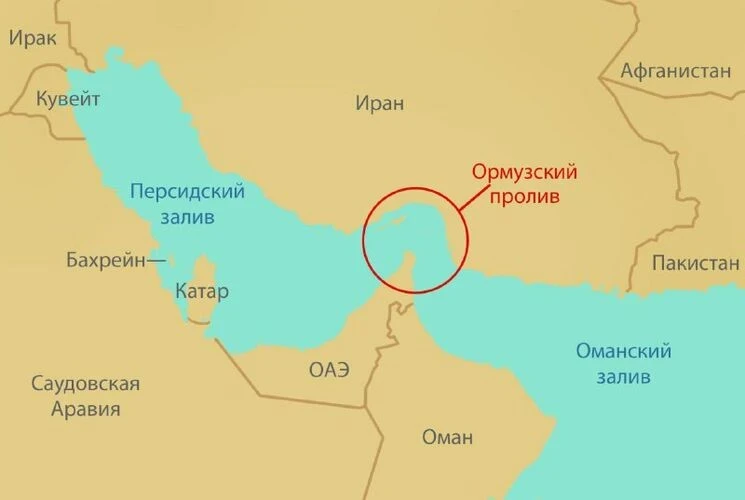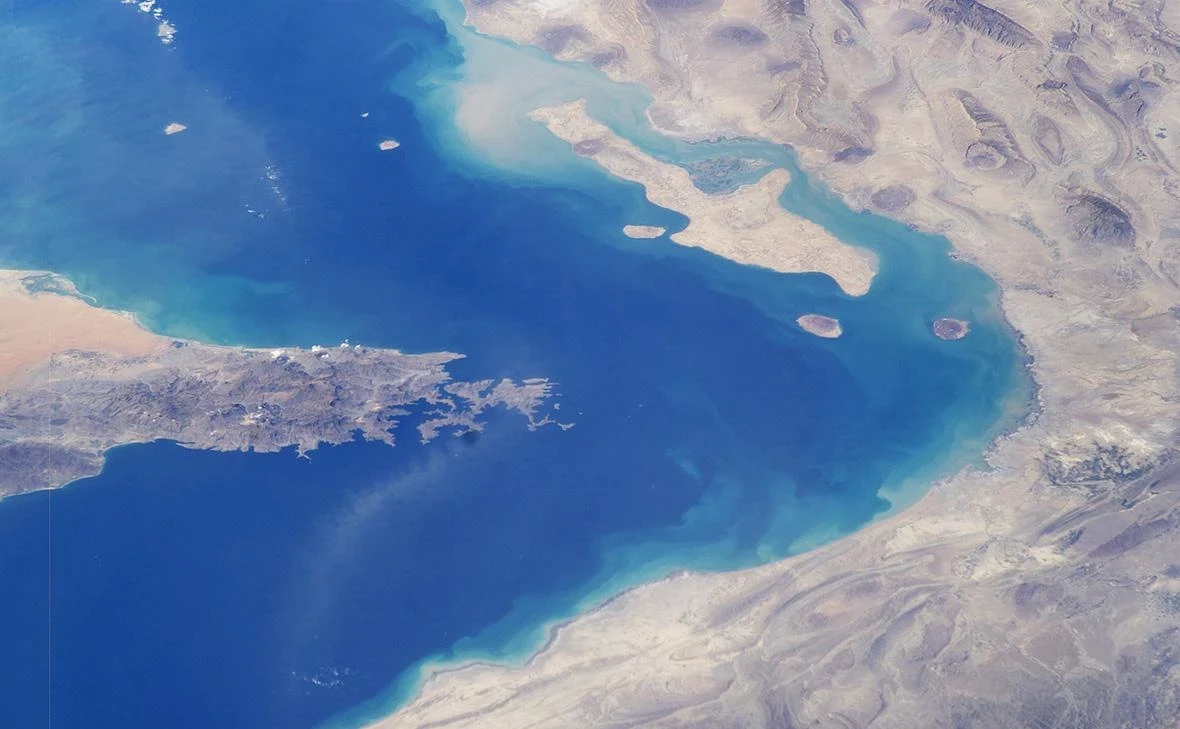
The situation has worsened due to issues in the Strait of Hormuz, leading to a 30% disruption in fertilizer supplies. An additional 20% of supplies are hindered due to liquefied natural gas. Furthermore, China has imposed export restrictions, threatening another 30% of the market. Since synthetic fertilizers are primarily produced from natural gas, the shortage directly affects the availability of fertilizers.
The Financial Times also warns of the likelihood of one of the most serious food crises in the near future according to their analysis.
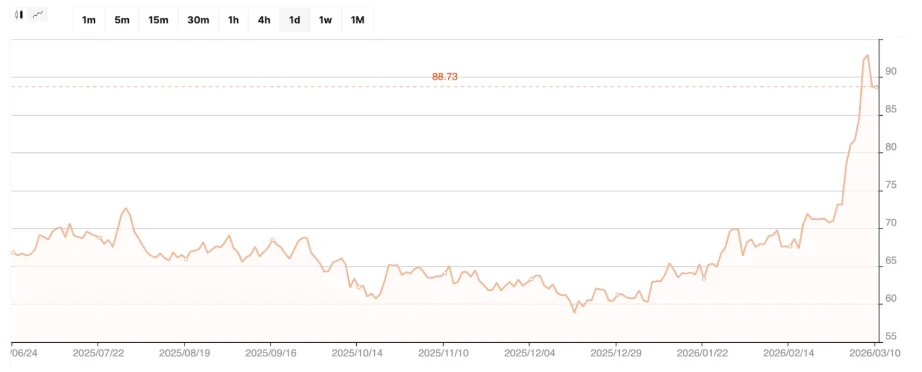
The main cause of the crisis has been events in the Middle East, which threaten fertilizer supplies and lead to a sharp rise in energy prices.
The most vulnerable will be developing countries, as well as agricultural regions in India, Bangladesh, and the USA. Farmers are already facing shortages of gas, fuel, and fertilizers, a consequence of production halts in Qatar and Algeria. The blockade of the Strait of Hormuz has exacerbated the situation, as rising energy prices have increased the costs of transportation, processing, and storage of products.
Experts warn that a protracted war in the Middle East could lead to a sharp spike in food prices worldwide. Corn producers—crops that are most dependent on nitrogen fertilizers—are particularly at risk. The increase in corn prices, which is a key component of animal feed, also raises costs in livestock and poultry farming.