What are the possible solutions?
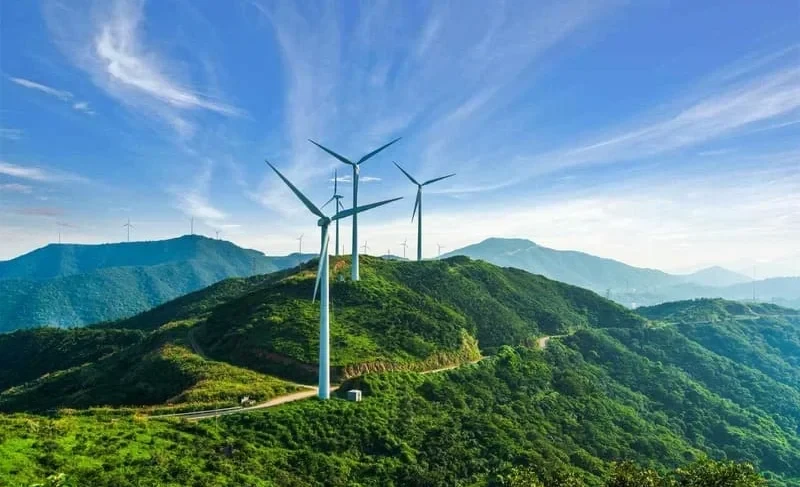
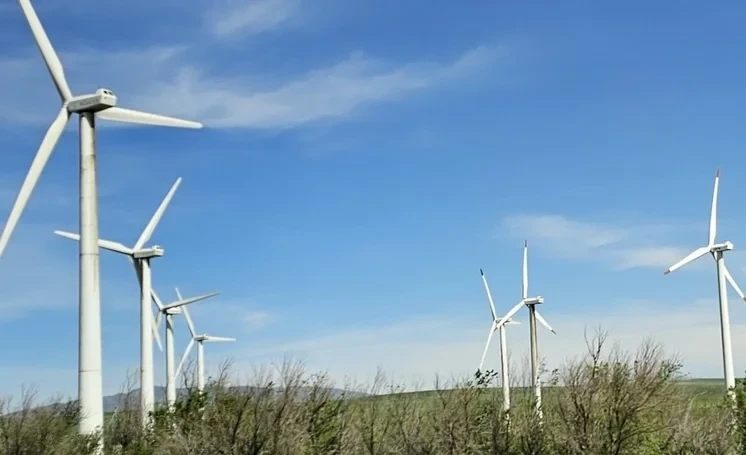
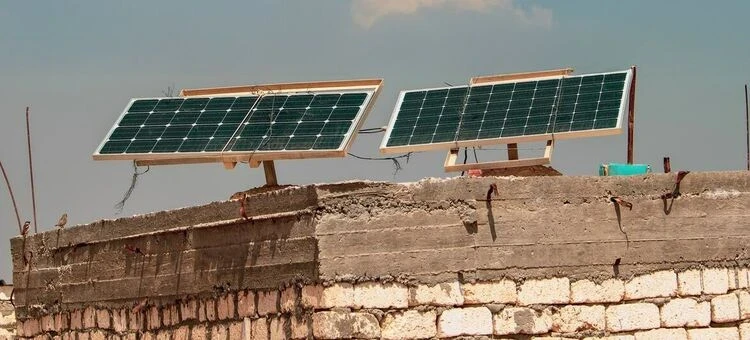
Develop renewable energy sources? Despite significant potential in this area, solar and wind energy will not be able to fully address the emerging problems. Specialists from the Eurasian Development Bank have conducted an analysis of the water-energy sector and offer their recommendations.
In short: relying solely on hydropower plants is insufficient, and an increase in electricity tariffs is inevitable.
Energy Demand Growth Outpaces Capacity Growth
The world has entered a new era of energy, where the question of the need to build renewable energy facilities is no longer in doubt. By the end of 2024, 92% of new capacities will be accounted for by renewable energy sources. Investments in this sector have reached nearly $2.2 trillion, which is twice as much as investments in fossil fuels. Forecasts from the International Energy Agency indicate that by 2030, renewable sources will provide half of the world's electricity generation.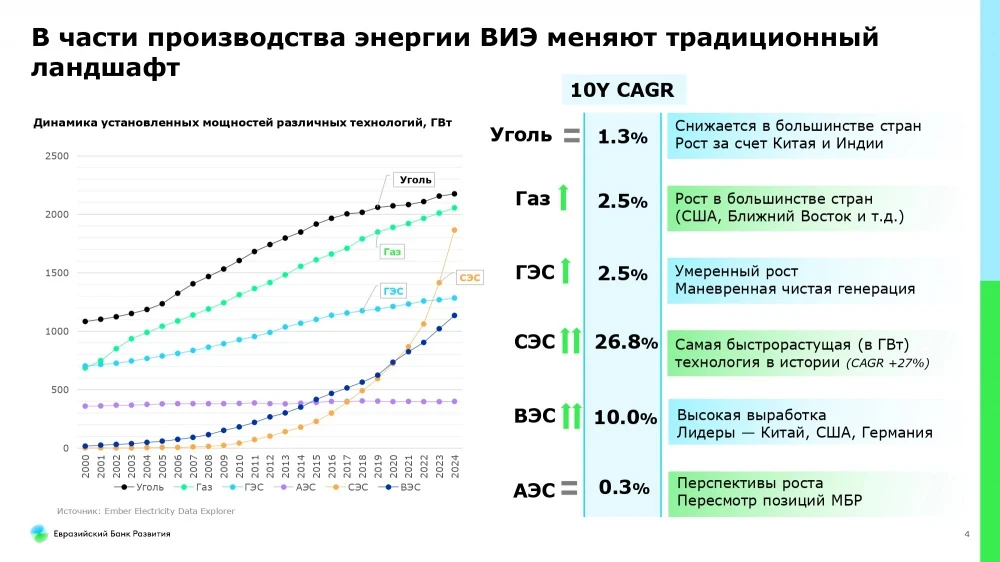
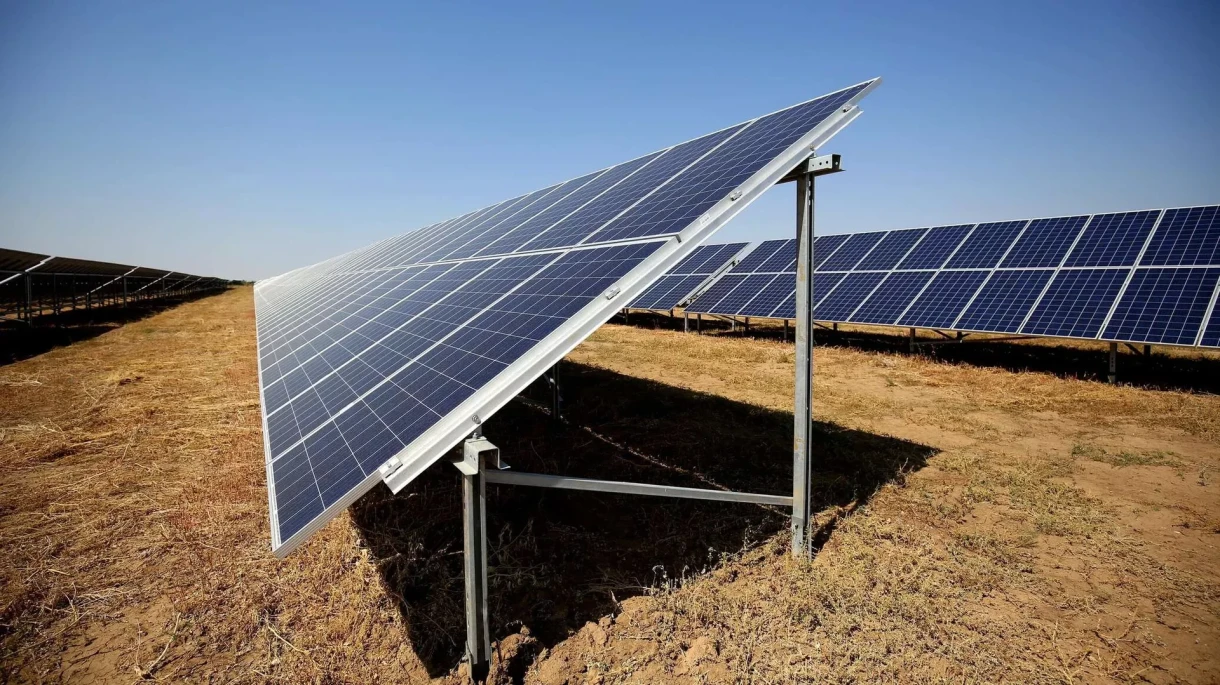
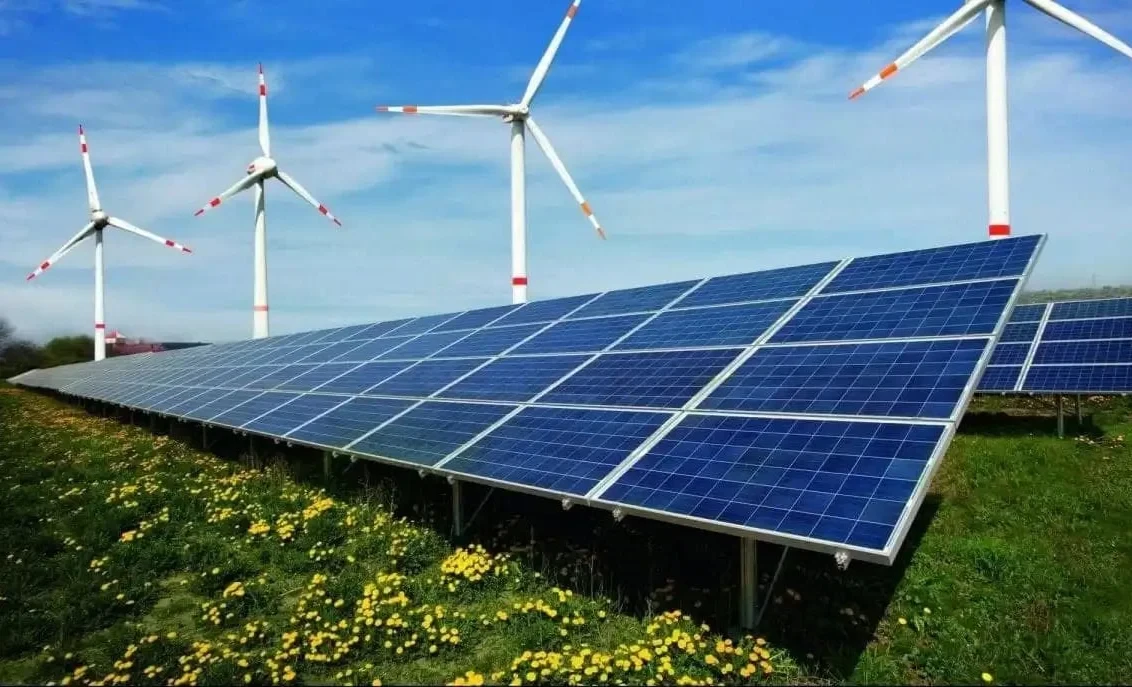
However, the issue is not just about the general trend towards "green" energy. In recent years, renewable energy sources have become significantly more accessible: the cost of building solar plants has decreased by 70%, and wind plants by 55%.
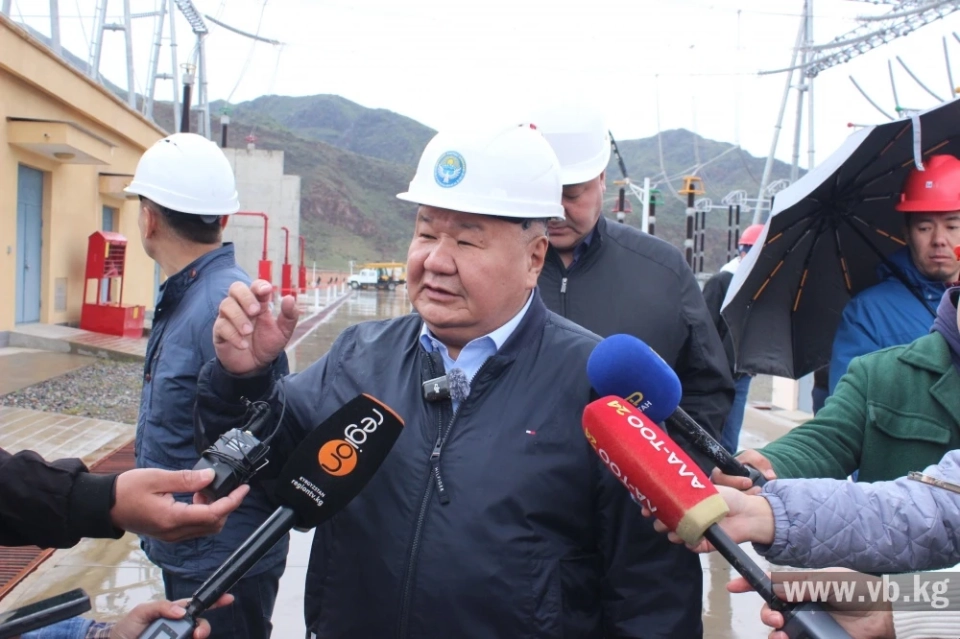
"Energy demand has been growing significantly faster in recent years than the development of renewable energy sources. Global demand increased by 2.2%, while the average rate over the past ten years is 1.3%. For the first time in history, the share of renewable energy in global electricity generation reached 34.3%, surpassing the share of coal, which stood at 33.2%. The question now is how to integrate these sources into the energy system to keep it reliable and efficient," noted Arman Akhunbaev, head of the Sectoral Analysis Center at the EDB.
Central Asia: Features and Challenges
The fuel and energy balances of the Central Asian republics vary. Kazakhstan, Uzbekistan, and Turkmenistan, located in the lower reaches of the Aral Sea, have significant reserves of coal, oil, and gas, while Kyrgyzstan and Tajikistan are entirely dependent on hydropower. Low diversification of generation creates risks: a shortage of any key fuel or adverse climatic conditions can lead to energy deficits.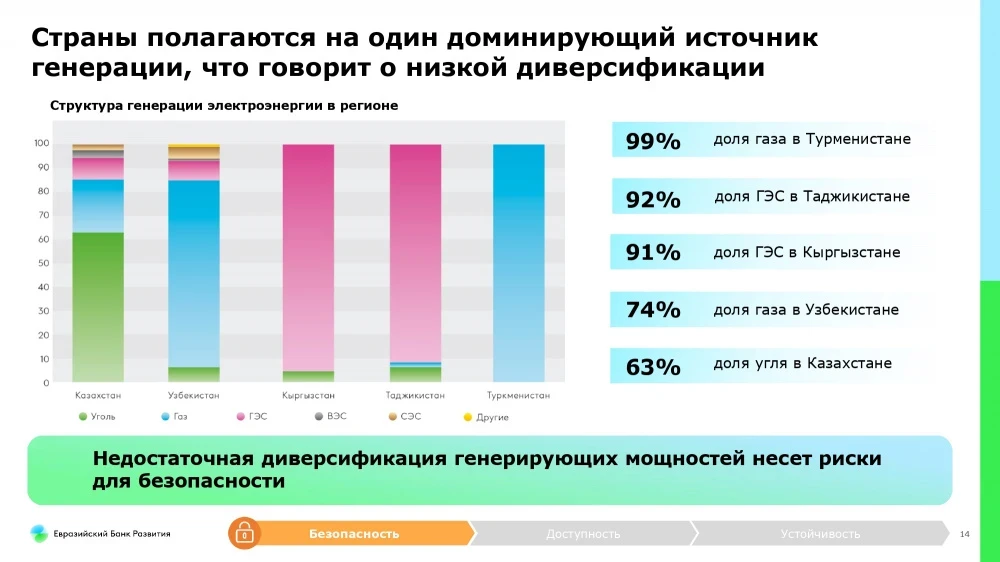
The problems of diversification are already being felt. Tajikistan and Kyrgyzstan suffer from low water levels: during dry winter years, generation at their hydropower plants decreases, and the countries face acute capacity shortages. At the same time, Kazakhstan, Uzbekistan, and Turkmenistan, while having their own fuel reserves, also face risks due to dependence on a single source (coal or gas). For example, monopolization of coal generation leads to accidents and environmental issues, while gas dependence results in supply disruptions and price instability.
To reduce risks, all countries in the region are striving to increase their energy capacities and develop alternative energy sources. The main focus is on solar and wind energy, as well as nuclear energy in Kazakhstan and Uzbekistan, and traditional and small hydropower plants in Kyrgyzstan and Tajikistan.
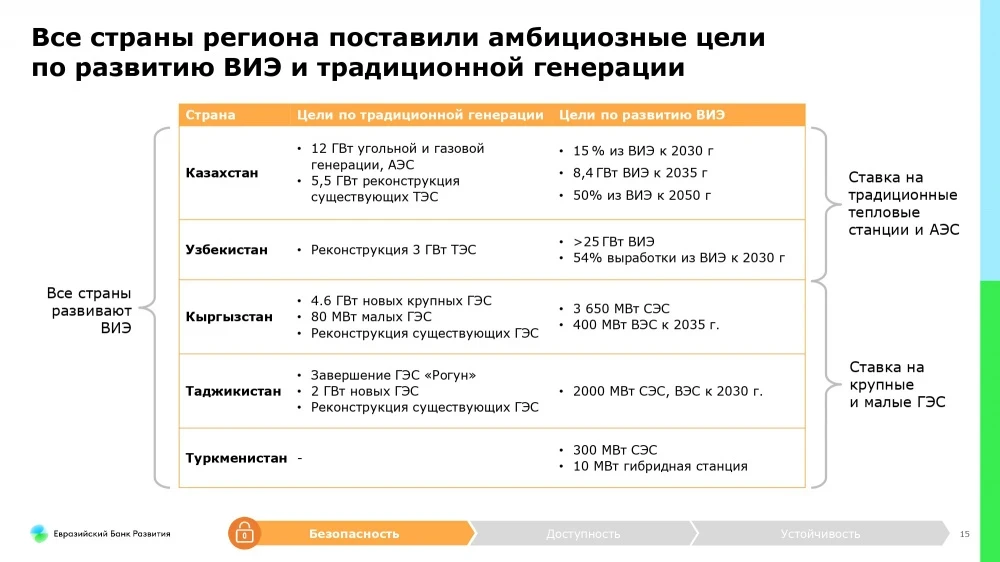
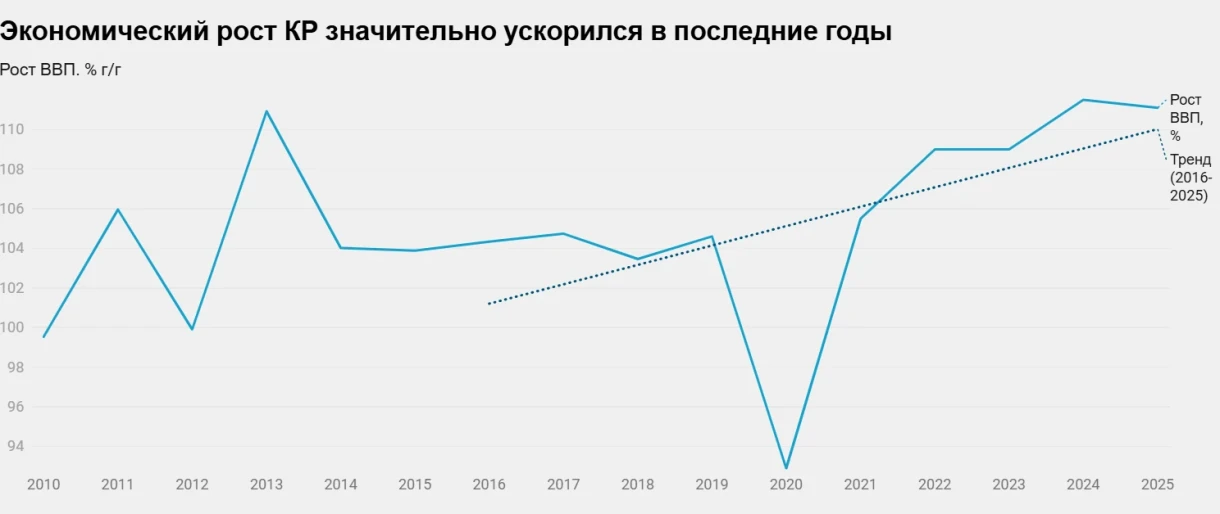
Electricity demand in Central Asia is growing faster than in the world, driven by economic growth, urbanization, and population increase. New consumers, such as data centers and electric vehicles, are also increasing the demand for energy. It is expected that by 2030, consumption will grow by 40%, reaching 370 billion kWh per year.
"Forecasts have systematically underestimated the actual growth in consumption, indicating its leading nature. As a result, energy systems have not been prepared for current loads: many capacities and networks are operating at their limits," the EDB report states.
Expectations from Hydropower Plants Will Not Be Met
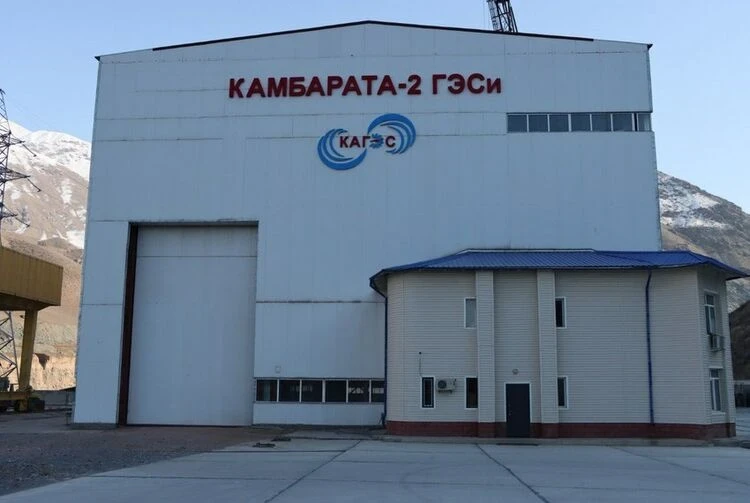
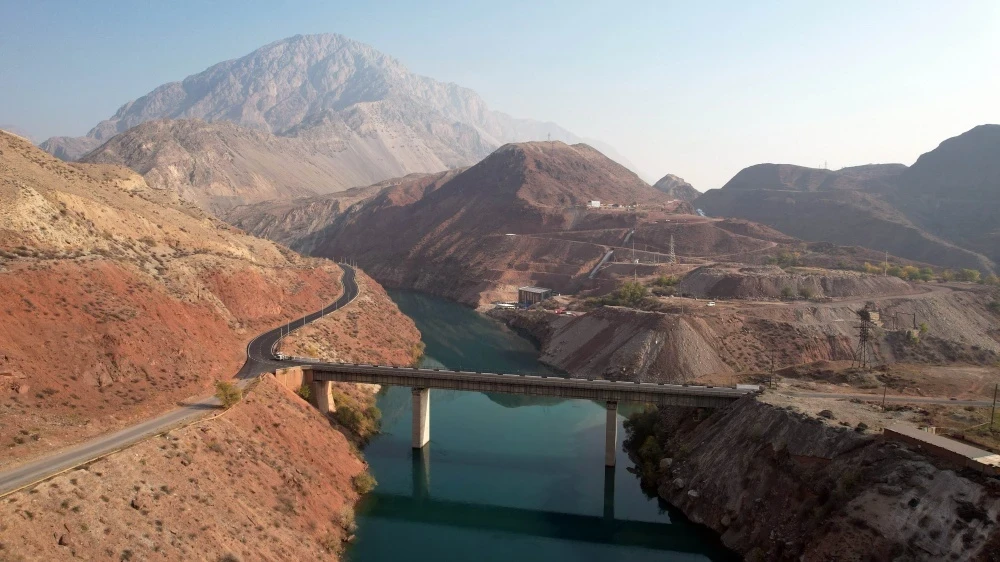
When it comes to electricity generation, many hope for Kyrgyzstan's wealth in hydropower resources, believing that next year will be rainier. This is a misconception. No matter how much we modernize the plants, their output will decrease.In 2014, the World Bank conducted a study that showed how the output of the largest hydropower plants in Central Asia would change under various climate scenarios. The results revealed a negative trend: for most reservoirs, such as Toktogul, Kambar-Ata, and Nurek, a decrease in available water and, consequently, electricity generation is expected across almost all scenarios, especially under warming and drought conditions.
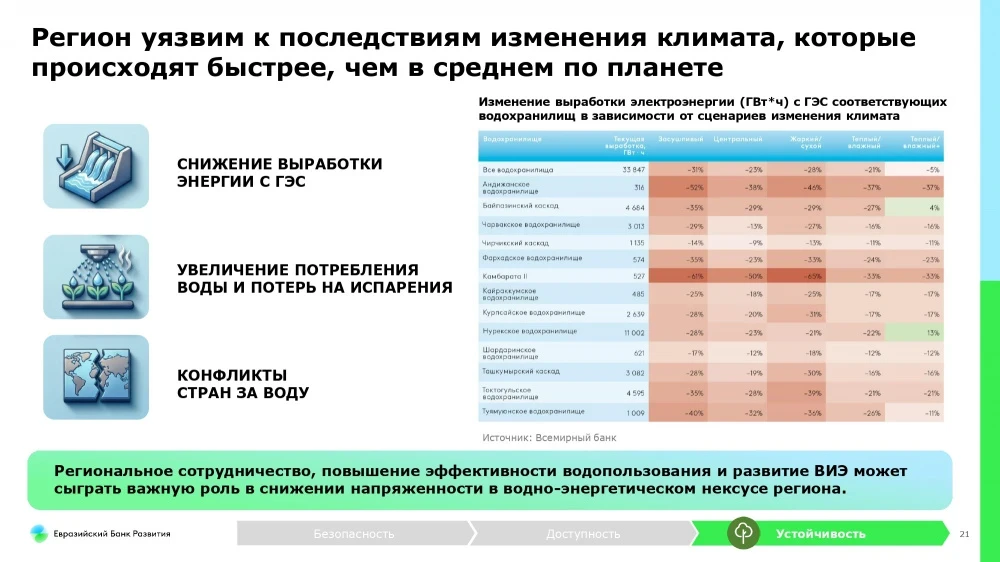
Unfortunately, the consequences of climate change will lead to a decrease in electricity generation at hydropower plants. This issue affects not only Kyrgyzstan but also other countries in the region. Even under the most favorable conditions, the Toktogul Hydropower Plant will produce 21% less electricity due to climate change.
The EDB suggests that if the downstream countries (Uzbekistan, Kazakhstan, Turkmenistan) rely less on hydropower from the upstream regions in summer due to their own solar-wind generation, and the upstream countries (Kyrgyzstan, Tajikistan) receive alternative sources in winter, this will help balance interests.
Tariffs: Inevitable Increase
Unfortunately, an increase in electricity prices is inevitable. This issue affects not only Kyrgyzstan but all Central Asian countries. Although tariffs vary, they all remain significantly lower than global rates and do not correspond to the actual costs of electricity generation."Tariff revenues cover only 40–60% of the cost of energy services in Central Asia. The lack of funds leads to infrastructure degradation and increased accident rates. Low prices contribute to irrational consumption: when electricity is almost free, consumers have no incentive to save, which increases the load on the network," the EDB report states.
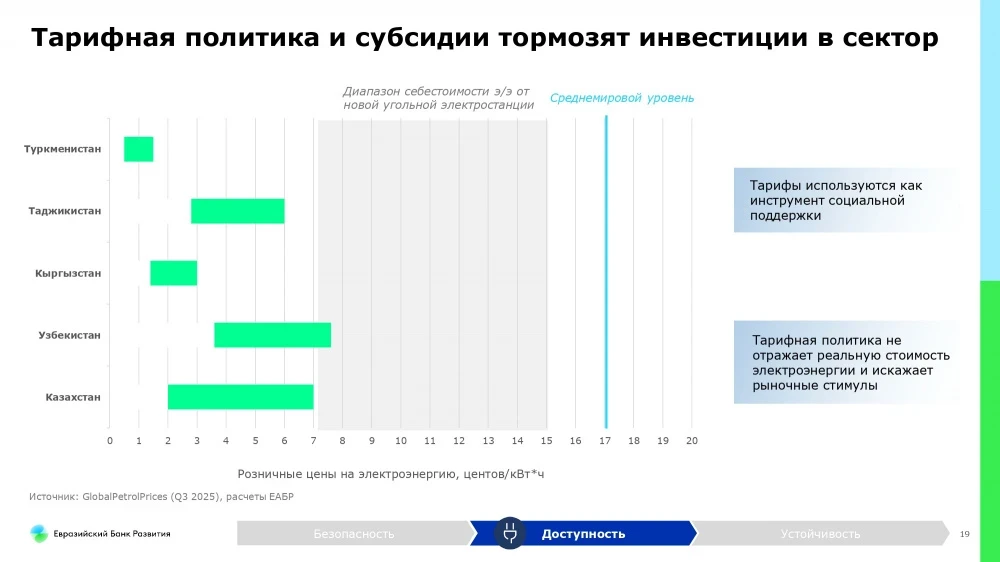
Nevertheless, experts from the Eurasian Development Bank believe it is necessary to approach the issue from various perspectives. They emphasize that any increase in tariffs must be justified.
"To ensure energy justice, it is important to find a balance between the financial sustainability of the sector and energy accessibility for the population. This can be achieved through targeted social policies that support vulnerable groups rather than the entire population," the EDB report states.
What Are the Steps Forward?
It seems that the obvious solution is the development of renewable energy sources. However, the matter is much more complex. Arman Akhunbaev from the EDB emphasizes that even inexpensive renewable energy sources do not guarantee low final prices and the reliability of the energy system, as these sources have their own peculiarities.Before focusing on one energy source and abandoning others, it is important to remember that the energy sector must not only meet current and future consumption, be resilient to disruptions, and quickly recover from shocks, but also ensure affordability at reasonable prices while minimizing negative environmental impacts. A tilt in one direction will create additional risks.
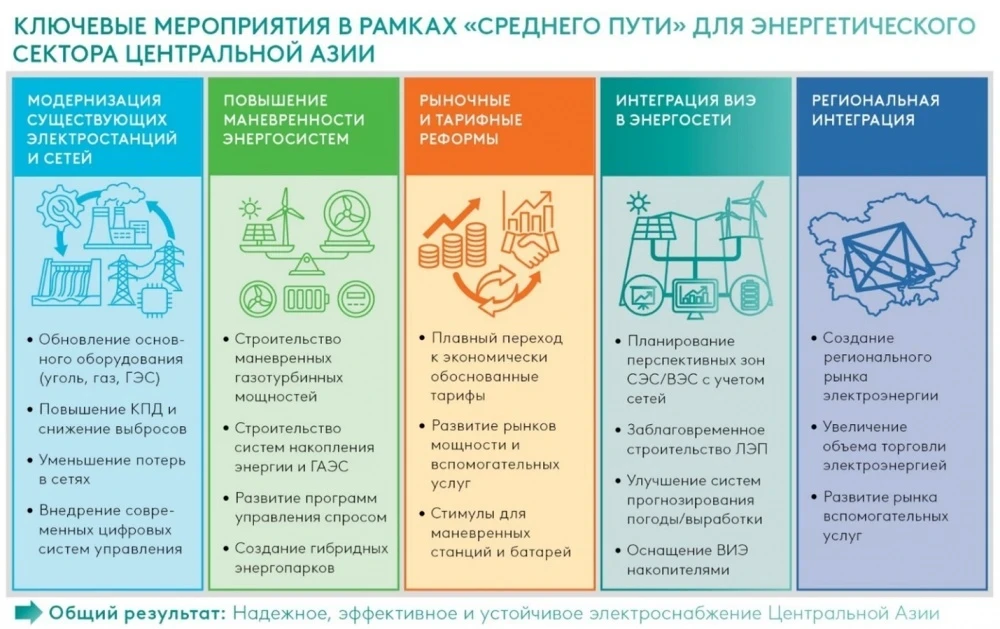
The "middle path" is an economic and technological strategy that allows Central Asia to combine the reliability of traditional energy with the environmental friendliness of new technologies. It is essential to utilize all available sources—from solar and wind energy to gas and nuclear energy. It is important to develop renewable energy sources, as well as modernize traditional power plants and build new networks and energy storage systems. Such a flexible approach will create a solid foundation for the region's economic growth," believes the chief economist of the EDB, Evgeny Vinokurov.
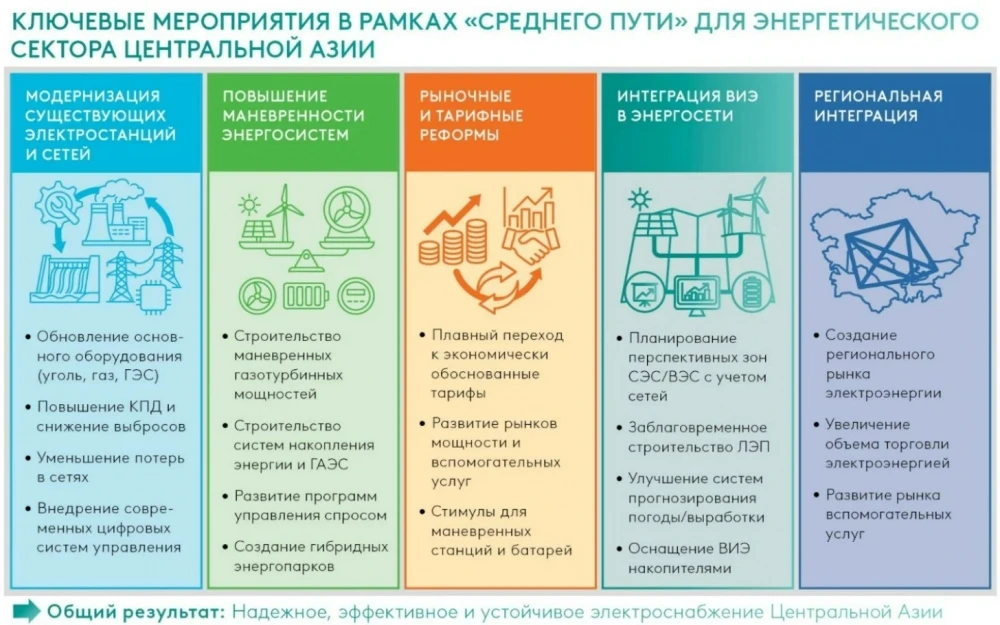
For the successful implementation of the strategy, coordination of efforts among governments, businesses, and international organizations is necessary. All countries must modernize existing power plants and networks, enhance the maneuverability of energy systems, implement market and tariff reforms, integrate renewable energy sources into the energy grid, and develop regional cooperation.
"A balanced strategy can serve as a reliable foundation for modernizing the energy sector in Central Asia. Such a comprehensive approach will ensure reliable and affordable energy supply, reduce the carbon footprint, and facilitate an energy transition without shocks, benefiting both the economy and climate commitments," concludes the EDB.