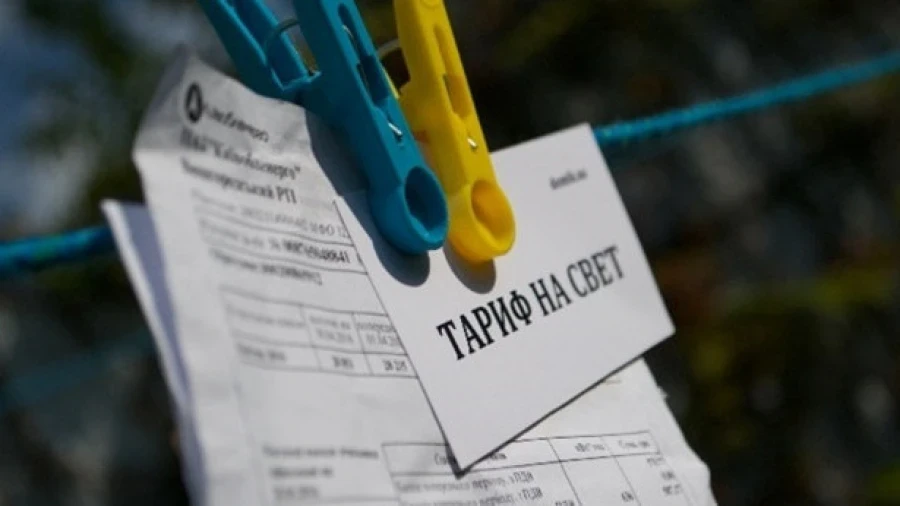
In Kyrgyzstan, people pay only about 50% of the actual cost of drinking water and electricity. Tariffs for these services regularly spark heated debates, as any changes are perceived negatively due to the complex social and economic situation in the country.
A recent draft law on drinking water has become yet another topic for discussion. Despite public protests, its initiators claim that the media has misinterpreted the information.
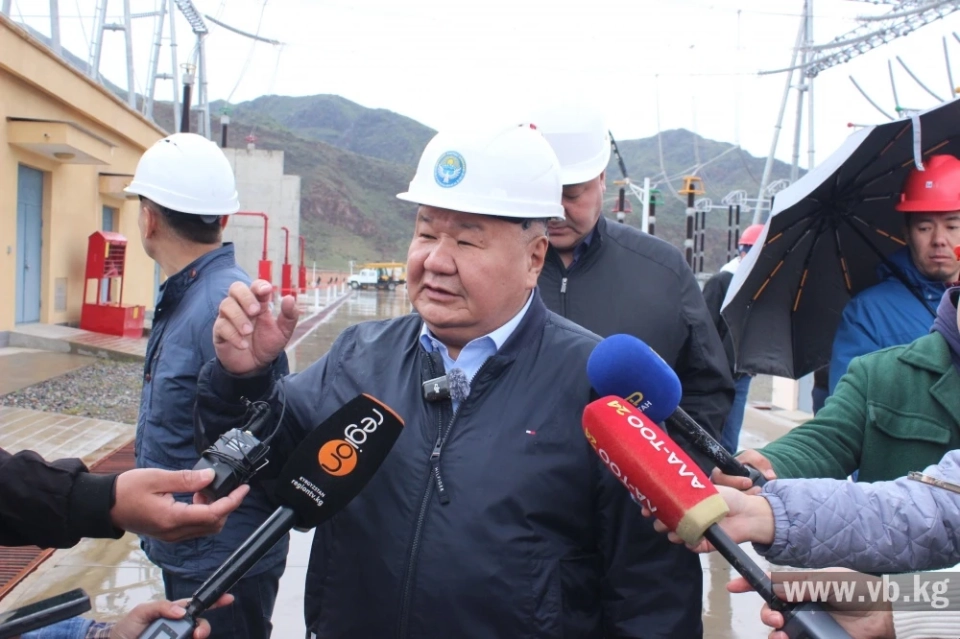
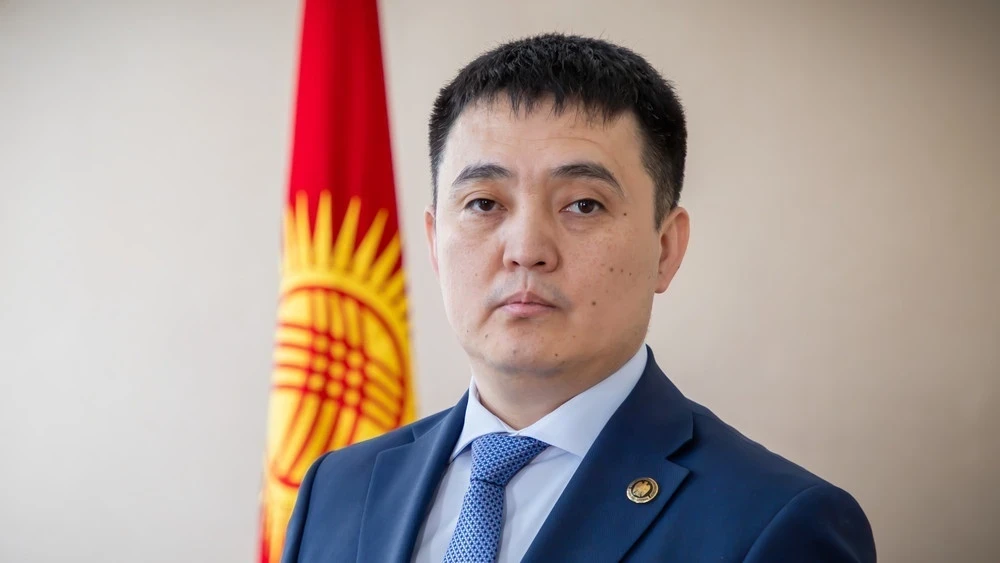
About the current tariffs and the consequences of their immutability, 24.kg spoke with Azamat Shadmanov, director of the Department of Drinking Water Supply and Wastewater Disposal.
Controversial draft law
Legislator Tabyldy Muratbekov proposed to increase tariffs for drinking water in Kyrgyzstan, suggesting that the average cost could rise by 14.38 soms to 36.99 soms per cubic meter.
Read more
A deputy proposed to raise the water tariff to nearly 37 soms
According to him, the current tariffs do not cover the cost of water supply, leading to a lack of funds for water utilities to update infrastructure, which is in poor condition.
After discussions in the community, the deputy withdrew the draft law, claiming that his words were misinterpreted.
Subsidies, not tariff increases
Shadmanov explained that the draft law did not imply an increase in tariffs. It proposed a mechanism for subsidizing municipal water supply enterprises.
Initially, it is necessary to determine the actual cost of water. If the population cannot pay for it, the difference should be covered by local or republican budgets.
Azamat Shadmanov
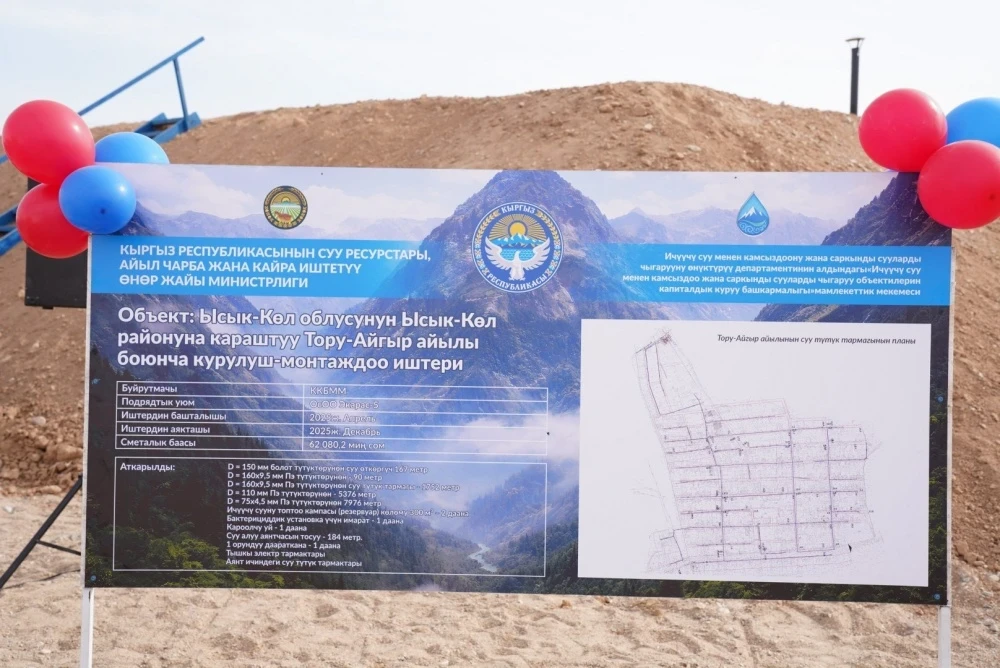
He noted that currently, the state and international partners are building new water supply facilities, but after they are handed over to local authorities, there is often not enough funding for maintenance. Therefore, a mechanism is needed to help preserve the system and ensure timely repairs to avoid large future expenses.
“If we do not invest a conditional 5 million in system maintenance now, tomorrow its restoration may cost 100 million,” concluded Azamat Shadmanov.
Information 24.kg
Currently, the process of establishing tariffs looks as follows:
- The municipal enterprise calculates the cost of water based on 13 expense items;
- After that, the calculation is approved by local authorities and the territorial antimonopoly body;
- Ultimately, the issue is submitted to the local council for tariff approval.
The problem of low collection rates and half the cost
According to the department's data, the population pays only half of the actual cost of water. The average tariff is about 17 soms per cubic meter, which is half of the cost price. In areas without water meters, the fee is about 37 soms per month per person or approximately 150 soms per household. Meanwhile, the issue of payment collection remains relevant.
About 60% of payments are made on time. The rest either delay payment or do not pay at all.
Azamat Shadmanov
According to him, in 90% of settlements, tariffs are below the cost price, leading to a lack of funds even for basic needs.
“There is an opinion that water is free. But this is not the case. There are costs for the operation of wells, pumps, pipe replacements, electricity payments, chlorine purchases, and employee salaries,” explained the director.
Water supply for settlements
In Kyrgyzstan, 34 settlements have city status, each of which has a municipal water supply enterprise. In total, there are more than 2000 settlements in the country served by over 200 municipal enterprises.
According to the department:
- 836 villages have a centralized drinking water system;
- 405 villages either do not have such a system or it does not meet requirements;
- 773 villages need reconstruction or construction of new systems; work is already underway in 121 of them.

Read more
Kyrgyzstan needs $1.2 billion in investments to provide villages with clean water
The authorities intend to address the issue within the framework of a program for 2026–2036, funded from the republican budget and international sources.
However, even new systems often fall into disrepair due to a lack of funding and weak institutional resilience of local organizations.
Thus, a vicious circle arises: the state builds new facilities, but due to a lack of funds, they gradually fall into disrepair.
Prospects
Azamat Shadmanov stated that the draft law will be revised in collaboration with deputies and presented for discussion after explanatory work with the population.
Nevertheless, even with the adoption of this law, the population will still pay only part of the actual cost of water, with the remaining amount covered by subsidies. The key question remains: will citizens' attitudes towards paying for water change over time?
The department director noted that certain changes are already being observed.
People are beginning to realize the value of water. However, this is a process that takes time.
Almazbek Shadmanov
One of the solutions he considers is the installation of water meters, which is gradually being implemented within the framework of international projects and republican programs. In addition, municipal enterprises should more actively apply measures against non-payers.
“There are various mechanisms — temporary water disconnection until the debt is settled. It is unacceptable for some to pay while others do not,” noted Azamat Shadmanov.