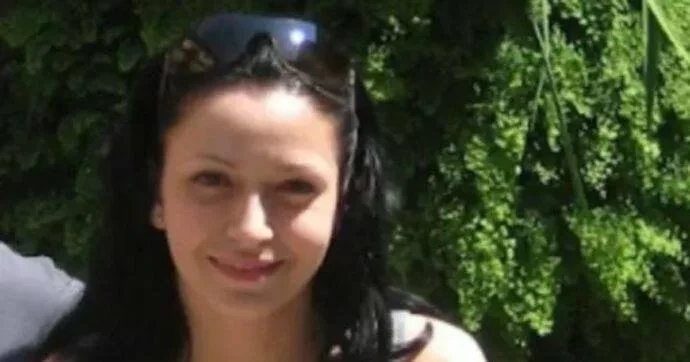
The story that took place in Naples resembles a plot from a series, yet it is reality. A woman known by the name Maria Adela Kuhfeldt Rivera had been in military circles for a long time before she suddenly disappeared. Christo Grozev, an investigative journalist, uncovered her true identity: she turned out to be a Russian named Olga Kolobova.
The most astonishing aspect of this story is that her identity was not revealed due to hackers or document leaks. A cat named Luiza, whom the woman loved dearly and often showed to her friends, played a key role. In Europe, pets have microchips with unique numbers, and it was this chip that became the link to Russian veterinary databases.
After discovering the registration location of the chip, a match was found with a clinic in Russia. A social media page linked to this clinic was found, featuring a photo of a cat resembling Luiza. As a result, the "perfect legend" began to crack: details of her life, her surroundings, and traces that had gone unverified for years matched up.
This story not only evokes surprise but also serious reflections on security: how easily a person with a well-constructed biography can become "one of their own" in any city if they know how to build connections and behave convincingly. And how unexpected a vulnerable spot can be. Documents, routes, and phones can be meticulously checked, but a tiny chip under a pet's skin can expose you.
Now the question arises: if even in this case the key to the revelation was a random find, how many more "perfect legends" might be hiding nearby, but without cats?