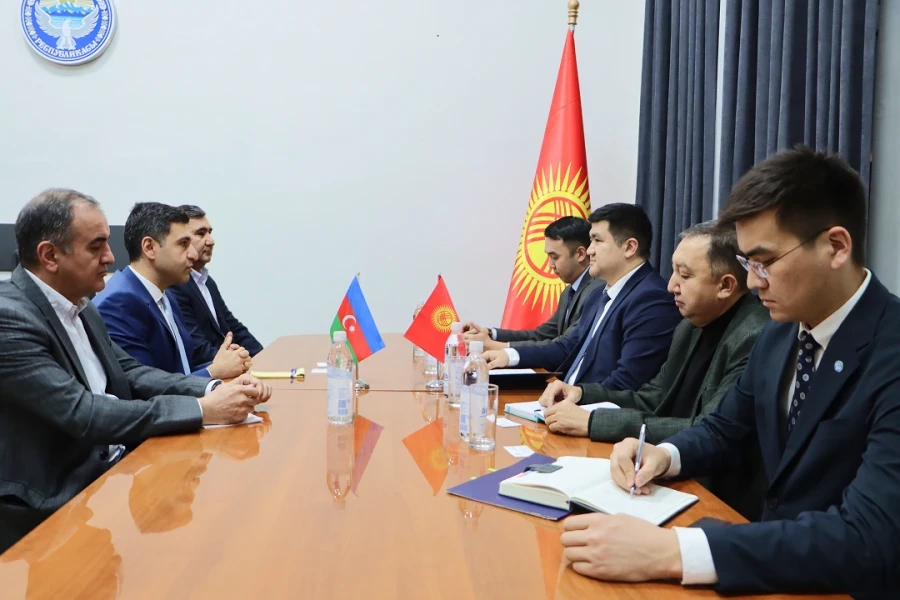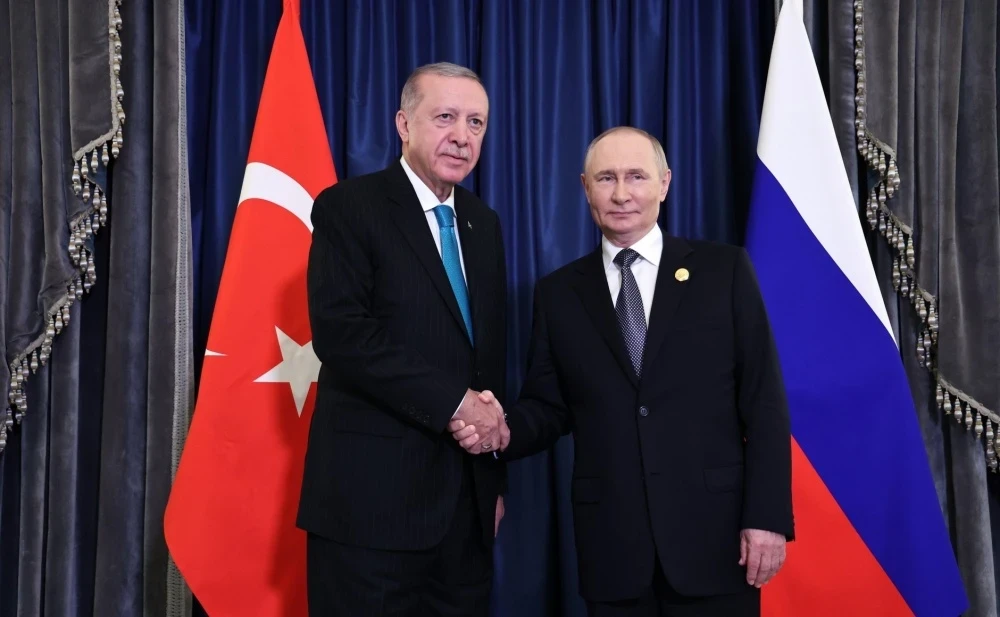
As noted by the publication BZ, Turkey is rapidly increasing its influence in Central Asia by implementing financial initiatives, developing defense agreements, and conducting joint military exercises with Turkic states. However, the author of the publication emphasizes that competing with Russia in this region will not be easy.
Turkey is strengthening its position in Central Asia through arms exports, the implementation of infrastructure projects, and cultural diplomacy. Nevertheless, Russia continues to remain a powerful competitor in this space.
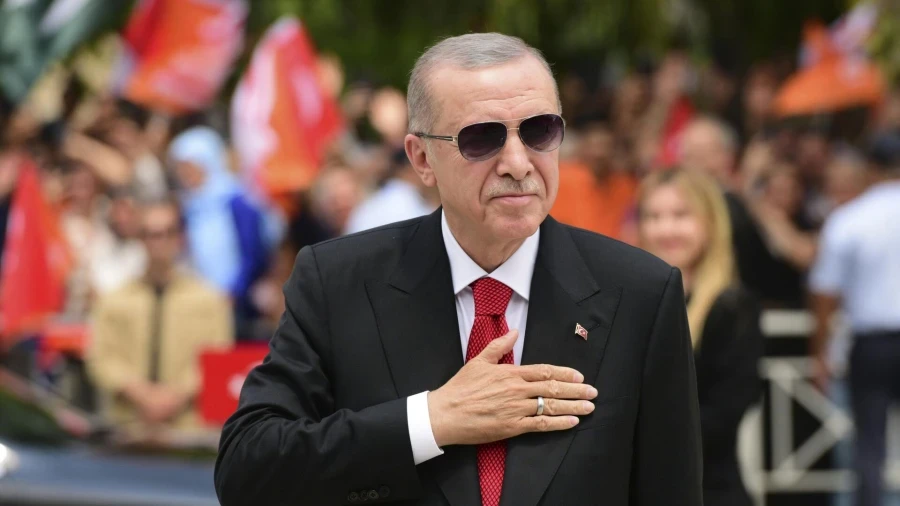
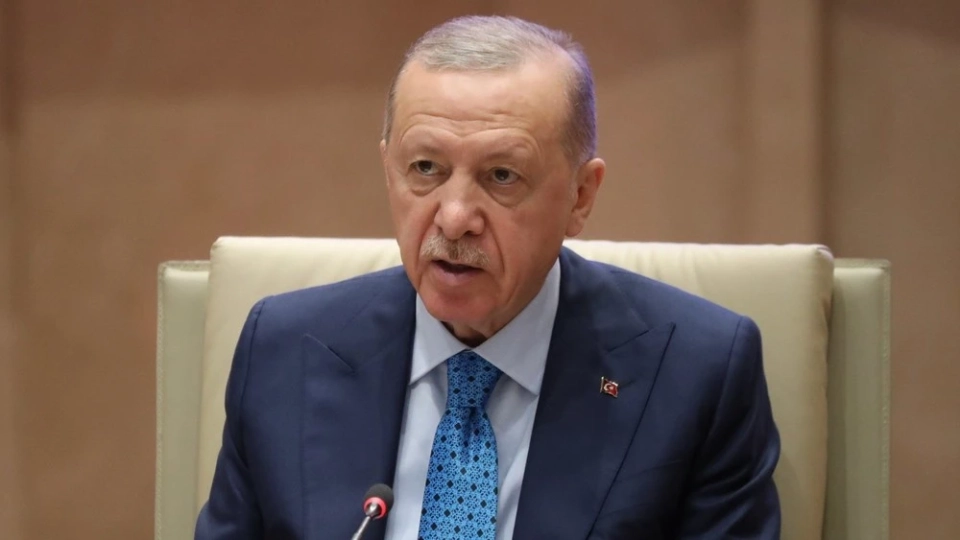
In December of this year, Turkish President Recep Tayyip Erdoğan introduced an initiative called "Vision of the Turkic World," aimed at creating a single digital currency for Turkic countries. He also called for increasing trade volume with Azerbaijan, Kazakhstan, Kyrgyzstan, Turkmenistan, and Uzbekistan from the current $16 billion to $100 billion per year.
Erdoğan aims to make Turkey a more active player in Central Asia, where Russia and China traditionally dominate. Ankara's attempts to establish a firm presence in the region began back in the 1990s after the collapse of the Soviet Union. However, the Turkish government's hopes that the new independent states would turn to their "older brother" for support were not fulfilled.
Darya Isachenko, a political scientist at the Center for Turkish Studies (CATS) of the Science and Politics Foundation (SWP), explained to Berliner Zeitung that one of the key lessons learned by Ankara in the 1990s was the realization that excessive expectations of integration repelled the newly formed Central Asian republics.
However, in recent years, especially after the start of Russia's military operation in Ukraine, the situation in Central Asia has changed. Turkey's geographical distance from the region is no longer as significant.
Arms as the Main Export Commodity
Western sanctions against Russia are impacting the economies of Central Asia. Many Russian companies have relocated to Kazakhstan, and some local firms are circumventing restrictions by exporting prohibited goods to Russia.
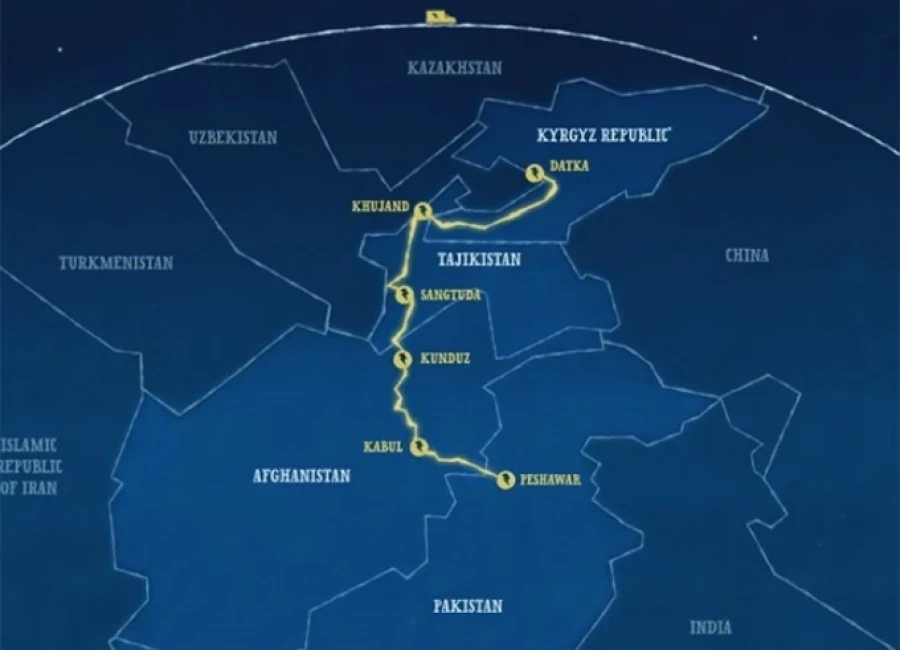
Central Asian exporters, who previously relied on Russia as a route to access international markets, are now seeking alternative paths. This has led to a revival of interest in the Middle Corridor, connecting China to Europe via the Caspian Sea and directly through Turkey. The volume of cargo transportation has increased from 530,000 tons in 2021 to 4.5 million tons in 2024.
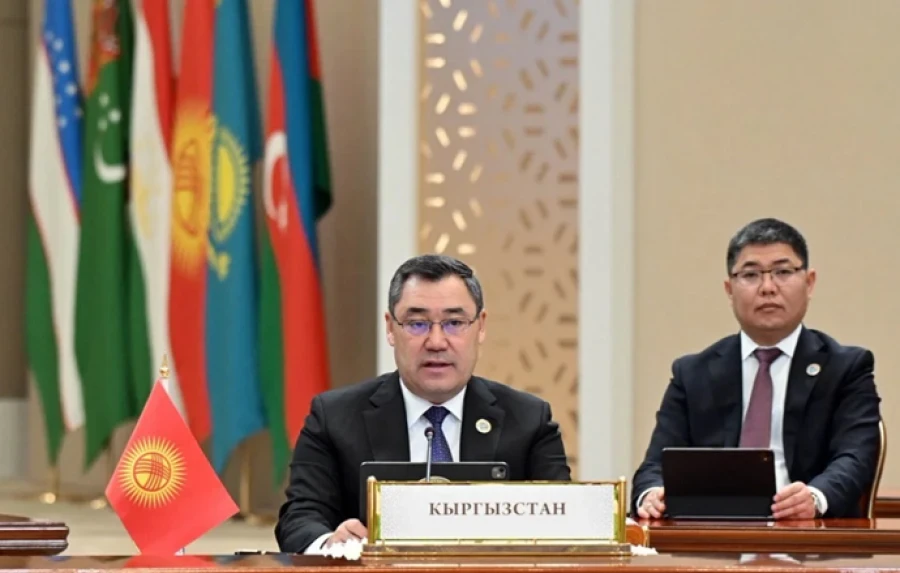
To date, the main export commodity of Turkey to Central Asia is arms. Following the successful use of Turkish Bayraktar TB2 drones by the Azerbaijani armed forces against Armenia in 2020, such drones have also attracted interest from Uzbekistan, Turkmenistan, and Kyrgyzstan. Kyrgyzstan has signed contracts for all four types of Turkish drones, while Kazakhstan has signed a licensing agreement for their production.
There is also a growing number of joint ventures, especially in the construction sector. In Uzbekistan, the number of joint Turkish-Uzbek companies has tripled over the past five years, reaching nearly 2,000.
Institutionalization of Foreign Policy
Ankara is actively developing joint organizations in its relations with Central Asia. In June 2024, Turkish Foreign Minister Hakan Fidan stated that "further institutionalization of foreign policy" is one of his priority tasks.
This particularly concerns the Organization of Turkic States (OTS), established in 2009. Turkey intends to promote a common cultural identity among Turkic countries, which has become possible due to changes in the demographic situation over the past 35 years. For example, in Kazakhstan, the share of the Russian-speaking population has decreased from 50% to 15%.
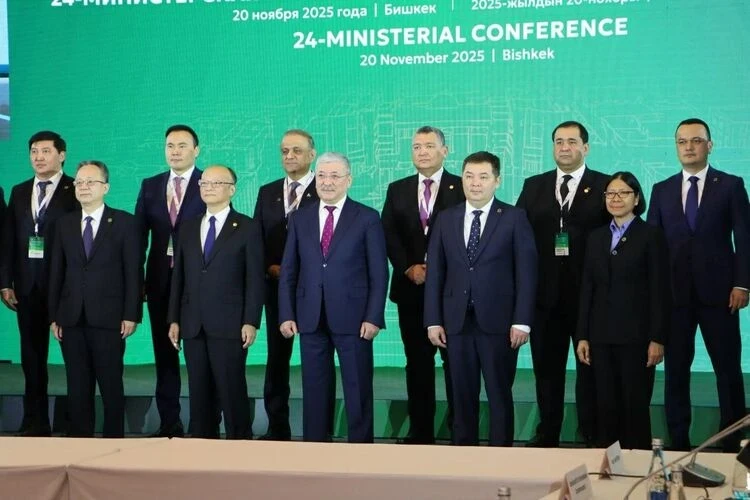
At the OTS summit in Bishkek in September 2024, a project to transition to a unified Turkish alphabet based on Latin, which is to replace the Cyrillic used in most countries of the region since the Soviet era, was approved at Turkey's initiative.
Additionally, in October, Erdoğan signed a decree allowing all foreigners of Turkic origin to work in public and private institutions, except for military and security agencies.
However, as noted by Hakan Aksay, a Turkish expert on the post-Soviet space, differences in mentality and economic issues in Turkey may hinder quick results from such initiatives. "In the long term, this may lead to an increase in the number of people wishing to move to Turkey from Kazakhstan, Kyrgyzstan, and Uzbekistan," the expert adds.
Military Aspects of Cooperation
At the last OTS summit in Gabala in October, Azerbaijani President Ilham Aliyev proposed conducting joint military exercises for the organization's members. Although Kazakhstan, Kyrgyzstan, and Tajikistan are part of the Collective Security Treaty Organization (CSTO) along with Russia, the conduct of such exercises seems more likely.
The situation with Armenia, which has effectively suspended its participation in the CSTO, demonstrates the fragility of this structure. In September 2022, the CSTO did not respond to the escalation of the conflict between Kyrgyzstan and Tajikistan, resulting in the deaths of at least 150 people.
Thus, Turkish military training programs, especially in special forces training, are becoming quite attractive for Central Asian republics, some of which are already participating in multinational exercises organized by Turkey.
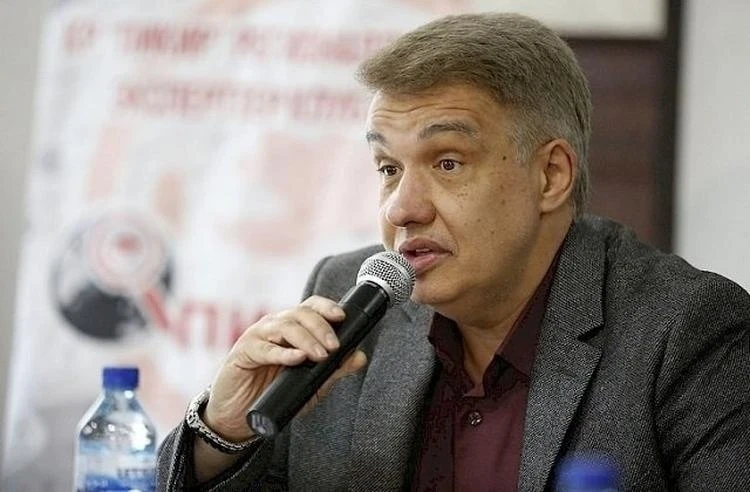
China and Central Asia specialist Temur Umarov noted that the elites of the region are cautiously regarding the expansionist ambitions of Moscow and Beijing, and unlike them, Turkey does not have a similar image.
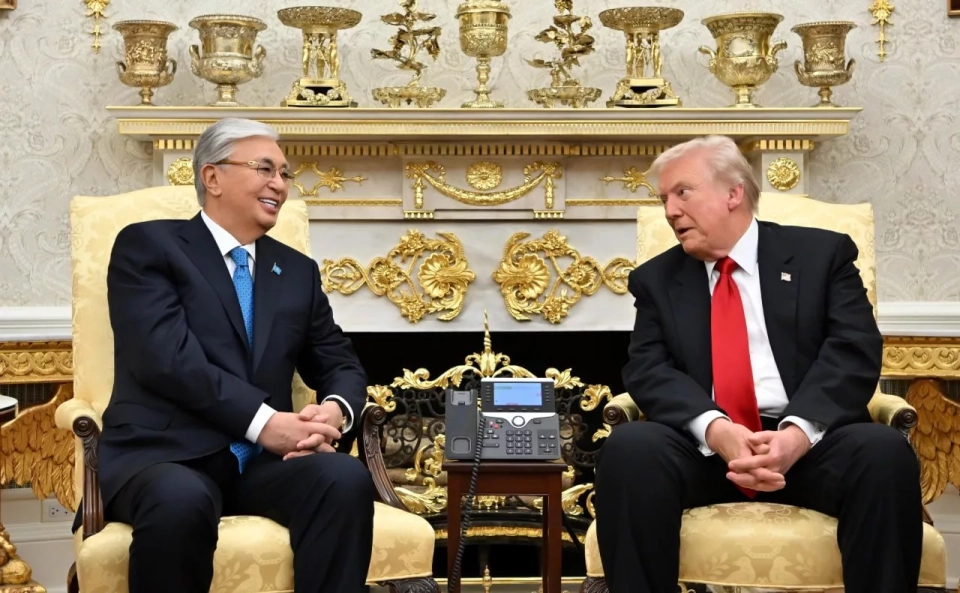
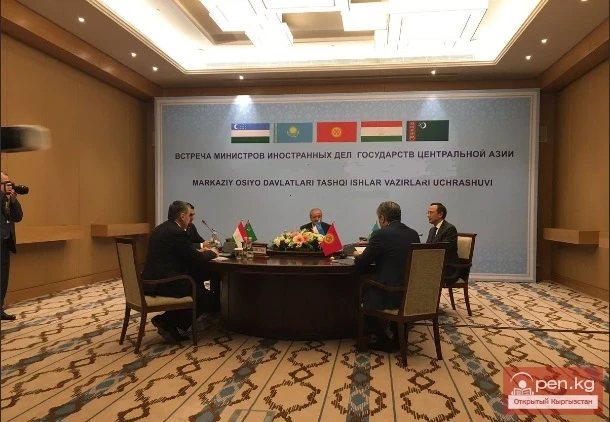
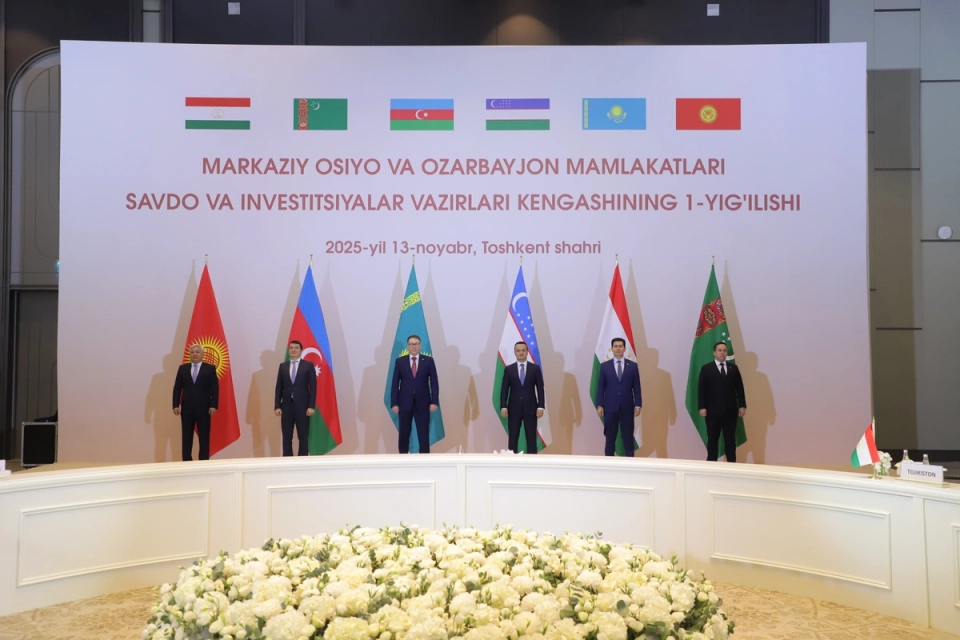
The search for new formats has also led to the invitation of Azerbaijan to the Central Asia summit in Tashkent, which will take place in November. Additionally, this year Baku has made progress in relations with Armenia through the mediation of Donald Trump, which will allow Turkey to gain direct access to Central Asia through Azerbaijan.
Internal and External Challenges
Despite Turkey's recent successes in Central Asia, it faces numerous obstacles in strengthening its influence in the region. Competition with Russia remains complex.
For example, about 95% of Kazakhstan's oil exports and a similar share of internet traffic pass through Russia. Furthermore, differences in foreign policy positions continue to be an obstacle to relations between Central Asia and Turkey.
In April 2025, at the first EU-Central Asia summit in Samarkand, all countries in the region signed a joint statement condemning Turkey for the occupation of northern Cyprus and expressing support for the island's independence.
For Turkey, which has controlled Northern Cyprus since 1974 and is the only country recognizing its independence, this was a significant diplomatic blow. Hakan Aksay noted that many in Turkey believe that Turkic-speaking states have betrayed Ankara for economic benefits from the European Union, which offered Central Asian countries 12 billion euros.
Temur Umarov emphasizes that the position on Cyprus is not unique to the Central Asian republics. "Some issues provoke a principled stance from the countries in the region, including the inviolability of borders and territorial integrity," he adds.
Kazakhstan's President Kassym-Jomart Tokayev, standing next to Vladimir Putin at the St. Petersburg International Economic Forum in June 2022, stated that Astana does not recognize the independence of "quasi-state formations such as the LPR and DPR," which broke away from Ukraine. A similar principled approach is observed in Central Asia regarding Northern Cyprus.
Nevertheless, active cooperation with Turkey allows the countries in the region to partially counteract Russia's influence. Ankara focuses not only on cultural and historical ties but also on specific projects implemented within the framework of joint organizations.
As Darya Isachenko notes, even pan-Turkic platforms primarily serve Turkey to strengthen bilateral relations with the regions, which is the most effective format for Ankara in Central Asia.
Source: inosmi.ru