This was reported by Aibek Manapbaev, an orthopedic traumatologist from the trauma department of the Naryn Regional Unified Hospital.
According to him, up to 35 people visit the hospital daily, of which 10-15 have been injured as a result of falls on ice.
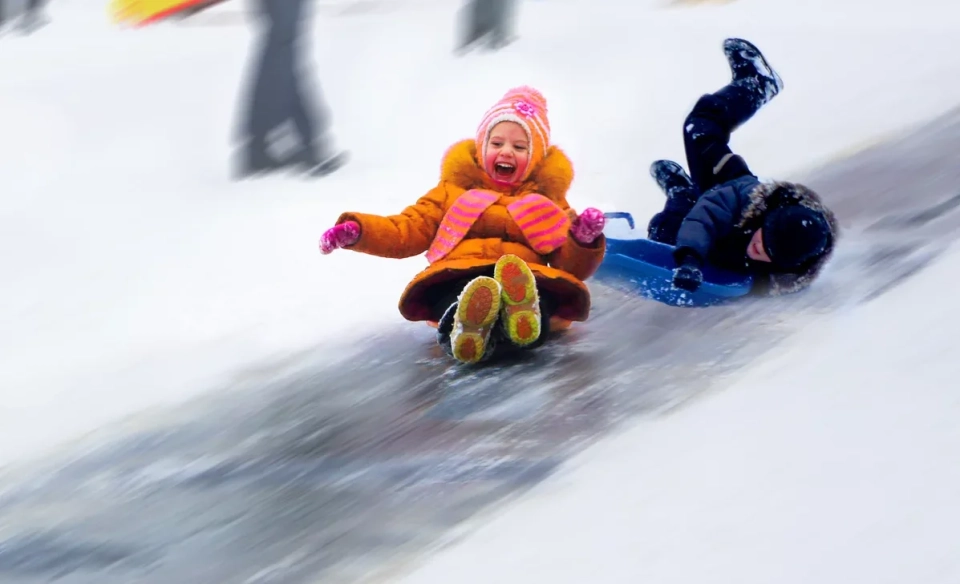
Many of the injured are children. During the winter holidays, they often sustain injuries while sledding and tubing. The most common injuries include:
- abrasions on the face and nose,
- lip lacerations,
- fractures of the spine, lower back, arms, and legs,
- traumatic brain injuries.
“The number of serious injuries is increasing. People are losing vigilance and forgetting about safety rules. They skate in groups, not maintaining distance and colliding with each other,” noted Manapbaev.
He also emphasized the importance of safety regulations for the organizers of ice rinks:
“If a ramp is installed on the rink, it can be dangerous. Safety must be a priority. We advise entrepreneurs to strictly adhere to safety requirements and urge parents to monitor where and how their children play.”
Razalita Umarbekovna, press secretary of the Naryn Regional Emergency Situations Department, reported that there are 4 ice rinks operating in the Naryn region, and informational work is being conducted with their owners.
“In Naryn, there is one ice rink used at the city level. In the Ak-Talinsky district, one rink has been officially opened, while in the At-Bashinsky and Jumgal districts, there are temporary rinks made of natural ice, but they are not registered as official sports facilities,” she added.
Main requirements for organizing ice rinks:
- availability of a tax patent;
- contract with the ayil okmotu (local self-government body);
- certificate of special training completed in Bishkek;
- maintenance of a technical safety log.
1. Shape
The rink must be flat and rectangular, without long tracks and slopes.
If the shape does not meet the requirements, the rink cannot be used.
2. Size
The minimum dimensions are 20 × 10 meters; for sports purposes (skating, hockey, etc.) - 60 × 30 meters. The size can be smaller but must meet the definition of “rink.”
3. Ice layer
The thickness of the ice must be at least 5 cm and uniform, without cracks. Ice mixed with snow is not allowed.
4. Evenness
The surface must be absolutely level. The presence of pits and bumps makes the rink unsuitable.
5. Boundaries
The edges of the rink must be clearly marked and fenced with a barrier, curb, or snow mound. The possibility of “going out in any direction” is prohibited.
6. Safety
There should be no trees, metal structures, or other obstacles in close proximity. A safe zone for children must also be provided.