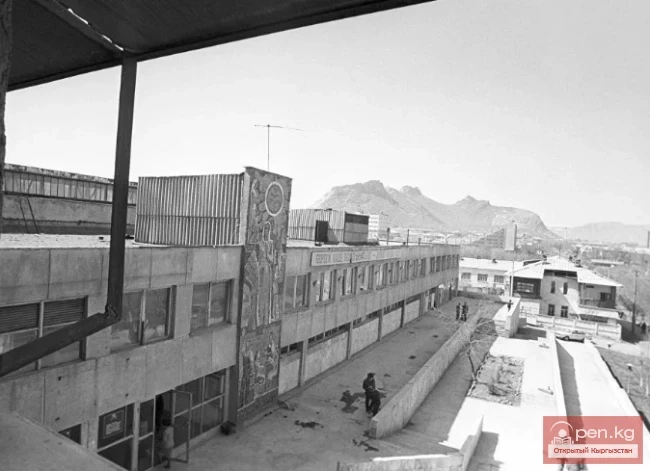
The factory's products were distributed across various regions of the Soviet Union. However, in 1965, the enterprise was closed, and on its site, the Orlovskaya sewing factory was built, which provided jobs for local residents.
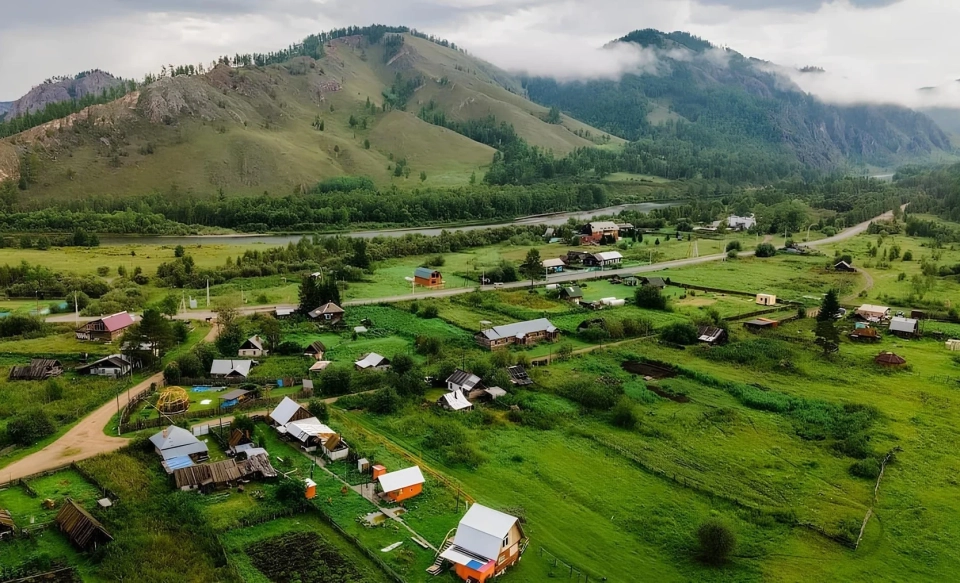
The village of Podgornoye is located 23 km from Kemin and is currently part of the city of Orlovka, although it formally does not have the status of a village. In early June of this year, it became known that the State Agency for Public Service and Local Self-Government under the Cabinet of Ministers proposed to include Podgornoye in the list of settlements that could receive the status of ayil (village). This draft law is aimed at strengthening national identity and restoring historical names.
Discussion of this issue is taking place on public platforms. Today, about 500 people live in Podgornoye, and local residents are engaged in agriculture, representing a multinational community.
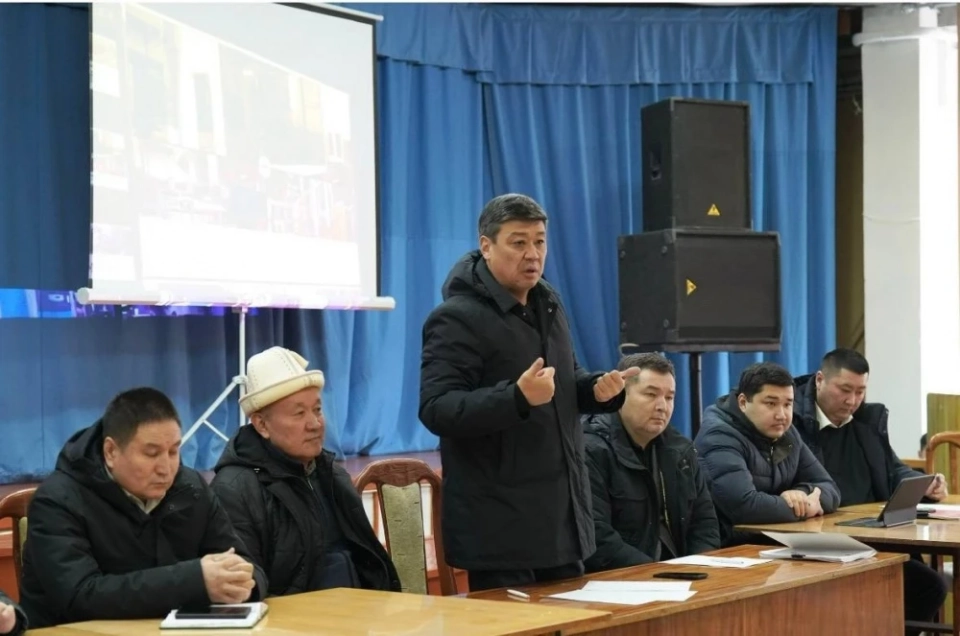
The mayor of Orlovka, Bakyt Chancharov, noted that the name of the village is connected to the history of Lubzavod. In the 1930s, residents of nearby villages supplied raw materials for the production of tarpaulin, burlap, and ropes. In 1956, Lubzavod was replaced by the Orlovskaya sewing factory, which became one of the leading enterprises in the region, attracting women to work from various corners of Soviet Kyrgyzstan.
However, in 1995, the factory was closed. From 1965 to 1972, it was headed by Kurmanbek Sagynbaev, and then from 1972 to 1980 by Anatoly Oleynikov. At its peak, over 500 employees worked in the sewing workshops. With the collapse of the USSR, enterprises were transferred to private hands, many of which were destroyed or looted.
In Podgornoye, there is a kindergarten, a cultural center, a library, a gym, a feldsher-midwife station, a mosque, and a playground.