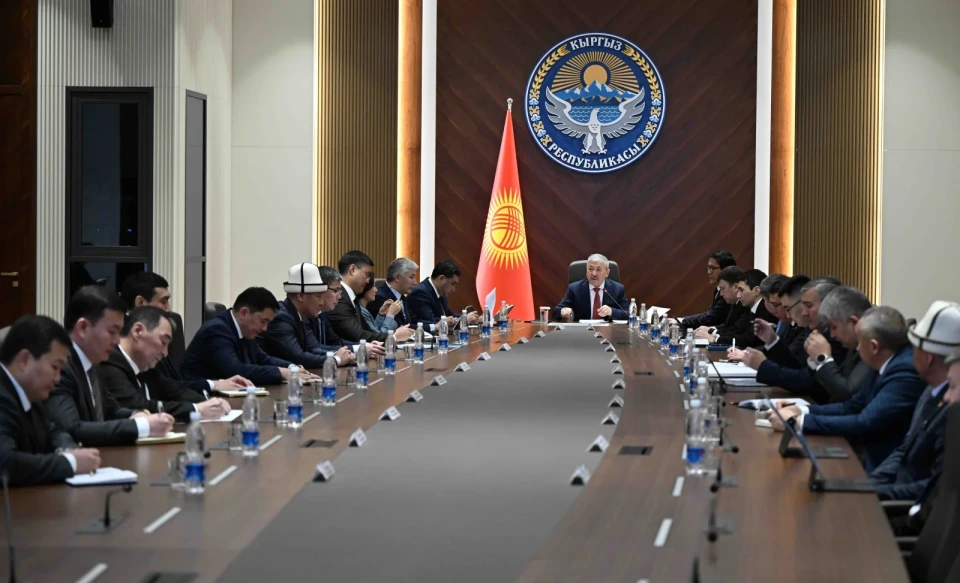
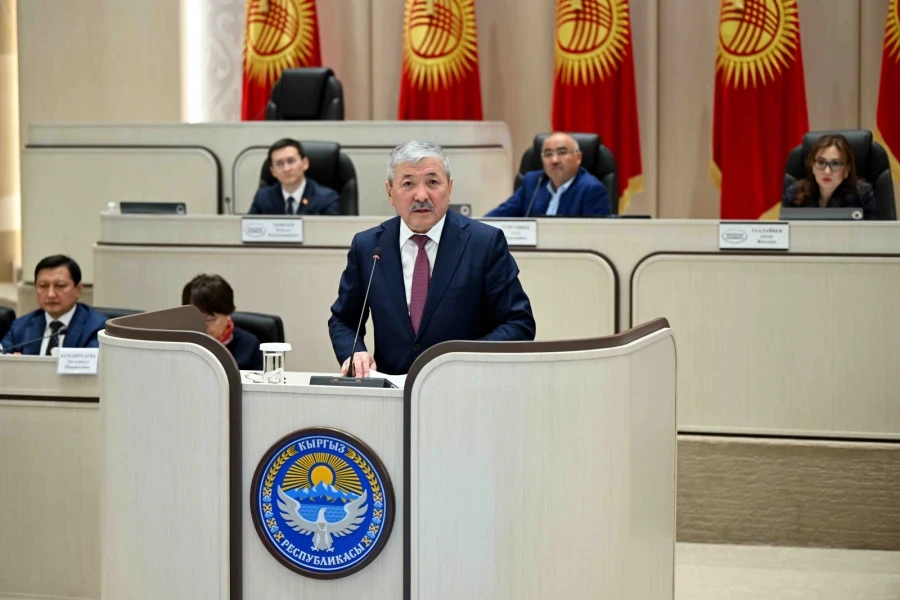
Kasymaliev noted that significant work had been done as part of the first stage of the reform, which will be completed in 2025. This stage covered central government bodies, where business processes were simplified, inter-agency electronic interaction was improved, and duplicating functions of state structures were eliminated.
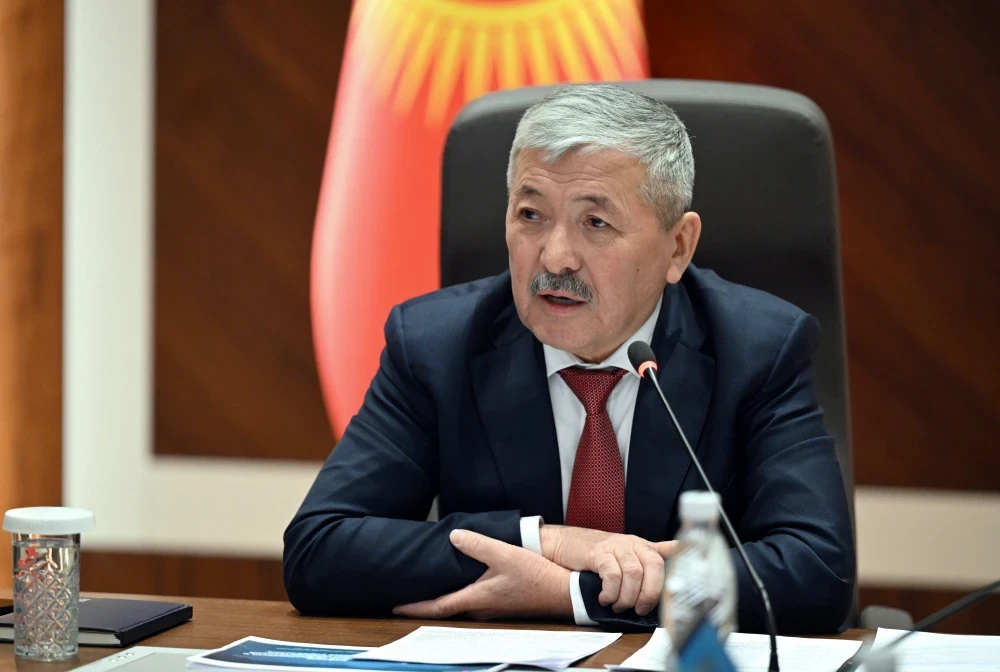
Now the second stage begins, focusing on the regions. As the head of government emphasized, it is at the local level that the real effect of the reforms will be determined. Each akim and department head will bear personal responsibility for the quality of work. Local authorities have been tasked with reducing decision-making times, eliminating duplicating functions, and promptly addressing local issues.
Kasymaliev also stressed the need to eliminate bureaucratic barriers for businesses in the regions. In particular, he pointed out the necessity to shorten the time for obtaining permits, ensure the functioning of a "single window," and increase the transparency of inspections in accordance with the law.
"The state must act as a partner for business, not a controller. Local authorities should be closer to the real economy, not remain in offices," he stated, emphasizing the importance of open dialogue with entrepreneurs.
The head of the cabinet also noted that digitalization will be a key tool in the process of debureaucratization and should be actively implemented at both the central and regional levels.
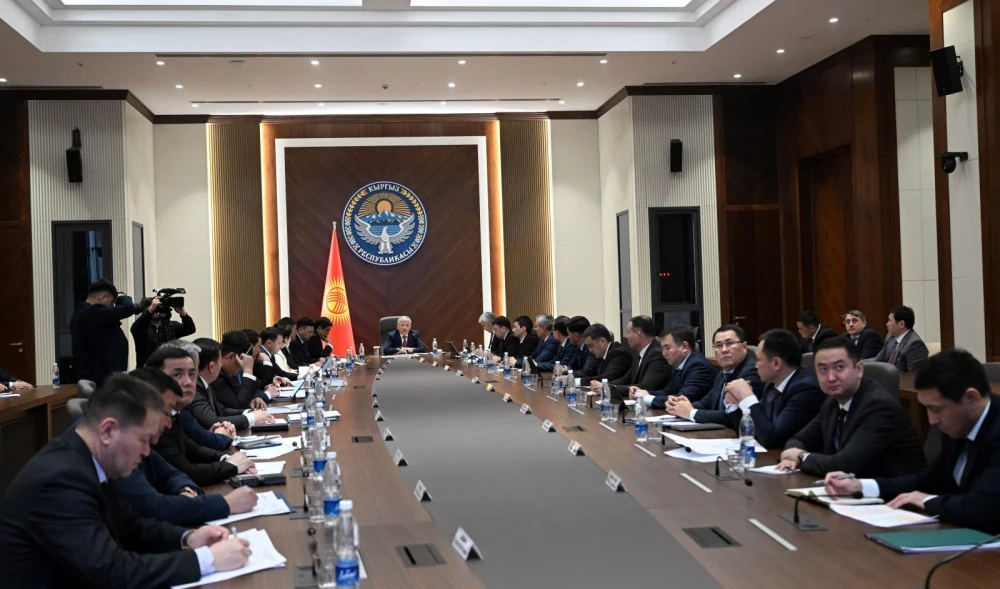
The pilot project for debureaucratization will involve Tokmok, Naryn, as well as the Nookat, Batken, and Tyup districts, and the Jalal-Abad and Talas regions.
As a result of the meeting, instructions were given to the heads of state and local government bodies. The National Institute for Strategic Initiatives under the President will work together with the Ministry of Justice on systematic work with the regions for the further implementation of reforms.