The events related to the attack by IS-K on Chinese citizens in Afghanistan raise many questions about the motivations of this group. According to analysts, one reason may be China's policy in Xinjiang, as well as a desire to undermine Chinese investments in the region, writes Ozodi.
The explosion that occurred on January 19 at the Lanzhou restaurant in Kabul claimed the lives of at least seven people, including a Chinese citizen. The IS-K unit claimed responsibility for this terrorist act, stating that Chinese citizens have been added to their list of targets, citing China's harsh policy in Xinjiang, where over a million Muslim Uyghurs and representatives of other Turkic-speaking peoples are held in camps.
As noted by Afghanistan expert, Professor Michael Semple from Queen's University in Belfast, “jihadists, who see China as an enemy of Muslims, continue to operate even under Taliban rule. This forces China to tighten security measures for its citizens.”
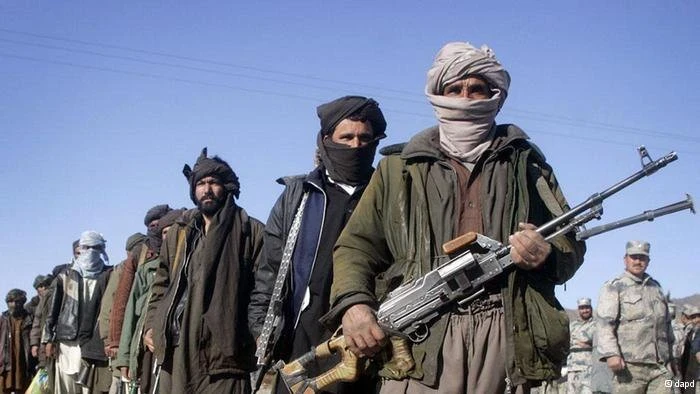
Attacks on Chinese citizens in Afghanistan have occurred before, but the recent terrorist act is part of a broader context of attacks aimed at Chinese interests in neighboring Pakistan and Tajikistan. Experts believe these actions are aimed at reducing China's willingness to invest. Since the Taliban's return to power in 2021, they have faced IS-K, which poses a threat to their control in the country.
Lucas Webber, an analyst from the research group Tech Against Terrorism, claims that “IS-K is trying to instill fear and hinder Chinese companies from investing and extracting resources in Afghanistan, thereby weakening the Taliban.”
CHINESE CITIZENS BETWEEN THE TALIBAN AND IS-K
Given the strict sanctions, China has become a key economic and diplomatic partner of the Taliban since their return to power, although Beijing has not officially recognized the Taliban government.
Chinese citizens, from engineers to restaurant owners, have become symbols of the Taliban's legitimacy and attractive targets for IS-K, which seeks to undermine confidence in the security provided by the Taliban.
According to Michael Semple, by attacking Chinese citizens, IS-K sends a signal to the Taliban about its ability to continue successful operations despite efforts to suppress them.
The recent terrorist act also calls into question the Taliban's assurances that the “Islamic State” no longer poses a threat in Afghanistan.
In April 2024, Taliban spokesman Zabihullah Mujahid stated that IS-K no longer represents a threat, which, according to political analyst Sami Yusufzai, only partially reflects reality. “IS-K has no bases in Afghanistan, which limits their capacity for frequent attacks,” he added.
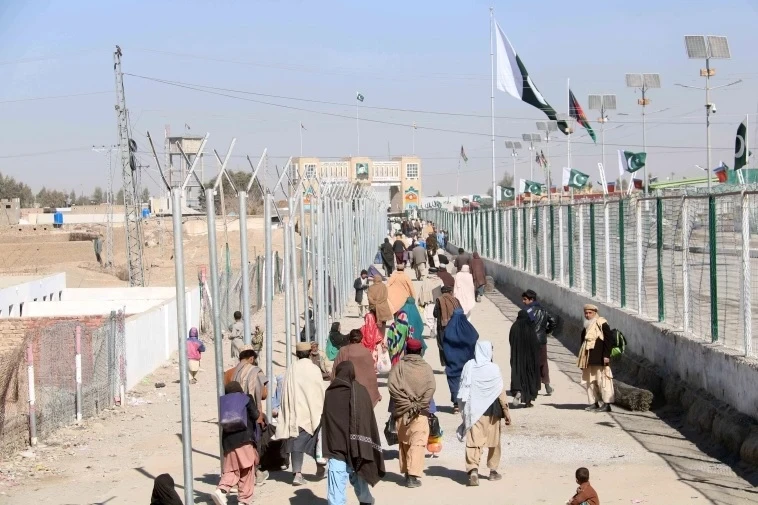
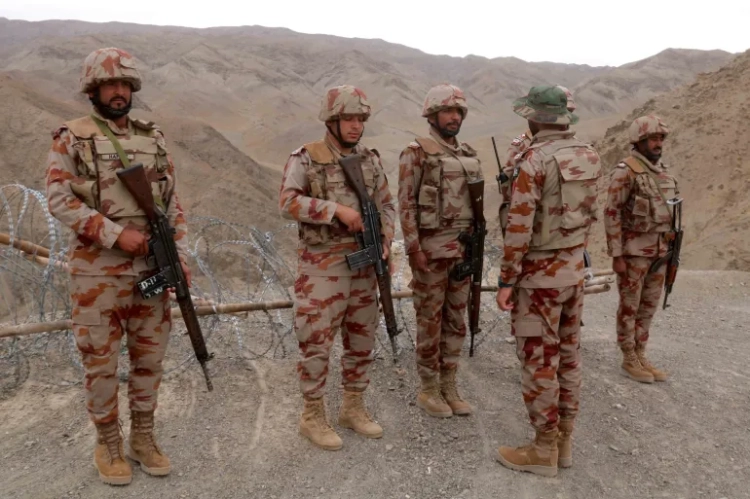
IS-K is also active in Pakistan and Tajikistan, where attacks on Chinese citizens are also taking place. In November, two attacks occurred in Tajikistan, resulting in the deaths of five Chinese workers.
Tajik authorities reported that the attacks were organized from Afghan territory, and the Taliban's foreign minister, Amir Khan Muttaqi, promised to assist Dushanbe in the investigation.
After the attacks, a Taliban representative, speaking on condition of anonymity, stated that the Taliban recently conducted an operation against IS-K militants in the north of the country, near the border with Tajikistan, assuring that this was related to the recent attacks on Chinese workers.
A TARGETED CAMPAIGN AGAINST CHINA
The IS-K group was founded in 2015 when Pakistani militants dissatisfied with the actions of the Taliban united under the leadership of Hafiz Saeed Khan. Subsequently, they began their activities in Afghanistan.
IS-K has already carried out attacks on Chinese citizens, including an explosion in 2022 at a Chinese hotel in Kabul. After the Taliban's return to power, the group intensified its recruitment and propaganda efforts.
According to Webber, prior to the Taliban's return to power, IS-K actively used various media formats to threaten and criticize China, which is linked to the diplomatic relations between the Taliban and Beijing.
He emphasizes that IS-K intends to continue its attacks on Chinese citizens as the rivalry with the Taliban deepens and its regional ambitions grow.
“The group [IS-K] has already made statements about its attacks, and its propaganda unit has warned of possible attacks on Chinese facilities in Central Asia,” Webber reminds. “Cross-border attacks are becoming increasingly likely as insurgents and criminal networks continue to target Chinese citizens.”