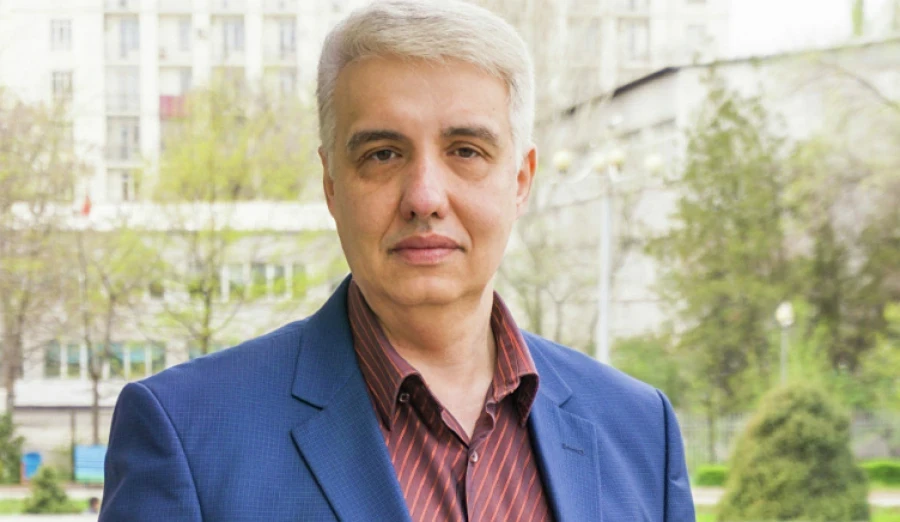
The expert emphasizes the significance of Astana's foreign policy steps not only for the Middle East but also for Central Asia.
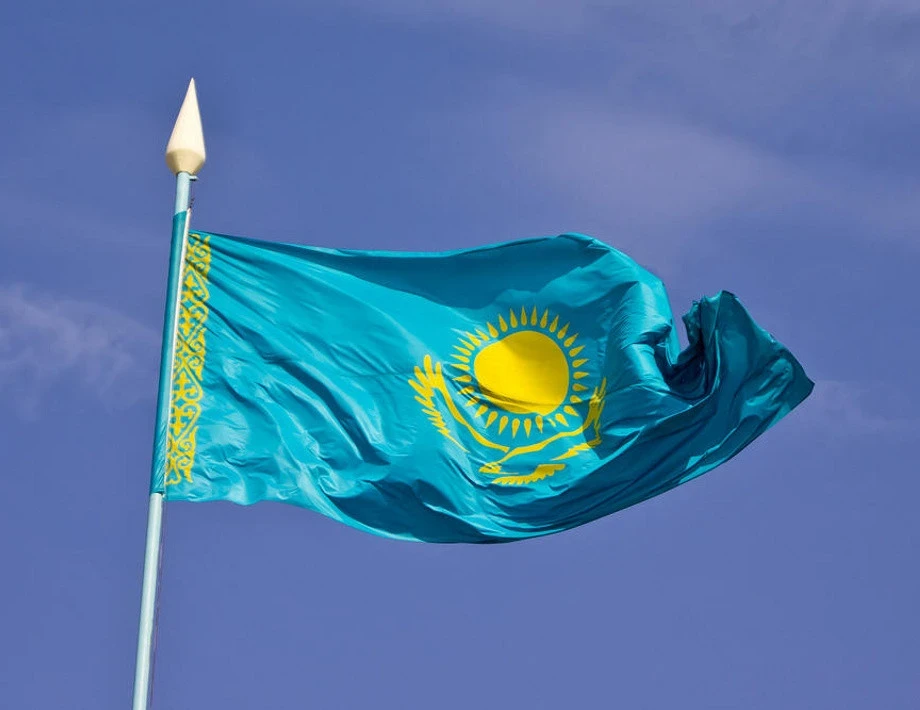
Recent activity by Kazakhstan in international peacekeeping initiatives, especially in the Middle East, has become an important signal for the entire region. In the context of ongoing crises and the diminishing influence of traditional international organizations, Astana is demonstrating its readiness to create new platforms for dialogue that go beyond conventional diplomacy.
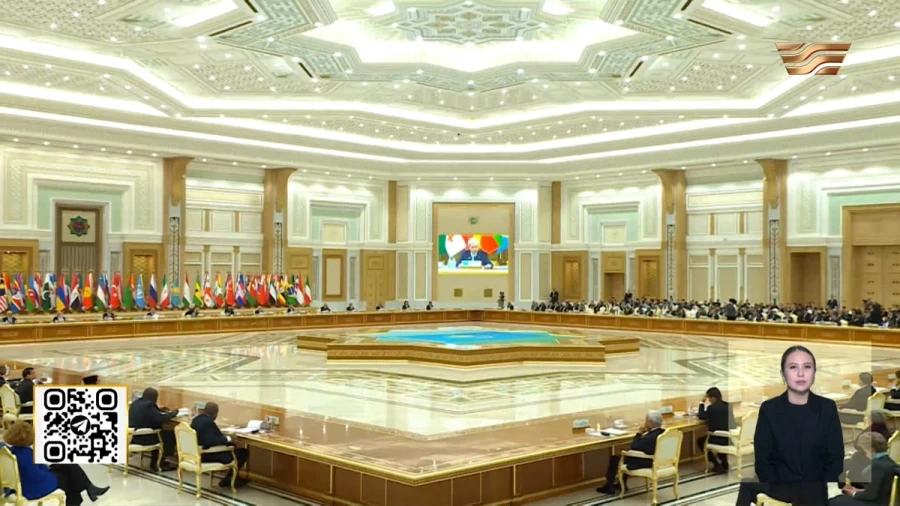
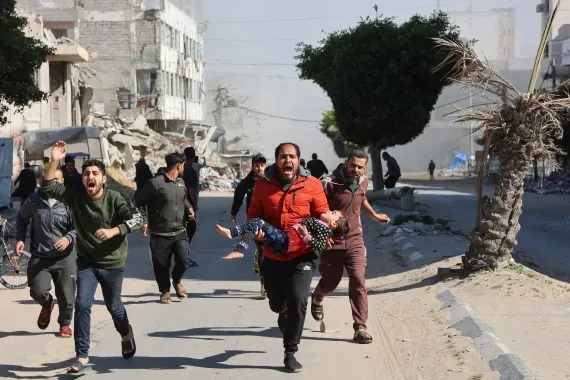
Key steps have included Kazakhstan's joining the Abraham Accords and participating in the Council for Peace — an initiative aimed at stabilizing the situation in the Gaza Strip and the Middle East as a whole. These actions are attracting interest not only from world powers but also from Central Asian countries, for which Kazakhstan's course is becoming an important reference point.
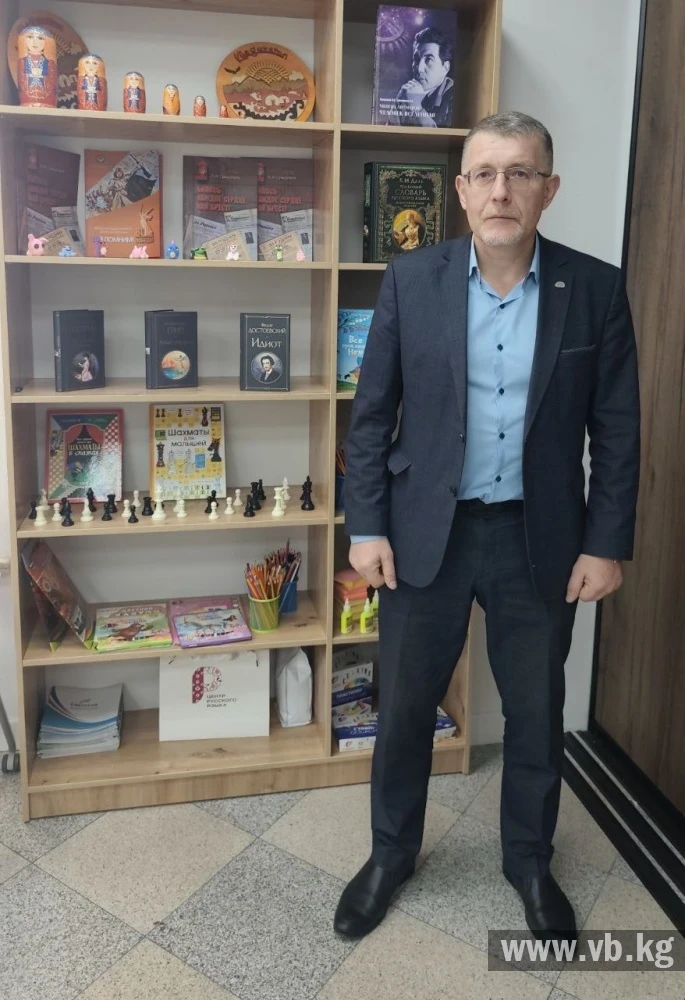
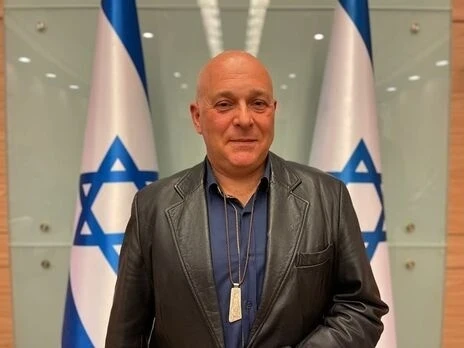
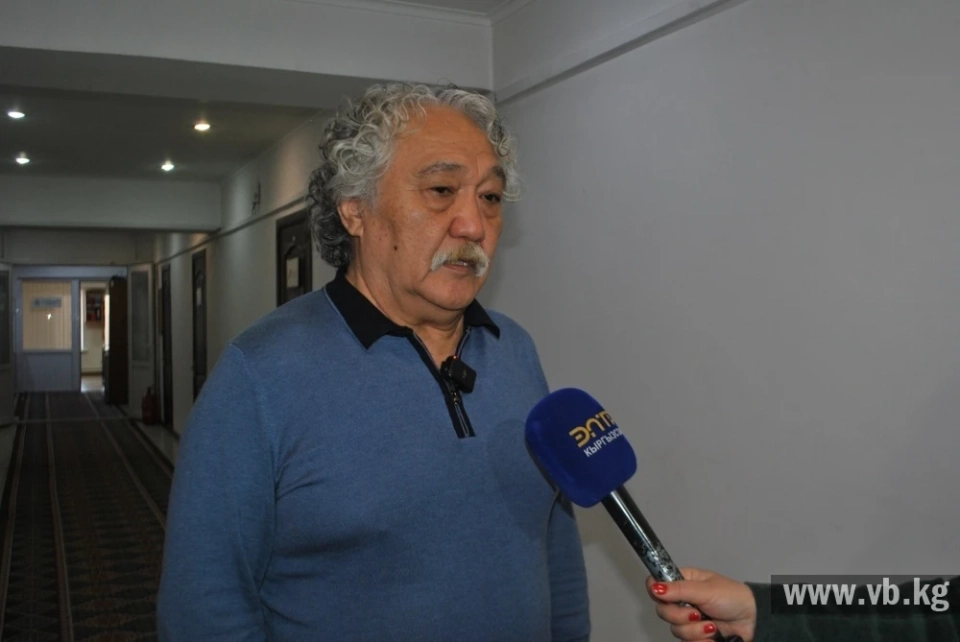
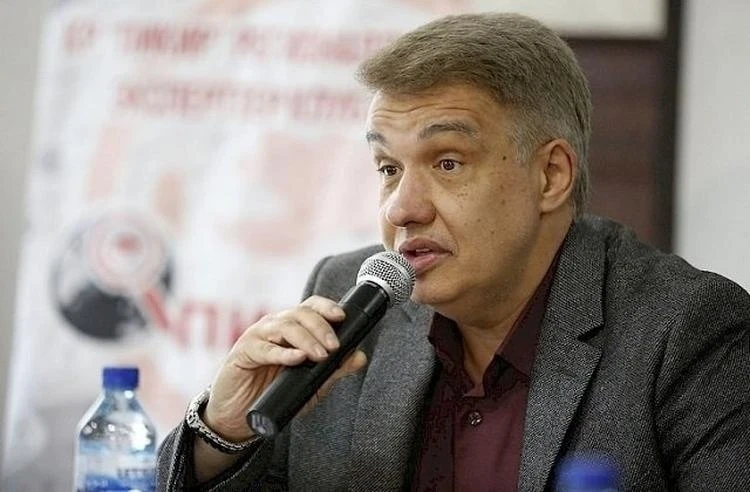
Political scientist Igor Shestakov, in a comment for Vesti.kg, noted that Kazakhstan became the first among post-Soviet countries to join the Abraham Accords, which analysts view as an important element of the future peace arrangement in the Middle East. In his opinion, this underscores the independence and multi-vector nature of Astana's foreign policy.
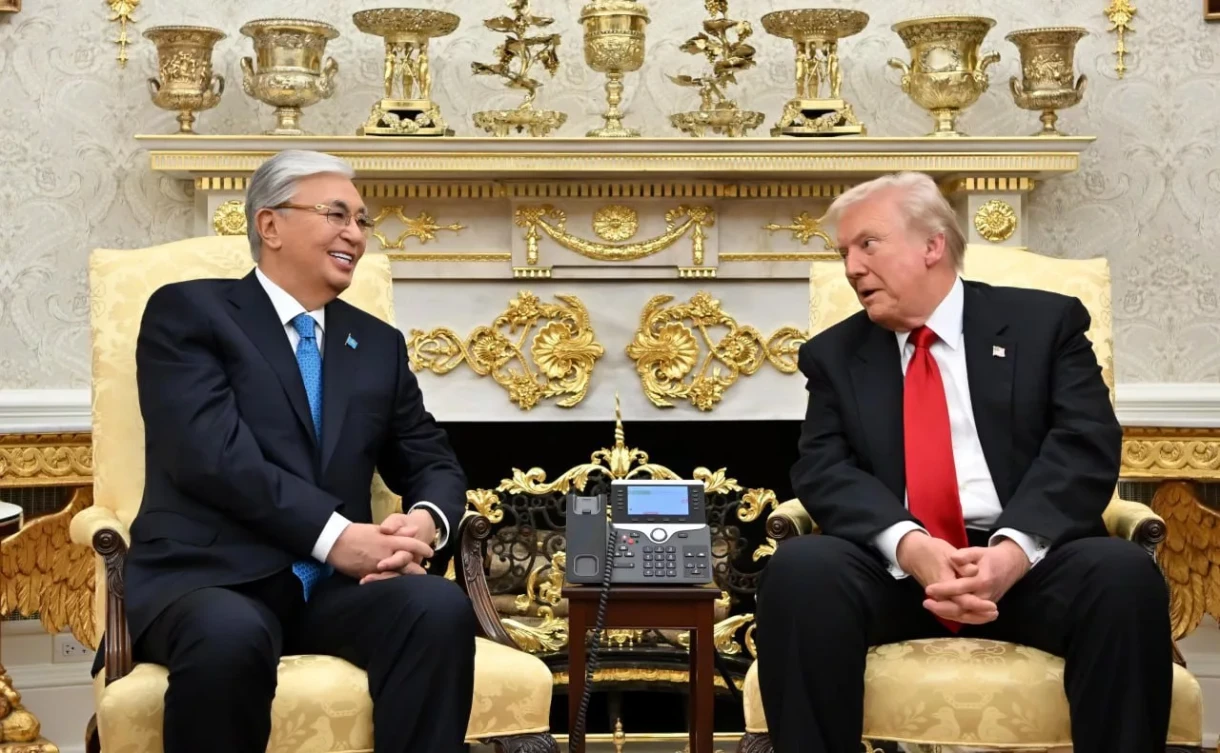
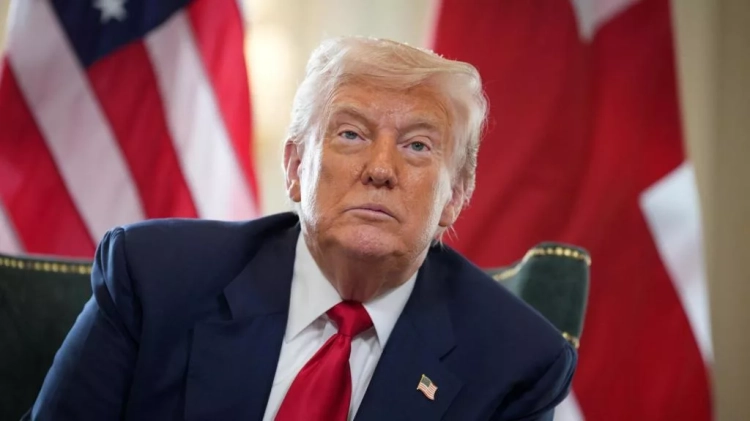
Kazakhstan's participation in the Council for Peace, created with the support of former U.S. President Donald Trump, also holds significant importance. Shestakov believes that this mechanism is not only intended to respond to the crisis in Gaza but also serves as a broader platform for developing a new international agenda focused on practical conflict resolution.
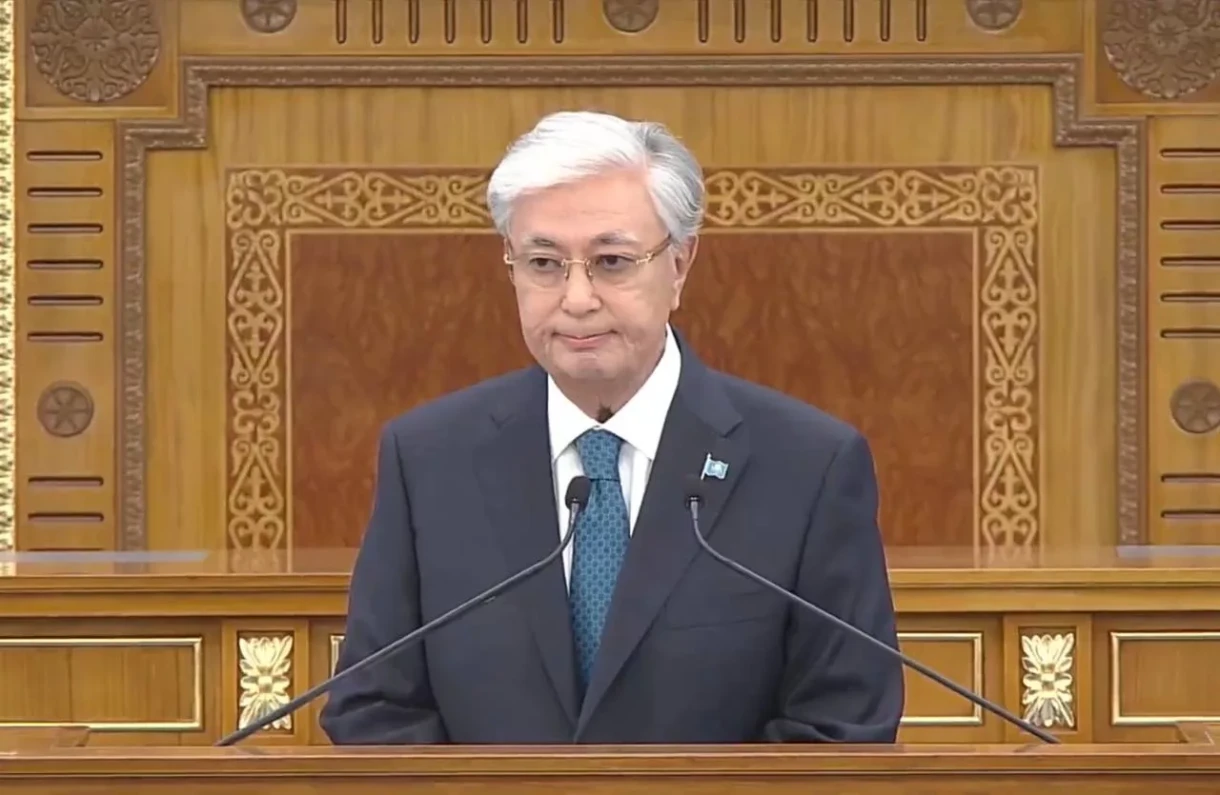
Kazakhstan's President Kassym-Jomart Tokayev possesses unique diplomatic experience, making him a leader with a rare background in key international directions within the post-Soviet space. This factor, according to Shestakov, explains Astana's measured steps in such a tense region as the Middle East.
Kazakhstan also has significant peacekeeping experience, as its contingents have participated in UN missions in various Middle Eastern countries in recent years, including Syria and Libya. This creates a reputation for Astana as a country capable of not only initiating dialogue but also participating in its practical implementation.
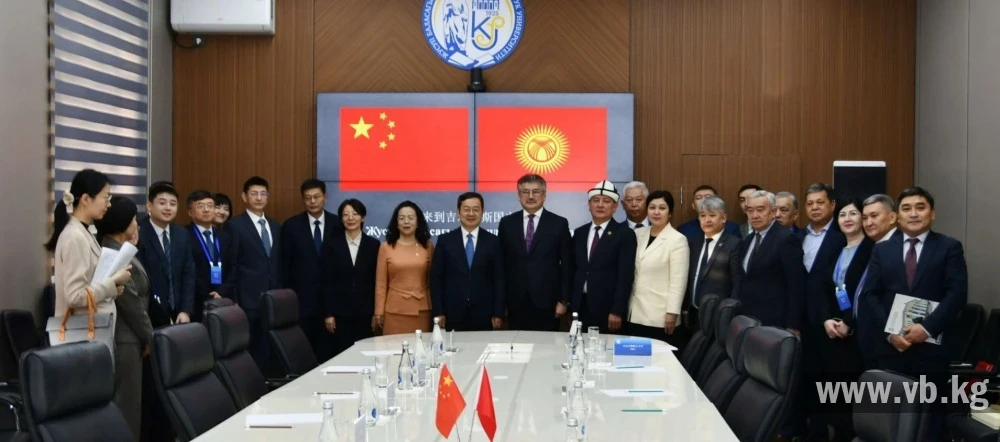
For Kyrgyzstan and other Central Asian countries, the importance of what is happening is evident. The region is actively developing economic and political ties with the Middle East, including investments, infrastructure projects, and security issues. Kazakhstan's participation in new international formats could serve as a foundation for interaction that other countries in the region could adopt.
Furthermore, Igor Shestakov asserts that Astana's active foreign policy actions highlight the need for reforming the UN, as indicated by President Tokayev's position. Recent crises have shown that the decisions of the international organization often remain declarative and do not reduce tensions in conflict situations.
Thus, Kazakhstan, in the expert's opinion, does not seek to replace existing institutions but aims to complement them with more flexible and practical approaches. For Central Asia, including Kyrgyzstan, such an approach is particularly relevant in the context of an unstable international situation and increasing regional risks.
Photo www