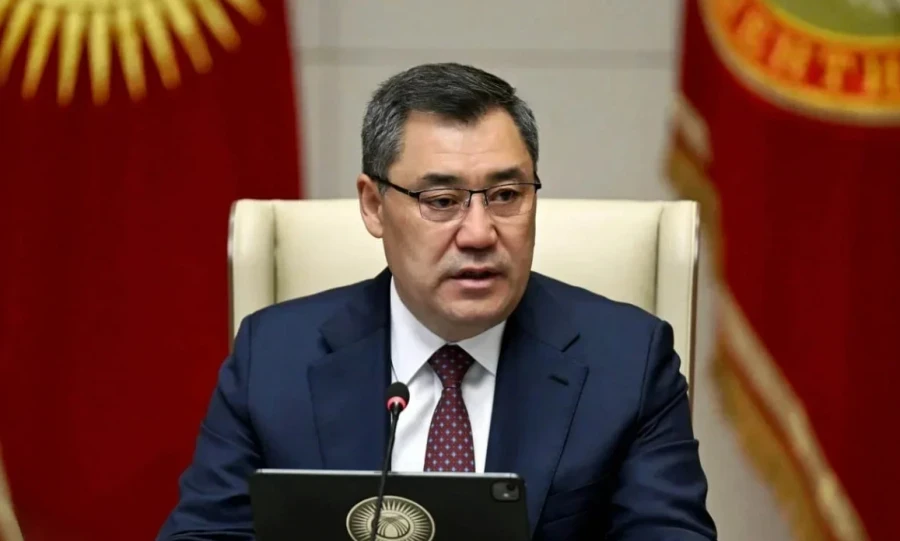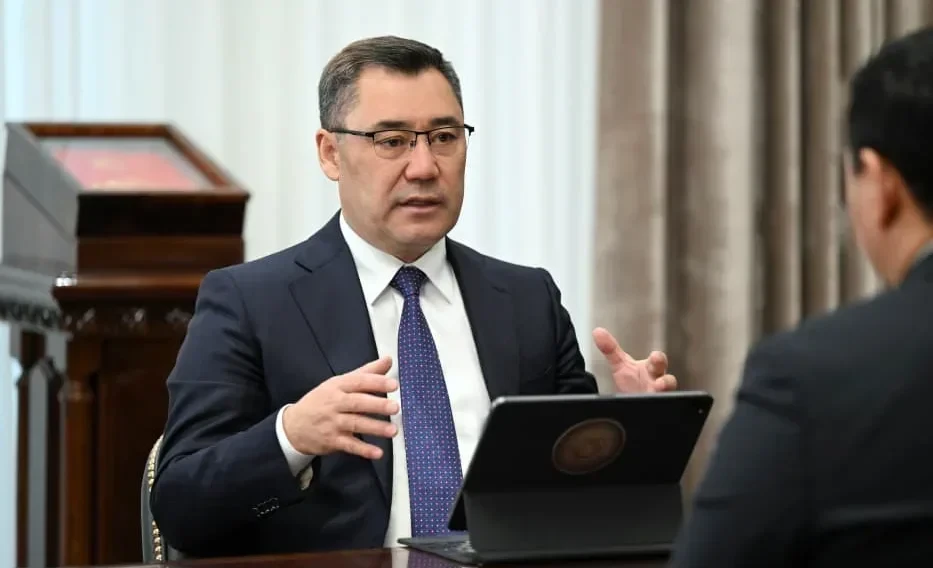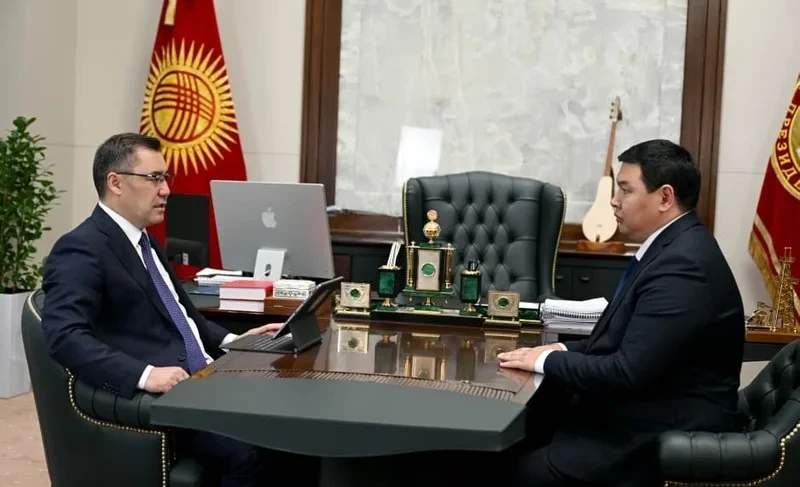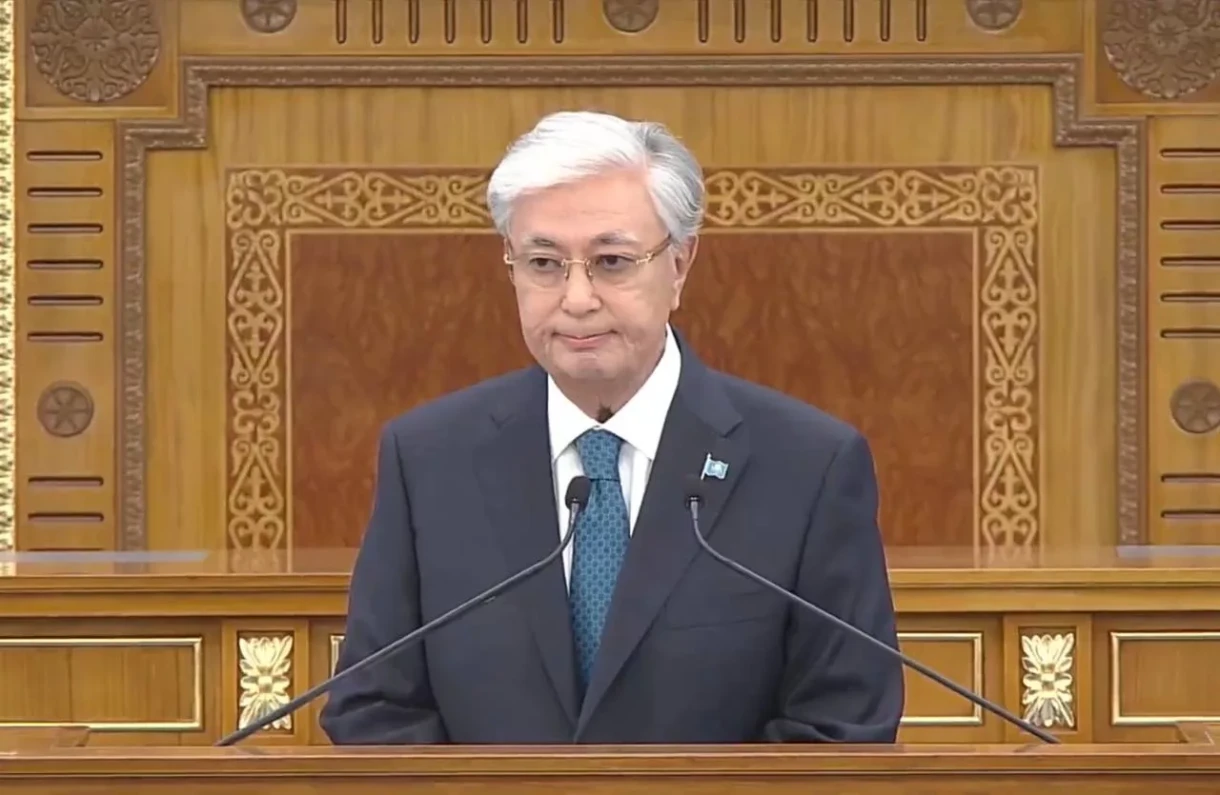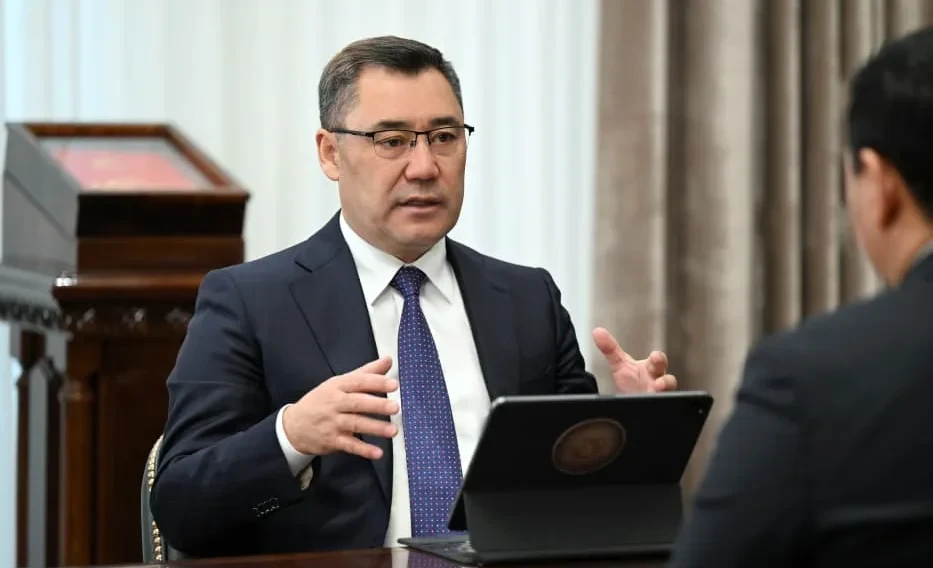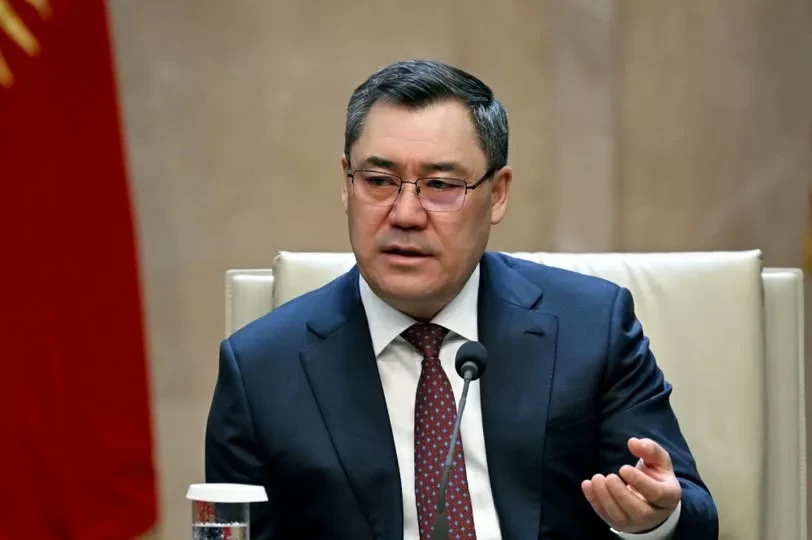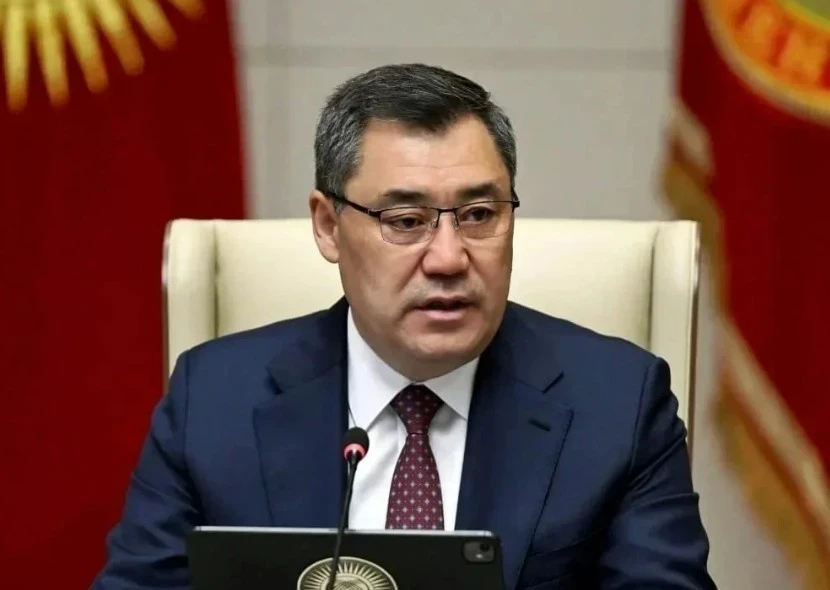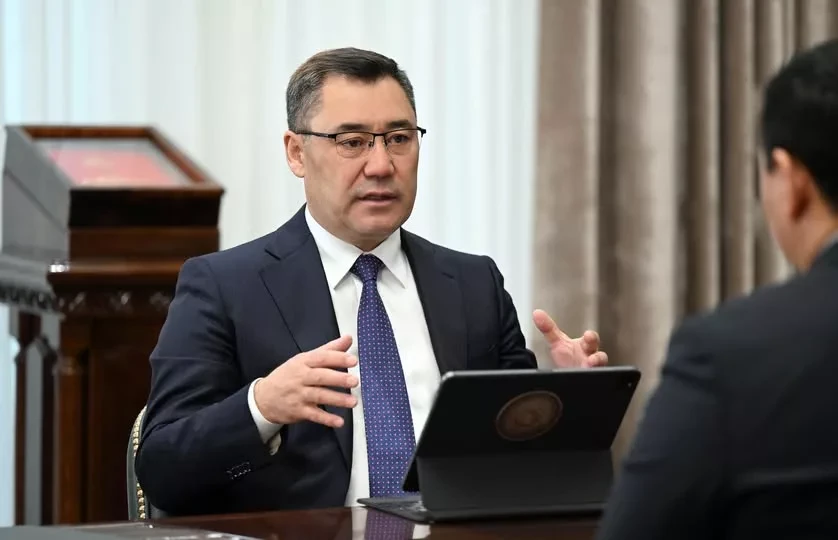
Sadyr Japarov, the President of Kyrgyzstan, revealed details about upcoming reforms in the law enforcement agencies in an interview with the Kabar news agency.
— Hello, Sadyr Nurgozhoevich. We would like to discuss the significance of the GKNB as a state body.
Previously, both under the old leadership and among the population during the Soviet era, many did not have a clear understanding of the KGB employees. Recently, the GKNB has faced criticism: employees show their IDs in inappropriate places, which undermines the reputation of the "chekists." Are you aware of such public opinions?
— Yes, I am aware of such opinions. I have repeatedly told my friend: "Increase the authority of the GKNB. It should be the same as that of the KGB of the USSR. Otherwise, some, posing as GKNB employees, show their IDs even in questionable places. We must eliminate such situations." I have raised this issue many times.
— We observe the detention of individual GKNB employees on suspicion of offenses. Is this related to their broad powers? After all, the special service has intervened in various spheres, including construction and the meat market, as well as in the fight against prostitution.
— On the same day that the video about the "fight against prostitution" appeared, I called and said: "Pass this to the Ministry of Internal Affairs — this is their area. Do not lower the level of the GKNB."
As for corruption cases, investigative actions are currently being conducted on them. However, I cannot disclose the details.
— You recently removed the Border Service and the Security Service from the GKNB. Tell us more about the upcoming reform. What areas will the agency focus on? Will the fight against economic crimes and corruption continue?
— The reform of the law enforcement agencies is planned for the near future. I intended to start it earlier, but various circumstances delayed this process. Now, I hope we will soon begin implementation.
The GKNB will focus solely on its core tasks: intelligence, counterintelligence, protection of constitutional order, combating terrorism, extremism, banditry, drug crime, and other threats to national security.
Investigative powers will remain with them in these areas, but they will not interfere in economic matters. No one should know exactly what the GKNB is doing and who its employees are.
After the reform, the GKNB will become a real special service, like the former KGB.
The Ministry of Internal Affairs will also focus only on its functional responsibilities, retaining investigative powers.
A clear list of powers will be developed and enshrined in law.
The creation of a new Investigative Committee implies the transfer of all investigative functions to it. The General and Military Prosecutors will oversee legality.
Why are we creating the Investigative Committee? We must think about the future and the stability of the system.
What is the current situation?
In the GKNB and the Ministry of Internal Affairs, there are units engaged in operational-search activities and investigators, but they are managed by one minister.
Suppose an operative is handling a case incorrectly — for example, someone is being "framed." The investigator may refuse to accept such a case, considering it unfounded. But the minister can intervene and order the initiation of a criminal case, and the investigator will be forced to comply.
It is sad, but cases of injustice still occur.
The Investigative Committee will report directly to the president. It will be able to reject unfounded materials from operatives or the minister and not initiate cases.
Thus, citizens who become victims of injustice will not be detained without grounds but will be released. This will help protect human rights — if not 100%, then 95%. This will ensure safety for future generations.
The same principle will apply to economic cases: if a crime has indeed been committed — there will be punishment; if the case is fabricated — the person will be released. Two independent bodies, not subordinate to each other, will be able to make more balanced decisions.
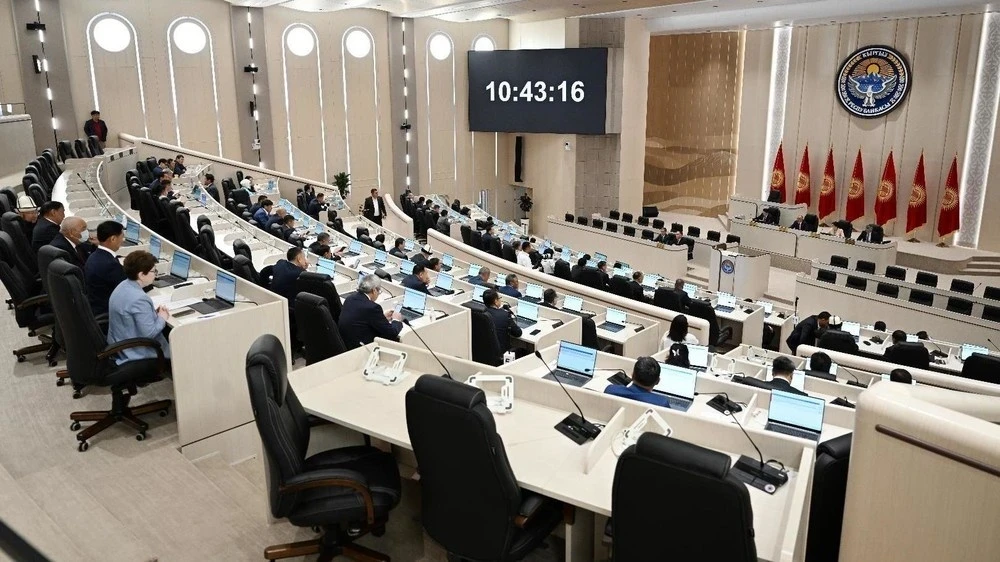
These transformations are a matter for the future. We will prepare the necessary buildings and technical infrastructure. A decree will be issued, and relevant bills will be submitted to the Jogorku Kenesh, and after discussion and adoption, organizational work will begin.
This year we will host the SCO summit and the World Nomad Games, so the implementation of the reform will begin next year.