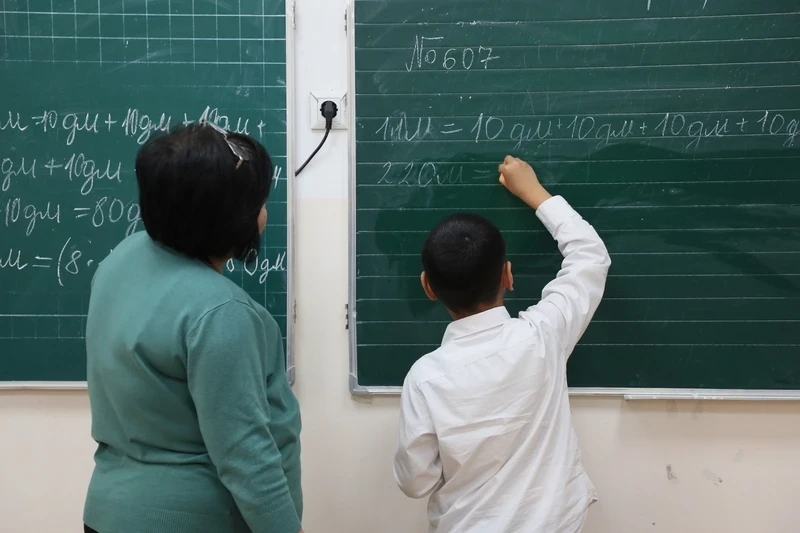
The modern education system must provide students with the necessary knowledge and skills to meet international standards and be competitive. An important aspect is the transition to a 12-year education model, as well as a comprehensive update of the infrastructure and technical base of educational institutions.
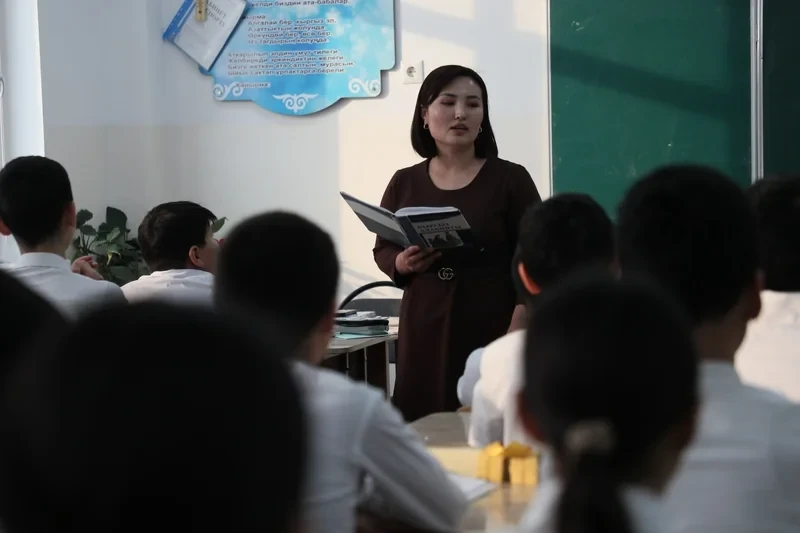
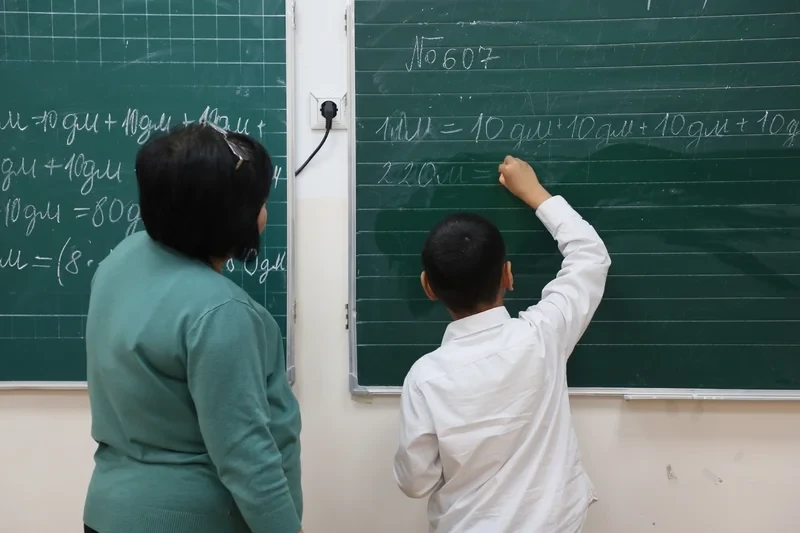
To enhance the global competitiveness of the new generation in Kyrgyzstan, measures have been initiated to implement the 12-year education model, provide new type textbooks, and implement programs aimed at developing 21st-century skills.
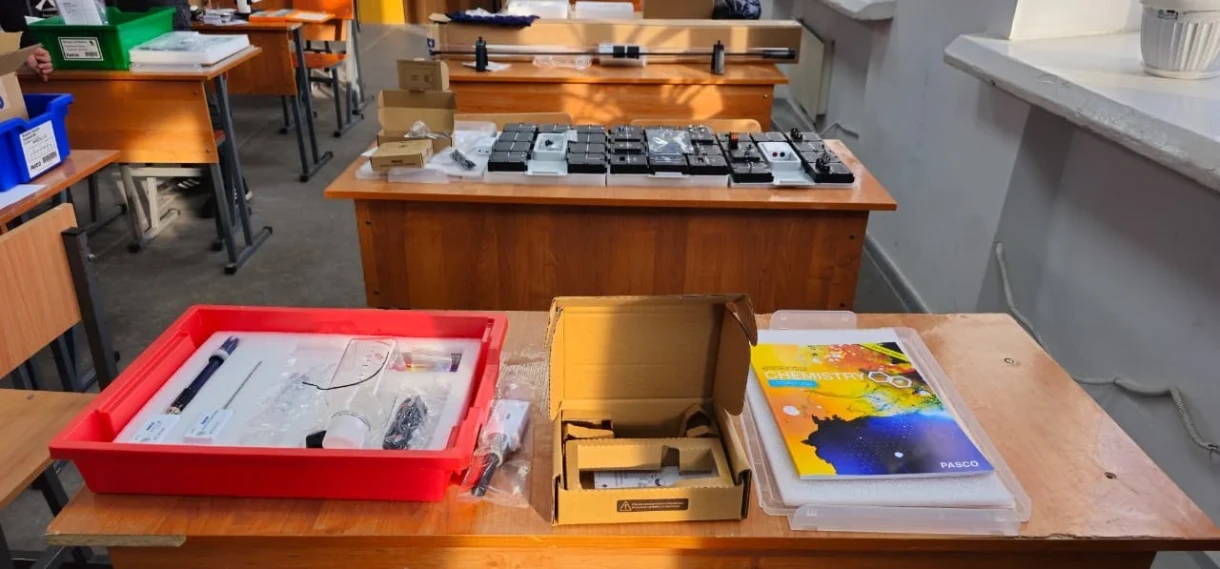
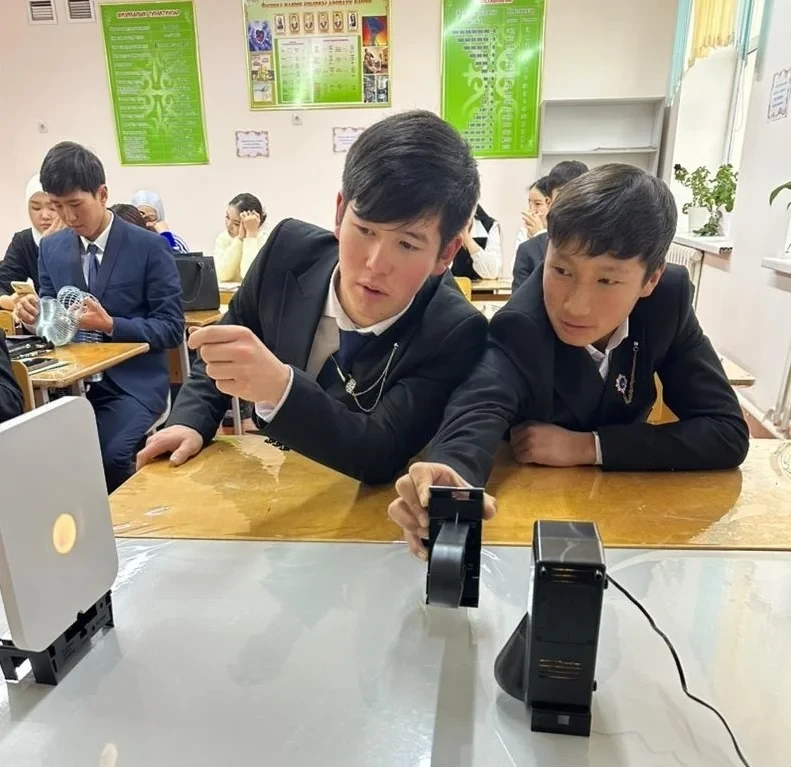
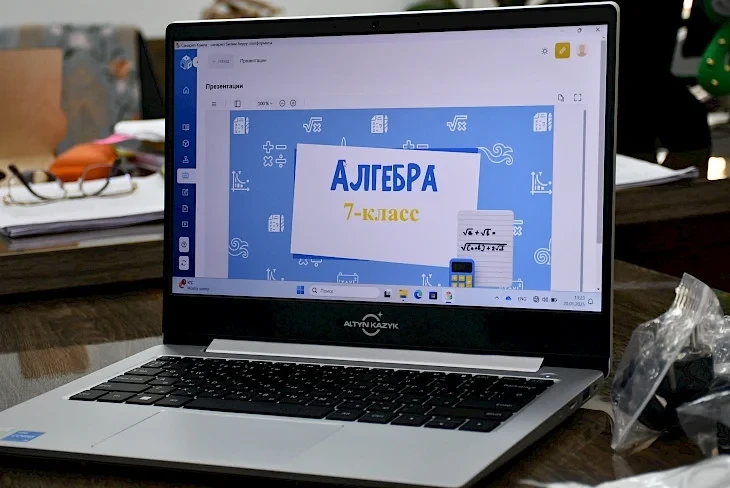
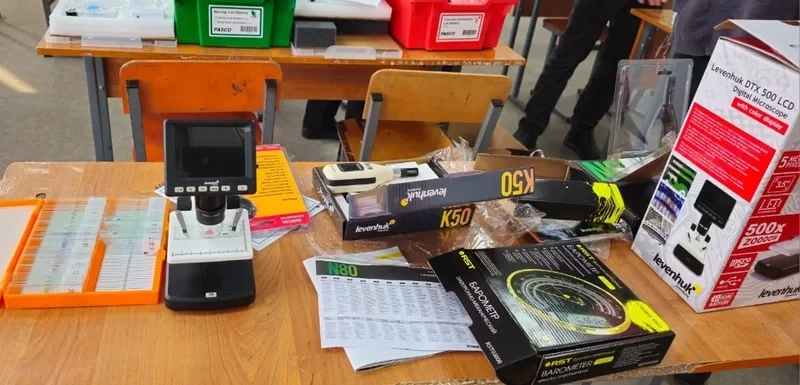
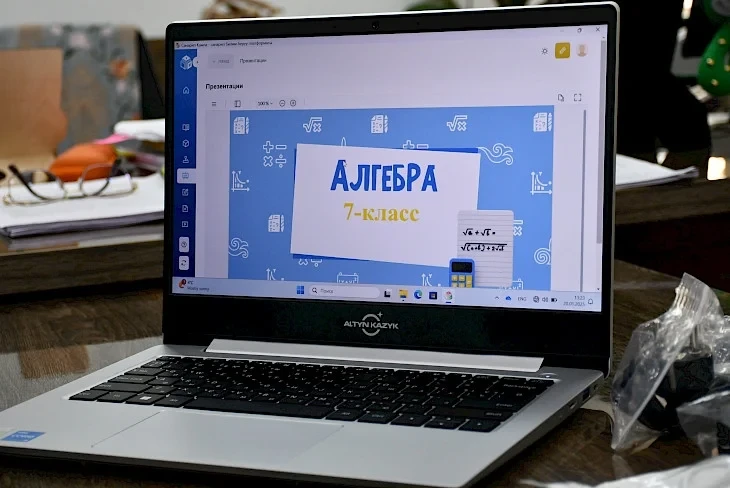
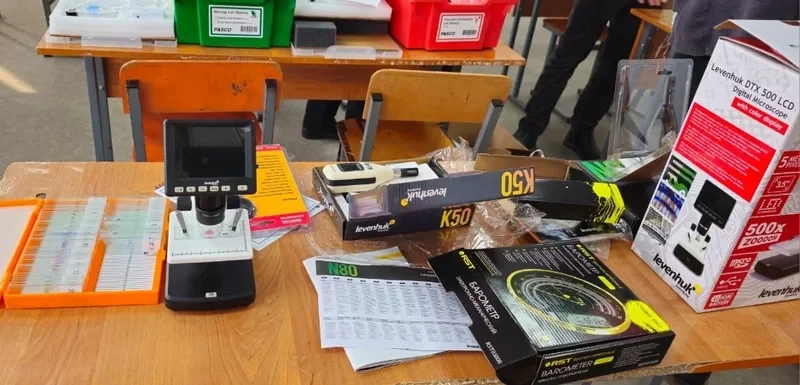
The laboratories are equipped with a variety of equipment that allows for a wide range of educational tasks. In 220 cluster schools, 5,500 sets of laboratory equipment, 220 interactive panels, and the same number of laptops have been installed.
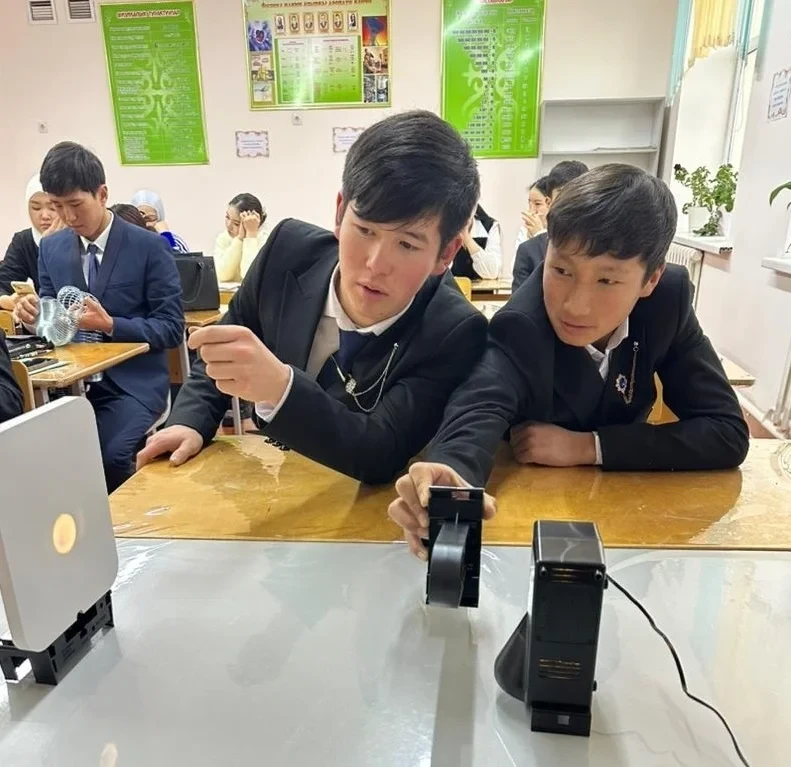
These sets are intended for conducting research, studying the laws of mechanics, electricity, optics, chemical reactions, and biological processes. The equipment allows for precise measurements and analysis of experimental data, fostering students' skills in scientific research and working with modern measurement technologies.
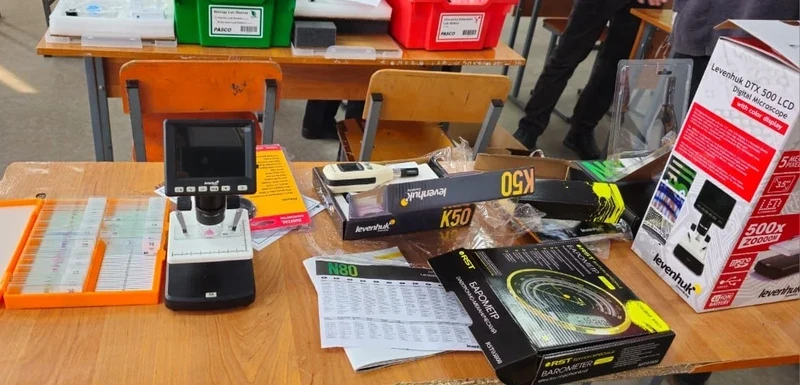
The use of this equipment contributes to the development of students' knowledge in subjects, practical skills, digital literacy, and research thinking, as well as improving the quality of teaching natural sciences.
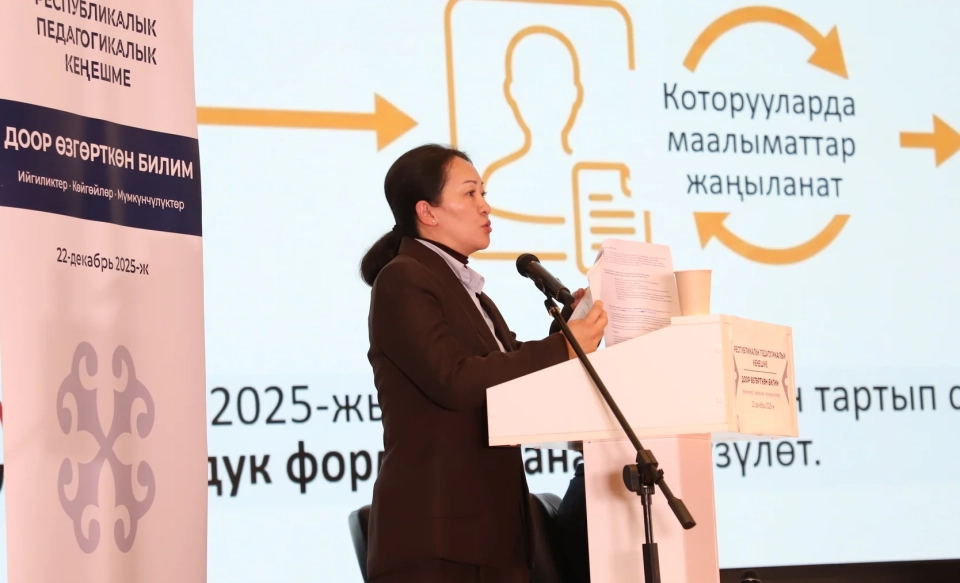
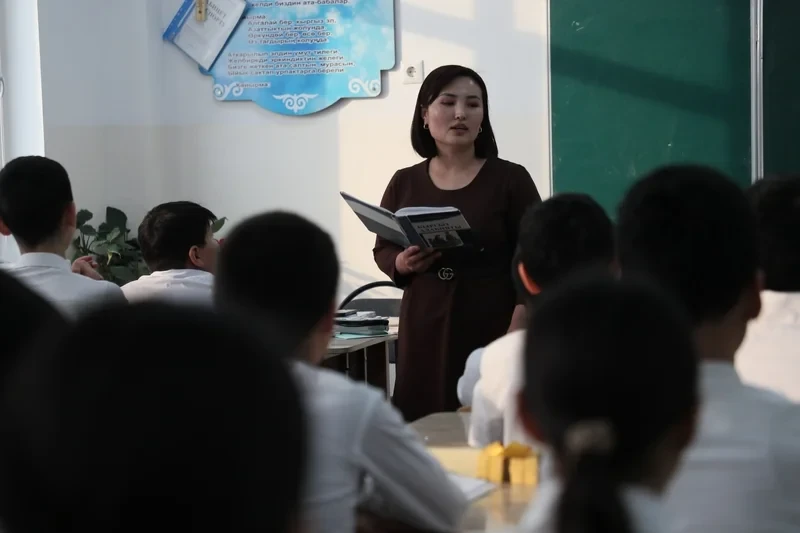
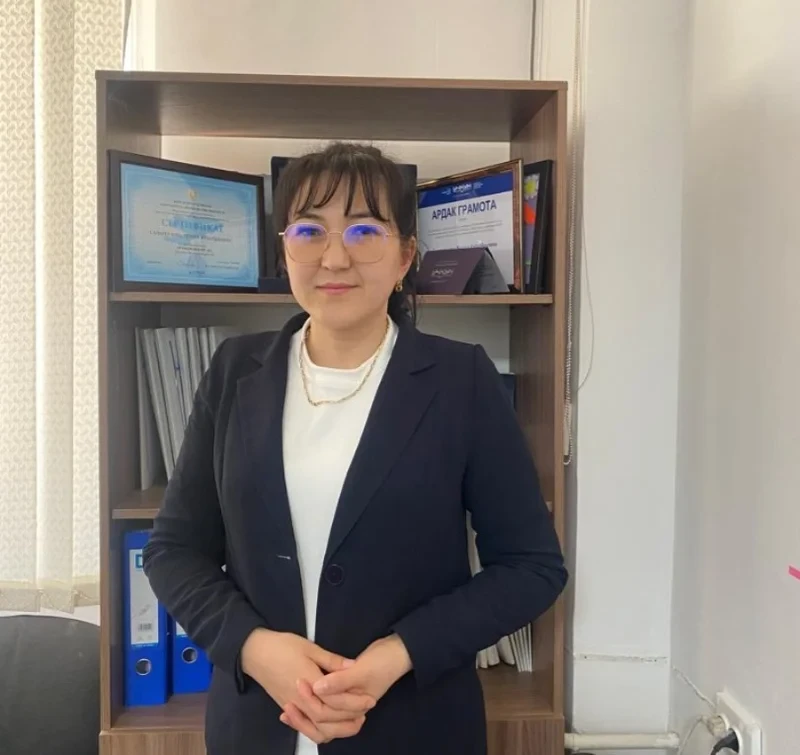
Training events have been organized for the teaching staff on the effective use of educational laboratory equipment and information and communication technologies in education.
In addition, as part of the "Education for a New Generation (Next Generation Education – 2025)" project, training sessions were held for 800 English language teachers and 400 STEM teachers across the country, aimed at enhancing their professional level and developing the necessary skills for modern education.
With the transition to the 12-year education model, the Ministry of Education is actively working on selecting authors and developers to create new textbooks.

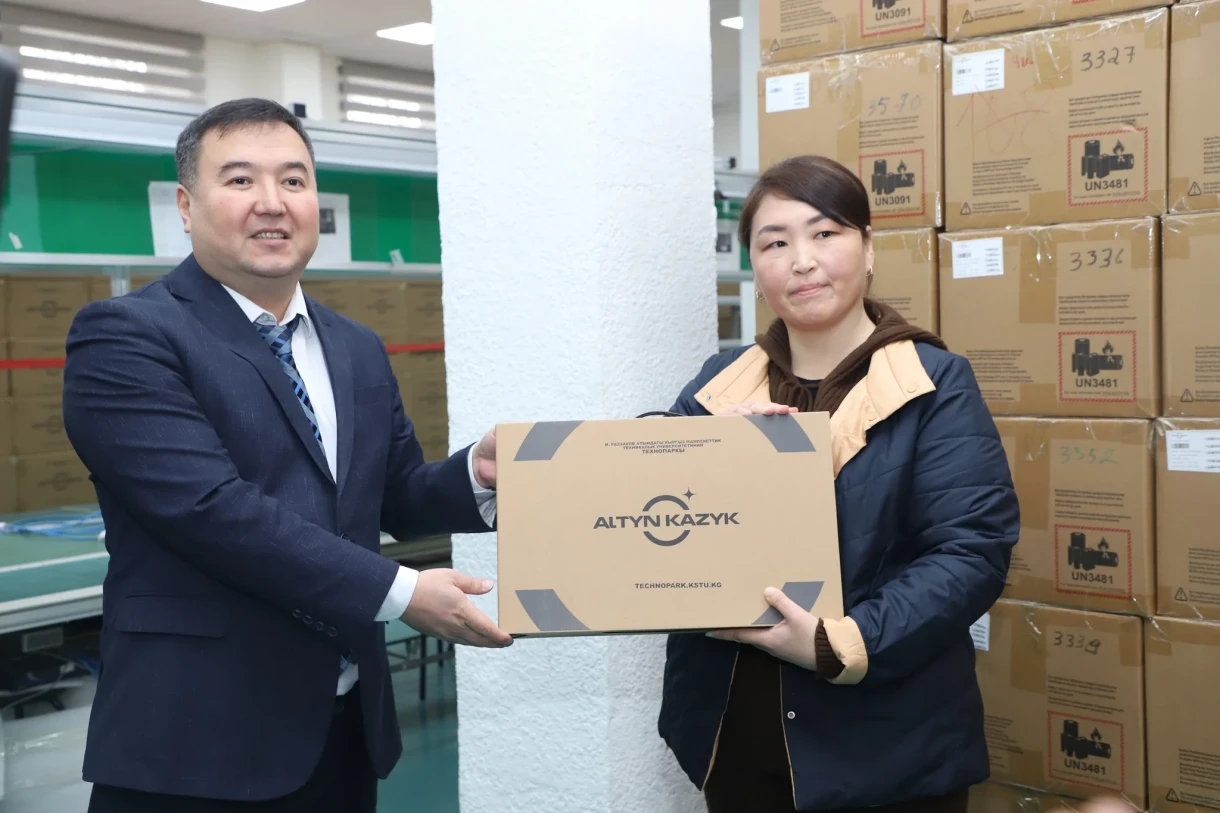
In subsequent deliveries, laptops are planned to be provided to teachers of the subjects "History", "Geography", and "Kyrgyz Language".
The problem of lack of school facilities is addressed annually: new educational buildings are constructed depending on the growth in the number of students, and some schools receive additional extensions.
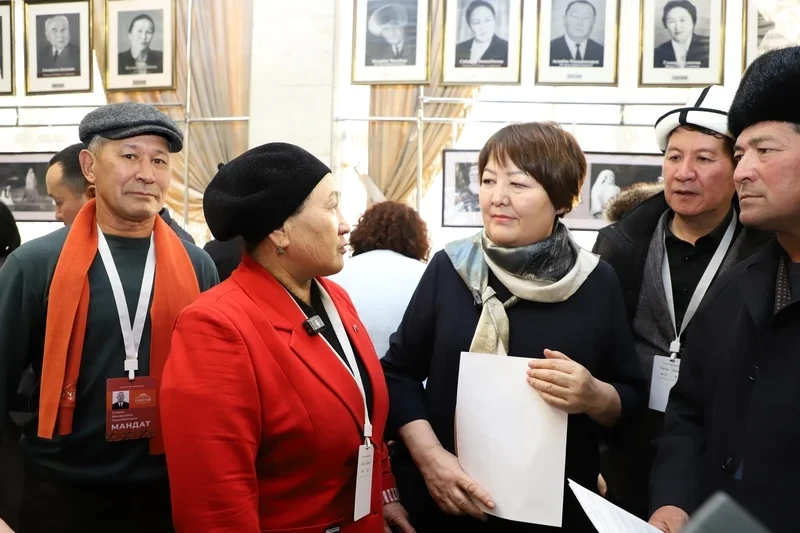
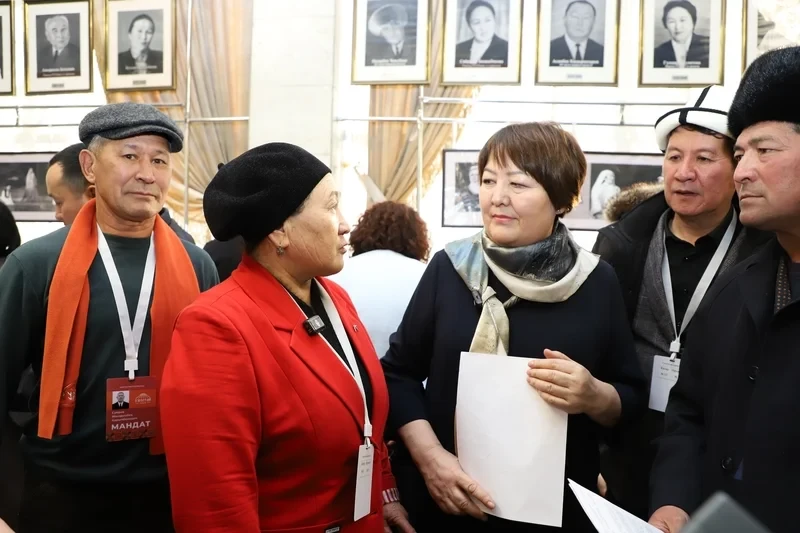
At the second People's Kurultai in 2023, the Ministry of Education received 412 appeals, of which 332, or 81.6%, concerned issues related to school construction. The remaining appeals were related to teachers' salaries, textbooks, and other pressing issues, as reported to the Kabar agency by the chief specialist of the Budget, Policy, and Financial Analysis Department of the Ministry of Education, Venera Saparkulova.
- 20 schools — funded by the state budget;
- 12 schools — with funds from the Saudi Development Fund;
- 1 school — with support from Russia;
- 3 schools — funded by the local budget.
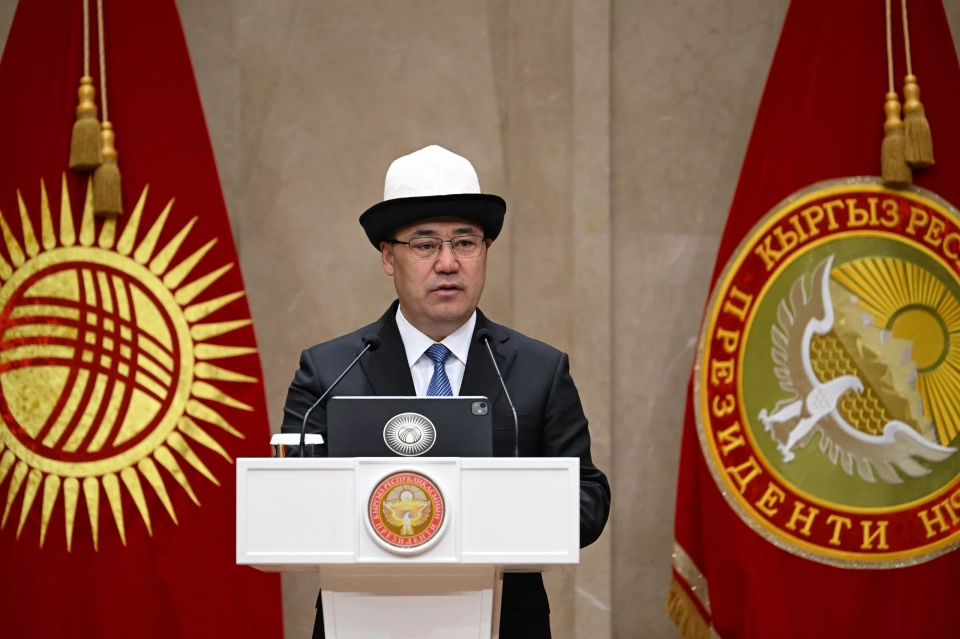
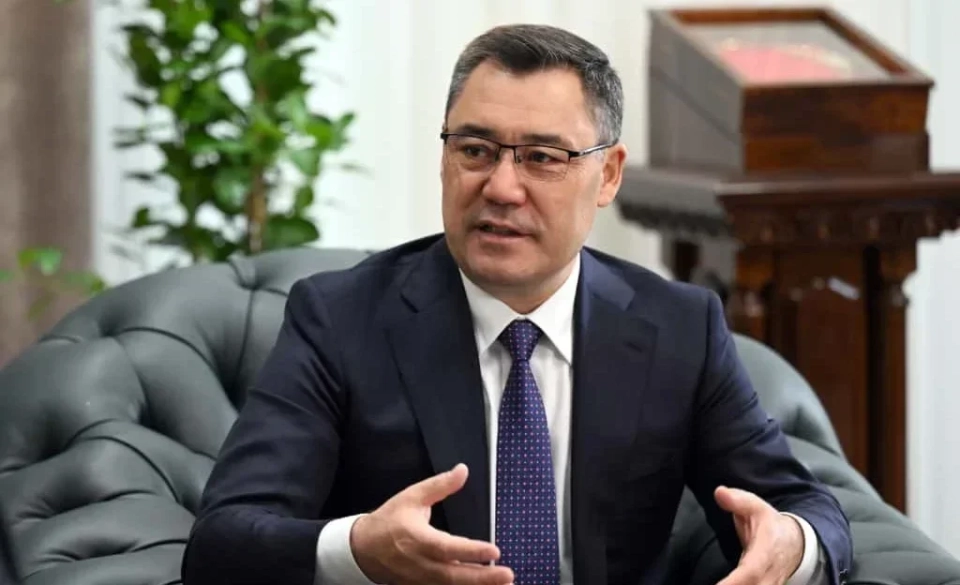
President Sadyr Japarov announced at the IV People's Kurultai that starting from April 1, teachers' salaries will be increased by an average of 100%, amounting to about 52,000 soms.