


In the context of the rapid development of the digital economy, training personnel has become a key issue that goes beyond traditional education. For countries with developing IT sectors, such as Kyrgyzstan, this requires the creation of a comprehensive model for the development of human capital, covering stages from school education to entering the labor market.
In this context, Yandex Kyrgyzstan is initiating educational projects, focusing on a programming school. Maria Timofeeva, head of the company's international social projects, noted that educational initiatives have become the foundation of the company's entire social strategy.
According to her, for Yandex, the development of IT education not only forms a talent pool for its ecosystem but also contributes to the overall market.
“When it comes to IT education, we do not limit ourselves to training specialists only for ourselves. We believe that this contributes to the development of both business and the state,” she added.
This approach confirms that a competitive digital environment requires a sufficient number of qualified specialists. The more personnel in the IT sector, the higher the quality of products and services offered in both the private and public sectors.
Programming as the foundation of the ecosystem
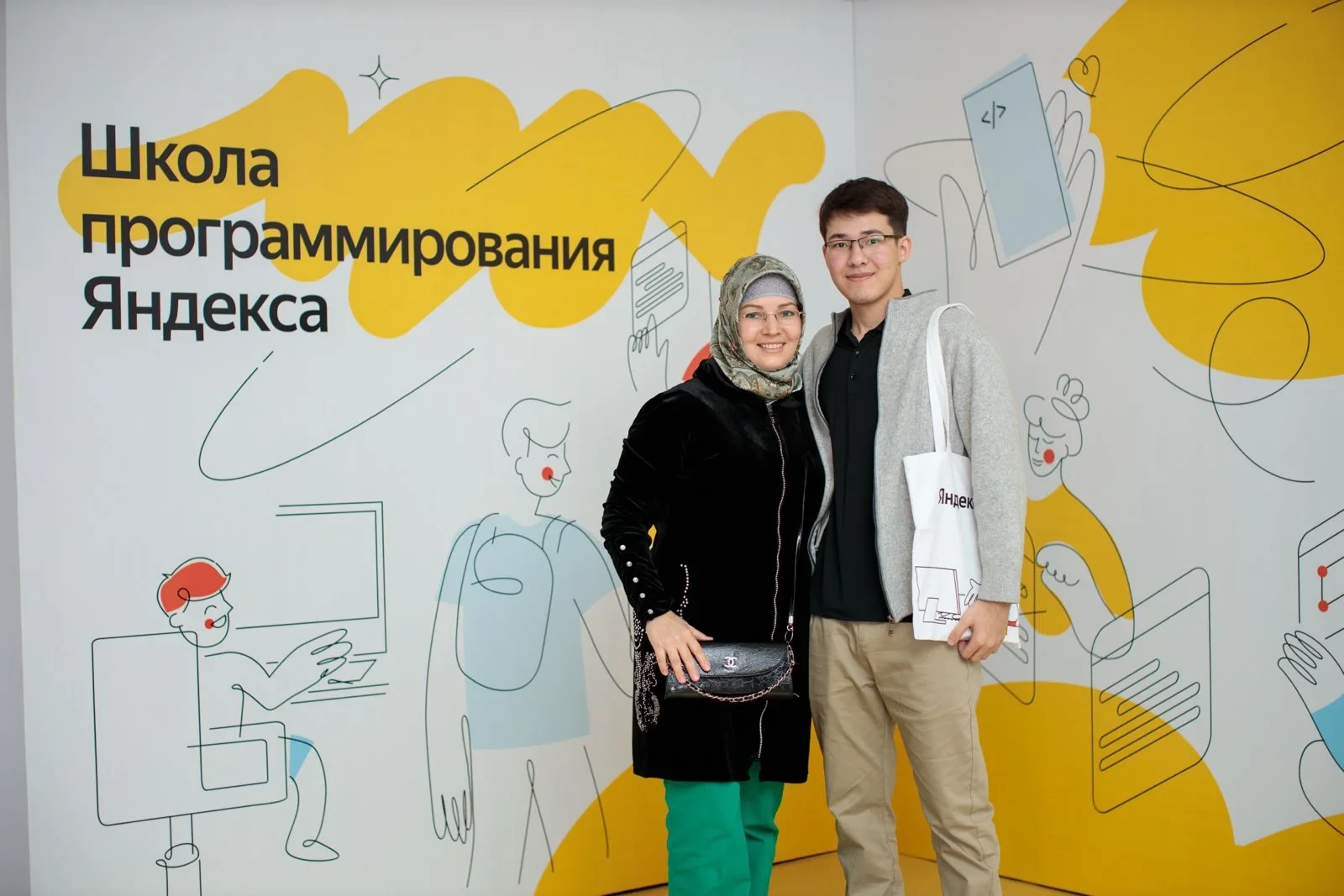
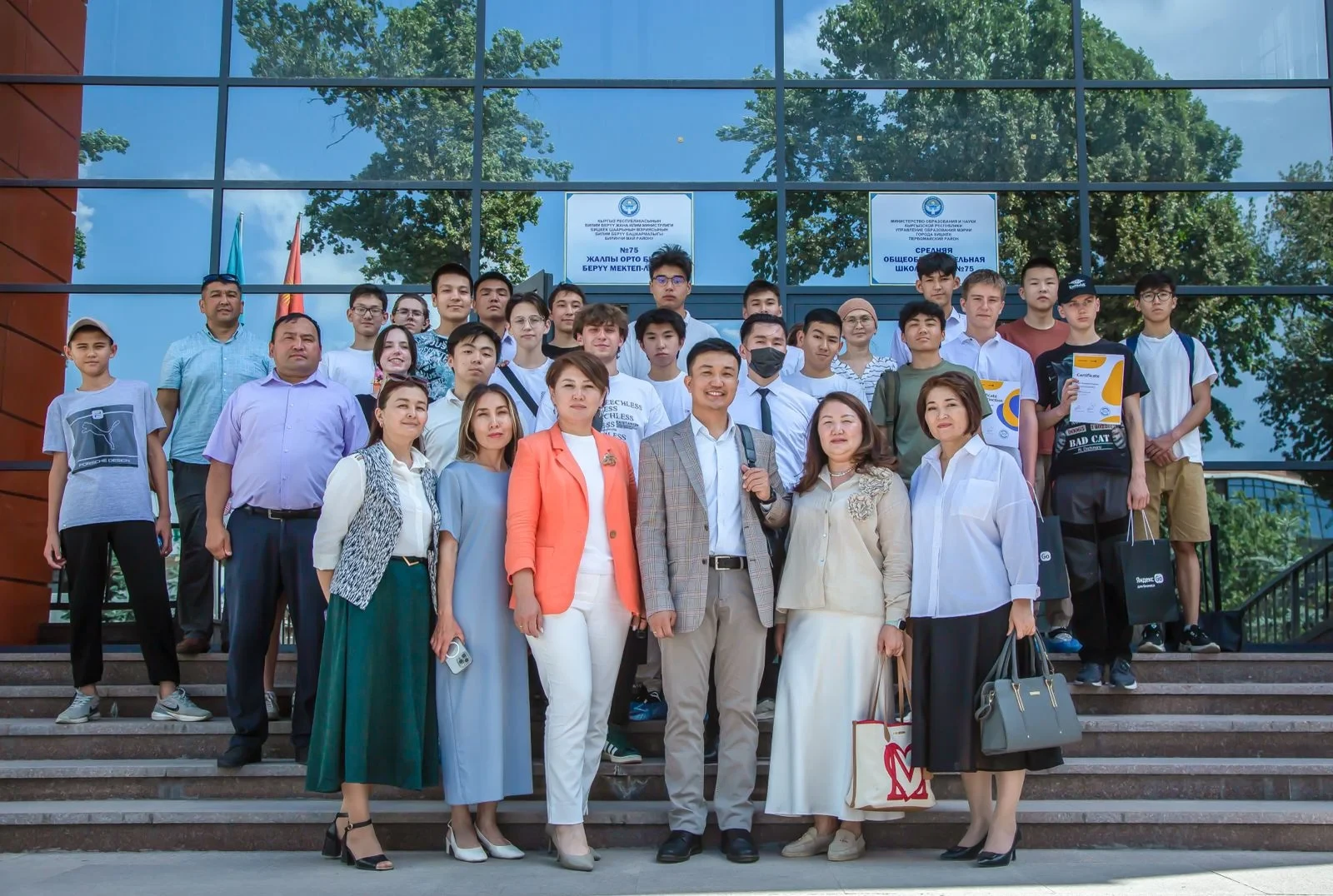
The programming school, which is a practical embodiment of this concept, offers a free program for schoolchildren focused on in-depth study of Python and the development of algorithmic thinking. Initially, the project was implemented in an offline format based at partner lyceums and gymnasiums.In the 2023–2024 academic year, over 100 students completed the school, with strict selection criteria: good knowledge of mathematics and high motivation were required.
“Classes are held twice a week throughout the academic year. This is a serious workload that complements school education,” noted Maria Timofeeva.
This model of education not only introduces teenagers to programming but also lays the groundwork for their future professional path – admission to technical universities, participation in Olympiads, and first practical projects.
One of the features of the school is its practical orientation. According to Timofeeva, students can already take freelance orders and earn money by mastering Python.
Thus, the school becomes a transitional stage between school education and real IT practice, which is especially relevant in conditions where the market demands not only diplomas but also practical skills.
Expansion through online formats and regions
Over time, the project team realized that the offline format is not always sufficient. To explain to a broad audience why learning Python is important and how programming can become a tool for self-realization, online courses were introduced.
“We realized that it was necessary to first provide people with access to simple tasks and explain why to learn Python,” clarified Maria Timofeeva.
The online format gained popularity: in 2025, over a thousand applications were registered for summer mini-courses. The best participants were given the opportunity to continue their education at the programming school, making the project hybrid – combining offline and online approaches.
Currently, about 250 schoolchildren are studying at the programming school, including eight offline groups and two online groups, which has allowed coverage not only of Bishkek but also of other regions of the country.
“It was important for us that students from various cities and regions of Kyrgyzstan had access to education,” emphasized Maria Timofeeva.
Supporting teachers as an important step
The next stage of the educational strategy focused on computer science teachers. Realizing that sustainable changes are only possible through improving basic school education, Yandex launched courses for teachers.This includes not only professional development but also training in teaching methods, preparation for Olympiads, and the development of algorithmic thinking among students.
“We initiated courses for teachers to help them with the methodology of teaching computer science,” noted Maria Timofeeva.
In the latest course enrollment, over 2600 participants registered. Even those who did not complete the training gained access to materials for use in their work, creating a multiplicative effect – knowledge spreads beyond a single project.
It should be noted that enrollment for the courses is ongoing, and registration can be done at any time on the website gradeitup.yandex.com.
Education as the foundation for development
In total, the programming school, online courses, and teacher training form the basis of a full-fledged IT ecosystem. This helps reduce regional imbalances, improve the level of school education, and create conditions for the formation of a new generation of specialists.Maria Timofeeva emphasizes that this is the strategic meaning of the initiative.
“The development of the IT specialist market increases competition among products and contributes to the growth of all businesses,” she noted.
Social initiatives as part of the ecosystem
Although Yandex is primarily associated with taxis and delivery, the company also develops a wide range of social services. In addition to educational projects, Yandex implements inclusive services and charitable initiatives in Kyrgyzstan – from adapting applications for people with disabilities to supporting donor campaigns and NGOs.In recent years, the company has allocated over 11 million soms for charitable projects and about 9 million soms for educational initiatives.
The experience of Yandex in Kyrgyzstan demonstrates a change in the perception of the role of technology companies in society. These are not just isolated social projects, but a desire to build a sustainable model of interaction with the city, the labor market, and the educational system.
Investments in education, inclusive services, and access to technology create long-term effects that go beyond individual programs and financial indicators. In this sense, the programming school becomes not only an educational project but also part of a broader strategy aimed at developing human capital and enhancing the country's competitiveness in the digital age.