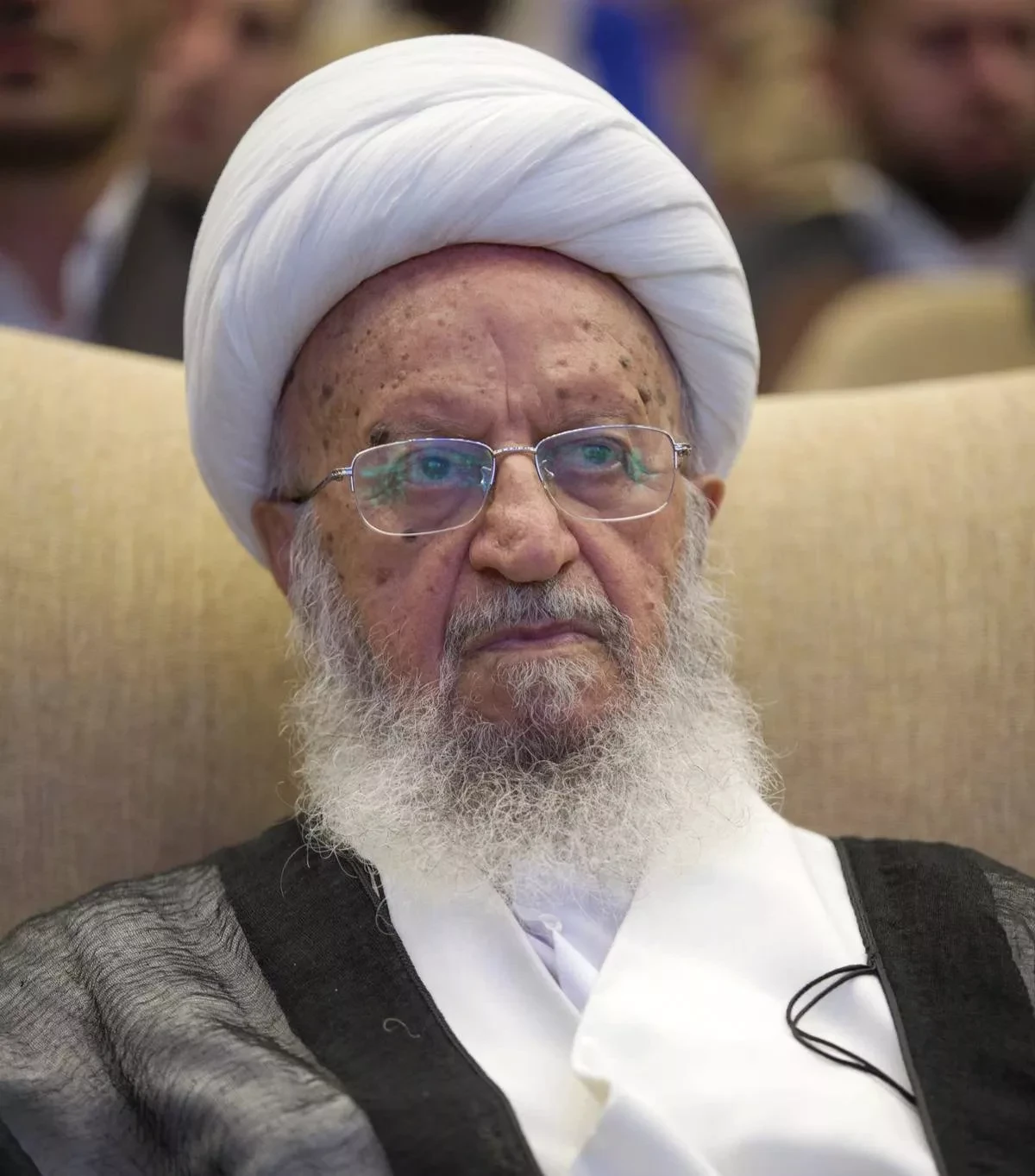
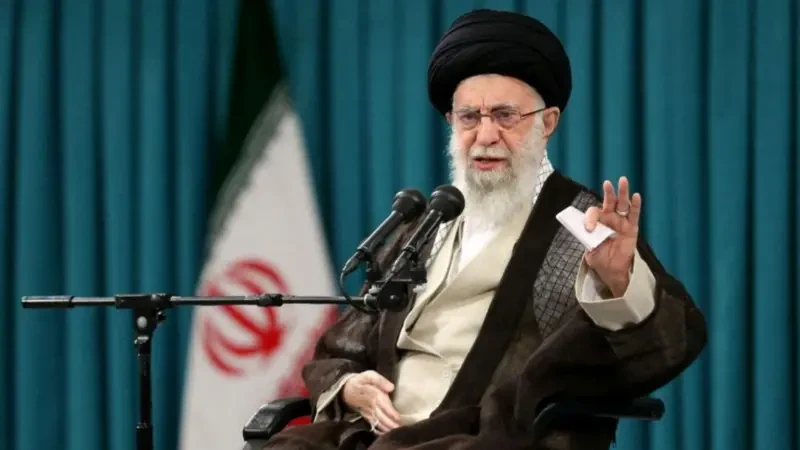
Ali Larijani, a prominent figure in Iranian politics, is known for his pragmatism and significance, especially after the tragic death of Supreme Leader Ali Khamenei, as reported by Al Jazeera.
For many years, Larijani has remained a model of calmness and rationality among the Iranian elite. He is the author of books on the philosophy of Immanuel Kant and has engaged in negotiations with Western powers regarding the nuclear program.
However, on March 1, 2026, his rhetoric underwent radical changes.
On state television, just a day after U.S. and Israeli airstrikes that claimed the lives of Khamenei and IRGC commander Mohammad Pakpour, Larijani delivered a vivid and emotional speech.
“The heart of the Iranian nation is burned by the actions of America and the Zionist regime [Israel],” he wrote on his social media. “We will respond in kind. The Zionist criminals and shameless Americans will regret their actions,” he added.
“The people of Iran and our brave soldiers will give these international oppressors an unforgettable lesson,” he emphasized.
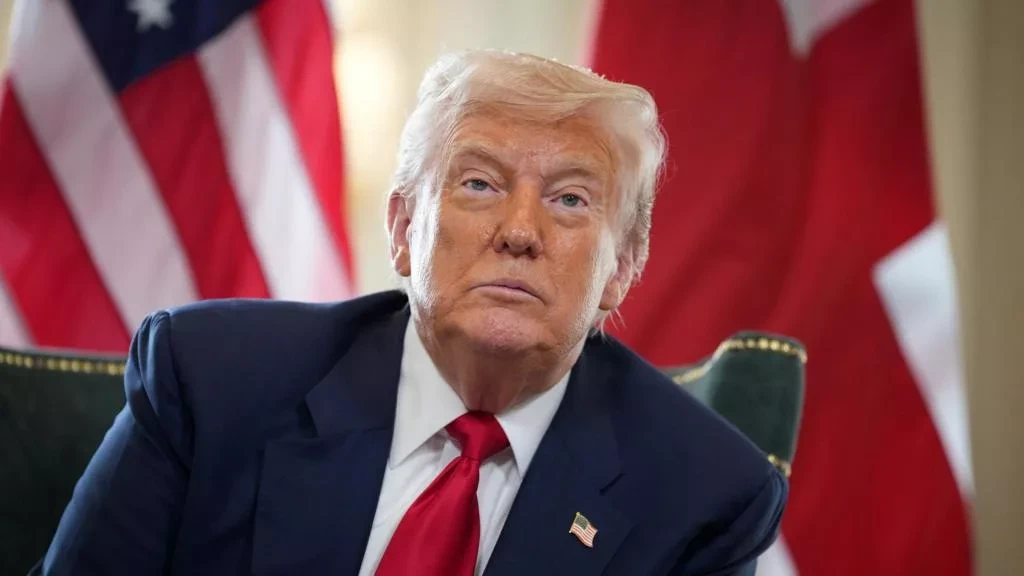
Larijani, who accused U.S. President Donald Trump of falling into an “Israeli trap,” has become a central figure in the current most serious crisis in Iran since 1979.
He is set to play an important role in the three-member transitional council that will govern Iran after Khamenei's departure.
Who is this man entrusted with leading Iran's security strategy in the context of war with the U.S. and Israel?
The Iranian "Kennedys"
Larijani was born on June 3, 1958, in Najaf, Iraq, into a wealthy family from Amol. His dynasty is so influential that in 2009, Time magazine referred to them as the “Kennedys of Iran.”
His father, Mirza Hashem Amoli, was a well-known religious figure. Larijani's brothers have also held key positions in Iran, including roles in the judiciary and the Assembly of Experts, which is responsible for electing and overseeing the Supreme Leader.
Larijani also has personal connections with the Iranian revolutionary elite: at the age of 20, he married Farideh Motahhari, the daughter of Morteza Motahhari, one of the closest associates of the founder of the Islamic Republic of Iran, Ruhollah Khomeini.
Despite his conservative roots, the life paths of his children differ. His daughter Fatemeh, after graduating from the medical faculty of Tehran University, continued her studies at Cleveland State University in the U.S.
Mathematician and Philosopher
Unlike many of his contemporaries, Larijani has a secular education, which sets him apart.
In 1979, he received a bachelor's degree in mathematics and computer science from Sharif University of Technology, and later defended his master's and doctoral theses on Western philosophy at Tehran University.
However, his political activity became the main focus of his career.
After the Islamic Revolution of 1979, Larijani joined the IRGC in the early 1980s and later served as Minister of Culture under President Akbar Hashemi Rafsanjani from 1994 to 1997, also heading the state broadcasting company (IRIB) from 1994 to 2004. His work at IRIB was criticized by reformists who accused him of insufficient openness, which contributed to the youth's shift towards foreign media.
From 2008 to 2020, Larijani served three times as Speaker of Parliament (Majlis), exerting significant influence on domestic and foreign policy.
Return to Security Affairs
In 2005, he ran for the presidency as a conservative but did not make it to the second round. That same year, he became the Secretary of the Supreme National Security Council and the chief negotiator on the nuclear program.
Larijani left these positions in 2007 when his views on the nuclear policy of then-President Mahmoud Ahmadinejad began to diverge from the official line.
In 2008, he was elected to parliament and became Speaker, which allowed him to strengthen his influence and remain involved in nuclear negotiations, including the approval of the 2015 nuclear deal with world powers, known as the Joint Comprehensive Plan of Action (JCPOA).
After stepping down as Speaker and parliament member in 2020, he attempted to run in the 2021 presidential elections but was disqualified by the Guardian Council. The same situation occurred when he tried to participate in the 2024 elections.
The Guardian Council did not disclose the reasons for the disqualification; however, analysts believe it is part of a strategy by the establishment to clear the field for a tougher candidate, Ebrahim Raisi, who won the elections. Larijani condemned the 2024 disqualification as “opaque.”
Nevertheless, in August 2025, he returned to a significant position when President Masoud Pezeshkian reappointed him as Secretary of the Supreme National Security Council.
Since his appointment, his stance has become more hardline. In October 2025, he canceled the cooperation agreement with the IAEA, stating that their reports “no longer matter.”
Diplomacy in Conflict
Despite the rigidity of his position, Larijani is often seen as a pragmatist and a representative of the Iranian system, willing to compromise, partly due to his role in supporting the 2015 nuclear deal.
Reports indicate that just weeks before the current escalation, Larijani was engaged in indirect negotiations with the U.S.
In February, during negotiations mediated by Oman, he indicated that Tehran had not received a concrete proposal from Washington and accused Israel of trying to undermine diplomatic efforts, seeking to “ignite war.”
In an interview with Al Jazeera before the U.S. and Israeli attacks on Iran, Larijani described his country's position on negotiations as “positive,” noting that the U.S. had realized that a military option was unfeasible. “Moving to negotiations is the rational path,” he emphasized at that time.
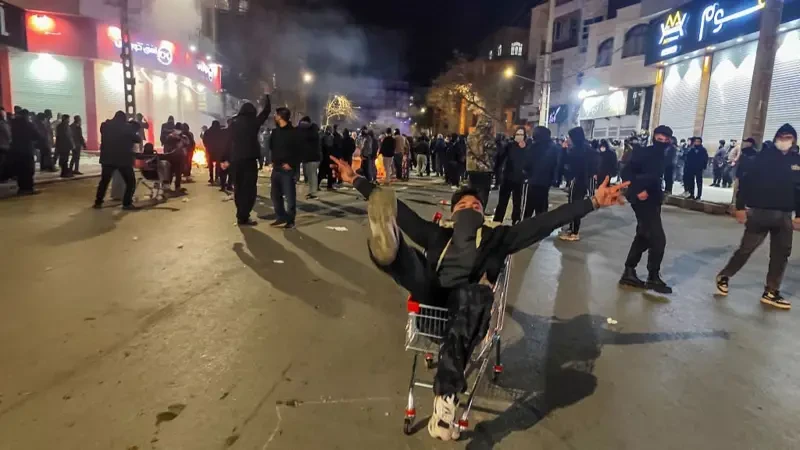
However, the airstrikes that began on February 28 destroyed any chances for a diplomatic resolution to the conflict.
In his latest address, Larijani assured Iranians that plans for a succession of power in accordance with the Constitution had already been developed. He also warned the U.S. against delusions that the killing of leaders would undermine Iran's stability.
“We do not intend to attack countries in the region,” he clarified, “but we will target any bases used by the United States.”
The pragmatic approach that was once characteristic of Larijani now seems to be taking a backseat. He refuted media reports of a desire to resume negotiations with the U.S., stating that Iran “will not negotiate” with Washington.
Instead, following Khamenei's death and amid the escalating conflict, Larijani promised to respond to the U.S. and Israel “with a force they have never encountered before.”
The article "Who is Ali Larijani, the Iranian official promising to teach the U.S. a 'lesson'?" was published on K-News.