In a conversation with a Turmush correspondent, he shared that since 2020 he has been monitoring section No. 8 of the hunting and fishing society in the Issyk-Kul region.
Z. Chegirtkeev also spoke about his life journey.
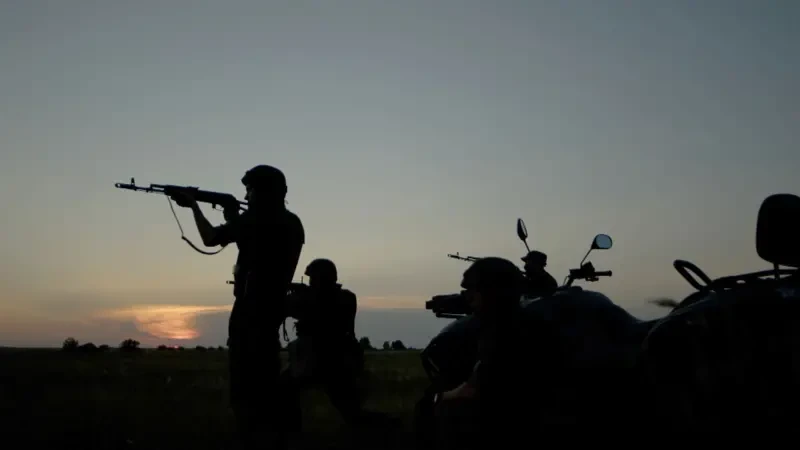
“I was born in 1965 into the family of a veteran of the Great Patriotic War and grew up in Sary-Tologoy. At 19, I received a draft notice to serve in the army, and like many young men of that time, I went to fulfill my duty, ending up in the Afghan war from 1984 to 1986. First, I underwent training at a training center in Turkmenistan, and then, in April 1985, I was sent to Kabul province. We, like other soldiers, monitored a post on the pass for 6-14 hours a day, and every step could be the last. In this dangerous region, we faced combat enemies and natural threats, such as scorpions and snakes that could crawl into abandoned shoes. We learned to be cautious,” he shared.
After completing his service in 1986, Zamir returned home, became a driver, started a family, and raised three sons and two daughters.
From childhood, Z. Chegirtkeev developed an interest in wildlife.
“Even in my youth, I loved nature and the protection of wild animals. During Soviet times, the number of wild animals was significantly lower than it is now. For example, the marals in the territory of the Chon-Bulak gorge, which covers 2,000 hectares of the Tyup forestry, only began to winter there in 2021. The reason for this was the impact of illegal hunters, which brought their population to the brink of extinction,” he explained.
With increased ecological protection efforts in recent years, the marals are beginning to recover their numbers in the Tyup area. Zamir monitors the border between the Tyup and Ak-Suu districts, covering a total area of 30,000 hectares.
This gamekeeper, who provides wild animals with food and salt during the winter, expresses a need for modern equipment.
“In the last count conducted in 2021, there were only three marals in the area, and now their number has increased to 35-40. Locals report migrations of animals from Kazakhstan, which sometimes cross the international road. I am confident that this phenomenon can attract tourists and contribute to the development of domestic tourism. In 2023, I had to rehabilitate a pregnant maral that was injured by a predator for 21 days. Unfortunately, the animal did not respond to the medication, but I noticed that she was calm and responded well to affection. Ultimately, after recovery, with the department's permission, she was released back into the wild. These animals, like domestic ones, need food and salt,” he added.
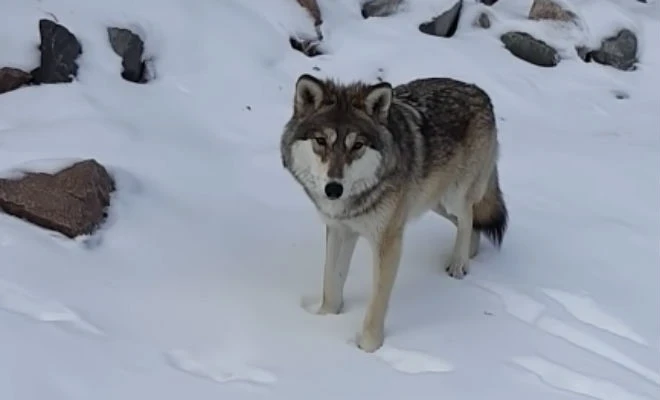
In winter, Zamir transports up to 30 kg of feed and salt on horseback, creating feeders from fallen fir trees that can be used for up to 10 days. Sometimes near the feeders, one can see tracks of wild boars and roe deer that also come to eat. The main predators threatening the marals are lynxes and wolves, after which poachers hunt them. Therefore, my assistants and I monitor both day and night.
Currently, the main need is to improve the material and technical base. For winter work, we need vehicles capable of moving through snow, as well as camera traps and drones, which would significantly simplify our tasks. Despite this, the establishment of ecological police in recent years has helped reduce the number of poachers,” he concluded.
Objects
Satellite
⛶