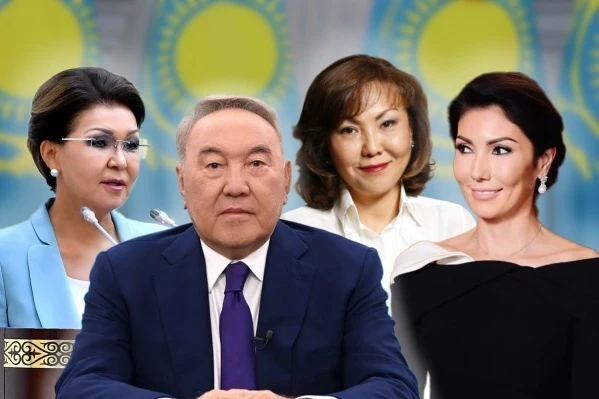
Is "Collective Tokayev" Replacing the "Collective Nazarbayev"?
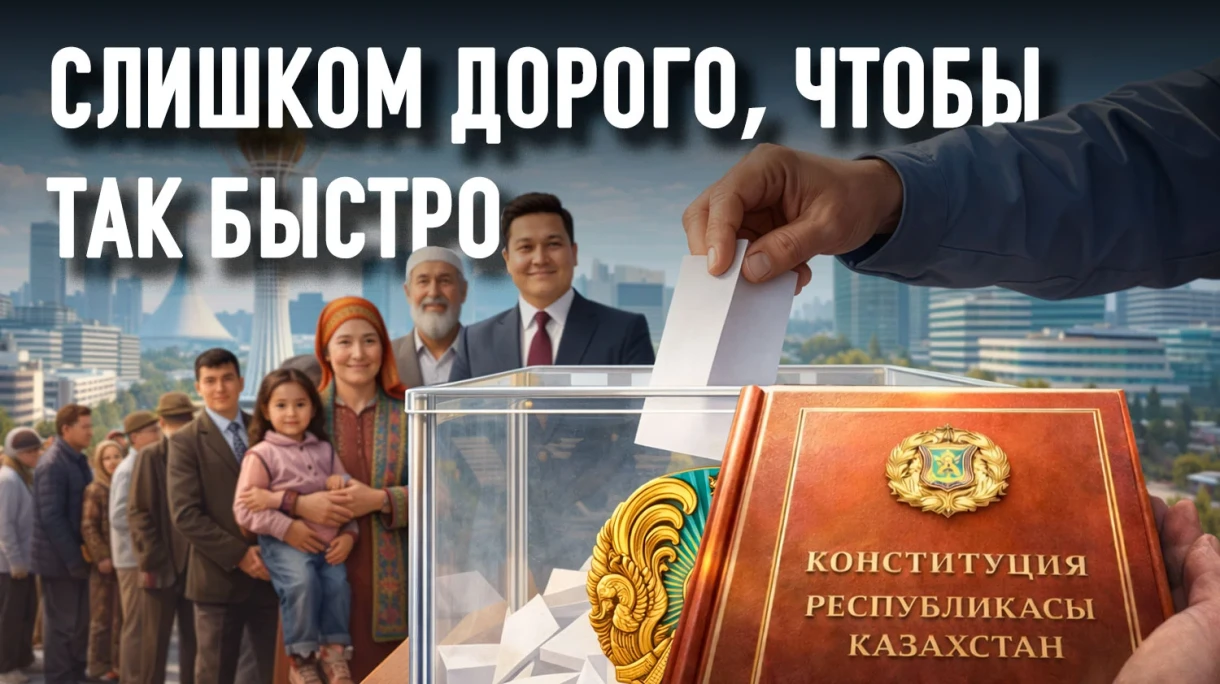
The constitutional referendum, the importance of which was emphasized by representatives of the authorities at all levels, has taken place. Its results, which appear justified to some and predictable to others, carry significant risks for the current government, as noted in the publication exclusive.kz.
On one hand, the voting results will allow the authorities to refute accusations of "illegitimacy," closing all speculations about possible "urgent" changes. At the same time, the scenario of President Tokayev's potential departure to the UN, although losing popularity, is still discussed online and occasionally mentioned in international media, as shown by a Reuters report.
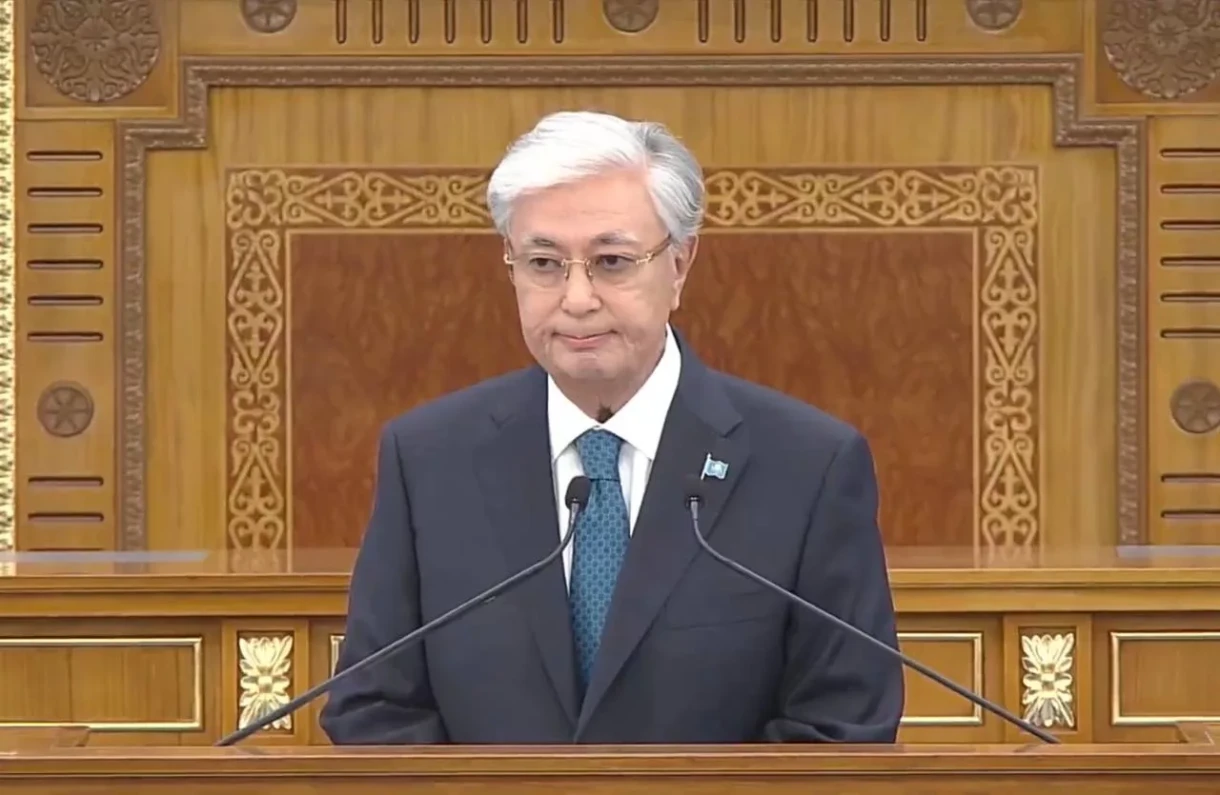
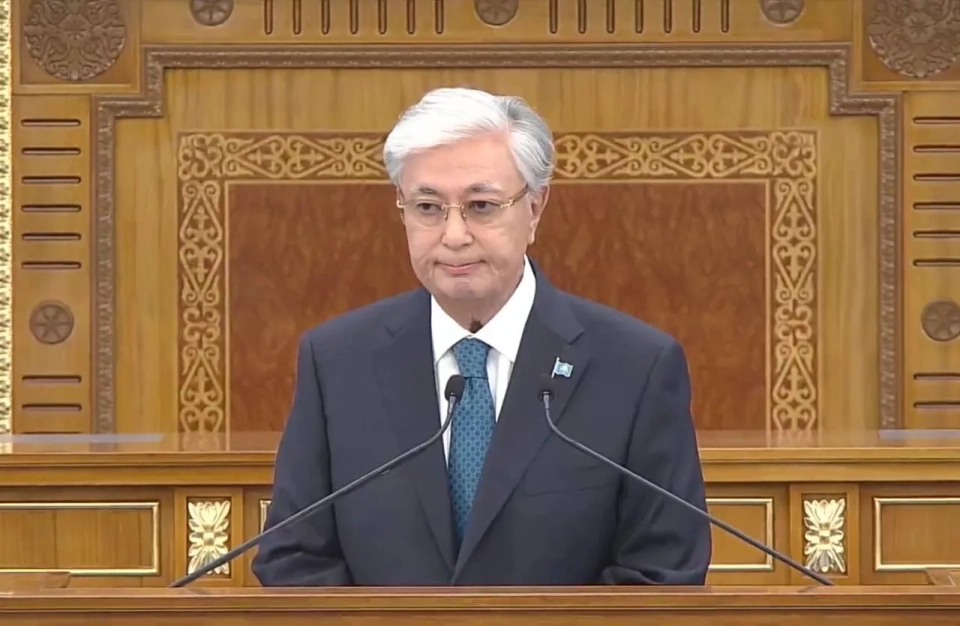
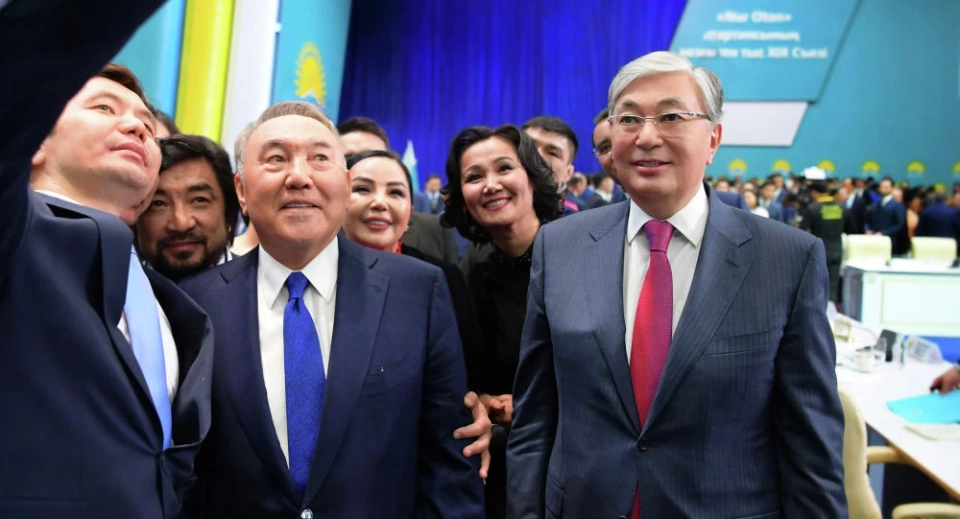
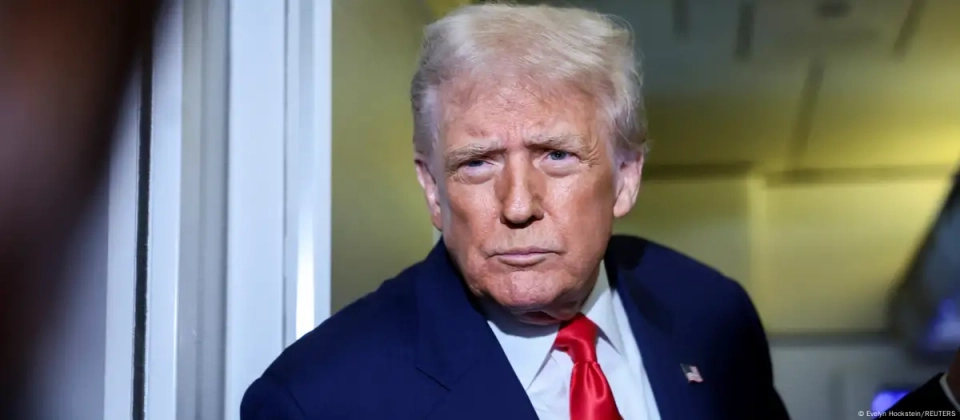
President Tokayev, having just cast his ballot, told journalists that some analysts claim there is growing competition within the government and emerging alarming trends. However, according to him, there is no reason for concern that this will affect society. During several months of discussions on the constitutional draft, which was mistakenly interpreted as "nationwide," everything was done to dispel doubts regarding competition within the government or at least to create the appearance of its unity.
On the other hand, in the event of a worsening external economic situation, there may arise a need for radical changes in the power structure. The country's economy is currently in a vulnerable state, and the actions of the executive branch in response to these challenges do not inspire optimism among experts or ordinary citizens. The high level of approval for the new Constitution, resulting from the plebiscite, benefits the ruling class: they can now claim that the people themselves chose the path for the country, and we are all in the same boat. Otherwise, the referendum might not have been held at all—the new Constitution could have been adopted through parliament and then dissolved, replaced by the Kurultai. Nationwide voting, as a social contract, makes "us, the people of Kazakhstan," in a certain sense, hostages to the conditions of this agreement.
Another important question is whether this contract will be upheld by both parties? The answer to this depends primarily on the authorities. It will now be difficult for them to blame their mistakes on the "legacy of old Kazakhstan," which the president noted at a recent meeting with deputies of the maslikhats.
Although the Nazarbayev system continues to exist in practice, it has legally lost its power—now we are dealing with New Kazakhstan. This obliges the new architects of the system to take action. Kazakhstan is known as a country with a strong presidential system, where the head of state has significant powers.
The president determines key directions of domestic and foreign policy, influences the formation of the government, and parliamentary processes. Thus, Kazakhstan is effectively transitioning from Nazarbayev's super-presidential republic to Tokayev's, which is only partially changed.
This means that we can expect not radical, but only cosmetic changes in power, as well as personnel reshuffles in the interests of the new "client." In the political context, this may lead to the emergence of new parties, as the existing political formations, including the renamed "party of the parliamentary majority," are inherited from "old Kazakhstan."
Thus, there is a need to create a counterbalance that would appear more convincing to society than the current "living ecosystem" of parliamentary opposition. This will also help address the task of complete manageability of the elites, especially in the regions.
Among other things, a regional party representing the interests of local elites may emerge. It is worth noting that the Senate, once created to lobby for regional interests, has failed in this task, as has the vague Halyk Kenesi, which seems intended only to promote necessary bills for the supreme and executive powers.
Such a political tool of power is not only necessary; it is vital. Otherwise, local elites sitting in maslikhats may become a serious centrifugal force. Let us recall how, after the conflicts in Kordai, the then first deputy head of the Presidential Administration, Maulen Ashimbayev, called for a deep analysis of inter-elite and inter-ethnic situations in the regions to understand the effectiveness of public institutions.
The key point here is not so much the personalities as the institutions. The future parliamentary corps, based on party lists, may become only a "launch pad" for creating a competitive political market, a real multiparty system, rather than one "poured" from a single barrel.
President Tokayev once mentioned the need for such changes after the events in Kantar.
Despite changes in the rhetoric of the authorities, the task of finding inter-elite consensus remains relevant. It has been temporarily pushed to the background, but sooner or later it will become important again, as it is the inter-elite balance that ensures the stability and effectiveness of power. Based on such a balance, a cabinet of ministers can be formed that is capable of effectively managing the economy and supporting business while avoiding social risks.
It should be noted that none of this will happen "tomorrow." Constitutional reforms never lead to instant changes—they set new rules of the game, defining a "social contract." After the first constitutional referendum in 1995, the authorities quickly "forgot" about their obligations. At that time, they had an important trump card in the form of high raw material prices to suppress social tension.
Today, the situation for the Kazakh ruling class has changed significantly, and unfortunately, not for the better. The realization of the impossibility of returning to previous conditions prompted the president, as he noted at a briefing after the vote, to "begin developing a new Constitution about two years ago."
After the first referendum, the old elite remained, although it lost formal levers of influence. With the disappearance of the "Nazarbayev" Constitution, the new Basic Law became an attempt to lay the foundation for a new ruling elite—the "collective Tokayev." At the same time, critics of the authorities believe that Tokayev's constitution is ceasing to be perceived as a social contract and is becoming a mechanism that protects the authorities from future questions about the past. However, without such "insurance," the authorities become vulnerable, which increases risks for the entire country, especially in light of the growing pressure from our northern neighbor.
Thus, the Constitution-2026 remains far from ideal for a certain part of society, but it represents the result of a difficult choice made by the authorities, which society has no choice but to accept.
The post "Is the 'collective Tokayev' replacing the 'collective Nazarbayev'?" first appeared on K-News.
Read also:
The Shadow of the Vice President of Kazakhstan: Why is the Position Being Revived Without Its Original Meaning?
Kazakhstan has already had experience with the vice-presidency, but it abandoned this position for...
Tokayev: Kazakhstan has entered a new stage of modernization
Curl error: Operation timed out after 120001 milliseconds with 0 bytes received...
What will the new Constitution of Kazakhstan be like – "soft" or "hard"?
To ensure the stability of constitutional norms, it is considered necessary to have a more complex...
President Sadyr Japarov responded to Atambayev's accusations
- Hello, Sadyr Nurgoyevich. We would like to get your comment regarding the recent address by...
"Adilet" analyzed the draft law on the confiscation of property before a court decision
On the Unified Public Discussion Portal, an analysis of the draft law "On Amendments to...
District No. 13. Baketaev explained to the CEC what the absurdity of the ban on video recording is.
The Central Election Commission of Kyrgyzstan annulled the results of the elections in District...
Trump threatens to send troops to the Hormuz Strait to unblock it. What else has happened in Iran?
The material was prepared by K-News. Copying or partial use is only possible with the permission of...
Iran can continue to wage war against the US and Israel "for as long as it wants." What else happened?
The material is prepared by K-News. For copying or partial use, prior permission from the K-News...
Why is the President of Kazakhstan Strengthening Parliament and Purging His Inner Circle?
The discussion about the transit of power in Kazakhstan has become more active, despite the fact...
The Person Inside the Brain: Everyone Lives in Their Own Mental Umwelt
Curl error: Operation timed out after 120001 milliseconds with 0 bytes received...
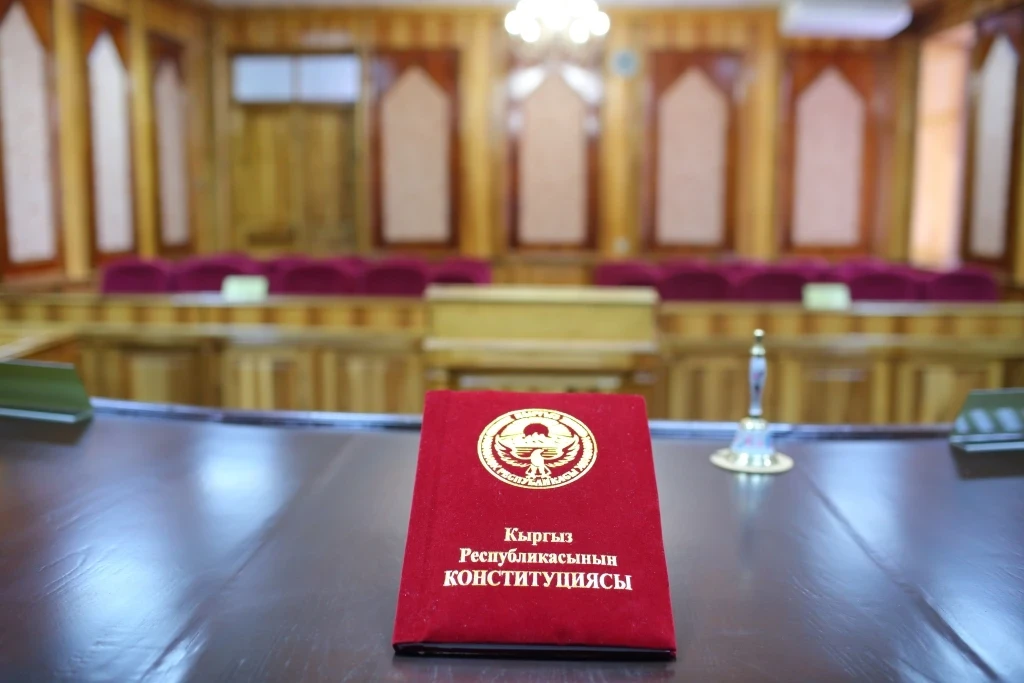
The Constitutional Court of Kyrgyzstan confirmed the six-year term of office for the president. Presidential elections are to be held in January 2027.
On February 17, 2026, the Constitutional Court considered a request from the president regarding...
"Karlsen" and his "Barrier". Who is Timur Mindich and what you need to know about the corruption scandal surrounding Zelensky
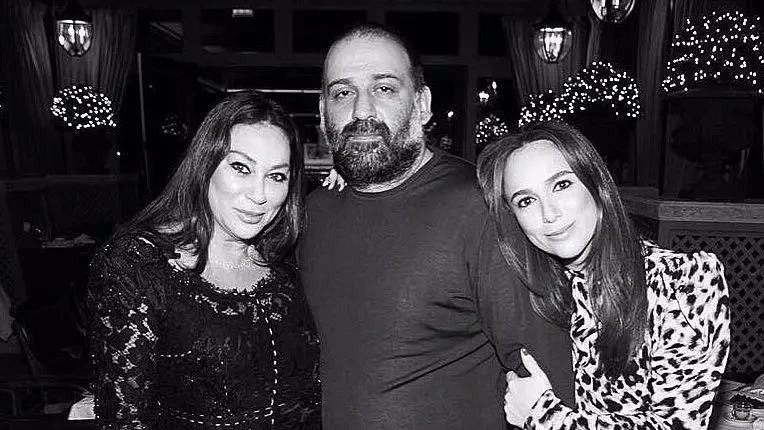
Timur Mindich with his mother-in-law Alla Verber (left) and his wife Ekaterina Verber (right),...
Sister of Chingiz Aitmatov Addressed the People of Kyrgyzstan (Text of the Address)
Dear Kyrgyz people! I have decided to address you due to a matter that deeply concerns me. In...
Nazarbayev-Tokayev: Anatomy of Political Transformation
Recently, the term "asabiyya," introduced by the medieval Arab thinker Ibn Khaldun in...
When will the presidential elections in the KR take place? The Constitutional Court has given a final answer.
The Constitutional Court of the Kyrgyz Republic has provided a clear answer to an important...
Can Kim's Teenage Daughter Become the Next Leader of North Korea?
The article is prepared by K-News. Copying or partial use is only possible with the permission of...

The End of Paper Money: This System Can Now Only Function Thanks to Managed Instability
What is actually happening? Wigi emphasizes that the current situation represents not just a...
How the Political Architecture of Kazakhstan Will Change
Last weekend, following the issuance of a decree, 130 participants gathered for the first meeting...
The Cabinet allowed the branding of livestock during microchipping: the "i" mark will be applied with liquid nitrogen
Curl error: Operation timed out after 120001 milliseconds with 0 bytes received...
Vietnam prepared for a possible war with the USA, despite the strategic partnership
The document from the Ministry of Defense of Vietnam, titled "Plan for the Second U.S....
Mirror of Alienation: What the Hikikomori Phenomenon Says About the Modern World
Recently, anthropologist and philosopher Alain Julian visited a rehabilitation center for modern...
Why Did Trump Invite Only Kazakhstan and Uzbekistan from Central Asia to the "World Council"? Opinions
The creation of the "Council of Peace" was initially planned as a way to manage the...
Why Pediatric Oncology Requires Special Attention from the State – An Interview with an Oncologist
– Problems do exist. Even with sufficient funding, pediatric oncology remains one of the most...
Residents of New York Can Choose a New Politician to Lead Their City and Challenge Trump
At a campaign event in the Upper East Side, Zohran Mamdani faced unprecedented attention from his...
From Praise to Overthrow: How the "Fathers of the Nation" Are Forgotten in Central Asia
html The phenomenon of the cult of personality in Central Asia has been forming for many years,...
Felix Kulov: The Constitutional Court has taken its step. But a referendum on the death penalty is needed.
“The prohibition in the Constitution of the Kyrgyz Republic does not mean that the people are...
Trump - the Rebel King: The Liberal-Democratic Capitalist World Order Has Collapsed
The author of the material is K-News. Copying or partial use is only possible with the permission...
"Sometimes Harsh, but Necessary". How Entrepreneurs Assess the Year 2025
According to the Central Bank, Kyrgyzstan is forecasting an economic growth of more than 10% by the...
Europe is Closing Its Borders. The Fight Against Migrants Intensifies Ahead of the Crucial Year 2026
Important changes in migration policy have occurred after 27 EU countries agreed on the details of...
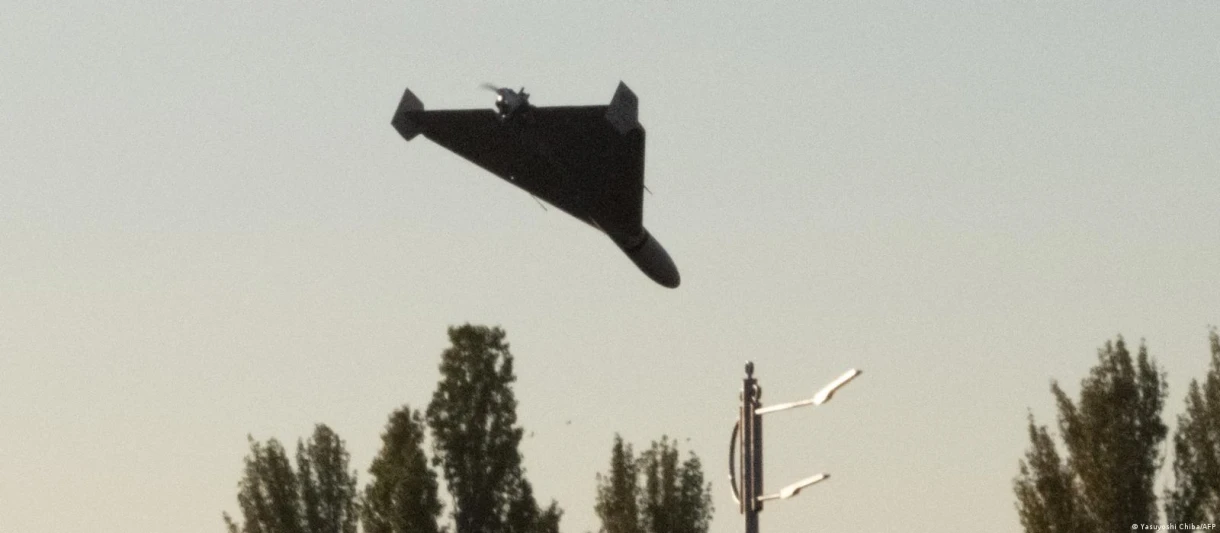
Iran vs. USA: Technological Capabilities of Countries on the Battlefield
The material was prepared by K-News. Permission from the K-News editorial team is required for...
War in Iran: Trump criticizes NATO, the Islamic Revolutionary Guard Corps threatens to attack American companies in the Middle East, UAE closes its skies
Material prepared by the K-News editorial team. Copying and partial use of the text is only...
Foreign Workers, Local Sponsors: How Cyber Fraud Schemes with Hotels in Palau Are Organized
The documents shed light on the internal mechanisms of two alleged fraudulent centers in Palau....
"Russia Gave Away Ukraine, Kazakhstan, and the Caucasus." The U.S. Declassified Transcripts of Putin's Conversations with Bush
The “National Security Archive” has released three transcripts of meetings between Putin and Bush...
Banks: Americans Can, but Kyrgyz Face Sanctions
At first glance, it may seem that the corruption scandal in Ukraine and the sanctions against...
What is happening with Donald Trump's health?
Trump's schedule has also become less busy: he spends a lot of time at his golf clubs,...
Spare Airfield, or Why Moscow Real Estate Appeals to the Kazakh Elites?
According to material from the publication "Project," Nazarbayev lives in an elite...
Non-Combat and Unrecognized: Suicides in the Ukrainian Army That Are Silent About
This is a translation of an article by the Ukrainian service of the BBC. The original in Ukrainian...
War in Iran: Tehran claims that the US and Israel have struck nearly 10,000 civilian facilities
Source of this material — K-News. Copying or partial use is only possible with the consent of the...
UNESCO warns of a serious decline in freedom of expression and journalist safety worldwide
In its main report, UNESCO recorded a significant decline in the level of freedom of expression—by...
"No Coups Will Happen". Sadyr Japarov Delivered a Major Address to the People of Kyrgyzstan
President Sadyr Japarov addressed the nation with a detailed message that, according to him, was...
Will the Central Asia Become the Main Arena for the Struggle for Resources Between the USA, Russia, and China?
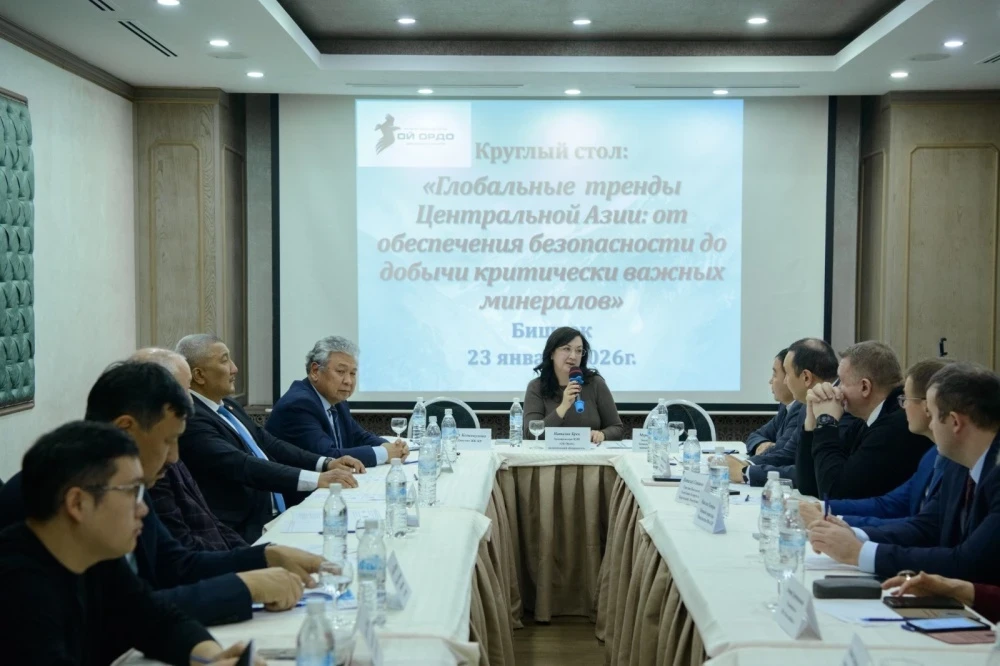
At a round table titled "Global Trends in Central Asia: From Security Provision to the...
Russian and Ukrainian Drone Manufacturers Purchase Components from the Same Chinese Companies
This approach allows both sides to quickly obtain the necessary equipment; however, as Babенко...
In the Uzgen District, 110 hectares are at risk of flooding due to rising water levels in the Jazy River.
In the Uzgen district of the Osh region, in the villages of Don Bulak, the rising water level in...