




From the first months of life, children need to regularly engage in gymnastics and massage. These procedures help strengthen muscles, improve blood circulation, and form correct posture. Parents are advised to carry out these activities every day.
“With the onset of active motor activity, the focus shifts to natural forms of movement: crawling, rolling over, walking, and age-appropriate games. These exercises develop coordination, strength, and endurance, as well as contribute to overall motor skills. It is important to choose toys correctly so that they are safe and age-appropriate, eliminating the risk of swallowing small parts or shards that could threaten health,” notes Jamila Anakeeva.

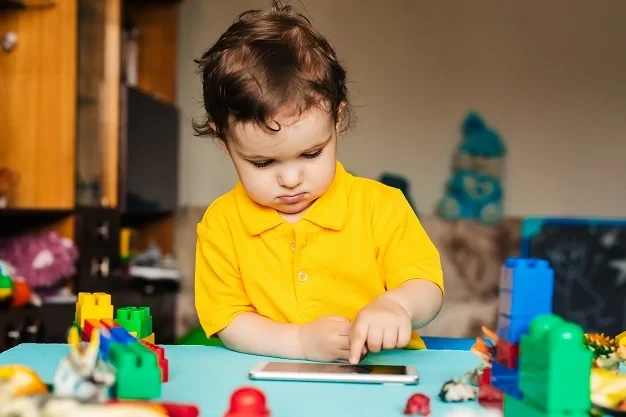
Additionally, it is recommended to limit the time children spend on gadgets to 30-60 minutes a day. Prolonged use of phones, tablets, or computers can lead to addiction and negatively affect mental and physical health. Spending too much time in front of a screen can cause irritability, conflicts with parents, reduced communication with relatives and peers, as well as a lack of physical activity and vitamin D. Children may experience decreased attention span, and their memory can become overloaded with unnecessary information, leading to disconnection from real life. In some cases, the consequences can be serious, making it especially important to establish rules and limitations from an early age:
- limit gadget usage time and monitor content;
- keep track of who the child interacts with and what information they receive;
- encourage active recreation: outdoor walks, sports, and developmental clubs;
- set a personal example of a healthy attitude towards technology.
“Preventing a problem is much easier than trying to solve it later. Early prevention and reasonable control by parents foster healthy habits and a positive attitude towards gadgets in children, contributing to their emotional well-being,” concluded the expert.