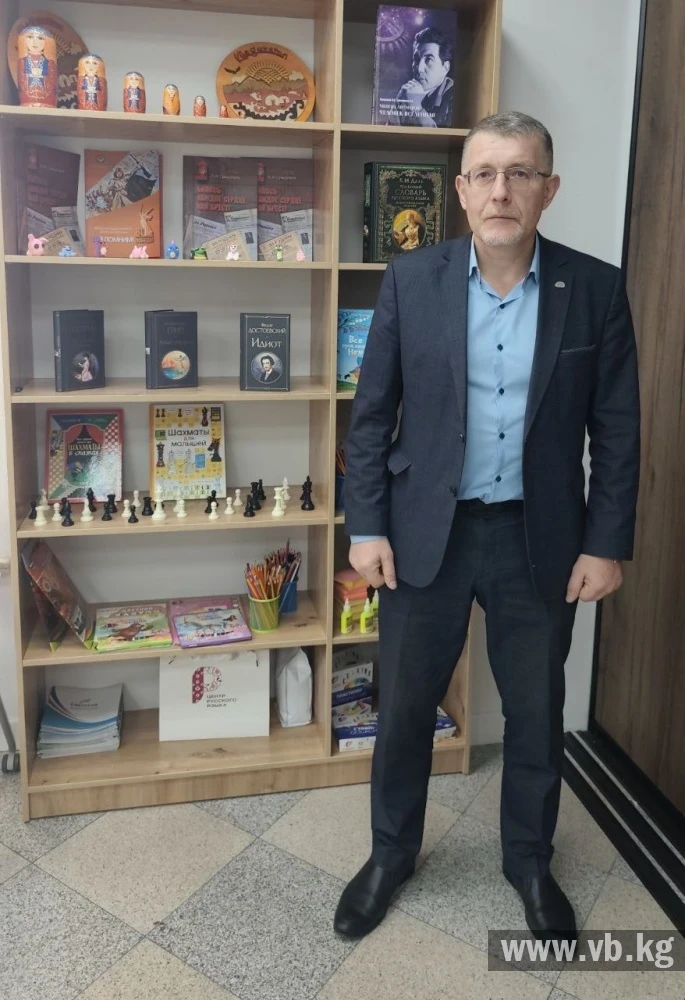
The issue of fake psychologists and the associated risks for citizens was discussed at a press conference by Nurgul Ibraeva, head of the primary health care department of the Ministry of Health, and Boris Li, a psychiatrist at Family Medicine Center No. 6.
According to Nurgul Ibraeva, a few years ago, seeking help from psychologists was rare for the residents of Kyrgyzstan, and it mainly concerned children with speech or mental development delays. “However, now adults have become much more active in seeking help from psychologists. Against this backdrop, many people have emerged who present themselves as specialists without possessing the necessary knowledge and qualifications,” she emphasized.
Ibraeva also pointed out the importance of distinguishing between medical psychologists, who have serious training and can provide quality assistance, and fake psychologists. The growing interest in psychological help, in her opinion, is related to an increase in public awareness about mental health.
Boris Li, in response to a question about how to identify a genuine specialist, suggested several simple criteria. These include having a diploma in higher psychological education (preferably in clinical psychology), special certificates in psychotherapy for doctors, membership in professional associations, and the use of licensed methods without resorting to esotericism.
“Anyone who approaches a private clinic should insist on being provided with documents — licenses, certificates, diplomas,” added Nurgul Ibraeva.
She also noted that after receiving complaints about the activities of unscrupulous psychologists, inspections were conducted that revealed a significant number of such specialists. As a result, a law was passed prohibiting the advertising of psychological services in the country.