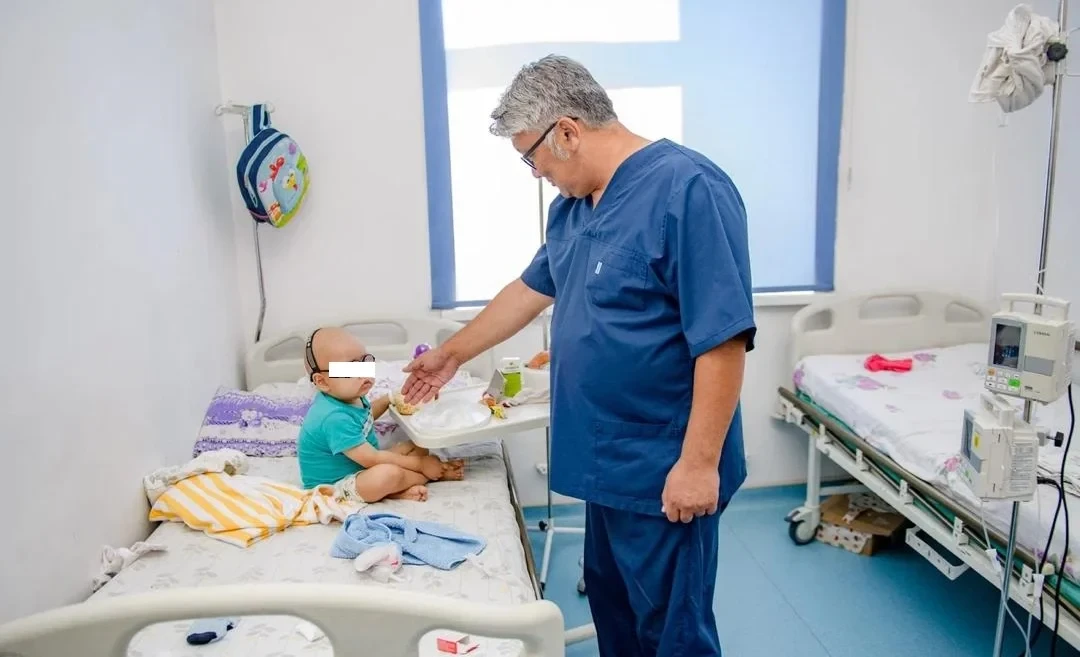
Bishkek health center doctors provided important information about anemia, including its signs, causes, and the significance of balanced nutrition.
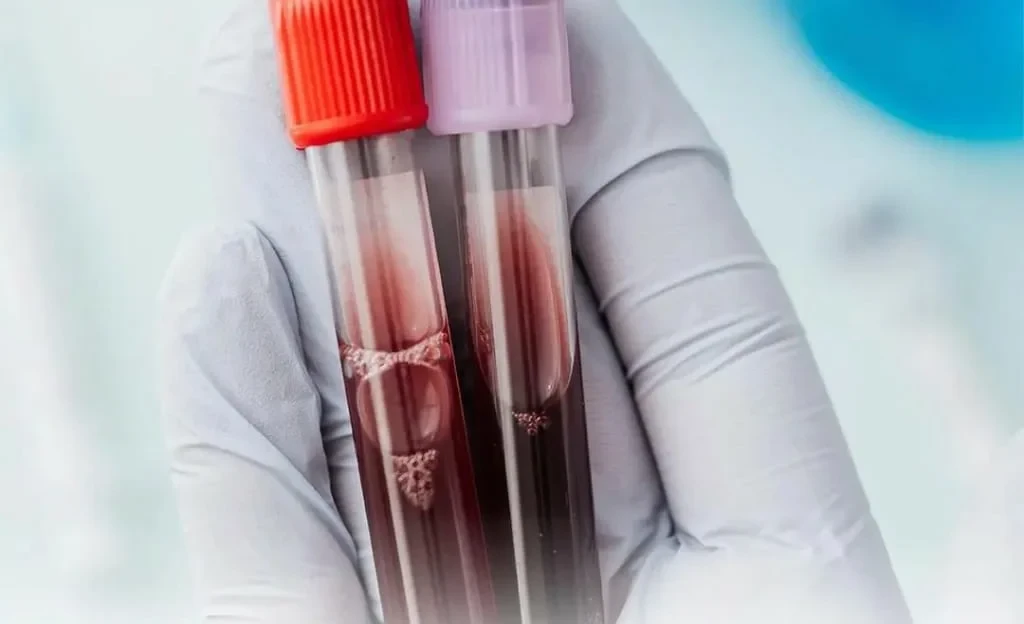
Anemia is characterized by a decrease in hemoglobin levels and/or the number of red blood cells in the blood, leading to insufficient oxygen supply to tissues. The diagnosis is made if hemoglobin levels are below 130 g/L for men and below 115 g/L for women. For children, these indicators depend on their age.
This condition can arise due to ulcers, polyps in the gastrointestinal tract, chronic kidney diseases, as well as infections and oncological diseases, including parasitic invasions. The severity of anemia is determined by the level of hemoglobin reduction.
Specialists recommend preventive medical examinations, regular blood tests, and timely treatment of chronic diseases that may cause blood loss.
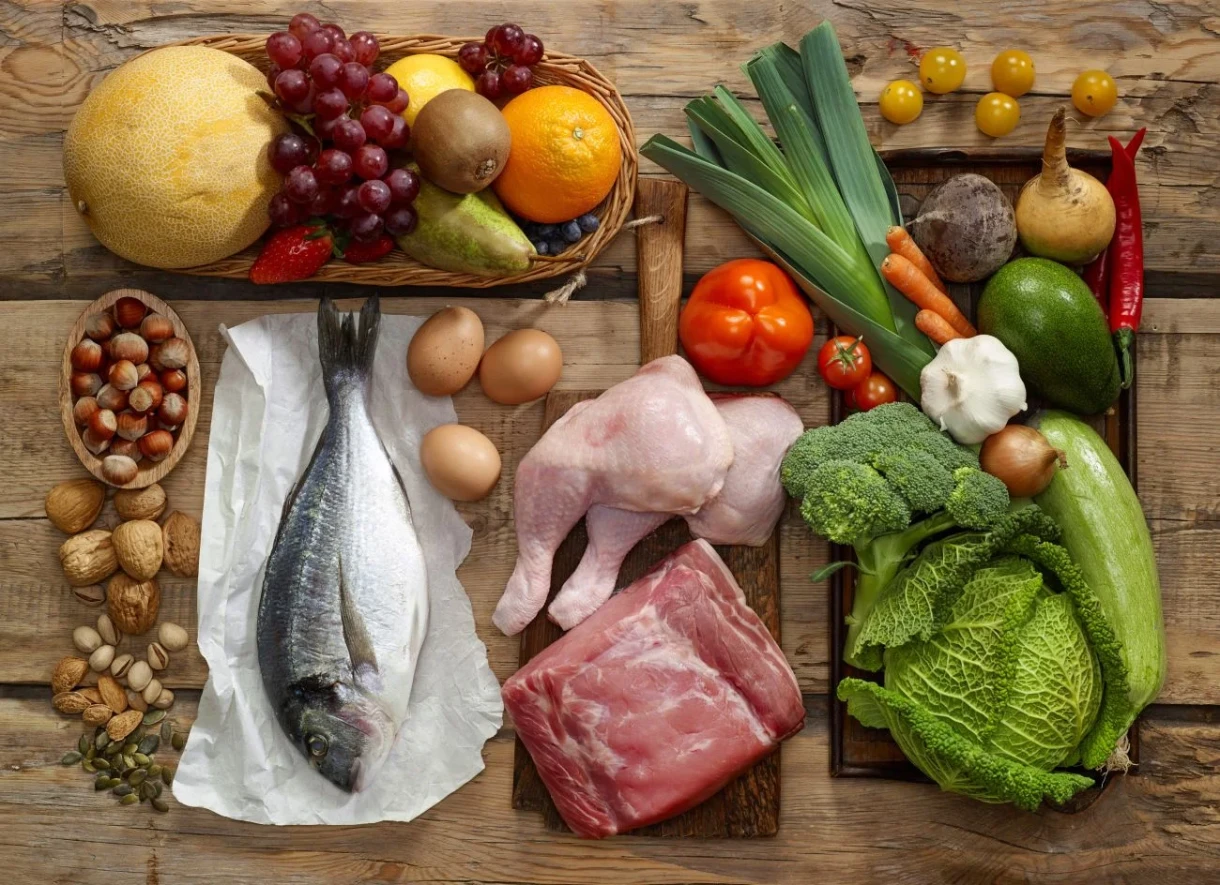
Proper nutrition plays a key role in preventing anemia. Iron, necessary for hemoglobin synthesis, enters the body in two forms:
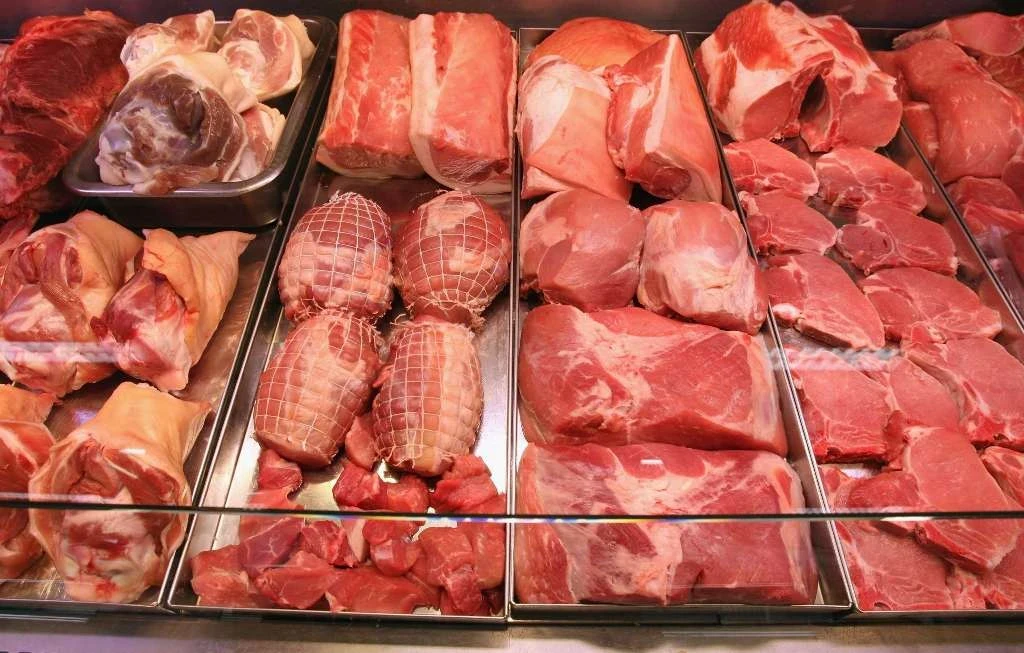
Heme iron — this is iron obtained from animal products such as organ meats, red meat, poultry, and eggs. Chocolate is also a good source of heme iron (19% of the daily norm per 28 g).
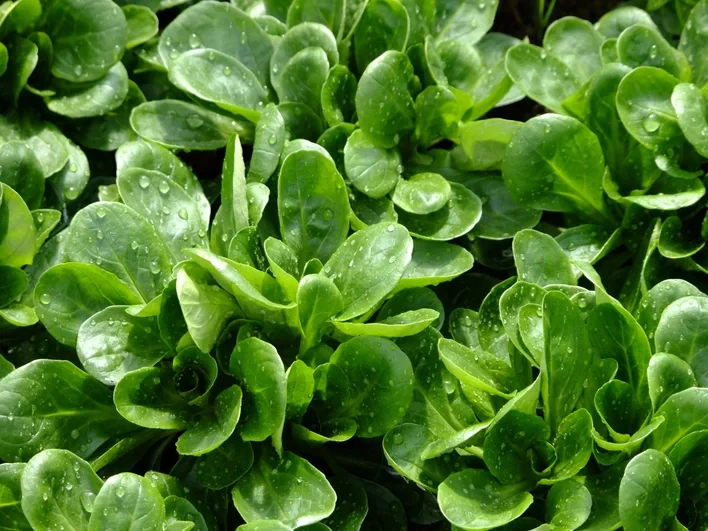
Non-heme iron comes from plant sources such as greens, nuts, and legumes. Its bioavailability is lower (5–12%), while heme iron is absorbed better — 14–18%.
Those who follow a vegan or vegetarian diet are advised to consume buckwheat, chickpeas, pomegranate, quinoa, beans, and spinach as sources of iron. It is important to combine iron-rich foods with sources of vitamin C to improve absorption and avoid consuming them together with foods containing calcium.
Adelya Klycheva