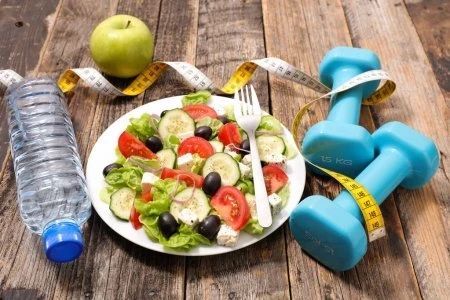
EuroNews reports that the EU is calling for the development of an Action Plan for the promotion of plant-based diets, which will help advance sustainable diets and support farmers in transitioning away from traditional livestock farming.
EU subsidies for products that harm the climate, such as red meat, are criticized as a "scandalous" use of taxpayer money.
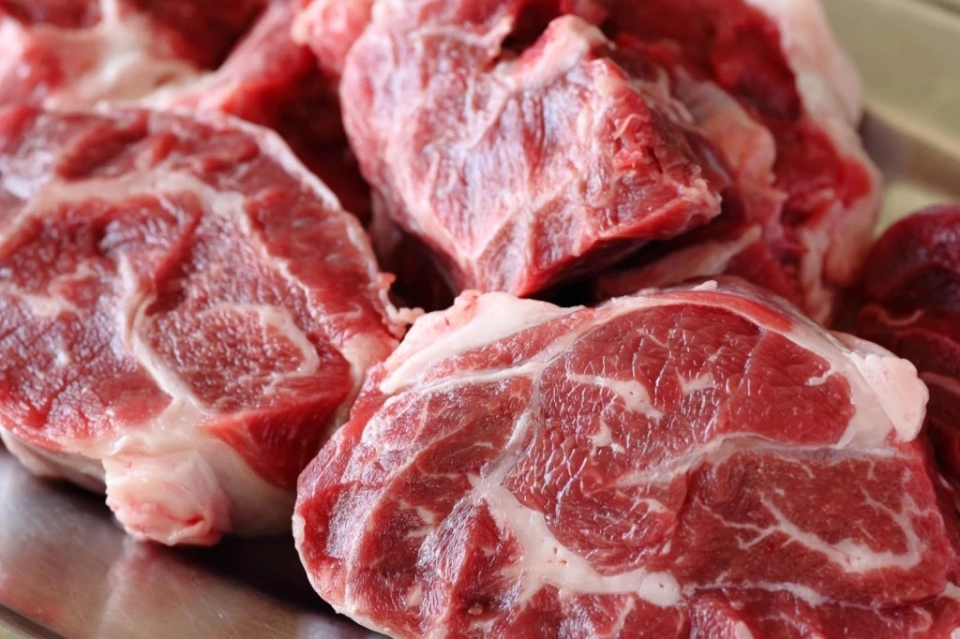
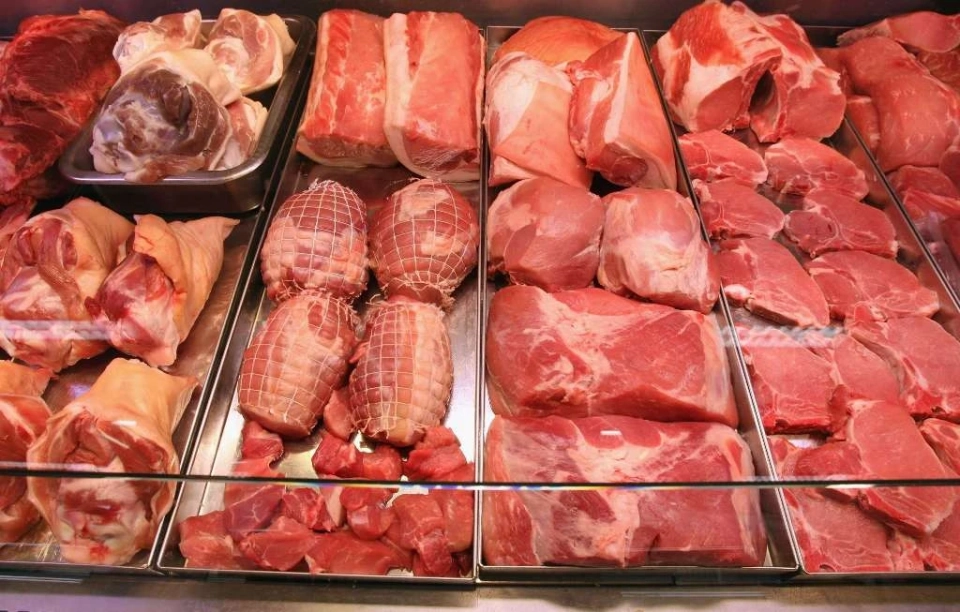
According to a report by Foodrise, in 2020, the EU's Common Agricultural Policy (CAP) allocated more subsidies to animal products that contribute to high carbon emissions compared to plant-based products. Of the 51 billion euros spent that year, 39 billion euros, or about 77 percent, were directed towards supporting livestock farming.
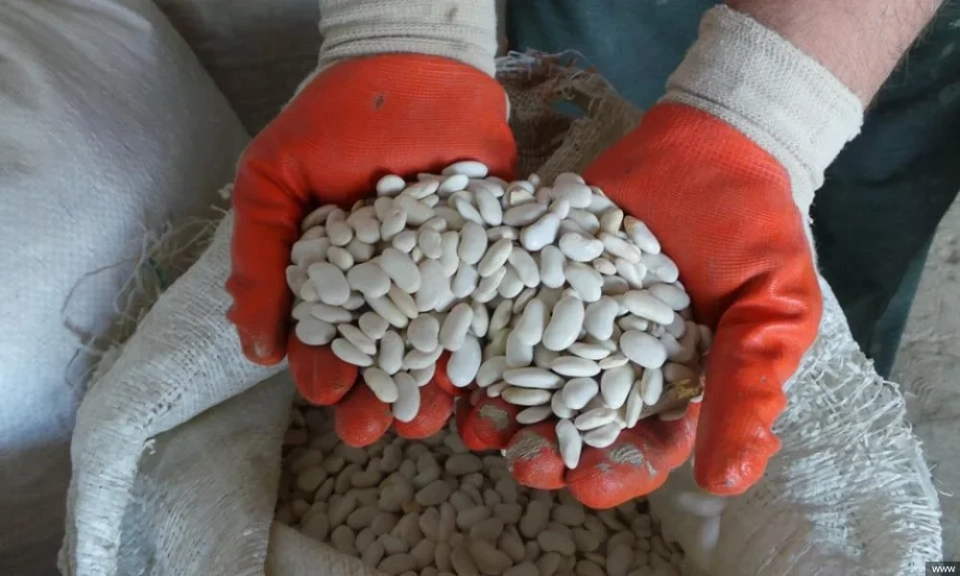
Beef and lamb, known for their climate impact, received support in 2020 that was 580 times greater than that for legumes, such as beans and lentils.
Dairy products received 554 times more CAP subsidies than nut and seed production, and overall, meat and dairy products received more than ten times the subsidies allocated to fruits and vegetables.
Why do animal products harm the environment?
Animal products are responsible for 81-86 percent of all greenhouse gas emissions in the EU agricultural sector, even though they account for only about 32 percent of caloric intake and 64 percent of protein.
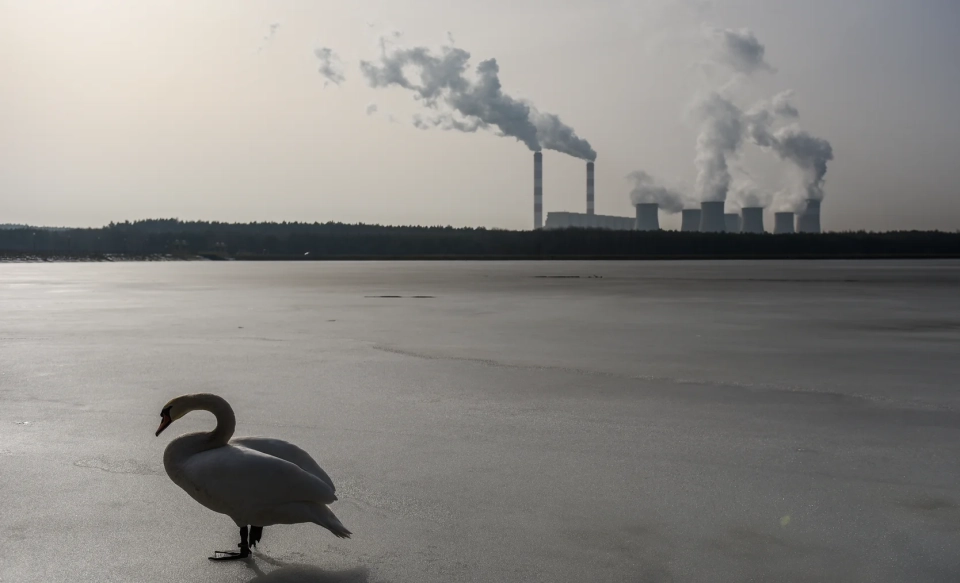
Globally, agriculture and food generate a third of all greenhouse gases—making it the second-largest source after fossil fuel combustion. According to CO2 Everything, a 100-gram serving of beef is equivalent to driving 78.7 kilometers in a car and emits 15.5 kg of CO2 equivalent.
The carbon footprint of livestock practices has significantly increased over recent decades due to modern production methods and the large number of animals. Greenpeace reports that about 60 percent of all mammals on the planet are agricultural animals, while only four percent live in the wild (the remaining 36 percent are humans). Poultry accounts for 70 percent of all birds.
Each of these animals requires a significant amount of feed and space, leading to the creation of cruel conditions on industrial farms where animals are kept in cramped cages. Forests and other carbon-rich areas are cleared for this purpose. Numerous studies show that deforestation in the Amazon is driven by the demand for soy.
Ironically, soy is not intended for human consumption but is used as animal feed. According to WWF, nearly 80 percent of global soy production goes to feed animals, and production volumes have doubled over the last two decades.
This underscores the primary cause of environmental damage from livestock farming, alongside other factors such as fertilizer use and methane emissions from cows. We create an additional stage in the production-consumption chain by spending resources on growing feed for animals instead of directly consuming plant-based products.
According to a report by Compassion in World Farming, for every 100 calories of crops fed to animals, we only get 40 calories of milk, 12 calories of chicken, and just 3 calories of beef.
"Unfair" distribution of EU subsidies
“It is astonishing that such a significant portion of EU subsidies, amounting to billions of euros of European taxpayers' money, supports high-emission meat and dairy production, distorting the diet of Europeans,” claims Martin Bowman from Foodrise (source in English).
“The CAP is at a crossroads, and EU politicians have a unique opportunity to change this situation and take the necessary steps towards healthy and sustainable plant-based diets.”
According to Bowman, such a transition could increase farmers' incomes, reduce dependence on imports, mitigate climate change, and improve the health of the EU population.
“At the very least, plant-based products should receive a fairer share of CAP subsidies to ensure a level playing field,” he adds.
“It is a disgraceful use of EU budget funds to promote meat and dairy among the citizens of the union—in clear contradiction to the EU's health and environmental goals—that must be stopped immediately.”
Bowman urged European politicians to develop an Action Plan for the promotion of plant-based products to support them at all stages of the supply chain, as well as to create a fund to assist farmers in transitioning from livestock to plant production.
Reform of the EU Common Agricultural Policy
In 2024, the European Commission will present a report titled “Strategic Dialogue on the Future of EU Agriculture,” highlighting the need to support consumers in transitioning to plant-based products.
“The European Commission should develop a Europe-wide Action Plan for the promotion of plant-based diets by 2026 to strengthen the agri-food supply chains for plant products from farmers to consumers,” the document states.
A representative of the European Commission noted to Euronews Green that the CAP contributes to the creation of a sustainable agricultural sector in the EU, adding that the policy has undergone changes, resulting in most direct payments to farmers since 2003 being independent of production volumes.
“Thus, CAP subsidies are no longer tied to what and in what volumes farmers produce,” he added. “Instead, they depend on compliance with certain standards, such as environmental regulations or animal welfare requirements.” The Commission claims that only about 10 percent of income support measures in the EU are directly or indirectly related to livestock farming.