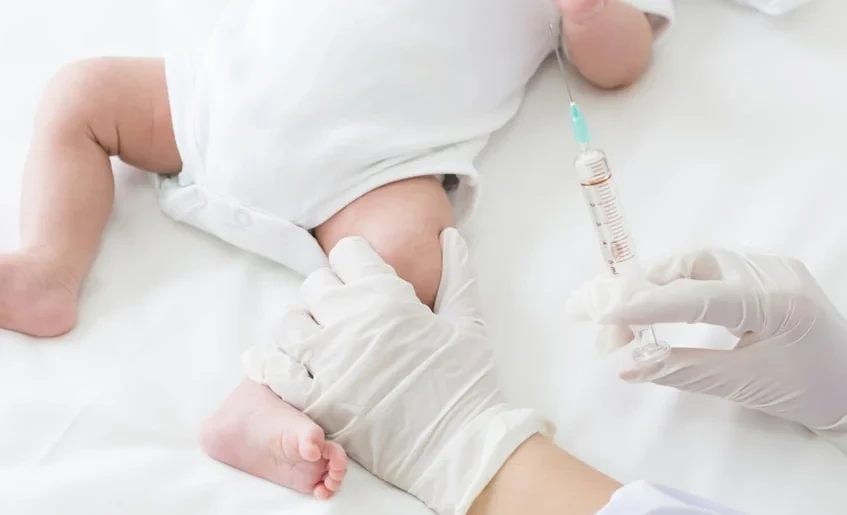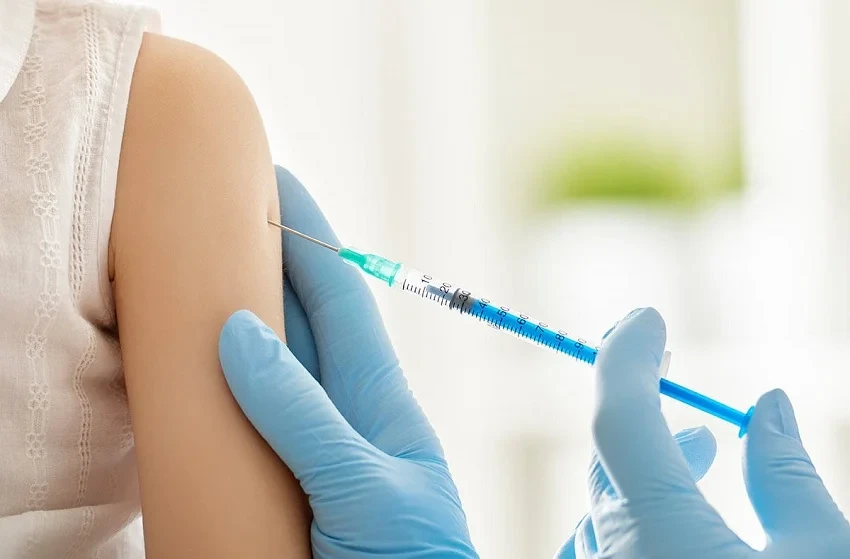
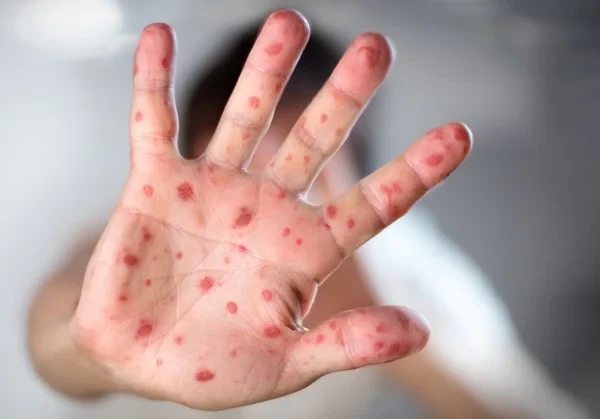

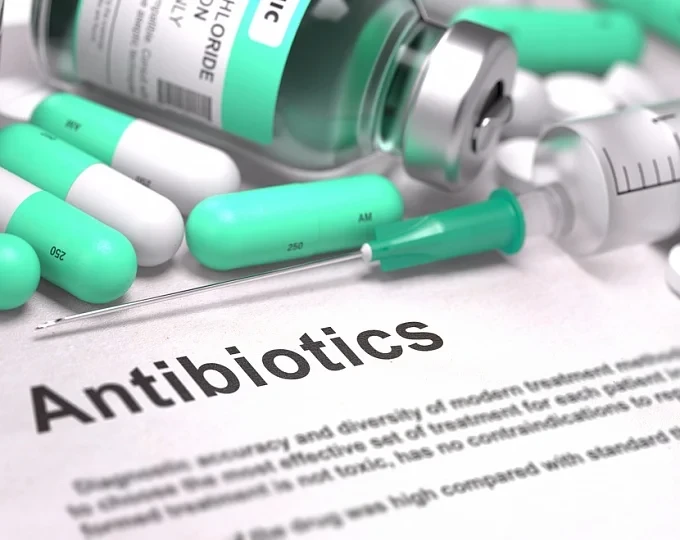
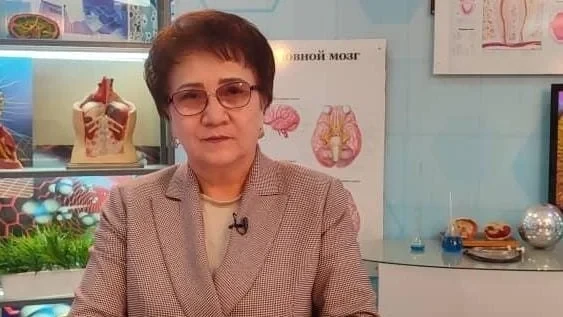

Today, many parents, by refusing vaccination, become unintended allies of viruses, resulting in thousands of children losing their immune protection. Major problems arise when patients arrive at the hospital too late, having wasted time on self-treatment. One of the most common and dangerous mistakes is the use of antibiotics to treat viral infections.
Moreover, doctors are concerned about the sharp increase in bacterial resistance to antibiotics, which has occurred due to their uncontrolled use during the COVID-19 pandemic.
“Unjustified use of antibiotics, especially cephalosporins, has led to drugs like ceftriaxone losing their effectiveness. As a result, when patients truly need help, this antibiotic may prove useless. Self-treatment also poses serious life risks: people often arbitrarily adjust the dosage or stop taking it at the first signs of improvement. There have been cases of fatalities due to incorrect combinations of antibiotics with other medications,” she added.
This clearly demonstrates how distrust in medicine and blind adherence to internet advice can lead to serious consequences. Fear of vaccination and simultaneously thoughtless use of serious medications at home create a critical situation for the healthcare system.
Vaccination as protection against childhood diseases
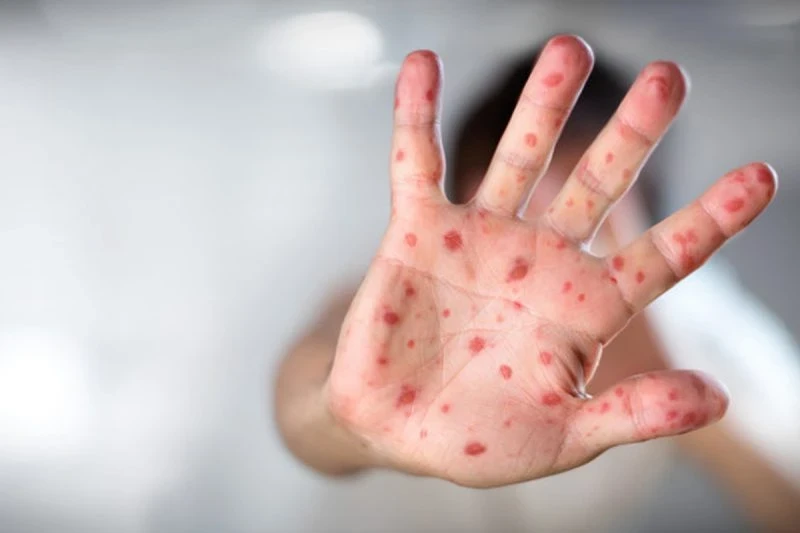
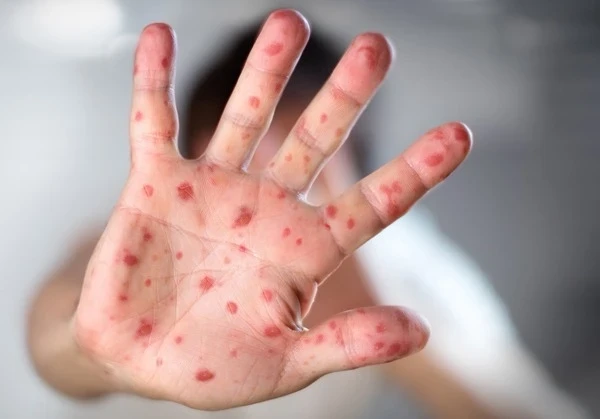
The MMR vaccine (measles, mumps, rubella) protects against three dangerous viruses. The consequences of these diseases can be irreversible, even if the child can endure the illness. Vaccination in childhood is a protection against potential infertility in the future.
“Mumps, for example, can cause orchitis in boys over 14 years old, which will lead to infertility in the future. Rubella, although it is mild in children, is extremely dangerous for pregnant women, as it can cause severe developmental defects in the fetus if the mother becomes ill in the first trimester,” noted Damirakhan Chynyeva.

Prevention as the best approach
The cost of one dose of vaccine or preventive examination is significantly lower than the expenses for treating an advanced disease. A vaccination may cost several hundred soms or be free under state programs, while treating diseases can amount to tens or hundreds of thousands of soms.
Many infections leave long-term consequences, and treating their complications can take years and require significant financial investments. In the context of constantly rising prices for medical services and medications, timely vaccination remains the most accessible and effective way to protect against potential health threats.
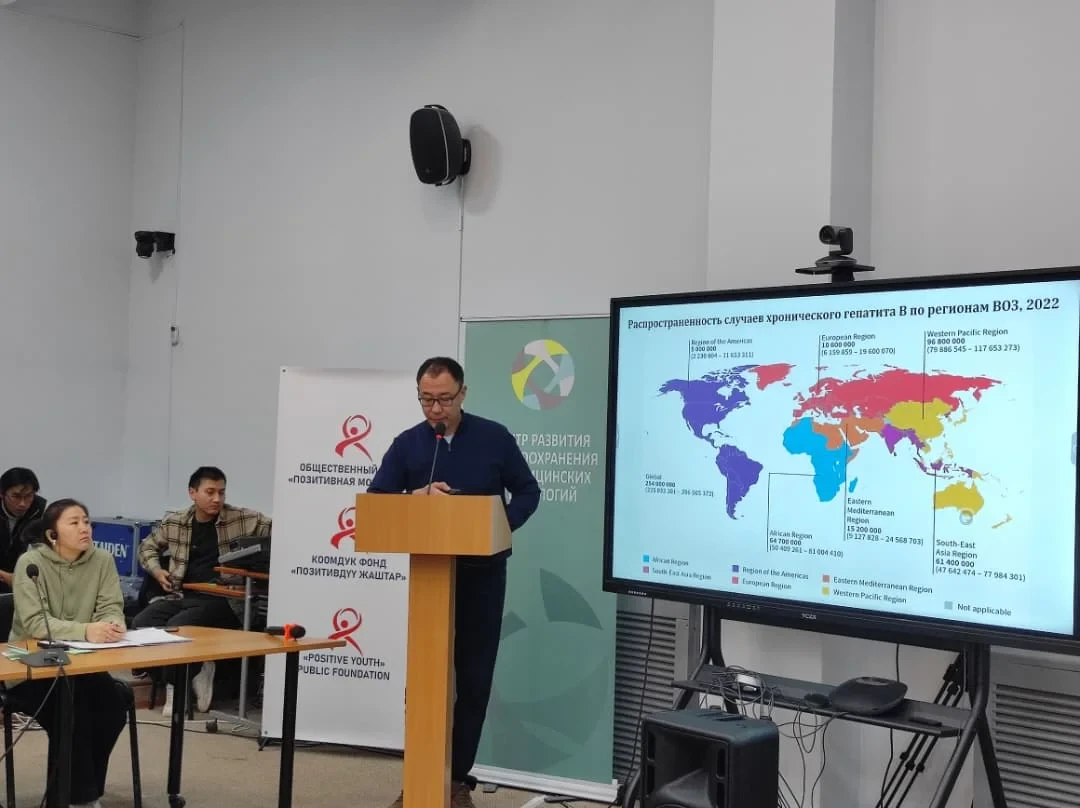
Aizharkyn Egemberdieva, head of the infectious disease prevention department at the Republican Center for Health Promotion and Medical Care, asserts that vaccination is one of the most effective methods of preventing infectious diseases, confirmed by scientific research.

People often refuse vaccines due to a lack of information and distrust of official sources, leading to the spread of unverified information. Aizharkyn Egemberdieva urges the population to rely on scientific data and recommendations from health organizations.
She highlighted common myths about vaccination:
- “The first myth is that vaccines cause autism. This claim has been scientifically disproven by numerous international studies.
- The second myth is that it is better to get sick than to be vaccinated. Infectious diseases can lead to serious complications, while vaccination provides protection without the risk of severe consequences.
- The third myth is that vaccines overload the immune system. A child's immune system encounters many antigens daily, and the burden from vaccines is minimal compared to natural contact with infections.”
“Adults should get revaccinated against diphtheria and tetanus every 10 years, vaccinated against hepatitis B, and annually against influenza,” she added.
Preparation for vaccination does not require strict diets, but following a few simple recommendations can help the body cope with the vaccine more easily.
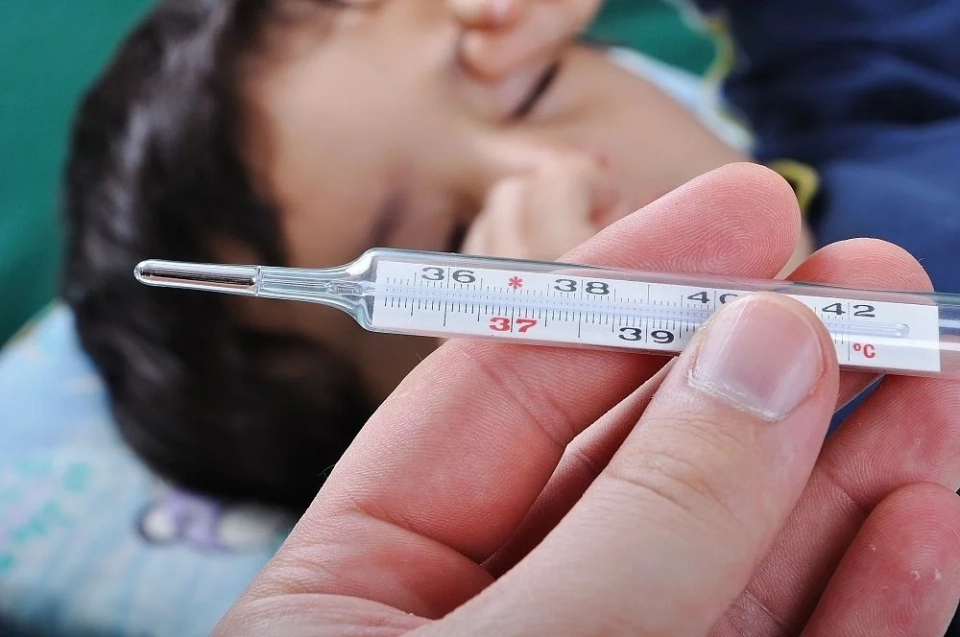
“It is recommended to come for vaccination healthy, inform the doctor about chronic diseases and allergies, avoid overheating and overcooling on the day of vaccination, and remain under observation for 20-30 minutes after vaccination. One should not be afraid of mild reactions, such as redness at the injection site or a brief increase in temperature – this is a normal reaction of the immune system,” concluded the head of the infectious disease prevention department at the Republican Center for Health Promotion and Medical Care.