The Prime Minister noted that there are currently no reports of fatalities or missing persons. “We urge the population to continue their normal lives, but it is necessary to be prepared for immediate evacuation in case of aftershocks,” she added, emphasizing the importance of vigilance over the next week.
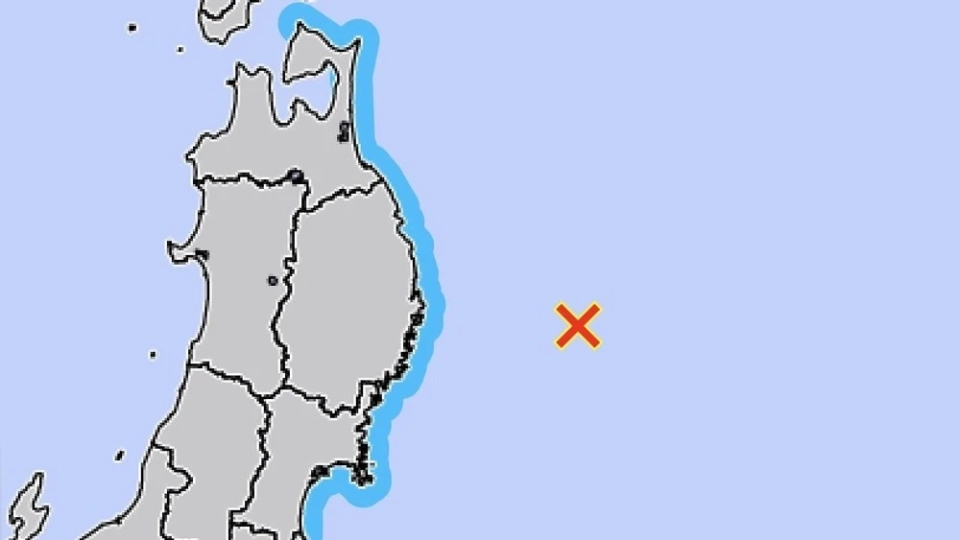
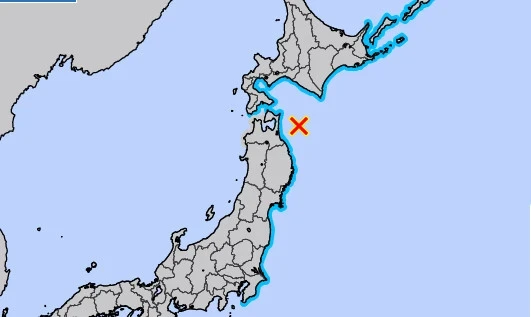
The epicenter of the earthquake was located in the Pacific Ocean, east of Aomori Prefecture, at a depth of 50 km. Initially, its magnitude was estimated at 7.2, then raised to 7.6, and the final assessment was 7.5. After the tremors, a tsunami warning was issued for the eastern and northeastern coasts of Japan, where waves could reach heights of up to three meters. However, the tsunami warning was later lifted, and the highest wave recorded near the coast was 70 cm.
According to reports, there were no emergencies at Japan's nuclear power plants, including the Fukushima-1 NPP, as a result of the earthquake.
The earthquake also caused disruptions in railway transport in eastern and northeastern Japan, temporarily halting the movement of Shinkansen bullet trains.
This earthquake was the strongest in Japan since the beginning of 2025. Earlier, on November 9, a magnitude 6.8 earthquake occurred off the coast of Iwate Prefecture, which also triggered a small tsunami, but there were no casualties.