Starting from September 1, leading universities in Russia will begin implementing a new educational system, as reported by TASS. A "mass transition" to new formats is planned for the 2027-2028 academic year and will affect all higher educational institutions in the country, regardless of their departmental affiliation and ownership. The Ministry of Education guarantees that students will not face abrupt changes.
The first deputy chair of the State Duma Committee on Science and Higher Education, Ksenia Goryacheva, noted that with the transition to the new model, the "bachelor" and "master" formats will be abolished. The specialized level will become an updated version of the master's program, focusing on professional, managerial, and research areas. In addition, graduates of basic programs will have the opportunity to participate in competitions for budget places, which was previously prohibited. Starting September 1, 11 more universities will join the process of abandoning the Bologna system, in addition to the six that have already done so as part of a pilot project. Among them are: Bauman Moscow State Technical University, Moscow Institute of Physics and Technology, Pirogov Russian National Research Medical University, Ural Federal University, Far Eastern Federal University, and Southern Federal University.
The abandonment of the Bologna system, which facilitated international contacts among universities and provided students with the opportunity to continue their studies abroad, became possible after the onset of military actions in Ukraine. Deputy Speaker of the State Duma Pyotr Tolstoy emphasized the importance of such a step to avoid "ideological defeat" and not lose the youth. The head of the Ministry of Education and Science, Valery Falkov, noted that the education system should be based on the interests of the national economy.
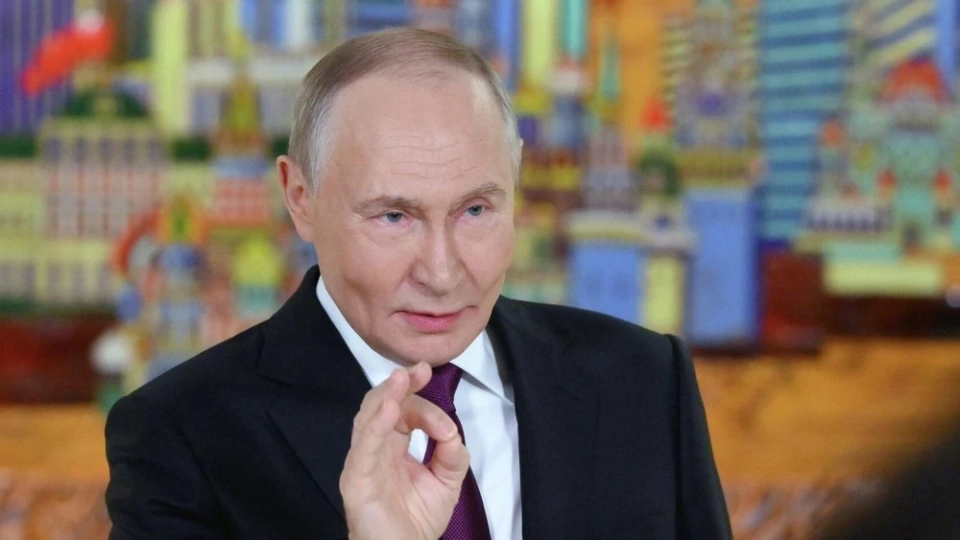
In May 2023, President Vladimir Putin signed a decree launching a reform of higher education in the country. The pilot project covers MAI, MISiS, MPGU, St. Petersburg Mining University, Baltic Federal University named after Kant, and Tomsk State University.
The Bologna system was introduced to create a unified educational space among leading European countries that signed the Bologna Declaration in 1999. It provides for a two-tier system of higher education: bachelor's (four years) and master's (two years). Currently, 49 countries participate in the Bologna process, and Russia joined it in 2003.