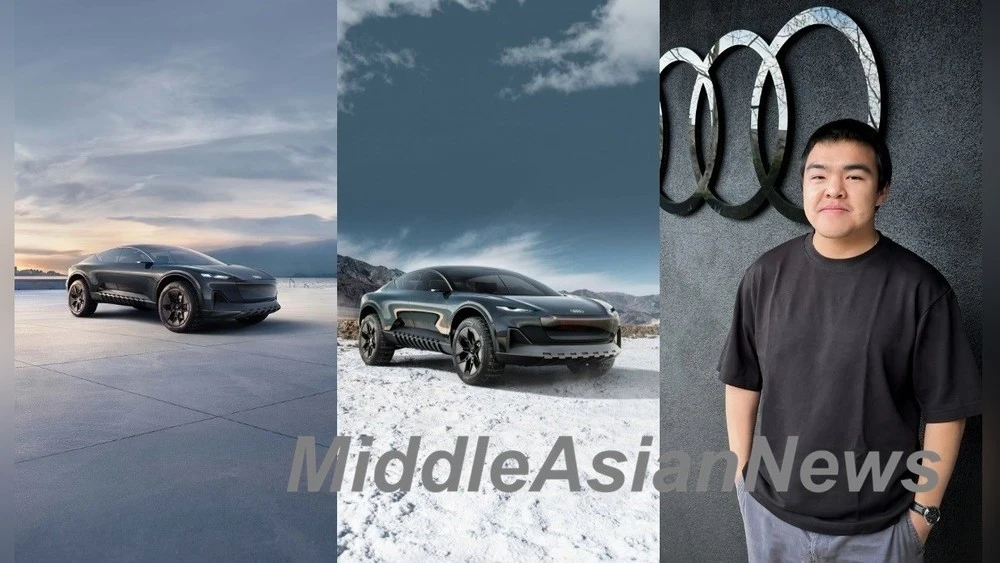
According to MiddleAsanNews, Davaadorj Battugs is a car designer and visualizer at Audi, working at the intersection of creative design and digital storytelling.
“I am Davaadorj Battugs, I am 25 years old. In Los Angeles, I am engaged in car design at Audi, as well as working with 3D rendering and computer graphics. These technologies help me present the results of my work in the form of 3D models that meet engineering requirements. The models allow us to visualize how cars will look and function in reality,” he shares.
He has created two concept cars for Audi in recent years: Audi Activesphere (2023) and Audi Concept C (2025), which is expected to be a step in the new evolution of the company's design philosophy.
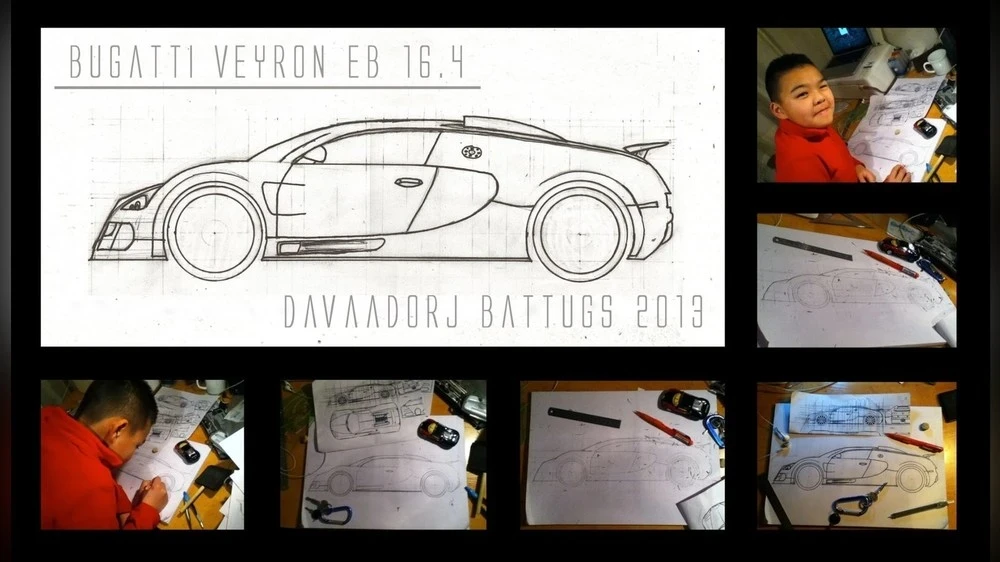
“My first inspiration came at the age of 8-9 when my father gave me a CD with the game 'Tsakhim Tsagaan Tolgoi,' where a child connects water trucks and pushes them down a hill to create a machine. This fascinated me, and I thought, 'It would be great to create such a machine.' Since then, I have drawn cars a lot. In the eighth grade, my architect brother asked me about my future profession and advised me to prepare for a career in car design. I saved some of my drawings and continued to draw from 8th to 12th grade, preparing for university admission,” he recalls.
“My interest in car design began in childhood. I have always been attracted not only to the mechanisms of cars but also to their aesthetic side. Immersing myself in design, I began to realize how digital tools allow ideas to be realized even before their physical embodiment,” he says in an interview with IKON.
“Visualization through computer graphics became a true passion for me. I realized that it is not only about creating realistic images but also about storytelling, atmosphere, and conveying design vision. The skills I developed by combining design and visualization opened doors for working on concepts at Audi,” he adds.
“My transition to visualization was natural, as I started studying 3D tools while still at university, mastering Blender 3D and Unreal Engine, while simultaneously developing traditional design skills. Digital visualization was not a separate discipline for me. Traditional design taught me the basics, while 3D allowed me to develop ideas further. I also began experimenting with animation and environments to visually tell the story of how a car could be used,” he explains.
“With the development of tools and rendering capabilities, especially in Unreal Engine, the boundaries between design and visualization are blurring. It has become easier to receive visual feedback and use it to improve design,” he summarizes.
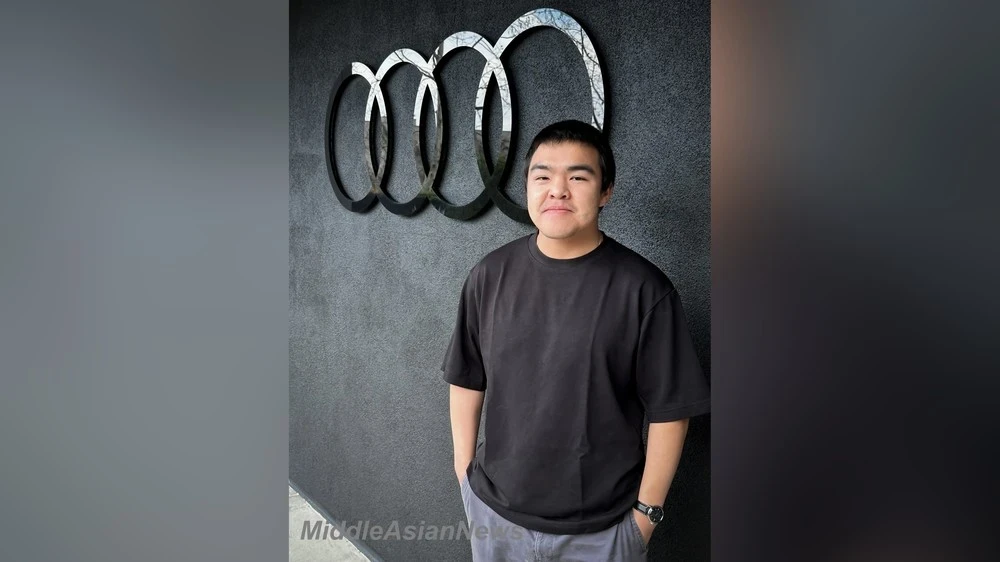
“My main task was to visualize the project: creating a visual language and style for the concept car. This included transforming designers' ideas into compelling images that conveyed not only the appearance of the car but also its emotional component,” Davaadorj explains.
“I worked on the shape, materials, lighting, and environment to make the car look realistic and fit the Audi concept. Visual storytelling also played a key role. Concept cars are not just cars; they are a vision of the future, so the visual details must reflect how cars integrate into everyday life,” he adds.
“It is important to connect design and storytelling so that the concept not only looks but also feels right,” he emphasizes.
“When a 3D model is created, visualization becomes critically important. Designers work on a model that conveys the feel of key sketches, and it is important to understand how light interacts with surfaces. This helps identify problems at early stages. At later stages, visualization is used to present work to management. It is important for everyone to be on the same page,” he says.
“For concept C, we developed new mechanisms for the headlights and taillights that imply movement. I visualized how this would look so that designers and engineers could reach an agreement,” Davaadorj concludes.
“I believe it is important to know the basics of car design. This is a field that evokes strong emotions. The story told through visual images should always come first; details come second. Aspiring artists should keep an eye on new tools and technologies to stay at the forefront. After all, no one will fly to the Moon without a rocket,” he concludes.
```