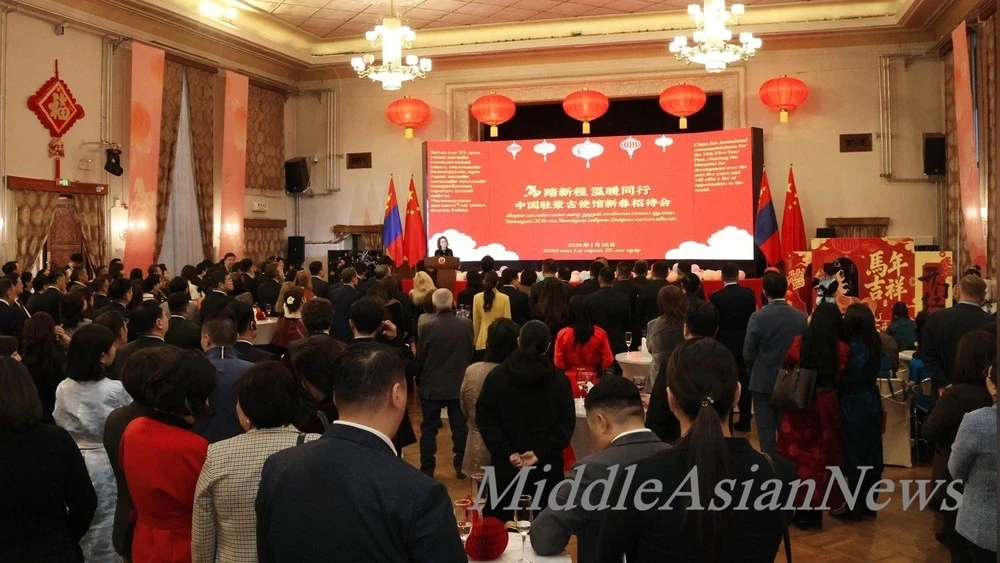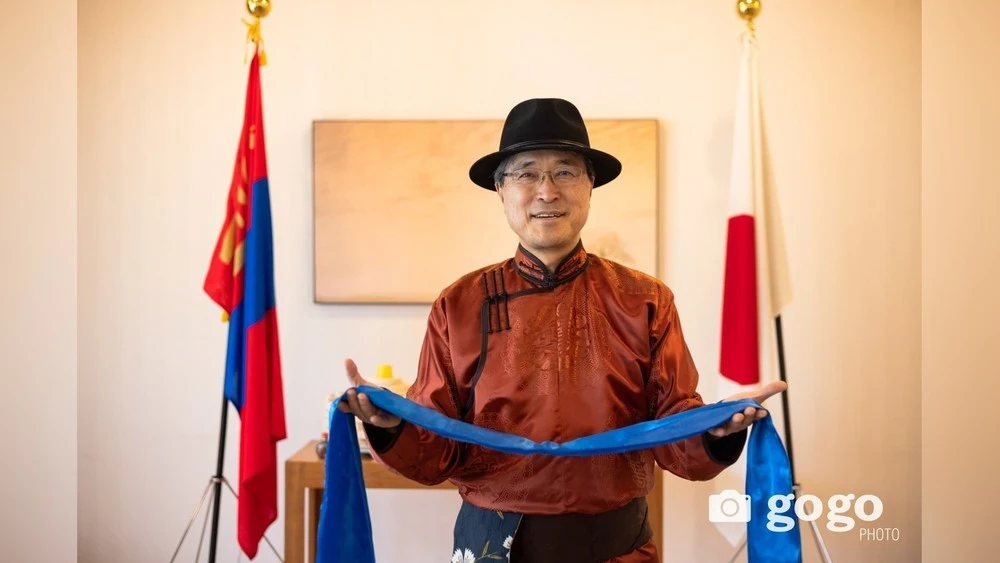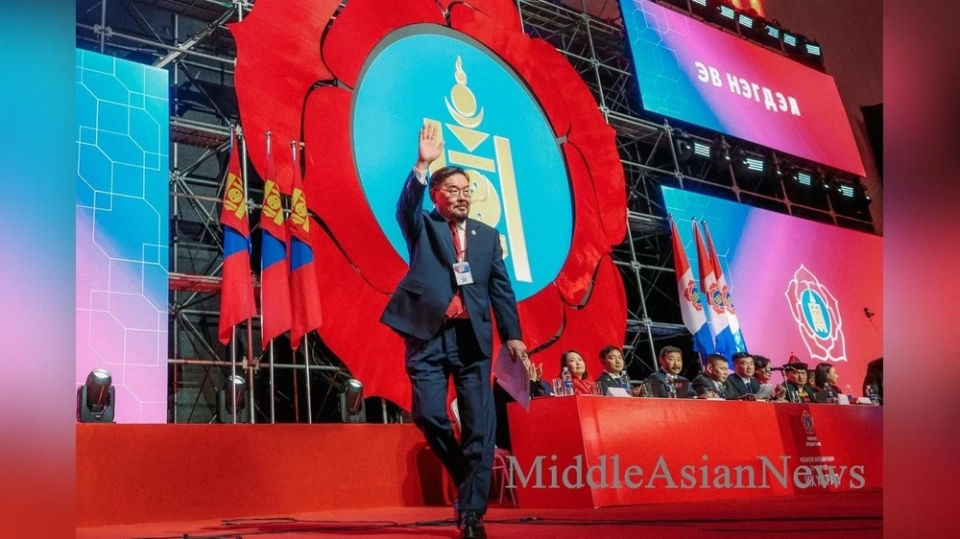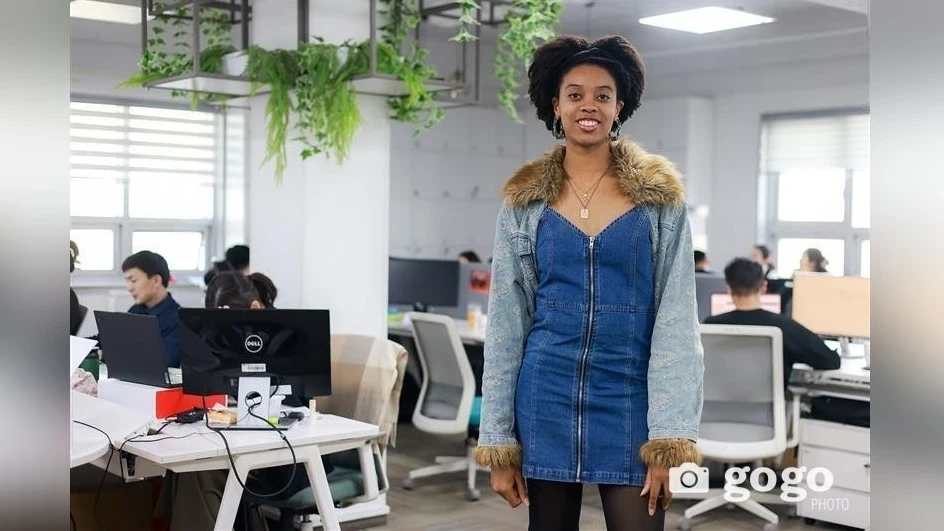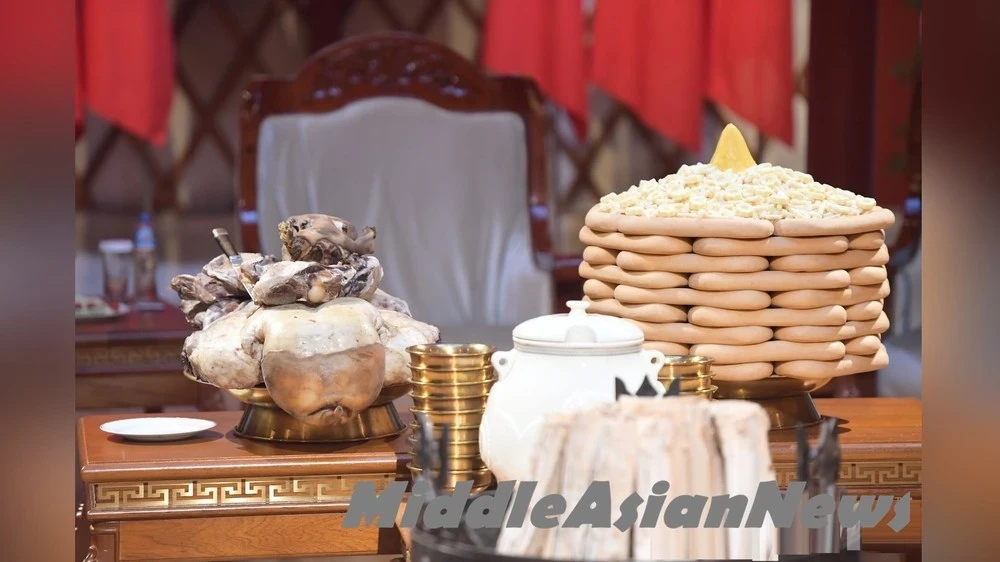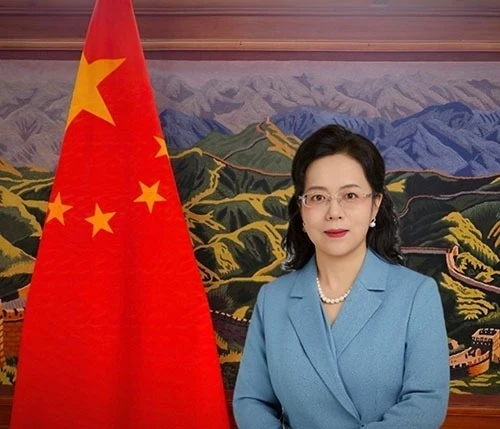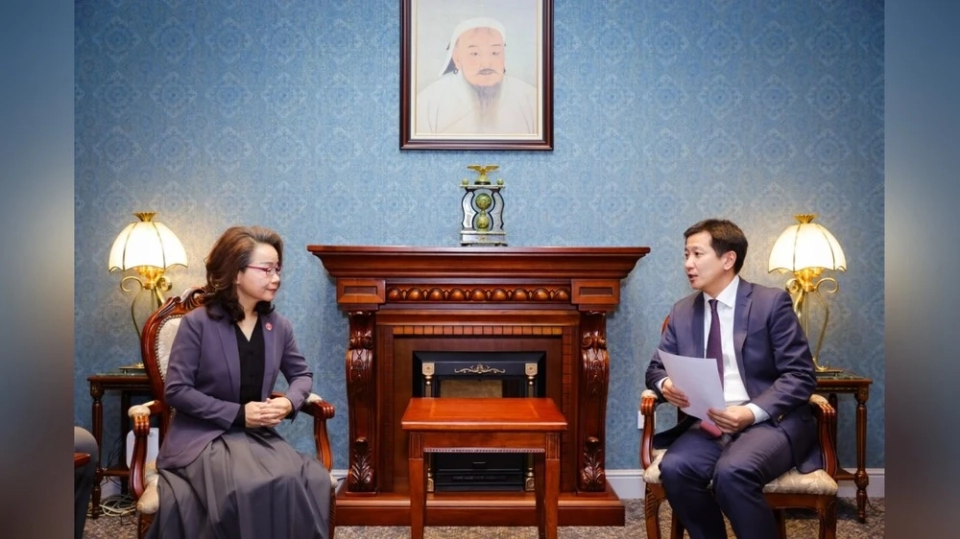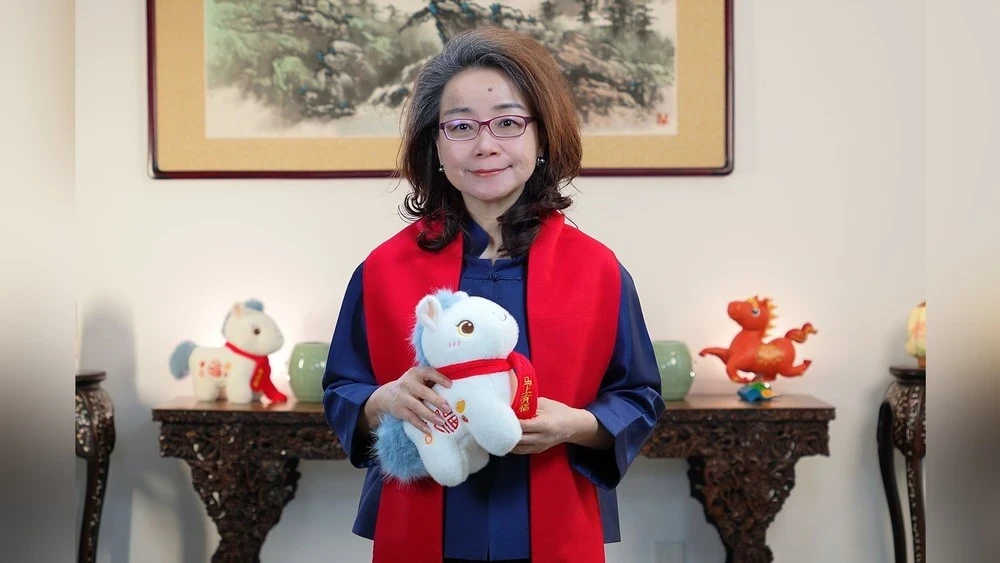
“This year, Tsagaan Sar coincides with the Chinese Spring Festival just a day apart, and soon both countries will celebrate the arrival of the Year of the Fire Horse!” reports MiddleAsianNews, citing the Chinese ambassador in Ulaanbaatar.
The horse, embodying courage, intelligence, and endurance, is an important symbol in both cultures. The Year of the Fire Horse, which occurs once every 60 years, symbolizes bold progress and hope for the future.
In connection with the beginning of the Year of the Fire Horse, I wish for the strategic partnership between our countries to develop rapidly and achieve all set goals. May this year bring luck, health, and happiness to our friends in Mongolia!
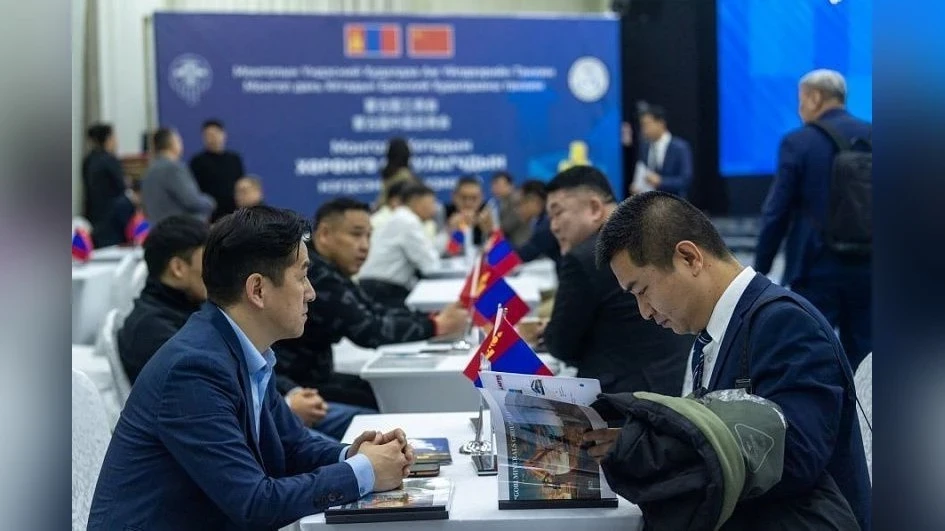
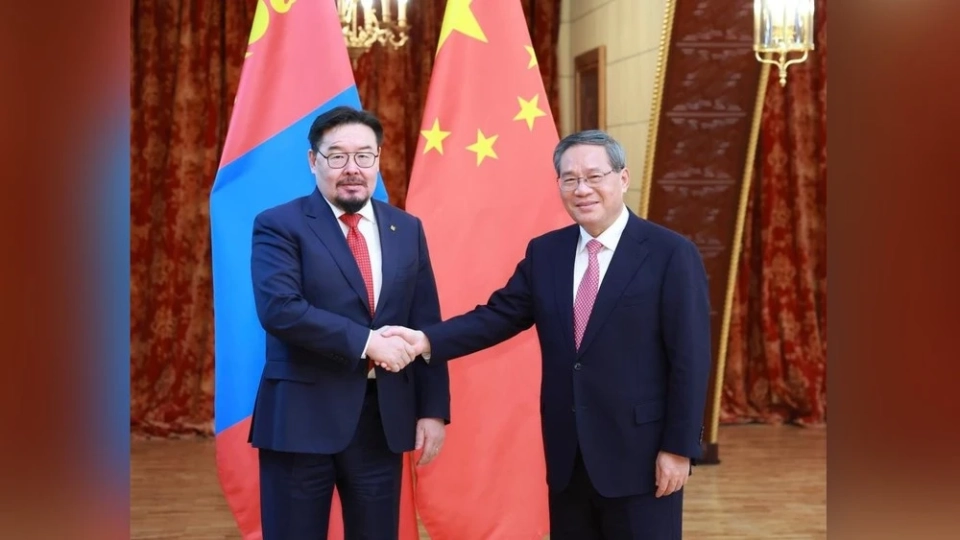
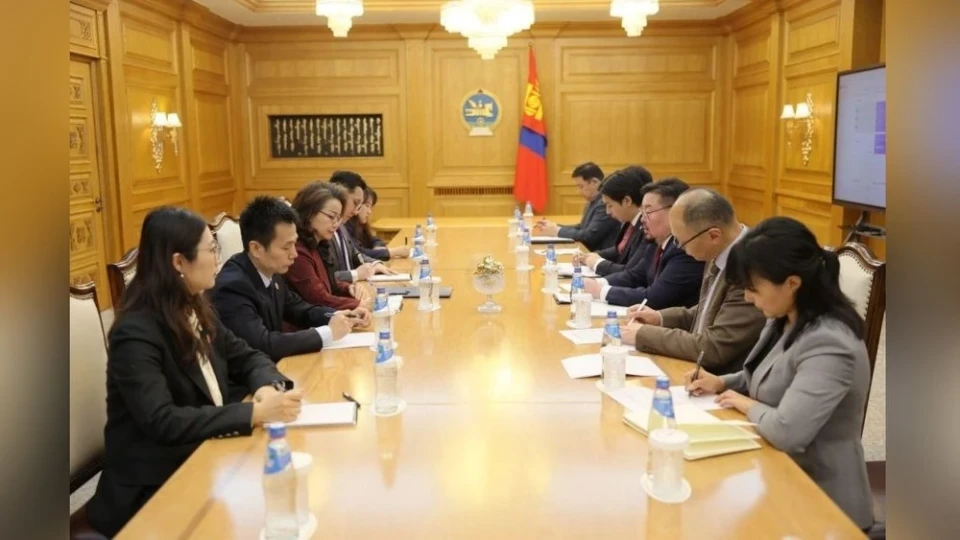
Over the past year, the China-Mongolia strategic partnership has strengthened, and cooperation in various fields has yielded high results. Especially under the conditions of a complex international situation, trade between our countries demonstrates remarkable stability, indicating its significant potential for further growth.
Allow me to share three key expectations regarding the development of relations between China and Mongolia in the Year of the Fire Horse.
First of all, it is important to strengthen strategic coordination. This year marks the beginning of China's 15th Five-Year Plan, and Mongolia is also implementing a new five-year plan. These plans are interconnected, and there is hope for mutually beneficial development. Next month, the 15th Five-Year Plan will be discussed at the National People's Congress, after which more specific initiatives will be proposed to Mongolia. We urge our Mongolian partners to pay attention to this.
Secondly, it is necessary to actively promote joint projects.
In the past year, China and Mongolia have achieved significant successes in implementing major joint projects:
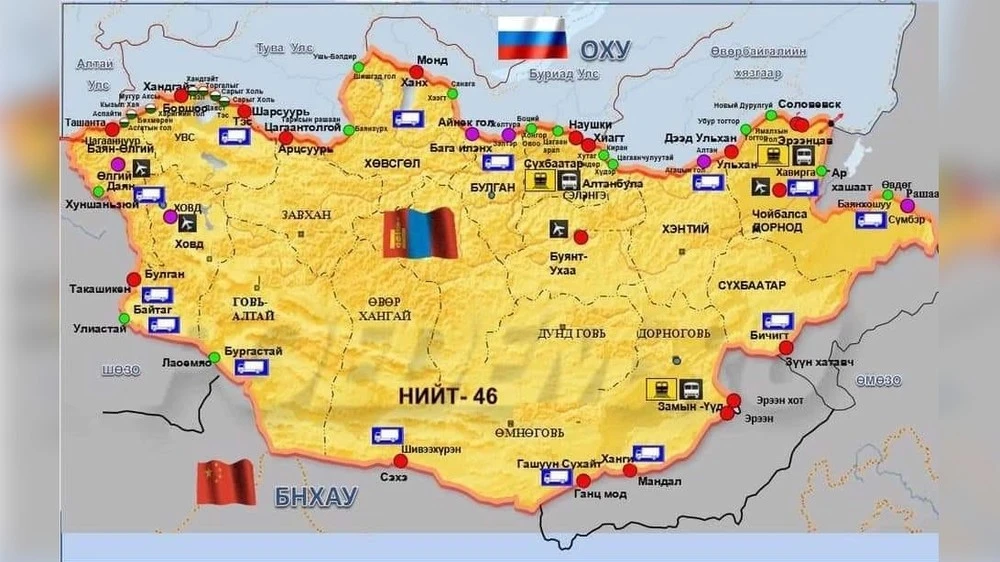
The construction of the Gantsmod-Gashuunsukhait cross-border railway has begun, becoming the second such railway in the last 70 years;
The construction of the Erdeneburen hydropower station has been launched, which will provide electricity to thousands of households in the western part of the country;
The housing reconstruction project for 1008 families in the ger districts has been completed;
Projects are expected to start, including a sports complex dedicated to the heads of state of both countries.
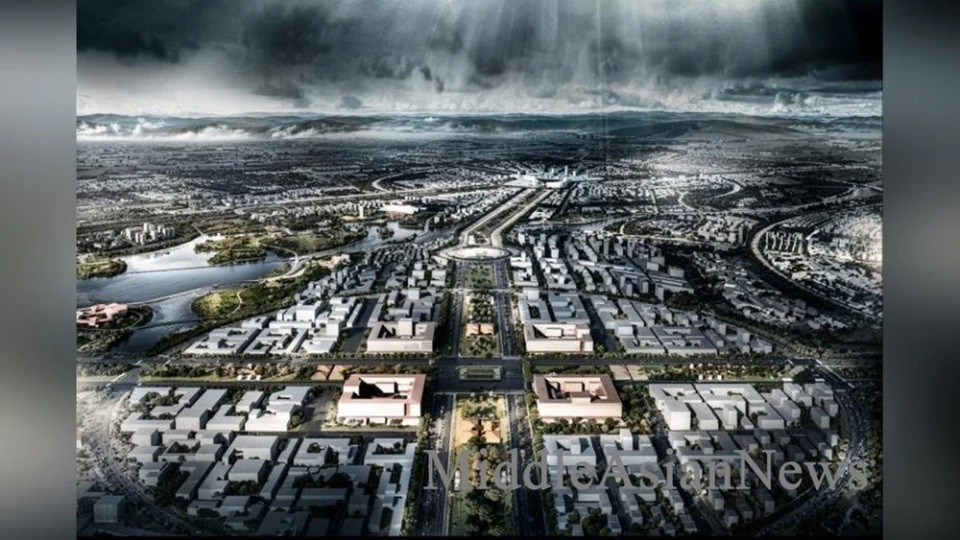
Thus, China is ready to actively cooperate with Mongolia in the implementation of joint projects and contribute to the modern construction of both countries.
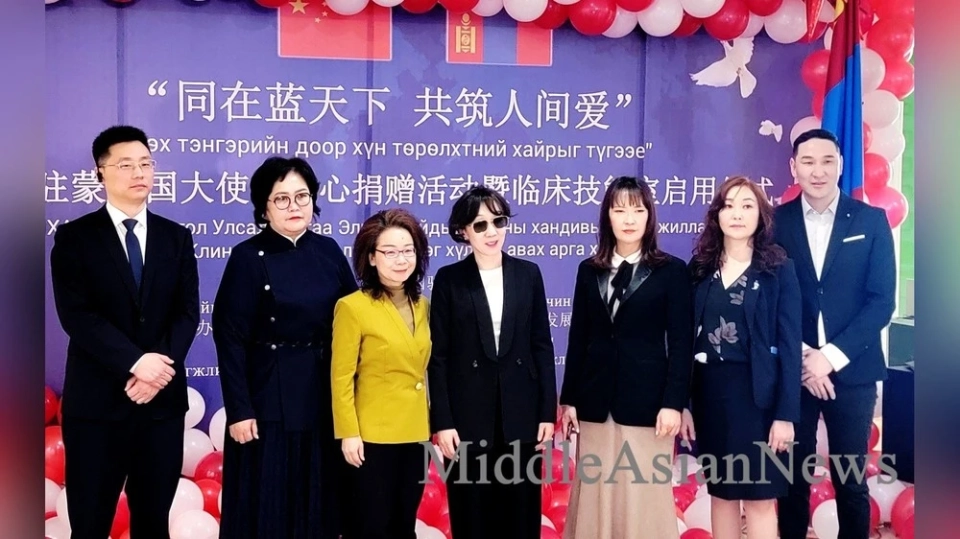
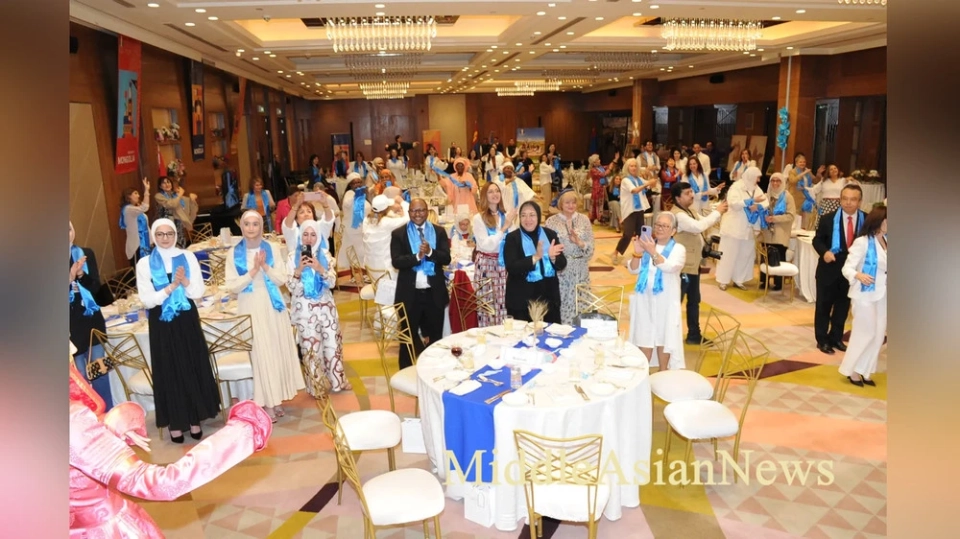
Thirdly, it is necessary to increase support for initiatives aimed at improving the lives of citizens. I was pleased to invite Mongolian friends who underwent cataract surgeries and treatment for congenital heart defects in China to a recent reception at the embassy, and I was glad to see their successful recovery. China will continue to provide medical assistance to Mongolian citizens in need.
I also visited Enkhsaikhan's home in the ger district, where he shared that the new solar heating system has made his life more comfortable and pleasant. With China's support, over 500 families will be able to enjoy similar living conditions.
In addition, China is cooperating with the UN to enhance the ability of herders to adapt to climate change, improve soil management, and sanitary conditions for girls, contributing to Mongolia's achievement of sustainable development goals.
In conclusion, I would like to express my gratitude to all sectors of Mongolia for their continued support of my work.
I will continue my efforts to strengthen relations between China and Mongolia and strive for fruitful results in our interaction.