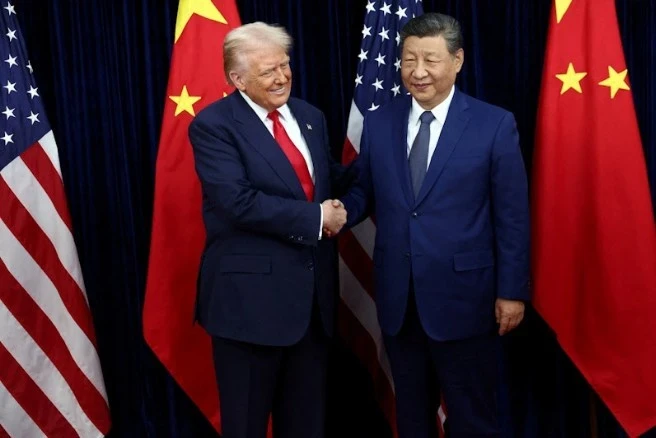
“China is cautious regarding Trump’s ‘Council of Peace’,” notes the author of MiddleAsianNews.
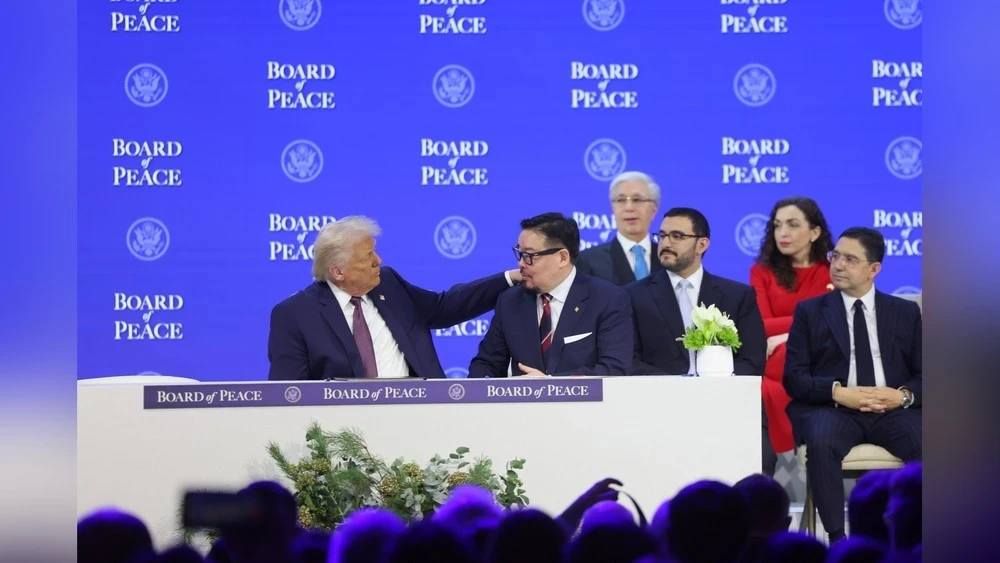
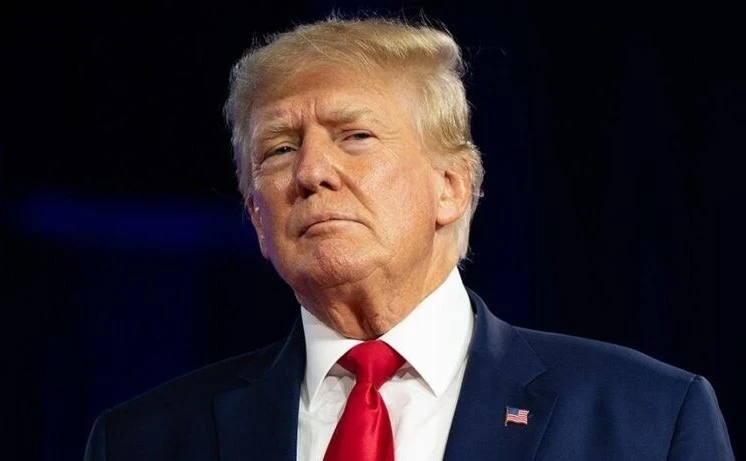
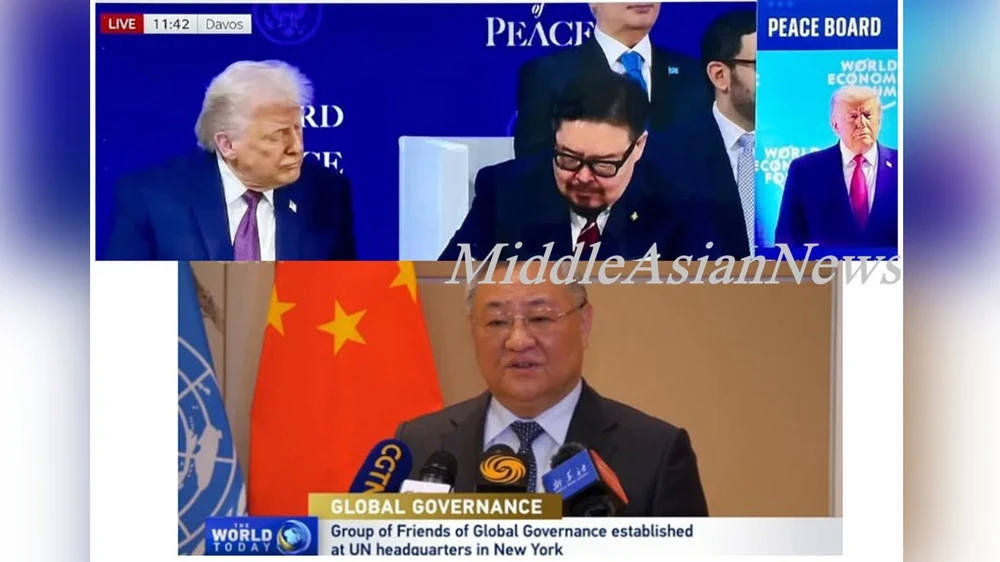
In January 2026, at the World Economic Forum in Davos, Switzerland, U.S. President Donald Trump established the Council of Peace (CP). China reacted to this event with restraint: Hua Chunying, a representative of the Chinese Ministry of Foreign Affairs, merely confirmed receipt of the invitation.
However, analysts in China, citing international risks, express doubt that the newly created “Council of Peace” will not become a tool for U.S. dominance, capable of undermining the existing international order and even replacing the UN. Some experts have labeled this initiative an imperial project, pointing out that it is merely a “small group of Trump supporters” that implies colonial approaches and “extortion.”
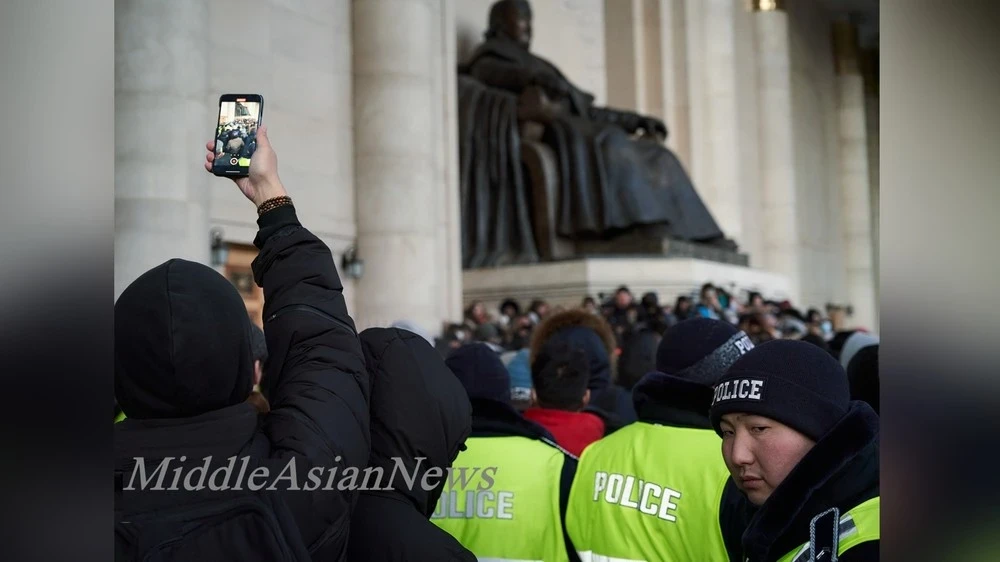
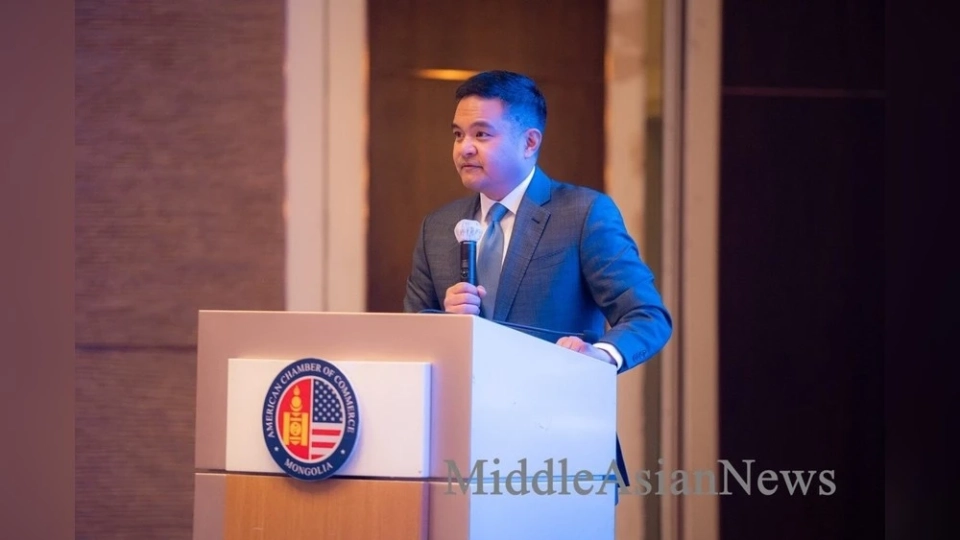
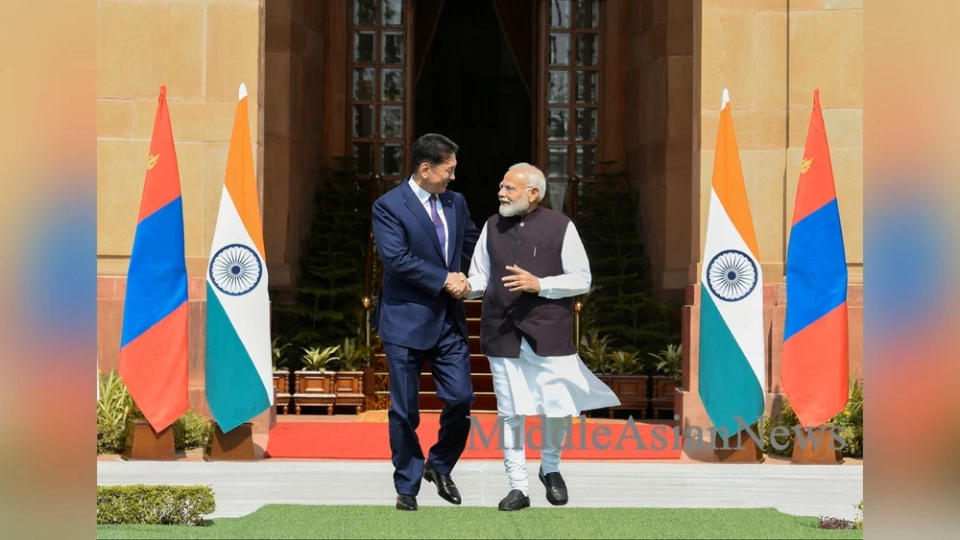
Although similar discussions can be heard in other countries, China’s concerns about Trump’s Council of Peace have deeper roots. Meanwhile, Mongolia, China’s neighbor, has already become a member of this Council.
China's Multilateral Approach Amid Trump's Peace Initiative
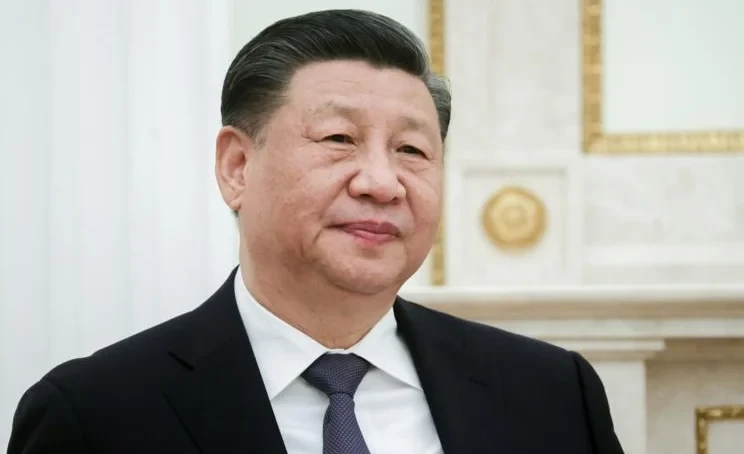
Despite criticism of the Council of Peace from Chinese experts, Xi Jinping actively promotes multilateral diplomacy and global governance in China’s interests. Under his leadership, China has launched a series of initiatives, including the Belt and Road Initiative and three main global initiatives aimed at creating a fairer system of international governance and strengthening China’s position in the UN.
China effectively uses its influence in the UN to legitimize and promote its initiatives, such as the Belt and Road Initiative, which is already supported by more than 150 countries and over 30 international organizations, including the UN.
Furthermore, the Global Development Initiative launched by China has also received support from various countries and organizations, including the UN. The Global Security Initiative, addressing numerous global issues, is also supported by the China-UN Peace and Development Fund.
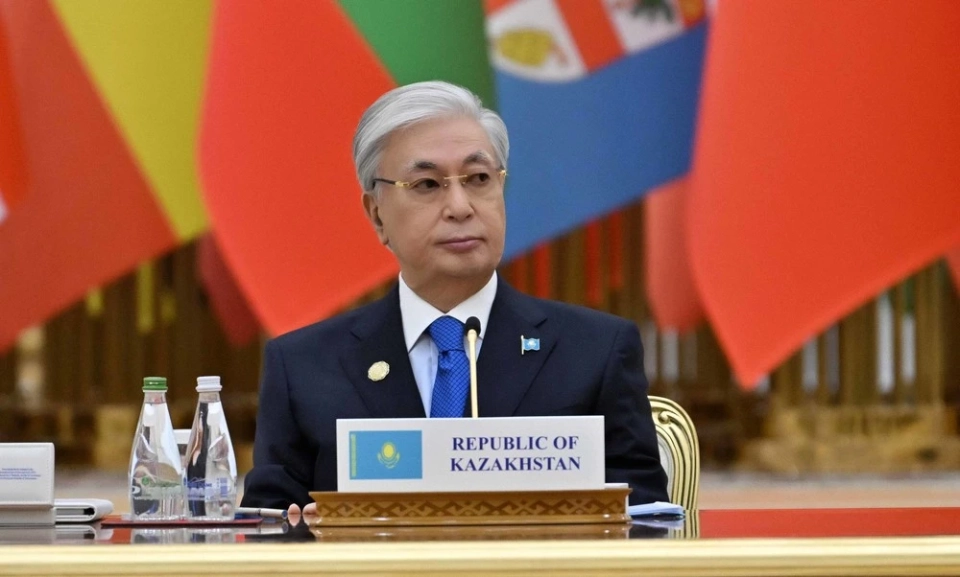
Recently, Xi Jinping introduced the Global Governance Initiative, which includes five key principles, such as sovereign equality and multilateralism. To implement this initiative, a “Group of Friends of Global Governance” was established in the UN, comprising 43 countries, including Mongolia and Kazakhstan.
In 2025, China established an International Mediation Organization, which is intended to compete with institutions such as the International Court. This organization will deal with dispute resolution between states and international commercial disputes.
China's Strategic Partners in the Shadow of Trump
China is also concerned that Trump’s Council includes representatives from countries that have strategic ties with China under the Belt and Road Initiative. Instead of traditional U.S. allies, countries such as Mongolia, Pakistan, and Saudi Arabia, which have long supported China, were present at the signing ceremony. Mongolia, for example, is actively developing cooperation with China in transportation and mineral extraction.
Chinese analysts wonder why these countries are willing to cooperate with the U.S. despite their ties with China, which may indicate a hidden betrayal of loyalty or a hedging strategy in the context of global competition. This situation creates new challenges for China, especially in light of changes in relations with traditional allies.
China's Strategy in the Middle East Under U.S. Influence
Chinese experts also noted that Trump’s “Council of Peace” includes not only leading Arab countries but also important Islamic powers such as Indonesia and Turkey. This inclusion underscores political significance and may impact the Israeli-Palestinian conflict.
The participating countries, including rivals such as Saudi Arabia and Qatar, show a willingness to unite despite internal disagreements, which could create new challenges for China.
For these countries, participation in the Council does not necessarily mean support for all U.S. initiatives. They seek to influence the process while preserving their interests. This presents a dilemma for China: non-participation could lead to a loss of influence, while participation could create new problems, including commitments to international missions.
Thus, China’s attitude towards Trump’s “Platform” remains extremely cautious. As a permanent member of the UN Security Council, China has no grounds for participating in a structure controlled by Trump. China’s focus is on proposing “Chinese solutions” to global problems, which contradicts U.S. approaches and seeks to expand its influence in international politics.
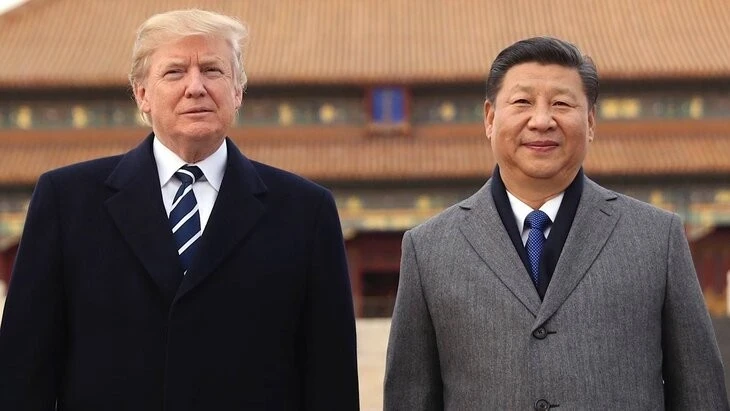
Under these circumstances, China’s entry into Trump’s Council of Peace seems illogical. However, China is unlikely to publicly reject it to avoid harming current trade negotiations. Therefore, it adopts a wait-and-see position, remaining in the shadows and waiting for the right moment, concealing its dissatisfaction under a general skepticism towards Trump’s Council of Peace.