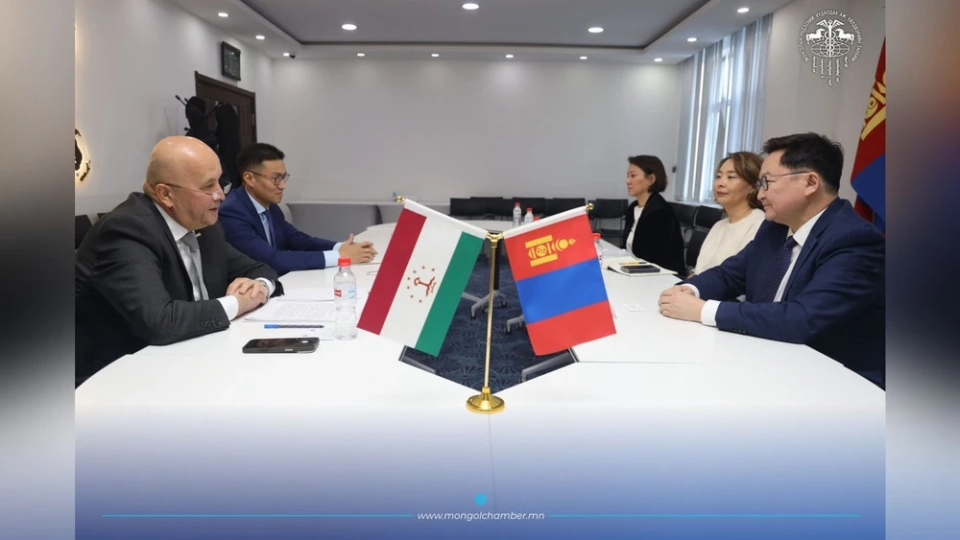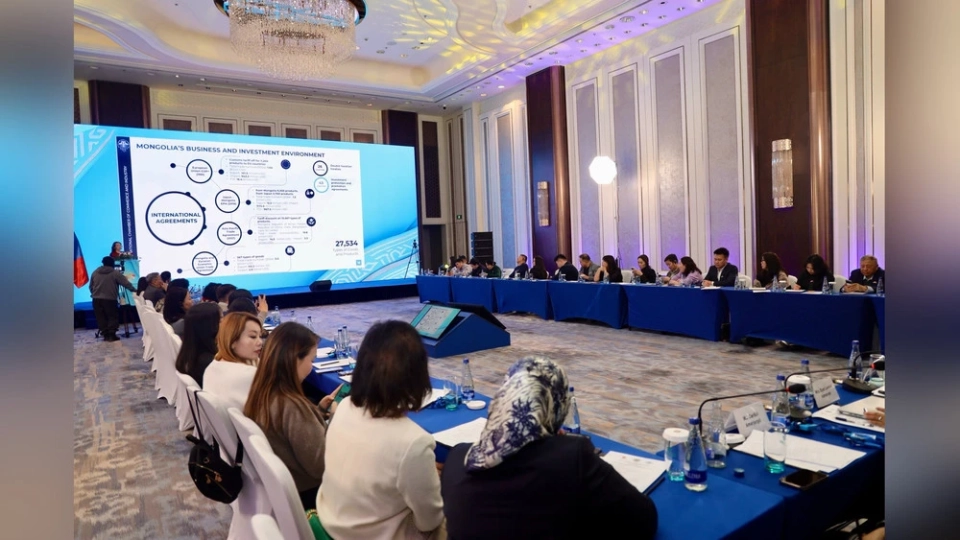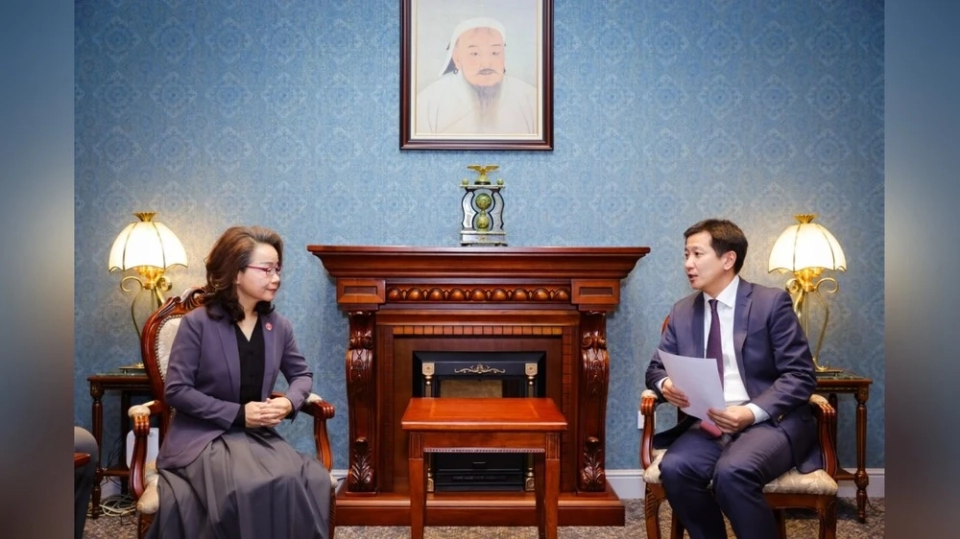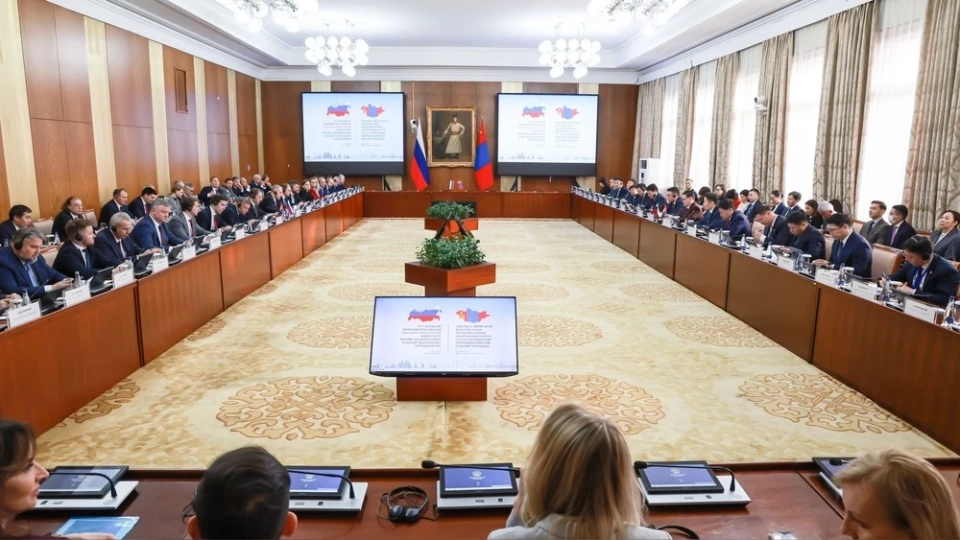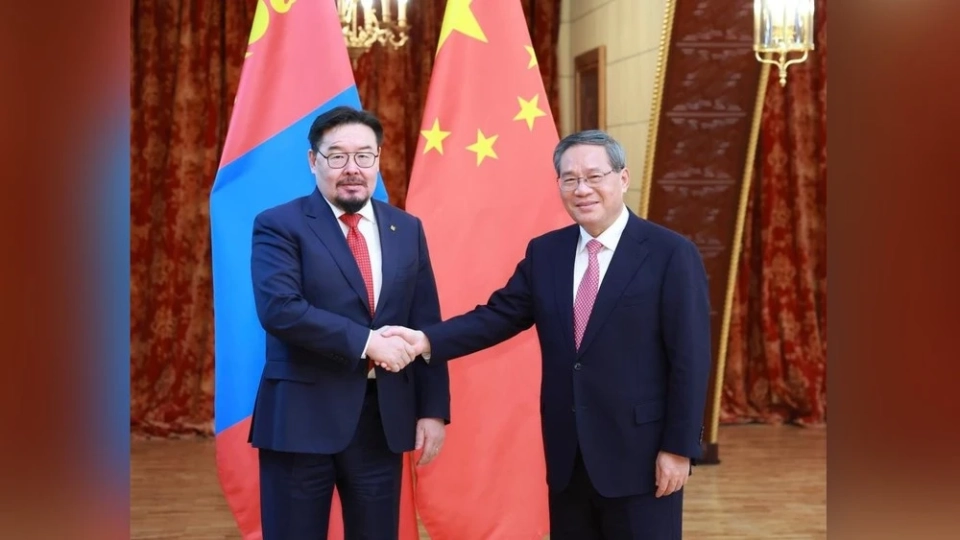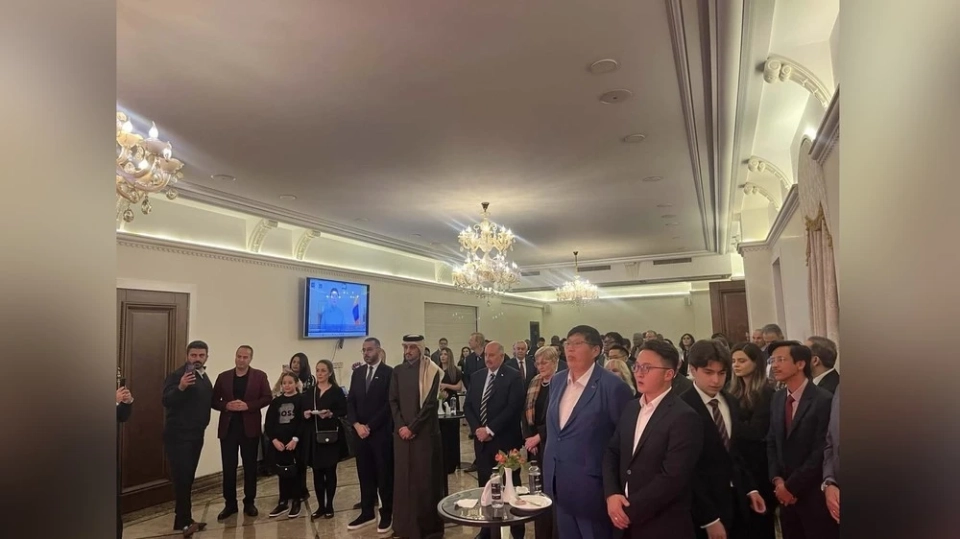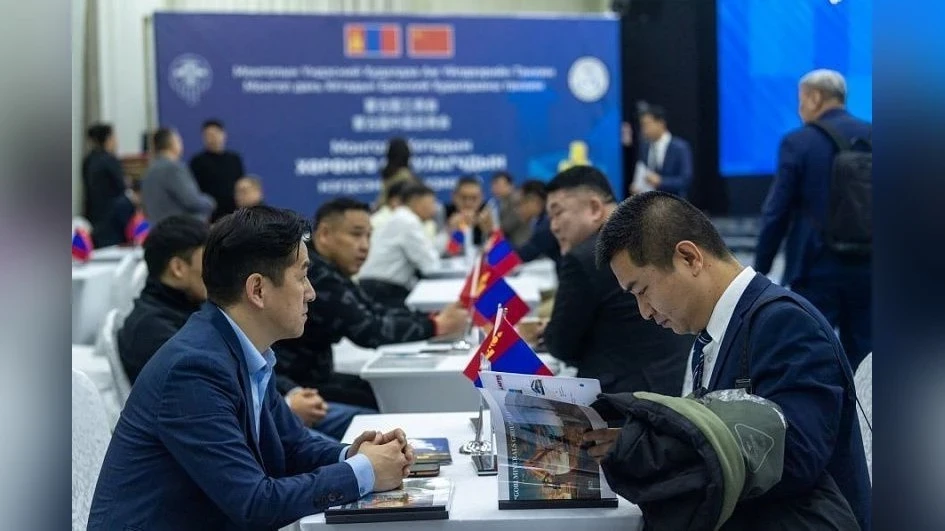
At a meeting held on January 10 at the National Chamber of Commerce and Industry of Mongolia, representatives of government structures and enterprises with Chinese capital discussed important issues.
The main goal of the meeting was to improve interaction between government agencies and Chinese companies operating in Mongolia.
According to the president of the Chamber, B. Lkhagvajav, the trade turnover between Mongolia and China reached 16.5 billion US dollars, which accounts for about 80% of the country's total foreign trade. Over the past ten years, this figure has increased from 1 billion to 16 billion dollars, confirming the successful development of bilateral relations.
He also noted that this event became an important platform for discussing key areas of the economy, such as the mining sector, construction, agriculture, and the food industry. In particular, attention was paid to issues related to taxes on mineral resources, which have been a source of controversy for several years. These problems hinder the attraction of foreign investments and negatively affect the financial condition of local companies.
B. Lkhagvajav also pointed out shortcomings in labor legislation that hinder the attraction of highly qualified foreign specialists. He added that during the spring session of the Great State Khural, legislative initiatives aimed at improving the investment climate and business conditions will be discussed.
Currently, more than a thousand Chinese companies operate in Mongolia. The modern international situation underscores the importance of establishing strong and trusting relationships with neighboring countries.
The economic and trade counselor of the Chinese Embassy in Mongolia, Liu Jinqi, noted that the mining sector is a key element of economic cooperation between the two countries. The growth of trade and investment in this area confirms the dynamic development of bilateral relations.
Economic cooperation between Mongolia and China demonstrates successes not only in the mining sector but also in agriculture. Liu Jinqi emphasized that it is important for the governments of both countries to strengthen political coordination and develop intergovernmental relations.
Mongolia should strive to enhance the transparency and stability of its tax system, improve the legal framework in labor relations and labor protection, as well as to generally improve the investment climate.
If necessary measures are taken, bilateral trade will continue to grow, and economic cooperation will expand.
The director of the company "Mergen Tur," T. Enkhtur, highlighted the importance of signing a Memorandum of Cooperation between the Chambers of Commerce and Industry of China and Mongolia during the meeting. He expressed hope that this document will support enterprises in both countries.
The Mongolian economy still heavily depends on the export of mining products. At the same time, there is significant potential for exporting agricultural raw materials and processed products outside of this sector. T. Enkhtur expressed hope for joint efforts with the Chamber of Commerce and Industry of China to support these areas.
Diversification of exports and stable supplies of agricultural products to the Chinese market remain priority tasks, which are important for both business and increasing the incomes of herders.
The company is also engaged in the production and export of light industry goods, including small leather products. However, when entering international markets, it faces challenges related to high import duties in China, which reach 17%, while in Mongolia they average 5%. T. Enkhtur emphasized the need to explore the possibility of reducing these rates and considering relevant initiatives.
The event was attended by representatives of 230 Mongolian and 60 Chinese companies, who actively discussed issues of cooperation and business partnerships.