Over the past 20 years, governments in various countries have adopted both national and international documents related to land policy, particularly in Africa and issues of responsible land governance. As a result, more than 70 countries have initiated land reforms.
Inequality and "land insecurity"
However, serious issues remain. According to a report prepared by the Food and Agriculture Organization of the United Nations (FAO), the global alliance International Land Coalition, and the French Agricultural Research Centre for International Development (CIRAD), only 35% of land worldwide has formally documented rights of ownership or use.Furthermore, over 1.1 billion people experience "land insecurity," meaning they consider it likely or very likely that they may lose their property in the near future.
Who owns the land?
The report indicates that states legally own more than 64% of land worldwide, including those that are traditionally used with certain rights but without official confirmation of ownership.Private ownership accounts for just over 25% of all land, owned by both individuals and legal entities. Specifically, about 18% of all land, or 2.4 billion hectares, is in the hands of individuals and companies. Among agricultural lands, about 37% of all land is farmed by the 10% largest landowners, who control nearly 90% of all agricultural plots.
At the same time, the ownership status of 10% of the land remains unclear.
Systems of traditional land ownership
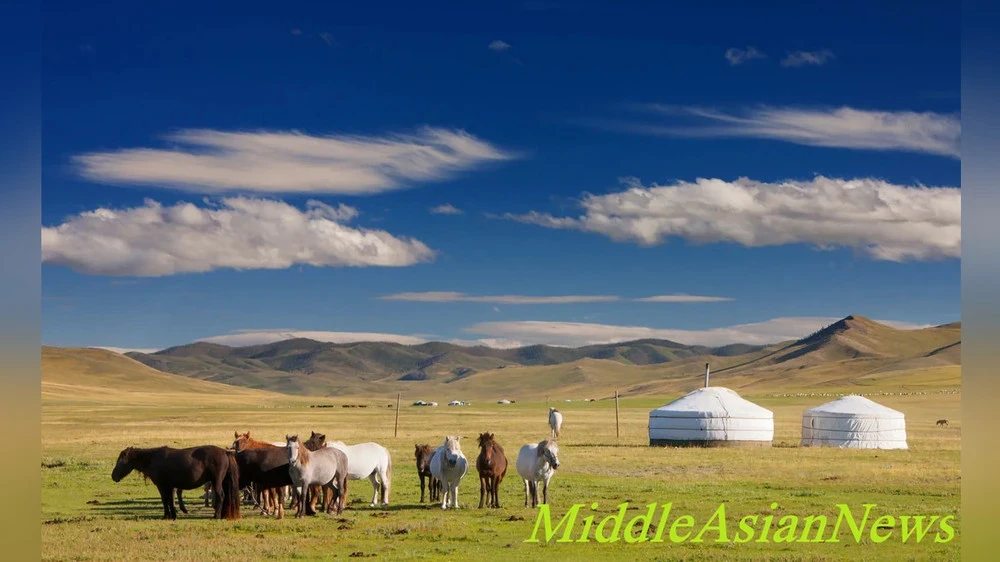
The report also analyzes traditional land ownership systems in detail. Traditional lands are territories historically used by indigenous peoples, nomadic tribes, or local communities for their customary livelihoods.Such lands include forests, pastures, wetlands, and fishing areas, the management of which, previously considered outdated, is increasingly recognized as important for both people and the planet, especially in the context of biodiversity conservation and combating climate change.
Globally, about 4.2 billion hectares of traditional lands have been recorded, accounting for over 32% of the Earth's total land area (excluding Antarctica).
Photo on the main page is illustrative: https://www.nalog.gov.ru.