Online Propaganda and Recruitment
Experts assert that modern terrorist organizations use social networks to spread their ideology and attract new supporters.They employ fake news and propaganda campaigns, exerting psychological influence on vulnerable groups, which compels them to support extremist ideas or engage in terrorist activities.
Adaptation of Terrorists to New Conditions
After losing control over territories in the Middle East, the group "Islamic State" has shifted its focus to the internet as the primary means of disseminating its ideology.The organization no longer seeks territorial expansion but concentrates on using digital platforms and messengers to attract youth who actively use social networks.
According to experts, the "Islamic State" employs a "hybrid model": local cells operate autonomously, while central command maintains ideological control.
The Impact of Radicalization in South Asia
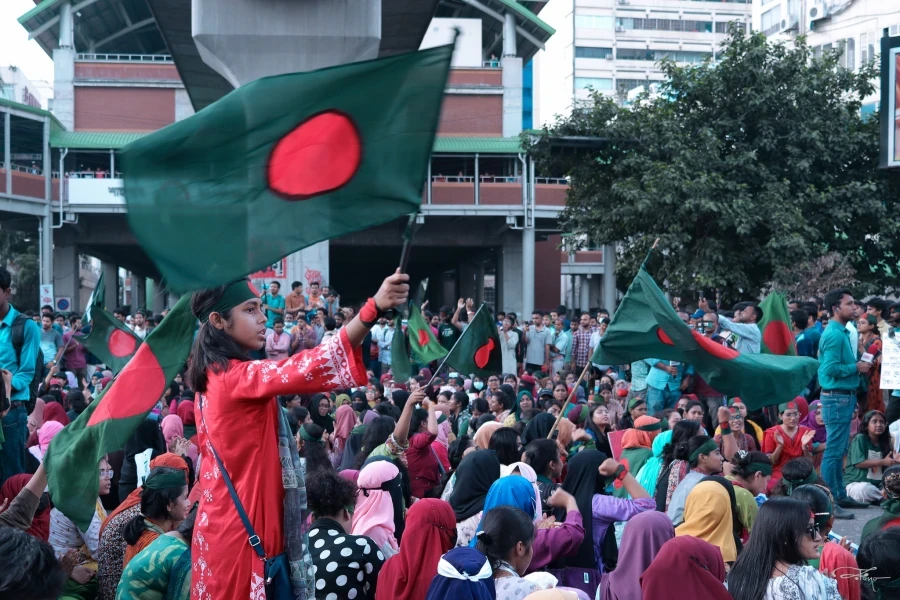
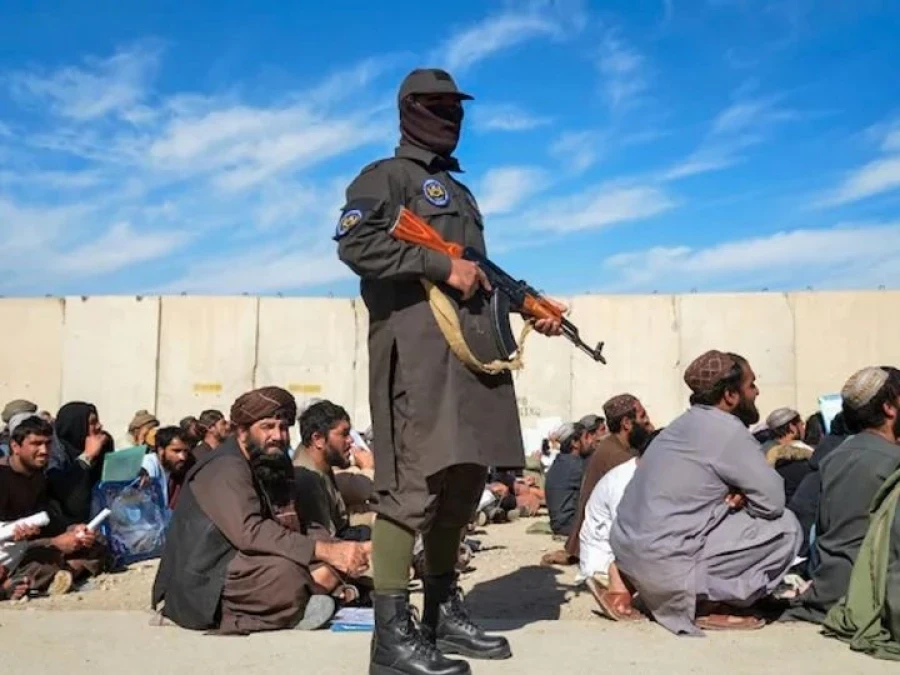
Online radicalization has a significant impact on the countries of the Indian subcontinent. It is predicted that by 2024, networks of extremist propaganda will reach countries such as India and Bangladesh.Following the Taliban's rise to power in Afghanistan, terrorist groups "Islamic State – Khorasan" and "Al-Qaeda" have become more active.
Attack on the Red Fort
The investigation revealed that participants in the attack on the Red Fort on November 10, 2025, were recruited through social networks. Due to the high level of education of the perpetrators, this attack was dubbed "white-collar terrorism."The terrorists used the Swiss app Threema for communication, complicating the work of investigative authorities due to its end-to-end encryption features and lack of metadata storage.
Incident at Bondi Beach
Similar radicalization schemes were identified during the investigation of the attack on Bondi Beach on December 14, 2025, which resulted in the deaths of 15 people during the Hanukkah celebrations.The attackers, who had ties to the "Islamic State," received training in the southern Philippines, where the "Abu Sayyaf" group operates.
Tightening Control Over Social Platforms
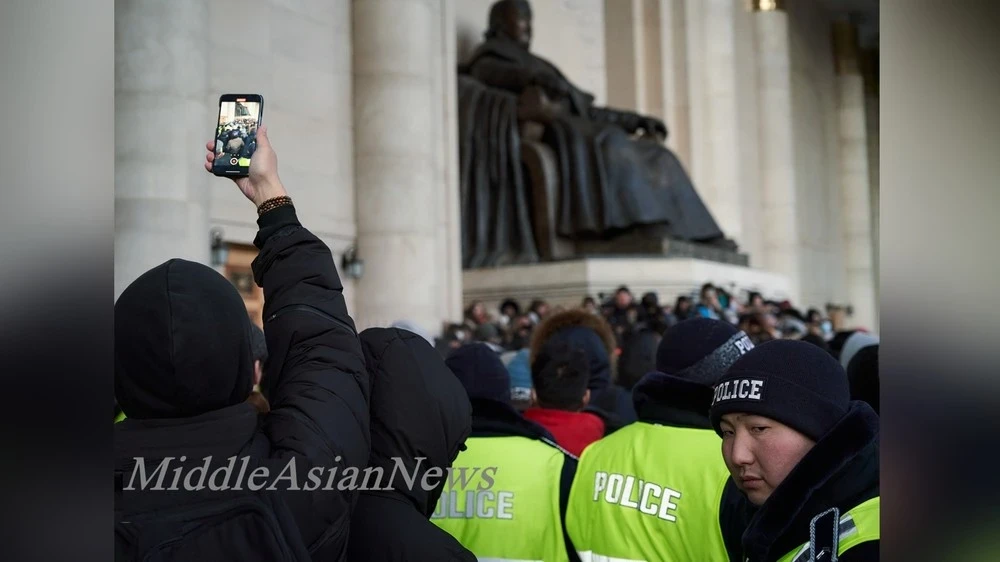
In response to the growing threat, many countries are tightening control over internet platforms. For example, Australia has passed a law to protect youth from exploitation on social networks, and Malaysia has enacted an Internet Security Act.In Singapore, a bill aimed at maintaining racial harmony is being considered to combat inter-ethnic hatred, while in Indonesia, measures have been introduced under the SAMAN system to remove terrorist content.
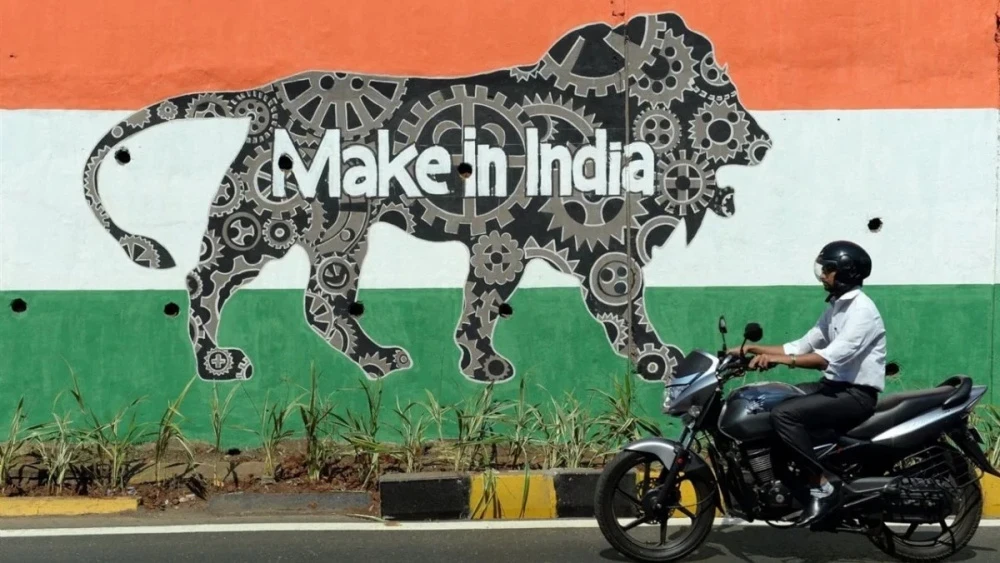
Indian authorities blocked about 10,000 internet resources spreading extremist propaganda in 2025.
The Need for International Cooperation
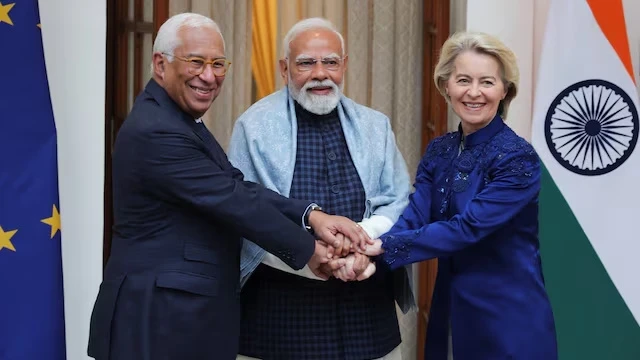
Experts argue that effective counteraction to online radicalization requires closer international cooperation, including information sharing between intelligence agencies and law enforcement, as well as the development of unified legal mechanisms to regulate the digital space.Photo on the main page: www.eurasiareview.com.