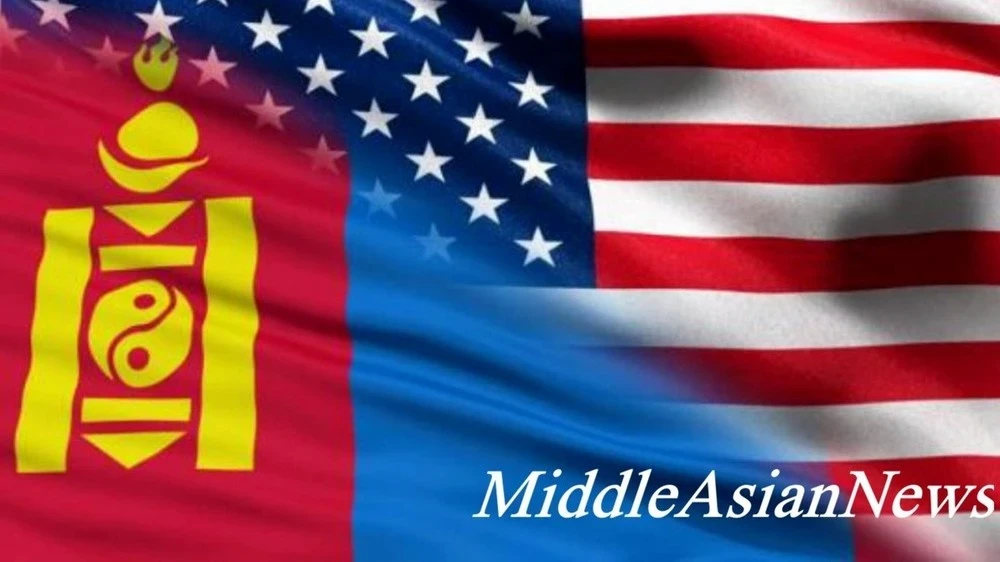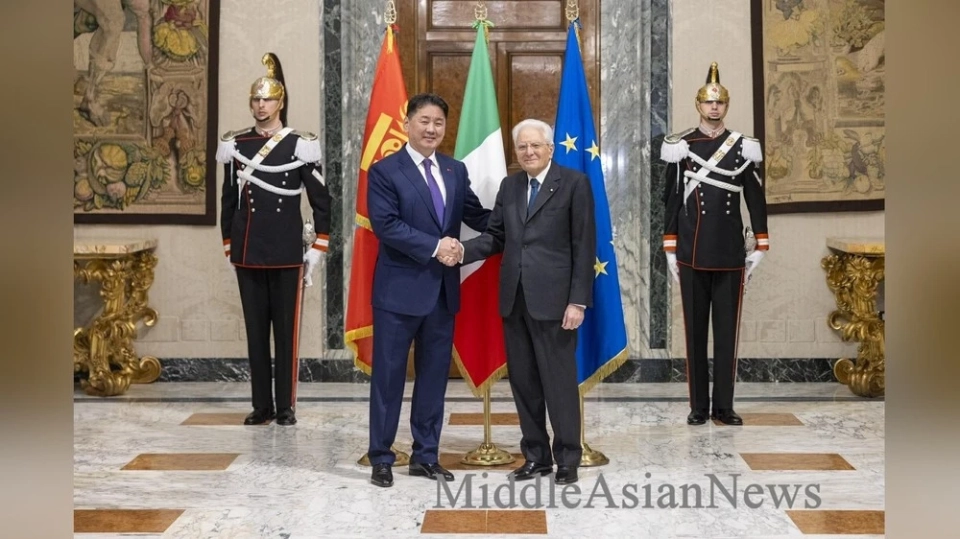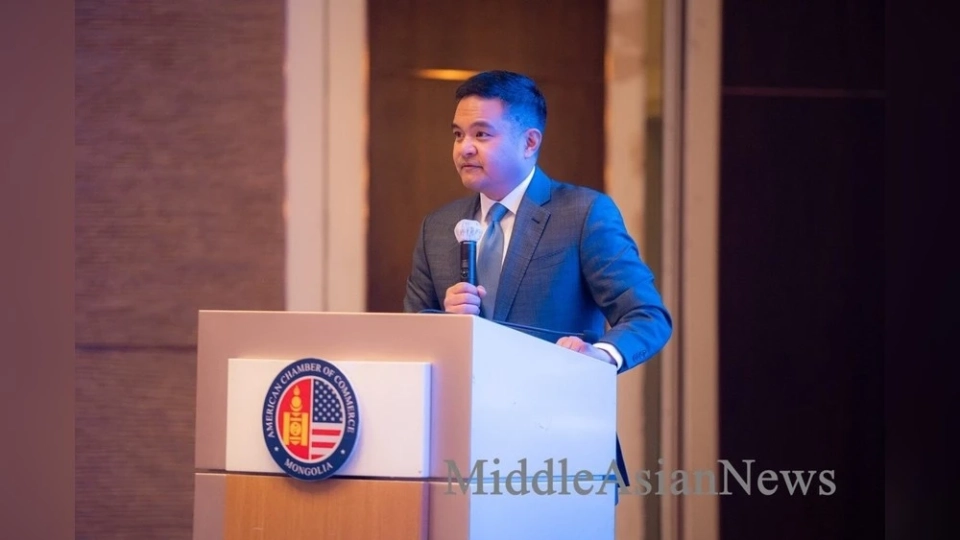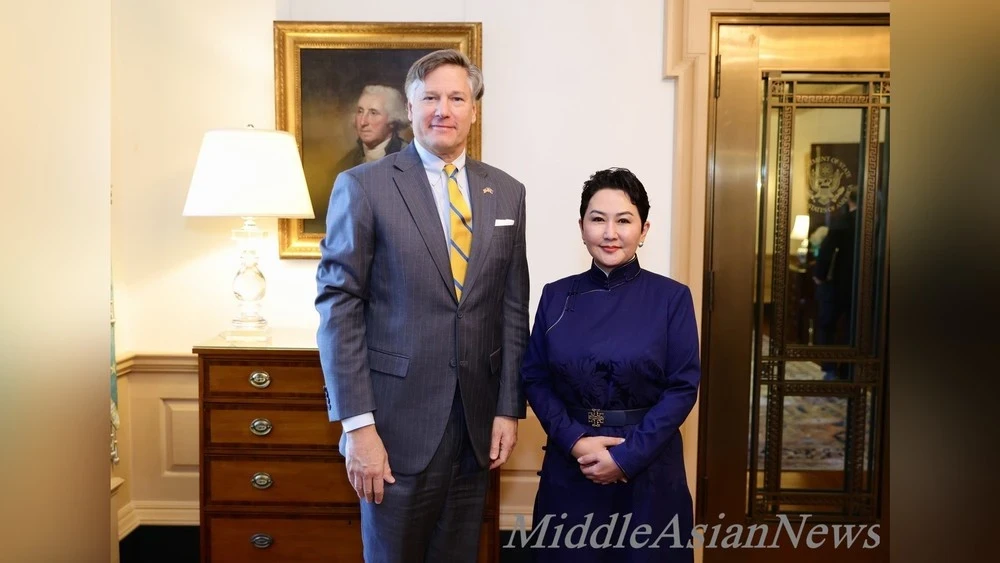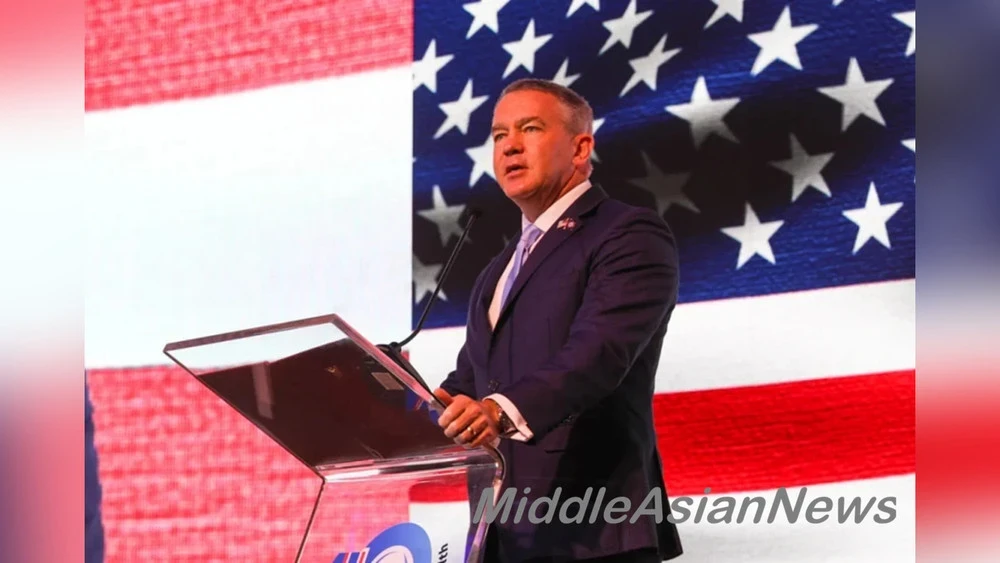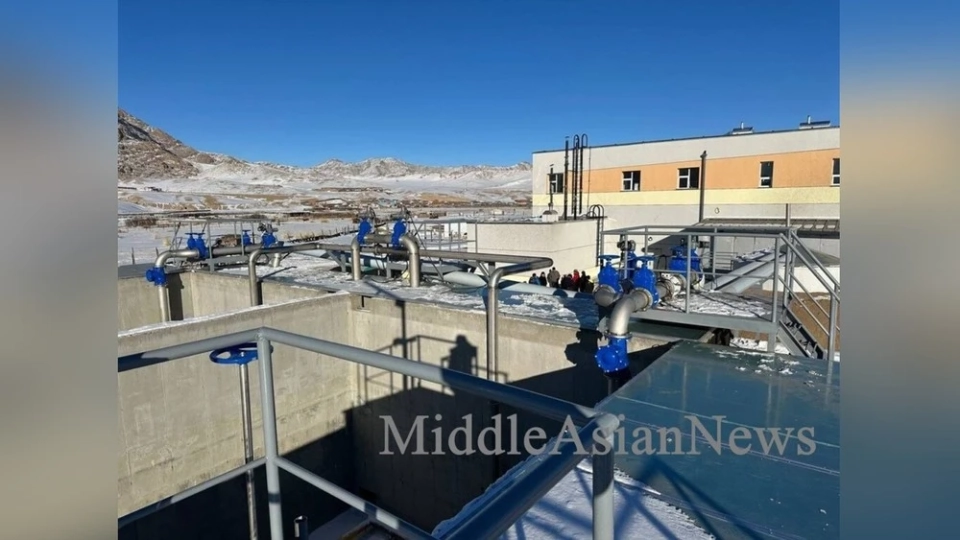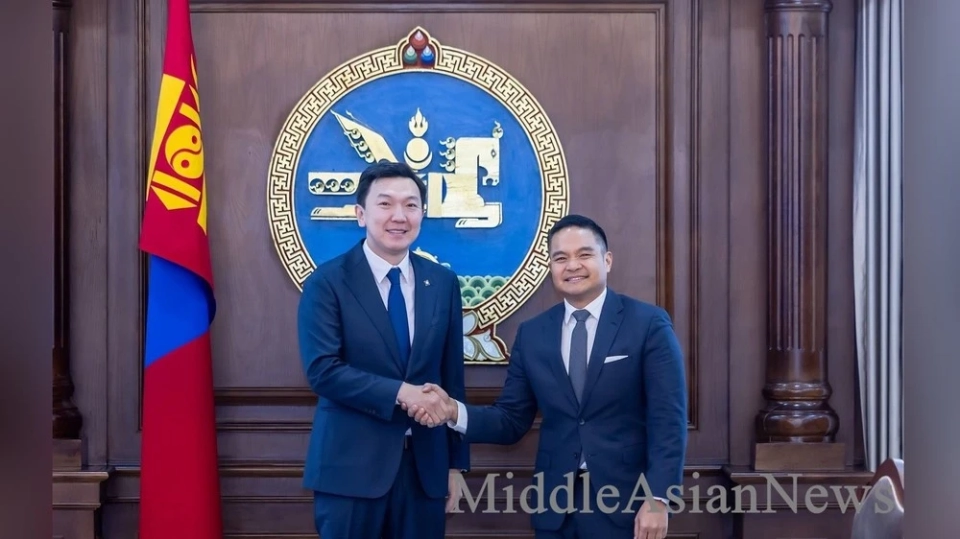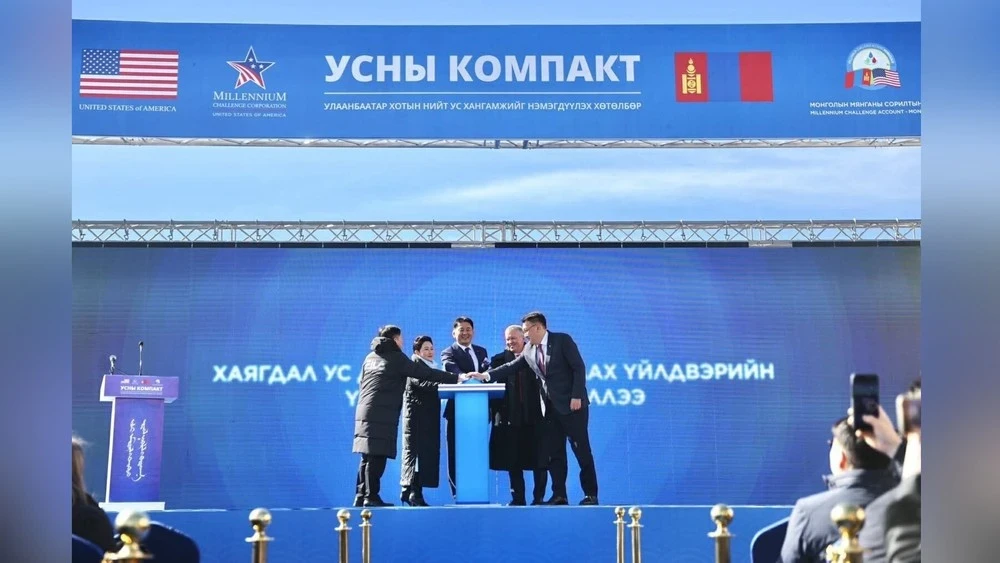
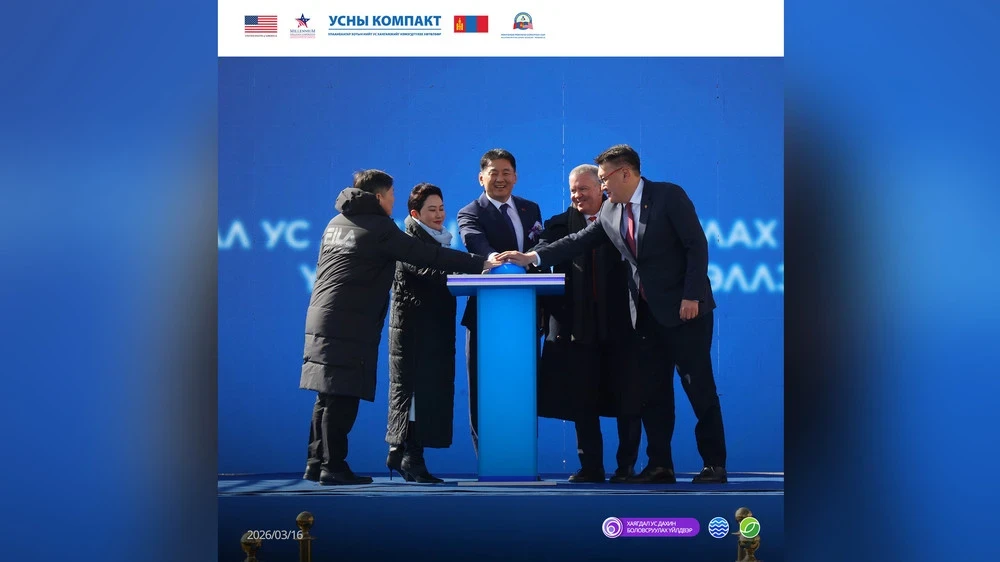
On March 16, the first large-scale wastewater treatment plant in the country was officially opened in Mongolia. The ceremony was attended by President Ukhnaagiin Khurelsukh and U.S. Assistant Secretary of State Michael George. This was reported by MiddleAsianNews.
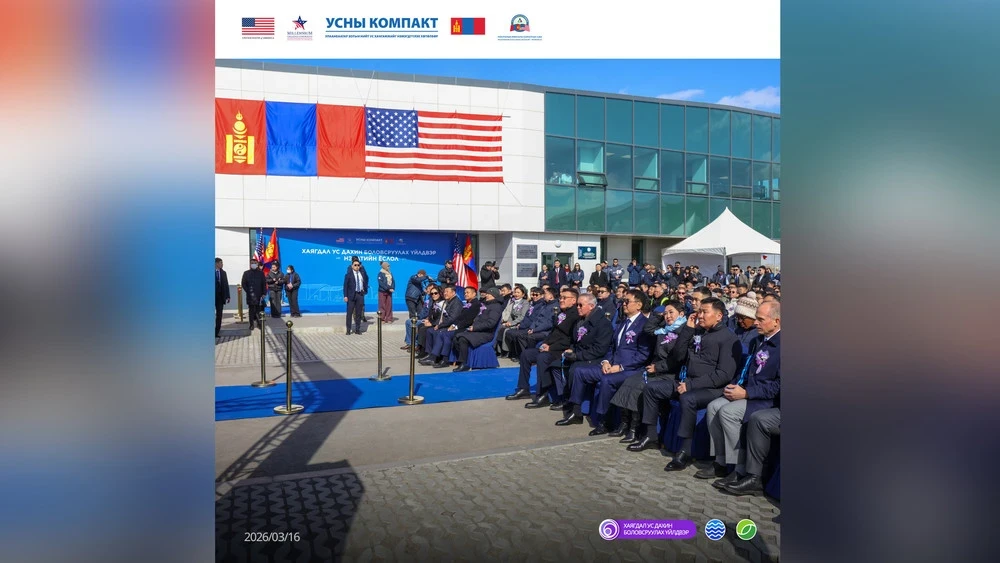
The new station was built near the Central Wastewater Treatment Plant as part of the "Wastewater Treatment Project," which is one of three key initiatives under the Mongolia Water Resources Agreement (Agreement II) between the Government of Mongolia and the U.S. Millennium Challenge Corporation (MCC).
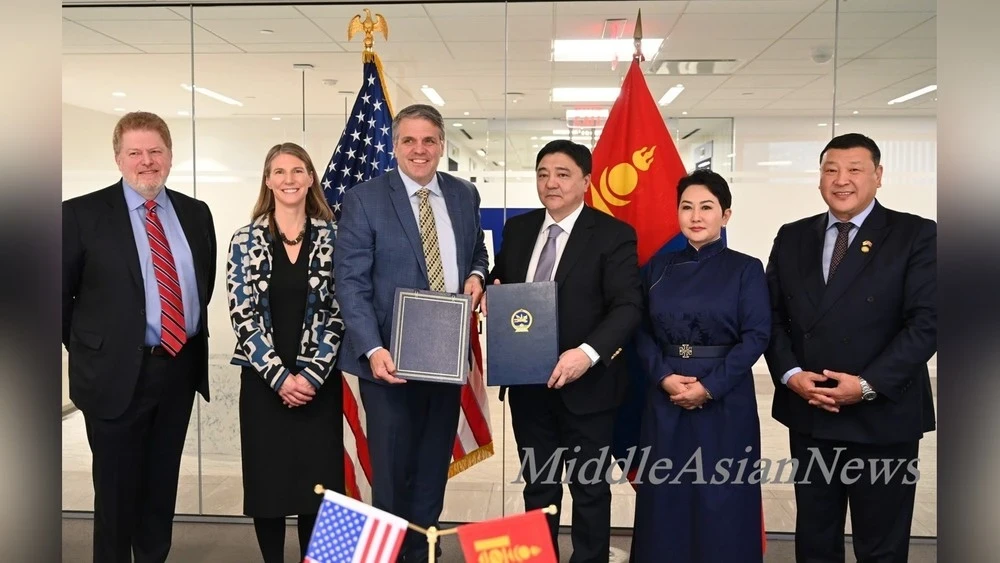
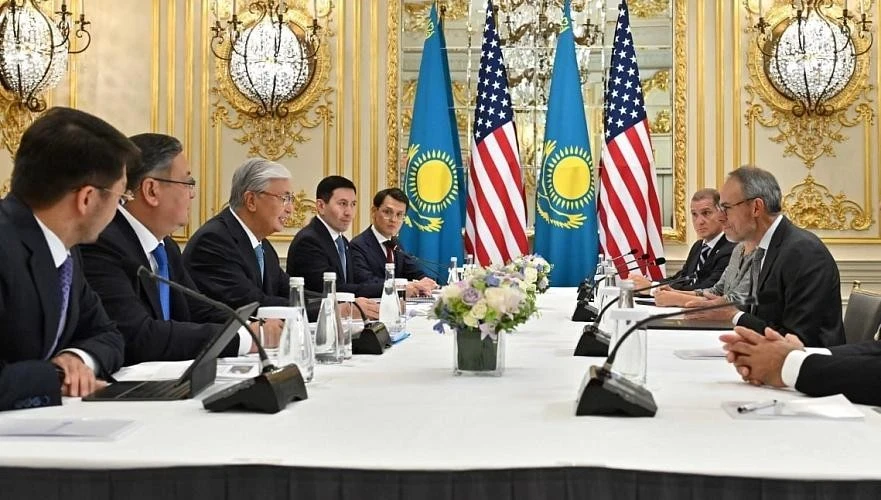
During his official visit to the United States while serving as Prime Minister, Ukhnaagiin Khurelsukh signed an important cooperation agreement with the Secretary of State and Chair of the Board of the Millennium Challenge Corporation, which laid the foundation for the implementation of this project.
The total cost of the water supply program being implemented under the agreement is $462 million, of which $350 million was provided by the Millennium Challenge Corporation and $111 million by the Government of Mongolia.
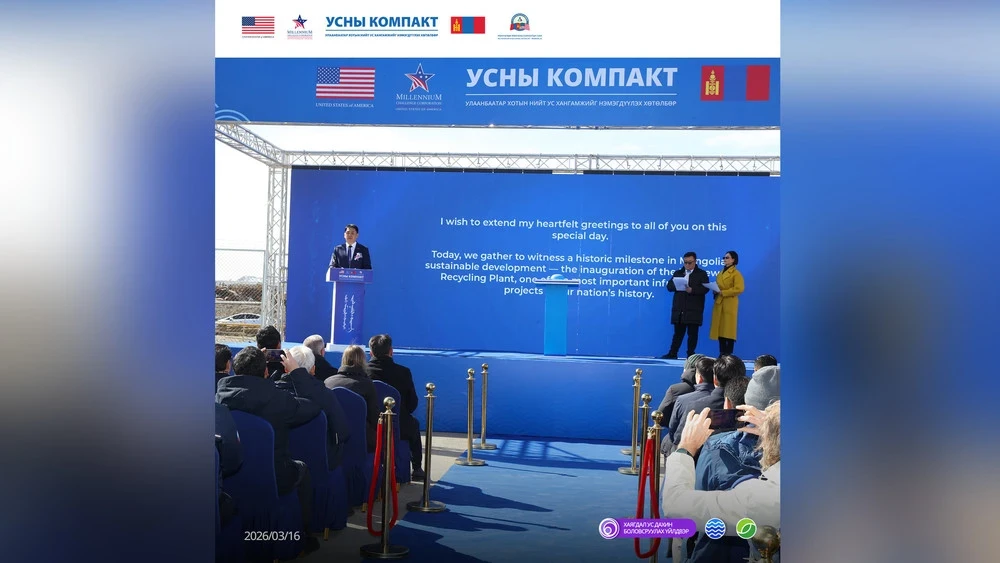
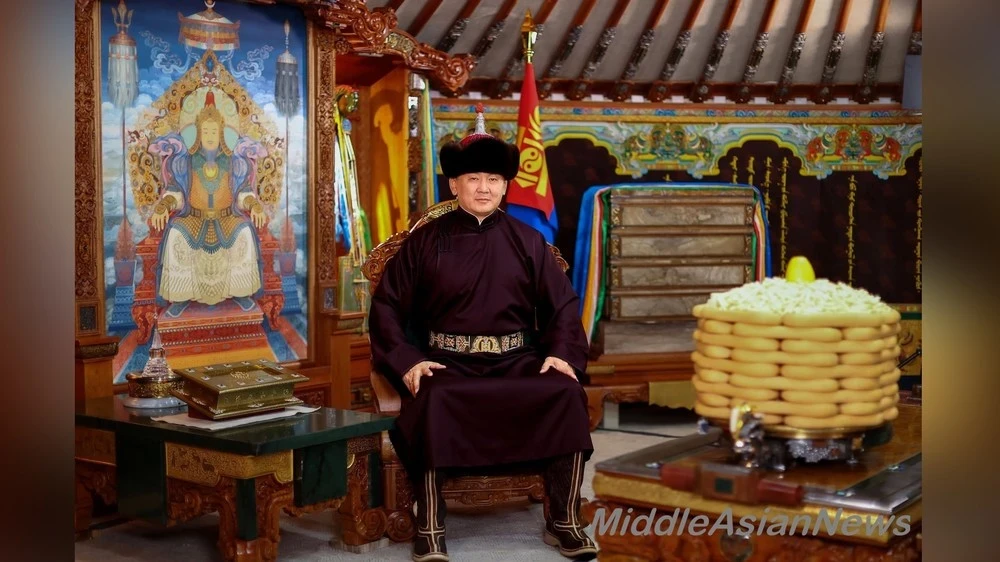
President Ukhnaagiin Khurelsukh noted in his address: "We are here today to celebrate an important event—the launch of the first large wastewater treatment plant in Mongolia. This is one of the key infrastructure projects under the Water Agreement, which symbolizes the strategic partnership between our country and the United States. The opening of this plant is an important step towards achieving the goals outlined in Mongolia's National Security Concept and long-term water resource development plans. This initiative marks the first large-scale use of treated water in the country's energy sector and opens up opportunities for the reuse of wastewater in other industries in the future. We will preserve our groundwater resources for future generations."
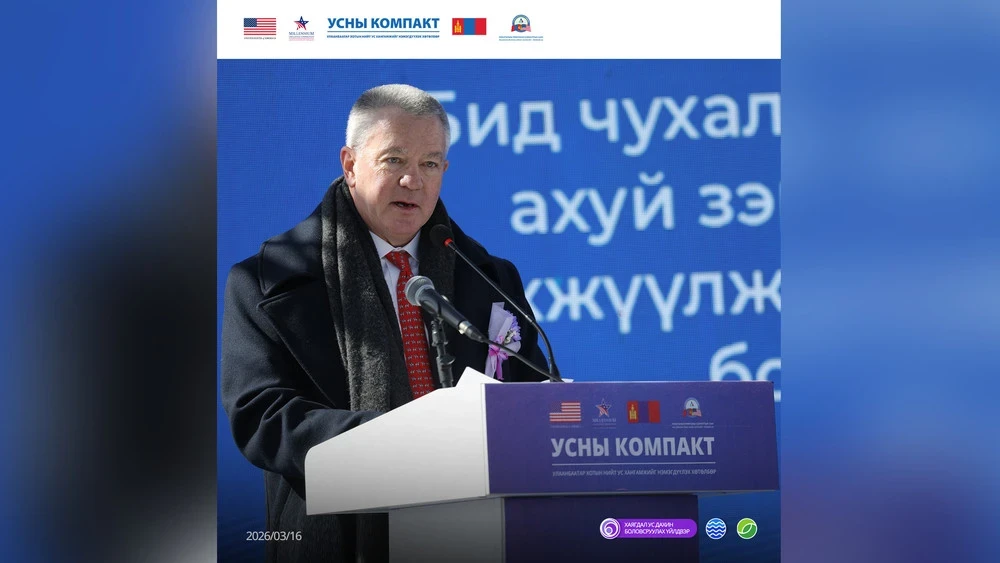
U.S. Assistant Secretary of State for East Asian and Pacific Affairs Michael George DeSombre emphasized that "this $462 million water resources agreement will open new horizons for Mongolia in the area of water reuse in industrial processes. Moreover, having a reliable source of both clean and treated wastewater will create investment opportunities for both local and American companies, expanding possibilities in Ulaanbaatar."
“We adhered to the principle of 'on time and within budget' throughout the duration of the Water Resources Agreement, and we managed to complete it without the need for additional funds or extensions. This is evidence that the joint efforts of American and Mongolian specialists can lead to significant results.”
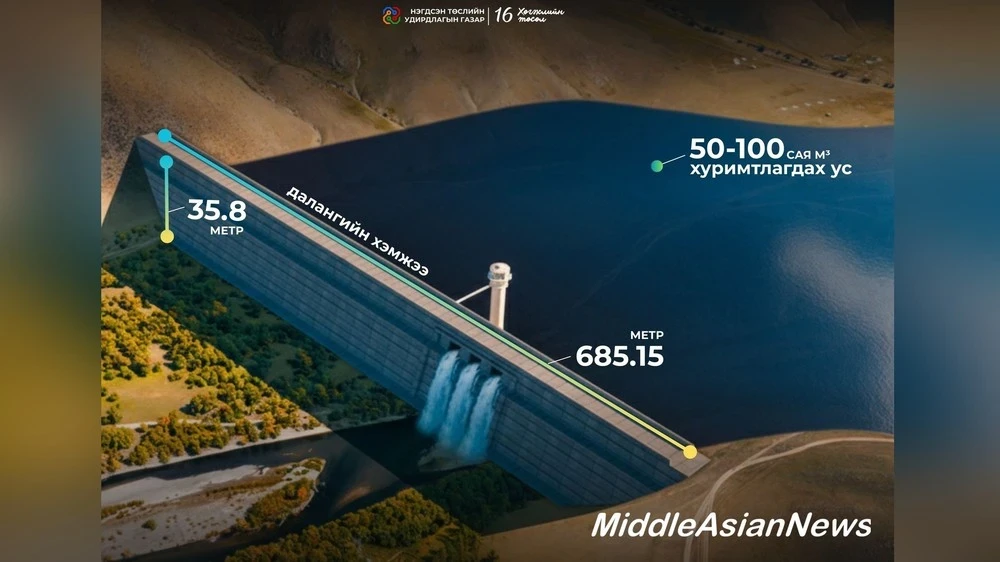
The goal of the initiative is to increase Ulaanbaatar's water supply by 50 million cubic meters annually, ensuring stable and safe water supply for more than 2.4 million city residents over the next 30 years. This project has become the largest investment in Mongolia's water sector in the last three decades.
As part of the "Wastewater Treatment Project," Mongolia not only built its first large plant but also laid 12 km of water supply pipes, created a water storage tank, a pumping station, and the necessary infrastructure.
The plant will be able to process 50,000 cubic meters of treated wastewater per day—up to 18 million cubic meters per year—from the new Central Wastewater Treatment Plant, treating it for technical needs, including ash removal and supporting the operation of thermal power plants III and IV.
The construction of the plant was carried out with financial support from the Government of Mongolia, as well as through the efforts of Mongolian engineers and technical assistance from American specialists.
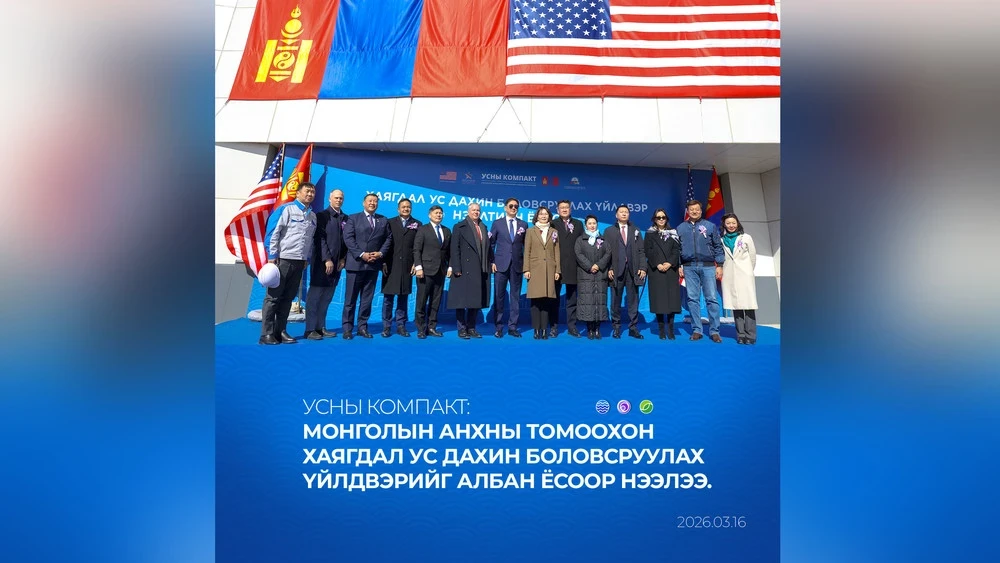
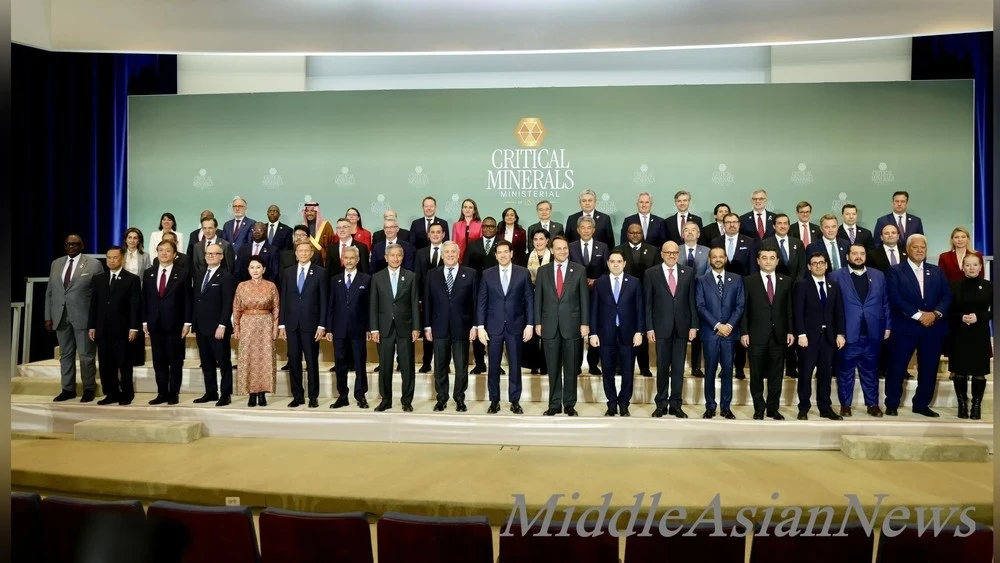
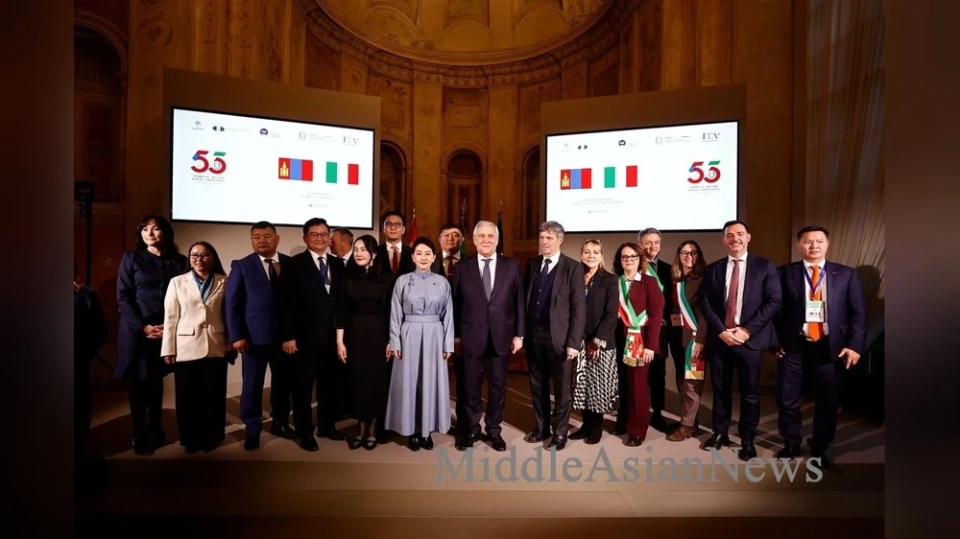
High-ranking guests from both countries attended the opening ceremony, including President of Mongolia Ukhnaagiin Khurelsukh, U.S. Assistant Secretary of State for East Asian and Pacific Affairs Michael G. DeSombre, Minister of Foreign Affairs Battsetseg Batmunkh, Minister of Finance and Chair of the Board of the Millennium Challenge Account Mongolia Javkhlan Bold, Governor of the Capital and Mayor of Ulaanbaatar Nymbaatar Khishgee, as well as other high-profile officials from the governments of Mongolia and the United States.