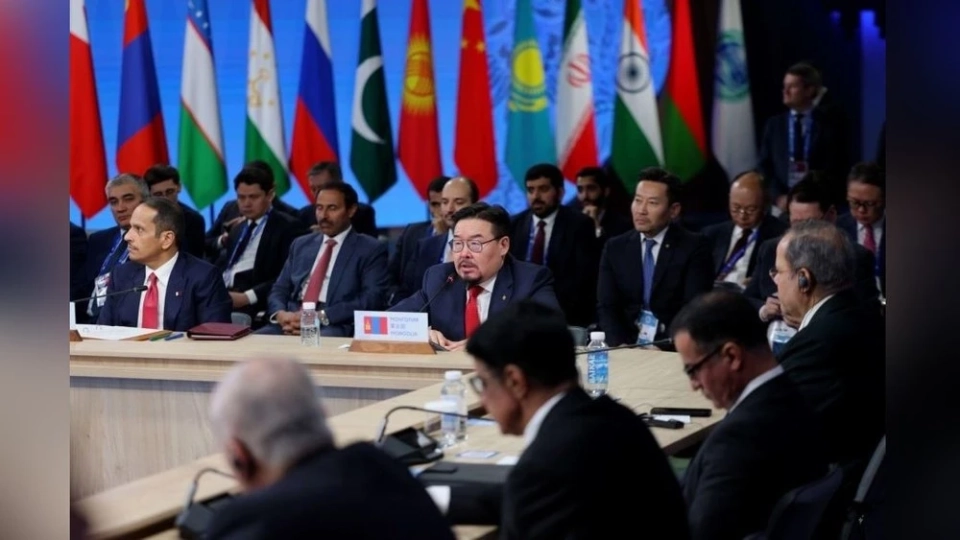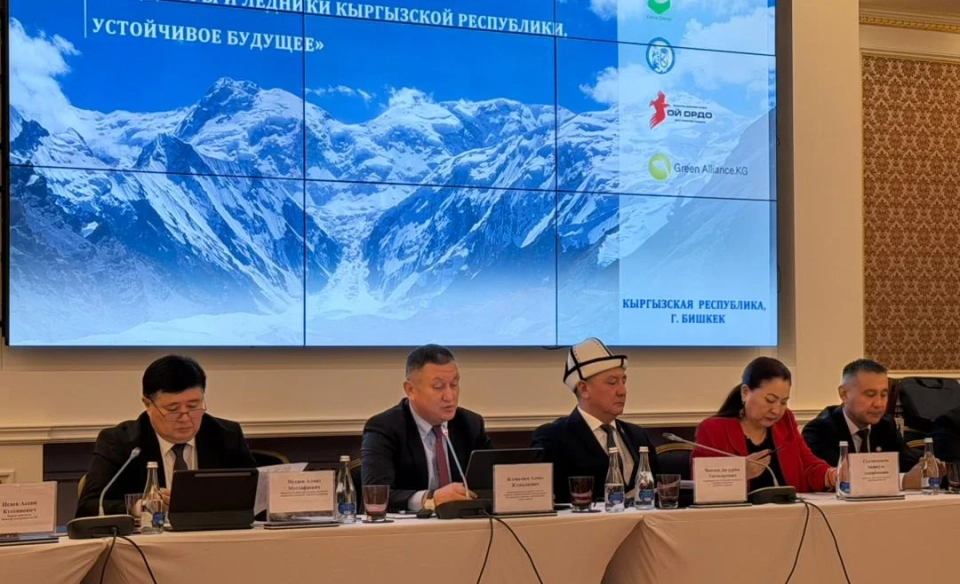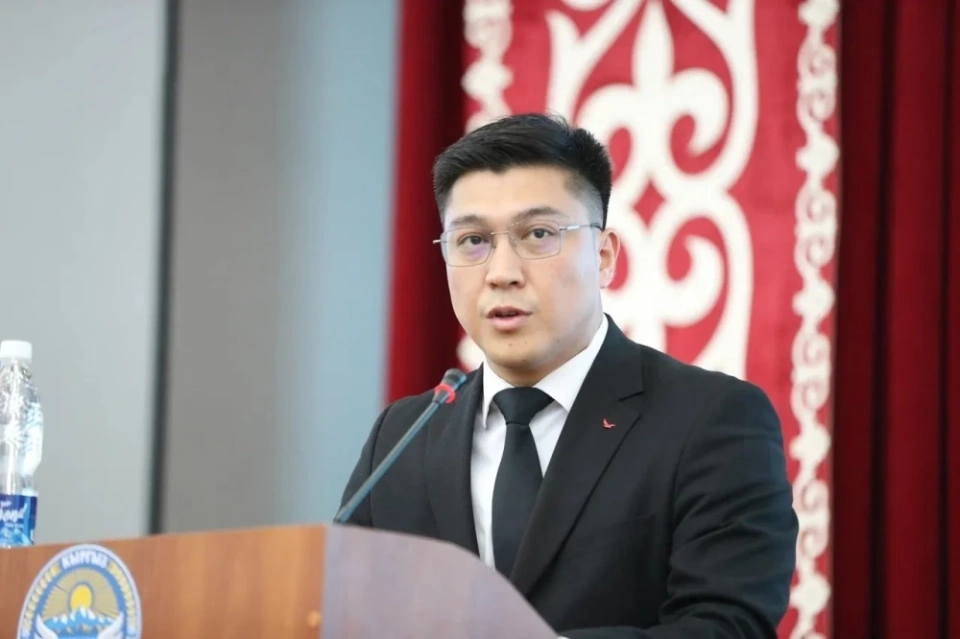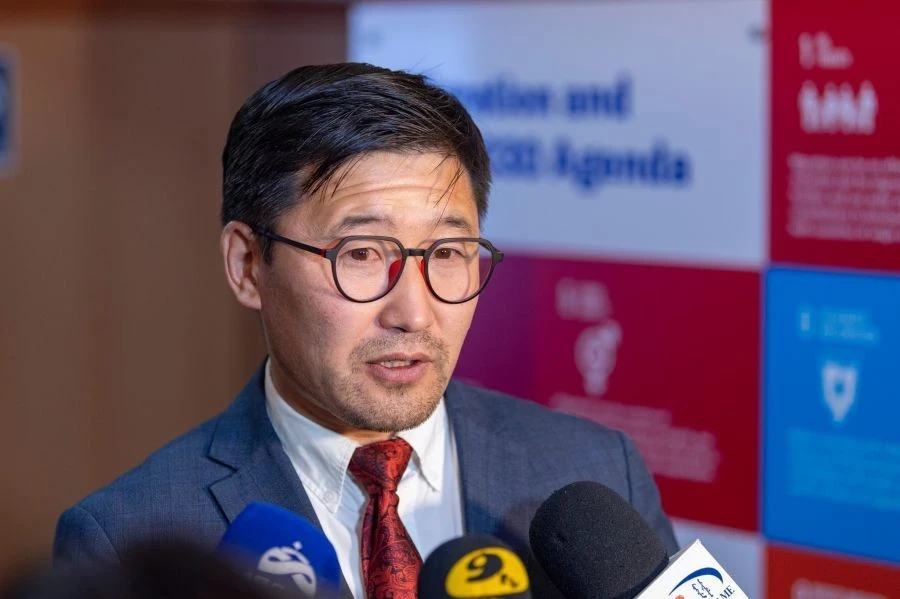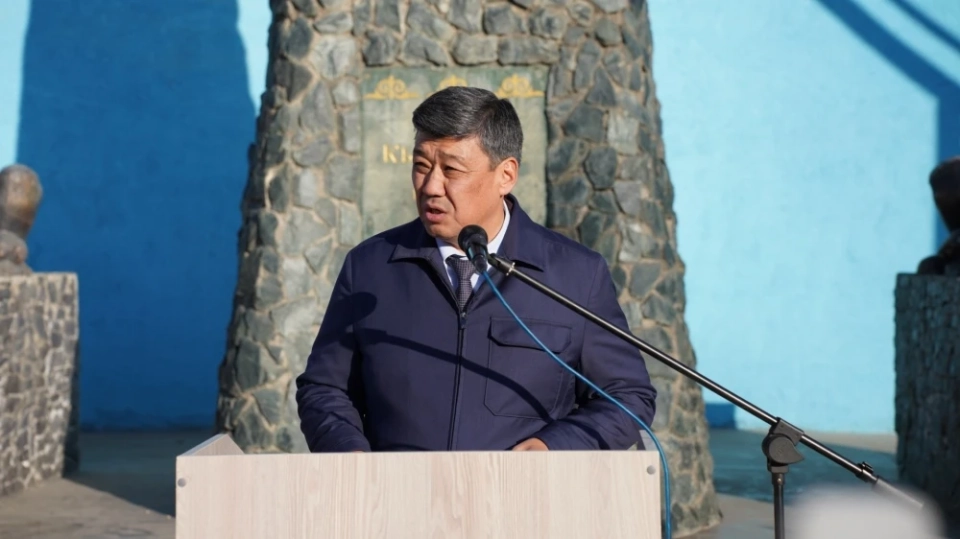
The Minister emphasized the importance of rethinking wastewater not as polluted liquid, but as a sustainable resource for ensuring industry and food supply in drought conditions. He urged other countries to store and reuse wastewater, citing data from his ministry.
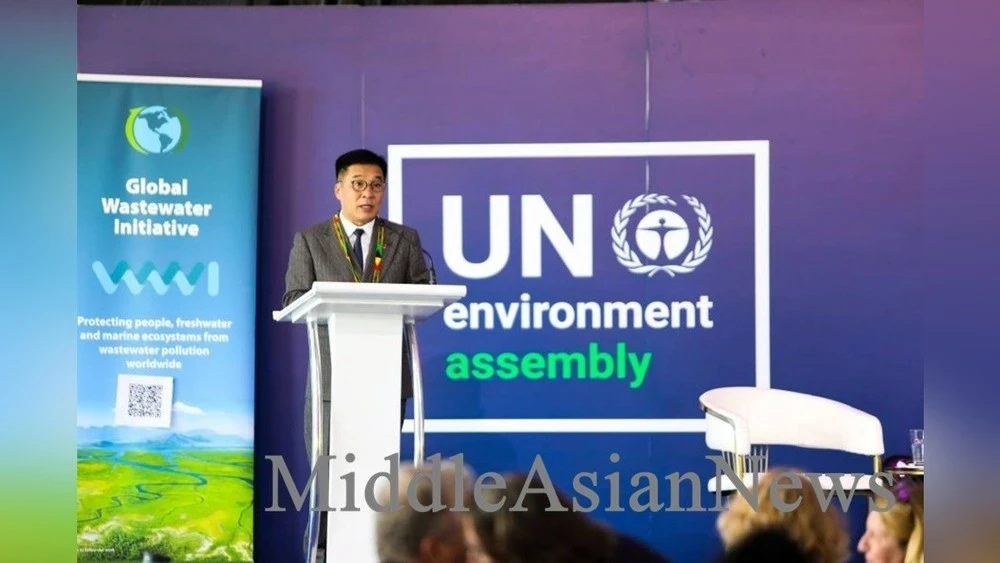
In his speech, Batbaatar also reported that Mongolia plans, in the future as the chair of the 17th session of the Conference of the Parties (COP17) to the UN Convention to Combat Desertification, to implement the closed-loop principle in water resource management, which will serve as the basis for a new initiative to improve the management of water and land resources in arid areas.
According to the minister, increasing investments in innovative solutions and building capacity will allow the use of wastewater as an important resource for sustainable development and improving the quality of life in vulnerable communities.
“Wastewater is not waste, but a resource with enormous potential. Mongolia is open to cooperation with international partners to expand opportunities in this area,” noted Minister Batbaatar.
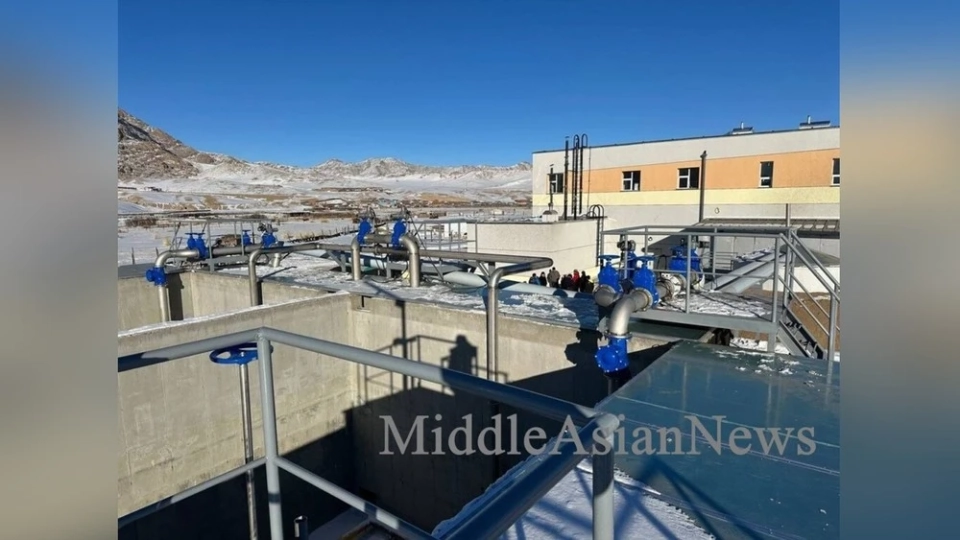
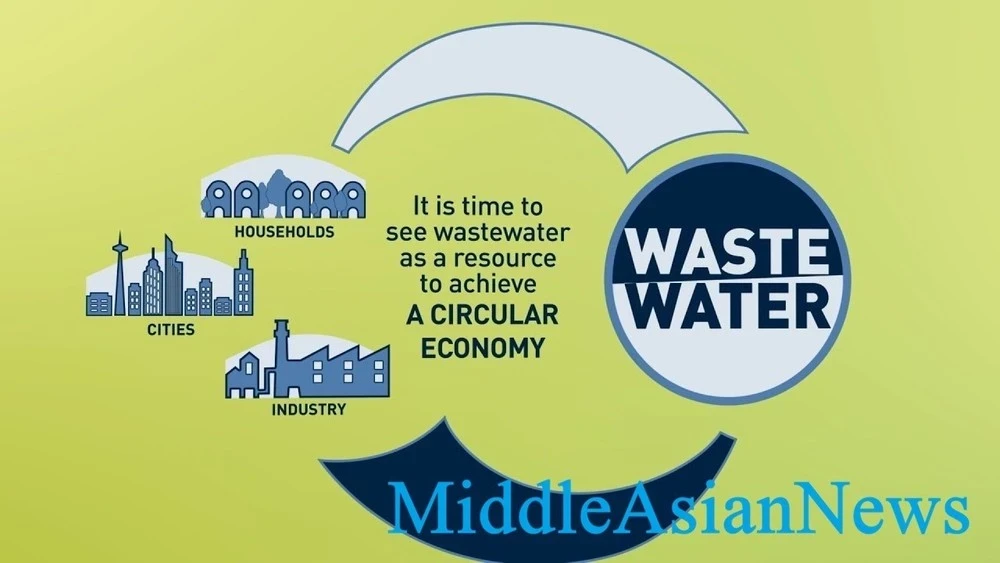
Modern understanding of wastewater emphasizes that even after its use, it remains a valuable resource containing energy, nutrients such as phosphorus and nitrates, as well as water that can be reused for agriculture, industry, or for replenishing groundwater supplies. This reduces dependence on freshwater in the context of growing scarcity and allows transforming treatment plants into resource recovery facilities to create a circular economy.
Why Wastewater is a Resource
Water Recovery: Treated wastewater can be reused for non-potable purposes, such as irrigation, street cleaning, or cooling industrial processes, significantly conserving drinking water.
Nutrient Recovery: It contains important nutrients (phosphorus, nitrogen) that can be extracted and used as organic fertilizers, replacing chemical alternatives.
Energy Production: Wastewater has significant energy potential; treated sludge can be used to produce biogas, which can power treatment plants, potentially making them energy-neutral or even energy-positive.
Circular Economy: Viewing wastewater as a resource promotes the development of a circular economy, reducing waste and maximizing resource use, which alleviates pressure on limited freshwater supplies.
Tatar S.Maidar
Source: MiddleAsianNews