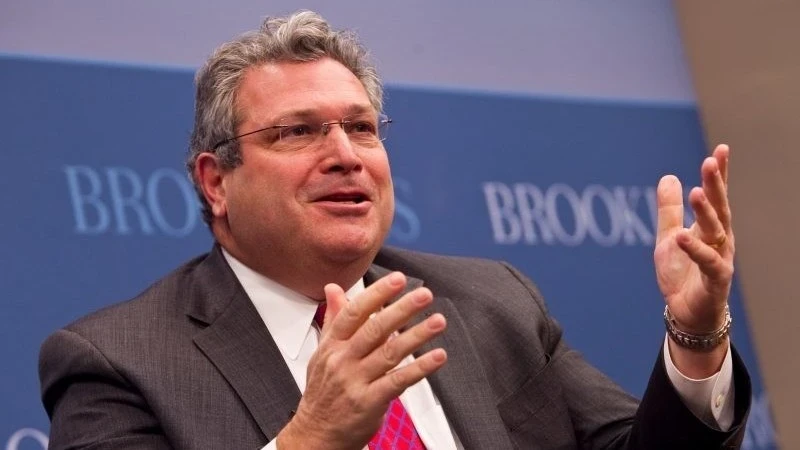
Steele emphasized that "renewable energy is a game changer."
The summit brought together climate and ecology ministers from various European countries, as well as business representatives and investors.
He pointed out that "solar energy does not depend on vulnerable maritime routes, wind does not require costly military protection funded by taxpayers, and renewable energy sources give countries the ability to protect themselves from global crises and not succumb to the politics of power."
Additionally, Steele added that renewable energy addresses important needs of Europeans: security, the creation of well-paying jobs, reduced living costs, and improved health.
Dependence on fossil fuels threatens national security and sovereignty.He also noted that "renewable energy helps reduce costs and creates significantly more jobs."
According to Steele, moving away from fossil fuels leads to improved air quality, public health, and overall quality of life.
He expressed surprise that in response to the current crisis, some are suggesting "deepening dependence on fossil fuels and slowing the transition to renewable energy, even though it is clear that they are more economical, safer, and quickly deployable."
Steele pointed out that such proposals are disconnected from reality, as "history shows: crises related to fossil fuels will repeat themselves again and again."
He urged ministers in Brussels to realize that passive dependence on fossil fuel imports, which cost the EU more than 420 billion euros in 2024, will lead to ongoing crises.
Steele also reminded that by 2025, renewable energy sources will surpass coal as the primary source of electricity in the world, and investments in clean energy will exceed 2 trillion dollars, which is twice the amount invested in fossil fuels. "The opportunities are colossal," he emphasized.
Today, Europe is actively supporting investments in innovation, and European companies such as Siemens, Schneider, and IPS are at the forefront of clean technologies and economic growth.
Steele pointed out that in the last century, after the war, European countries united to create the foundations of integration, and energy played a key role here, as reliable and affordable energy supplies were the basis of peace and prosperity.
These principles are more relevant than ever.Photo on the main page is illustrative: © IFRC/V. Filonov.