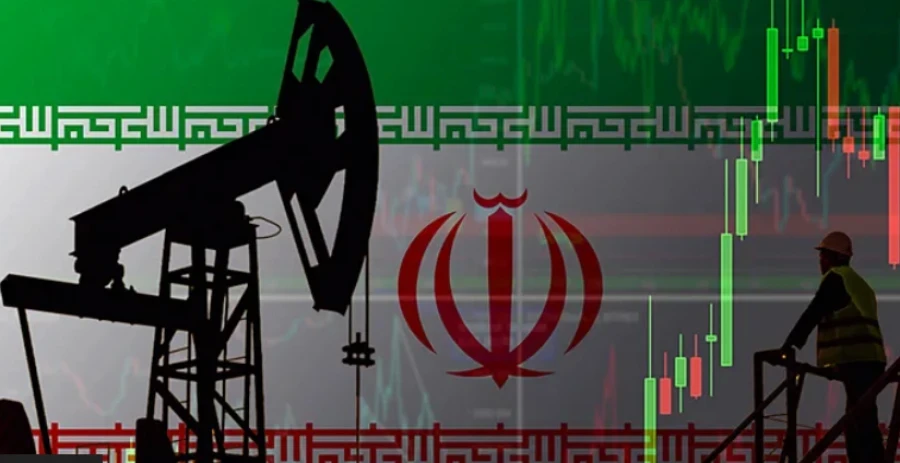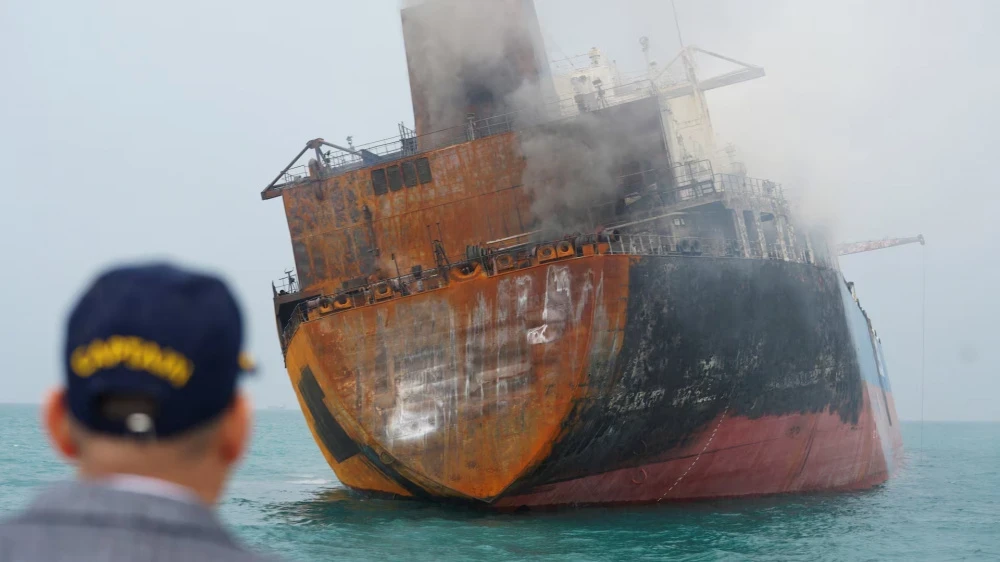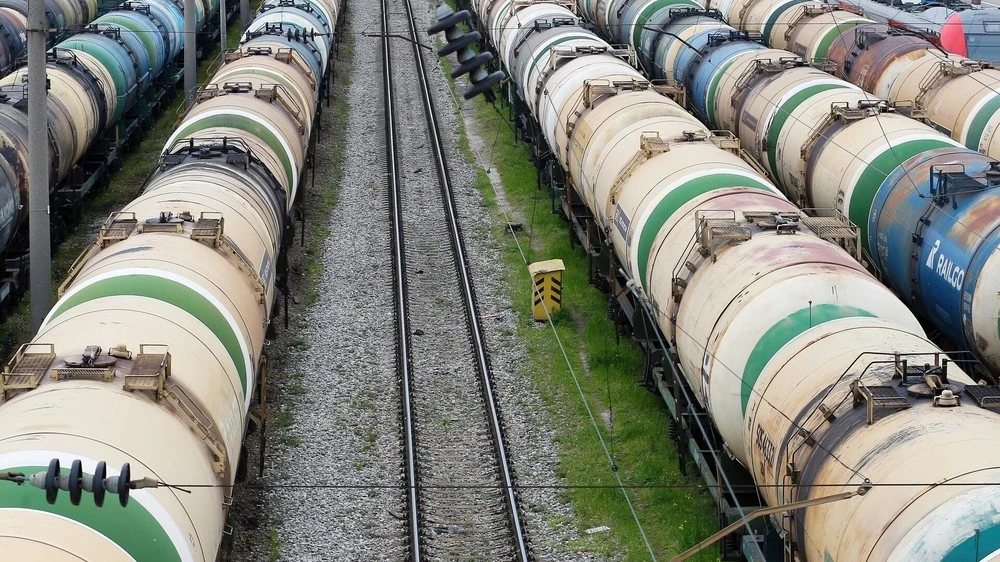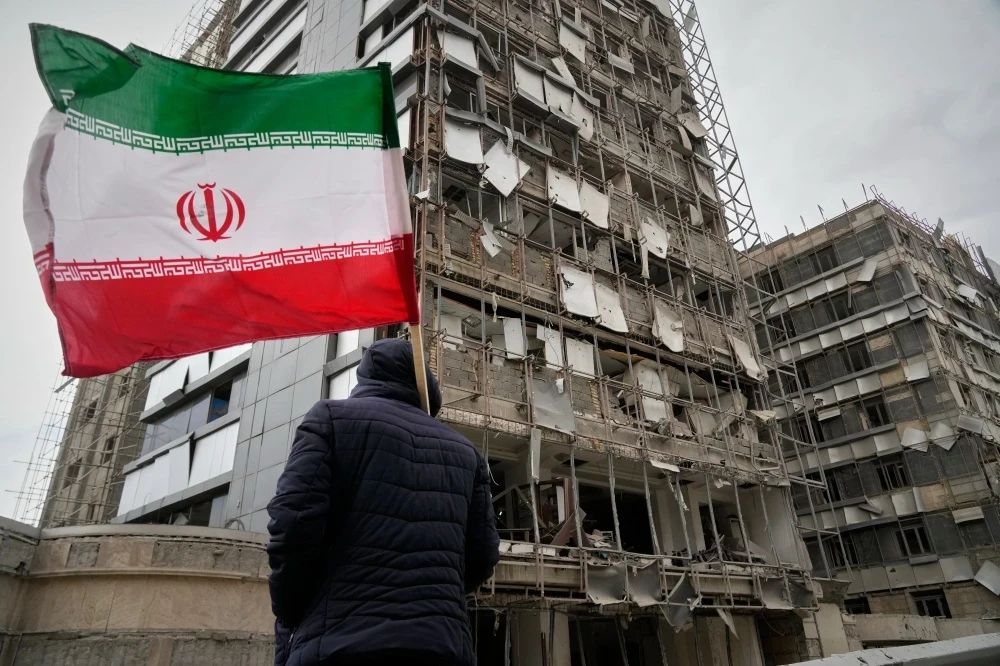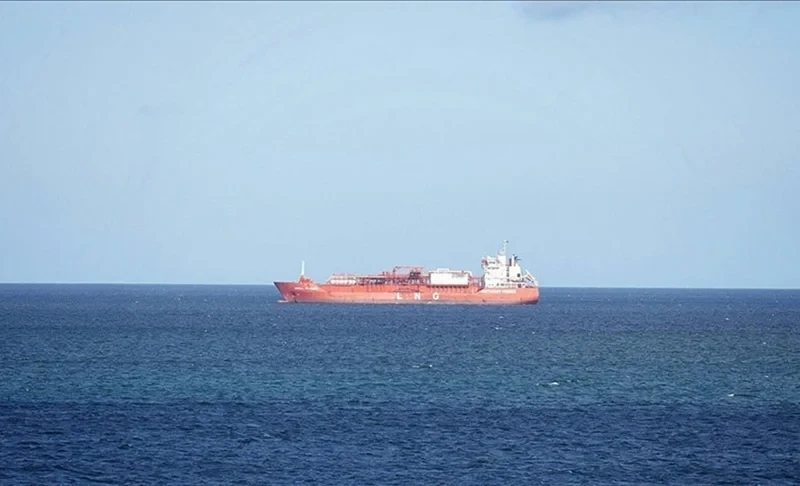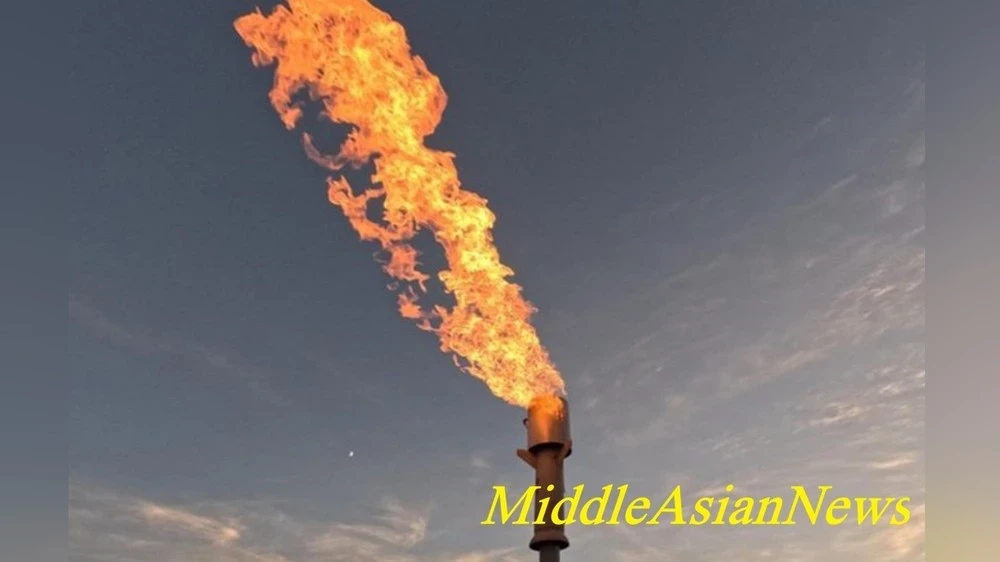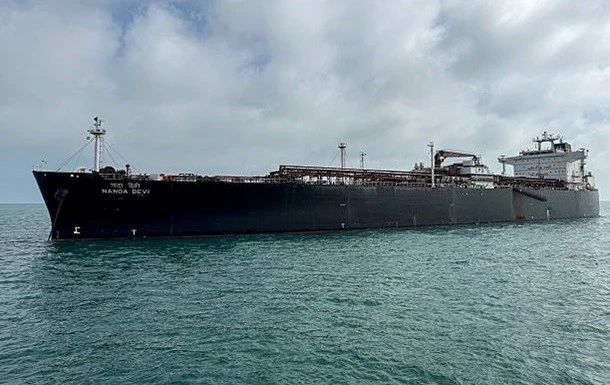
The US Treasury announced a temporary suspension of the ban on the purchase and sale of Iranian oil on Friday, March 20. The license published by the department allows trading in oil and petroleum products from Iran, provided they are already in transit at this time. However, new deals are prohibited.
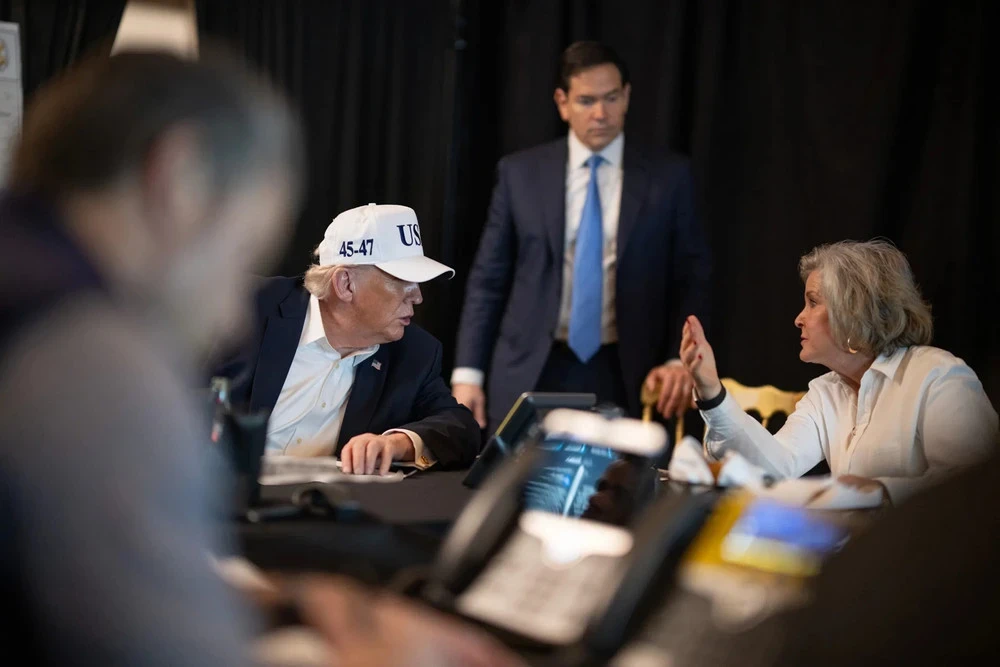
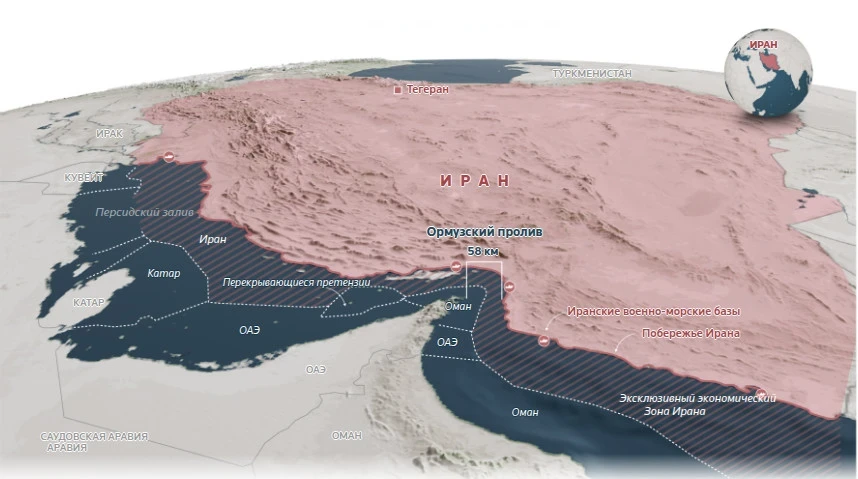
Scott Bessent, the US Secretary of the Treasury, characterized this decision as "specific" and "short-term." He noted that it would allow about 140 million barrels of oil to enter global markets, which would help alleviate shortages and reduce prices that have significantly risen due to Tehran's blockade of shipping in the Strait of Hormuz amid the ongoing conflict with the US and Israel, which has now lasted for four weeks.
Currently, the main buyer of Iranian oil is China, which is receiving it at a discounted price. Bessent points out that opening access to Iranian reserves for other countries, as is being done now, will increase the volume of global energy resources and help reduce supply pressures caused by Iran's actions. "We will use Iranian oil as a tool against Tehran to control prices," he added.
According to him, Iran will face difficulties in generating revenue from sales as the US continues to exert strong pressure on its access to the international financial system.
A similar temporary easing of sanctions on Russian oil was introduced just a week ago.
Bessent mentioned the possible temporary lifting of sanctions on Iranian oil in an interview with Fox News on Thursday, where he emphasized that lifting restrictions would allow Iranian oil to be redirected from China to countries like India, Japan, and Malaysia, forcing China to pay "market price." He predicts that the entry of Iranian oil into the market could lower global prices for a period of 10 to 14 days.
On March 19, there was a sharp spike in energy prices: the price of May futures for Brent crude oil on the London ICE exchange exceeded $119 per barrel for the first time since March 9. The price increase followed Iran's attacks on energy infrastructure in the Persian Gulf and its threat of new strikes.