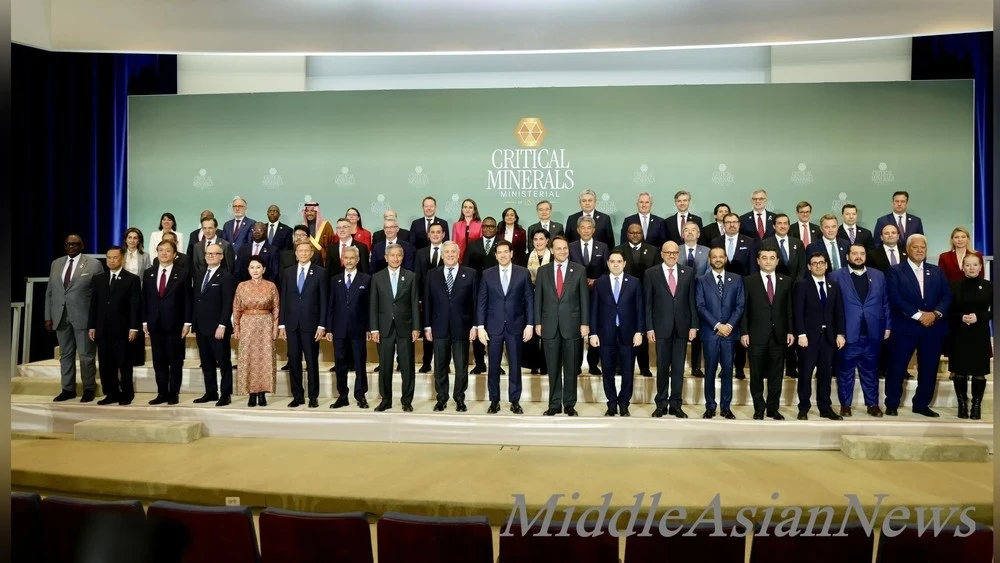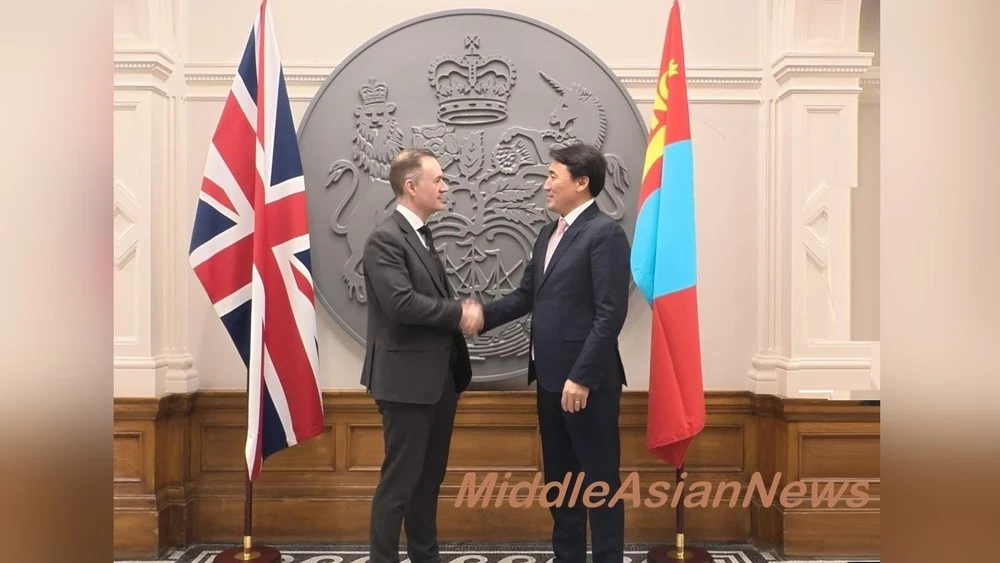
As part of this initiative, the United Kingdom is actively developing cooperation with Mongolia and Central Asia in the field of critical minerals.
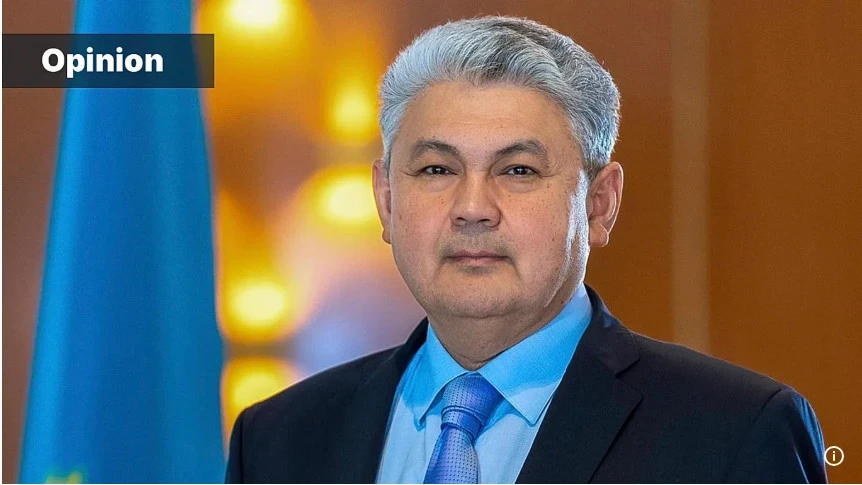
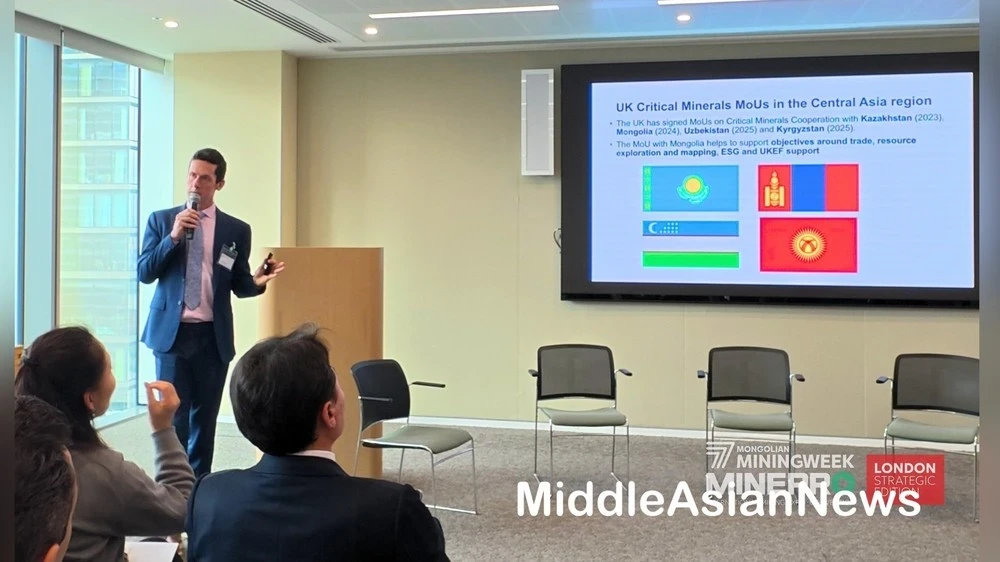
Oliver Richards, who heads the Critical Minerals and International Relations Department in the mining sector of the UK Department for Business and Trade (DBT), presented a report dedicated to the future of global supply of critical minerals and strategic interaction with Mongolia. This information was published by MiddleAsianNews.
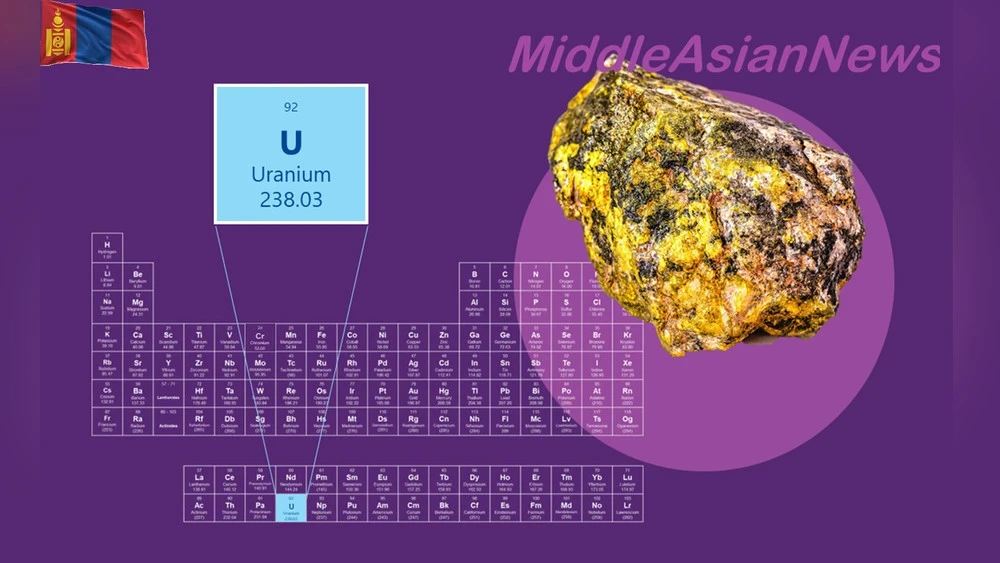
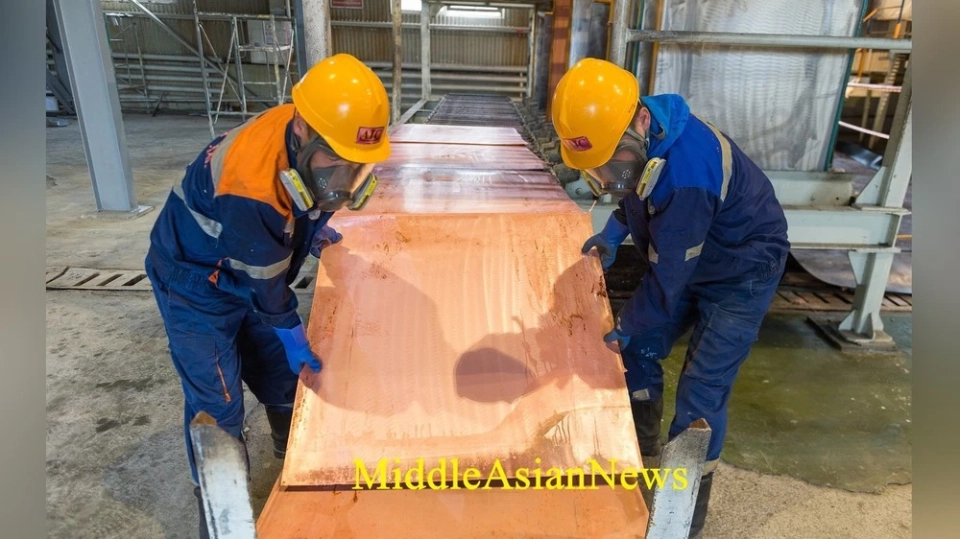
He emphasized that global supply chains for critical minerals currently demonstrate high concentration, while significant demand growth is expected in the coming years, particularly due to the development of clean energy, electric vehicles, and modern manufacturing technologies. Forecasts indicate that demand may exceed supply in the near future.
▪️ In response to this situation, the United Kingdom is implementing a 10-year strategy aimed at supporting the resilience and security of critical mineral supplies. Clear targets have been set:
- to meet 10% of demand through domestic production,
- to provide 20% through recycling, and
- to ensure that no more than 60% of critical mineral supplies come from a single country.
Additionally, the UK aims to create a more transparent, sustainable, and diverse market for critical minerals. This will be achieved through international cooperation, strengthening supply chains, simplifying access to financing, and developing research capabilities.
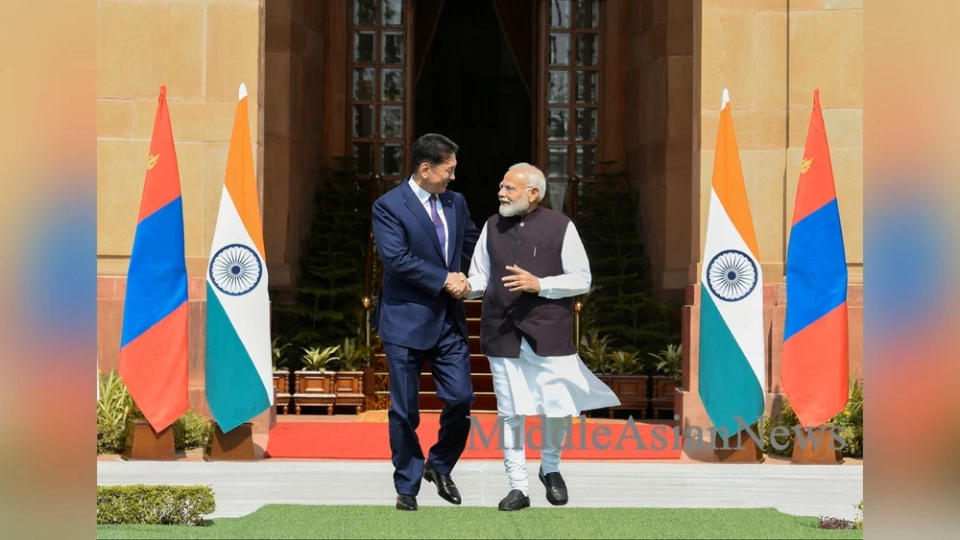
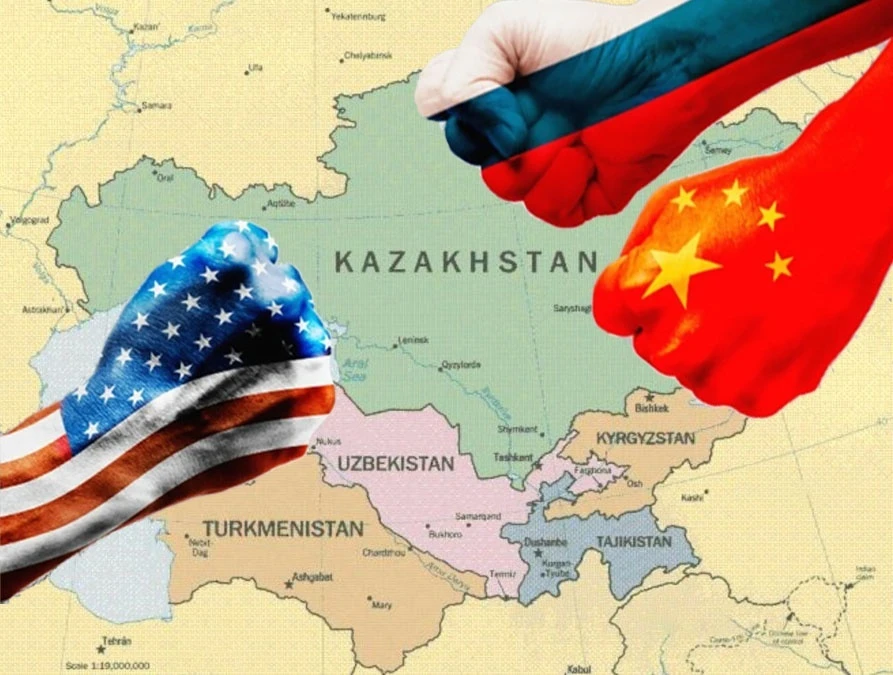
▪️ In this context, the United Kingdom is actively deepening its ties with Mongolia and Central Asia by signing memorandums of understanding with Kazakhstan (2023), Mongolia (2024), Uzbekistan (2025), and Kyrgyzstan (2025).
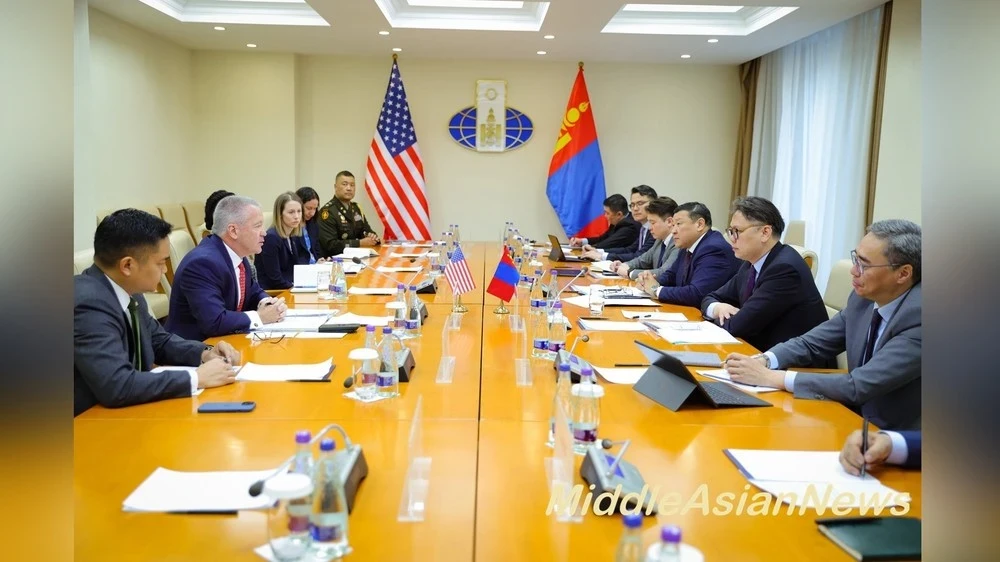
▪️ The memorandum with Mongolia includes cooperation in areas such as geological research, resource mapping, ESG standards, and financial support mechanisms.
London maintains its status as a global financial center for the mining industry, capital markets, technology, and research, creating a powerful ecosystem for attracting investments, partnerships in supply chains, and technological cooperation with resource-rich countries like Mongolia.