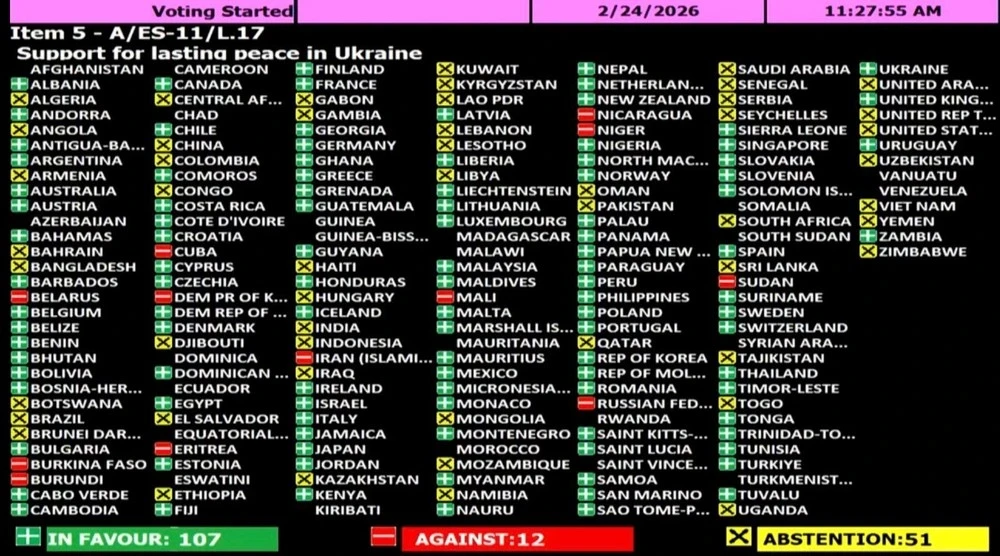
At the initiative of Ghana, a resolution was put to a vote that recognizes the "trade in enslaved Africans" as one of the gravest crimes against humanity. This document was supported by 123 countries, while three countries — the USA, Israel, and Argentina — voted against it, and 52 abstained.
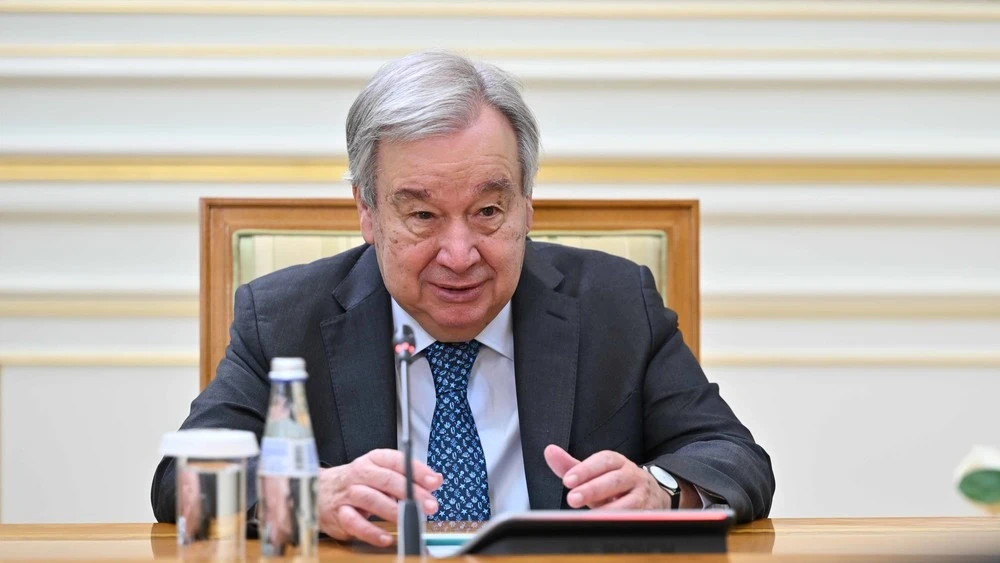
Guterres noted that slavery has become not only a historical crime but also the foundation of an unjust global economic system.
"It was not just a system of forced labor. It is mass exploitation and deliberate dehumanization of people," he added.The Secretary-General also emphasized that the ideology of racial superiority was developed to justify this system, and its consequences continue to affect political, economic, and social spheres. He pointed out that without acknowledging the deep roots of racism, it is impossible to effectively combat it.
Guterres stressed the need for active measures at both international and national levels, including increasing the participation of African countries in global finance and ensuring "reparative justice."
"We must turn remembrance into progress and memory into responsibility. We can build a world based on freedom, equality, and justice," he concluded.
The Secretary-General called on states to take more decisive action, reminding that equality and dignity will not arise on their own.
"We must honor the memory of the victims not just with words, but with actions," Guterres emphasized.He also noted that the consequences of the slave trade continue to impact the lives of the descendants of the victims and entire countries, manifesting in poverty and discrimination.
"Fighting this injustice is a moral duty based on our shared responsibility to overcome the legacy of the past and create a more just future," said Germany's Foreign Minister Annalena Baerbock.
Baerbock noted that while systemic slavery is in the past, its traces — discrimination and human rights violations — continue to manifest in new forms, such as human trafficking and forced labor.
"Therefore, we are obliged to strive for justice and actively participate in the fight for dignity, accountability, and equality for future generations," she added.
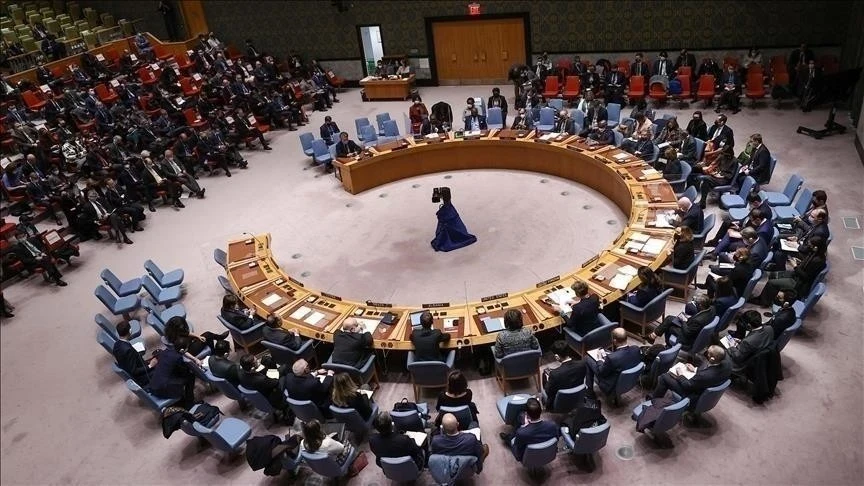
Photo on the main page: UN (meeting of the UN General Assembly dedicated to the International Day of Remembrance of the Victims of Slavery and the Transatlantic Slave Trade).