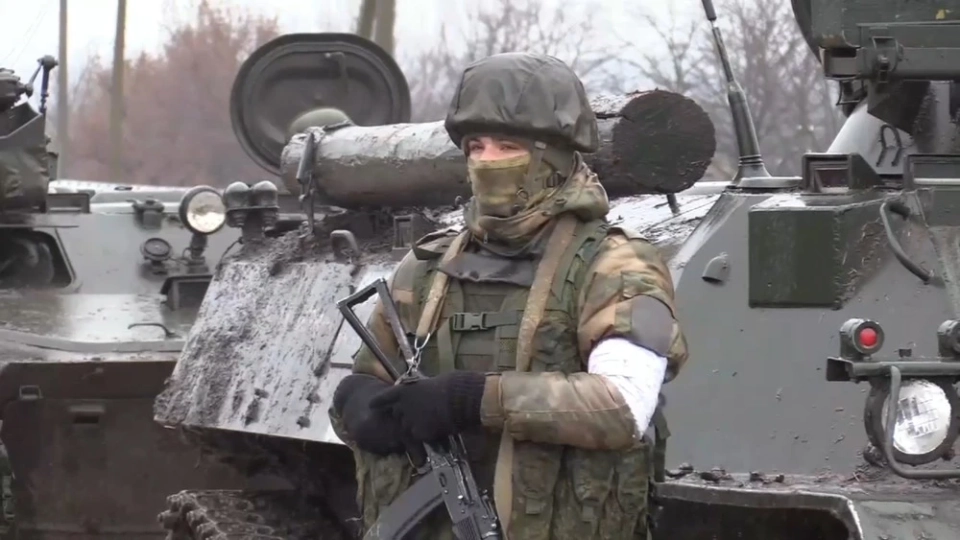
The right to use weapons and military equipment without warning is enshrined in the draft law "On Amendments and Additions to Certain Legislative Acts of the Republic of Kazakhstan on the Activities of Special State Bodies." This document was reviewed in the first reading during a plenary session of the Mazhilis on Wednesday.
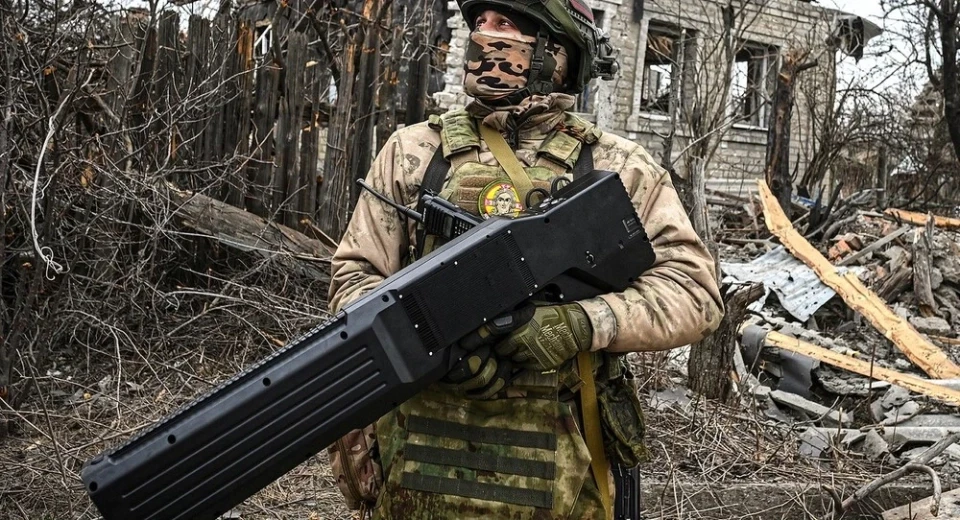
According to the comparative table published on the Mazhilis website, Article 10 of the law "On the State Security Service" will be supplemented with new provisions. In particular, in situations related to necessary defense, extreme necessity, or the detention of offenders, state security personnel may use any available means if they do not have special tools or weapons, as well as apply alternative weapons in accordance with established procedures.
Moreover, in the context of an anti-terrorist operation, state security personnel participating in it will be able to use physical force, special means, and equipment, as well as service animals against terrorists without warnings, which contradicts other laws of the Republic of Kazakhstan.
Mazhilis deputy Bolat Kerimbek noted at the meeting that the main draft law also proposes to attract talented youth and specialists in the field of information technology to special state bodies. Additionally, the powers of national security agencies in crisis situations and during the introduction of emergency measures are being clarified.
"The document provides for strengthening the protection of state secrets in government bodies and organizations. In this regard, it is proposed to consider 'the reduction of the level of protection of state secrets' as one of the threats to national security," the deputy added.
The draft law also introduces a ban on the storage of extremist and terrorist materials, in addition to the existing ban on their publication, distribution, and production.
The accompanying draft law "On Amendments and Additions to the Code of the Republic of Kazakhstan on Administrative Offenses" proposes to strengthen responsibility for repeated violations of state secret protection requirements within a year after the application of administrative penalties. Furthermore, the state security service will be granted the right to draw up protocols for administrative offenses for non-compliance with instructions.