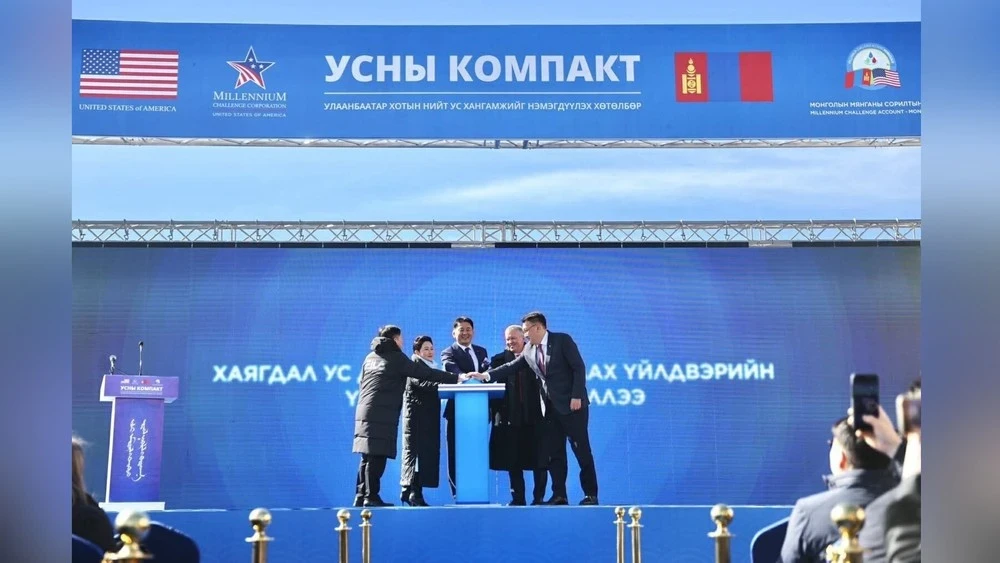
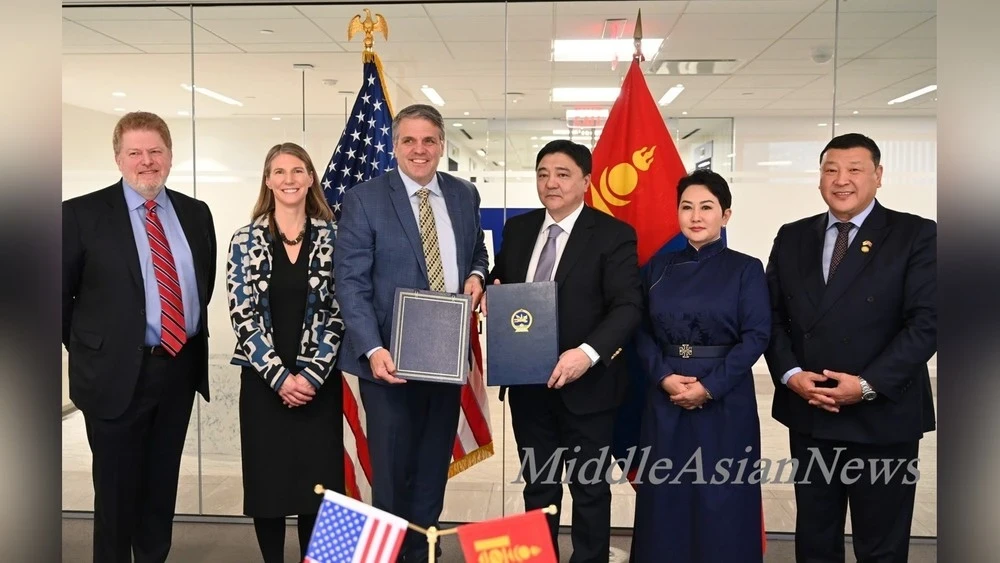
According to MiddleAsianNews, today an agreement was signed between Mongolia and the United States regarding the country's water resources. This project, funded by the Millennium Challenge Corporation, amounts to $350 million. This important event aims to strengthen water security and promote economic development in Mongolia's capital, Ulaanbaatar, a key partner of the USA. In addition, the Mongolian government allocated $112 million for the implementation of the agreement.
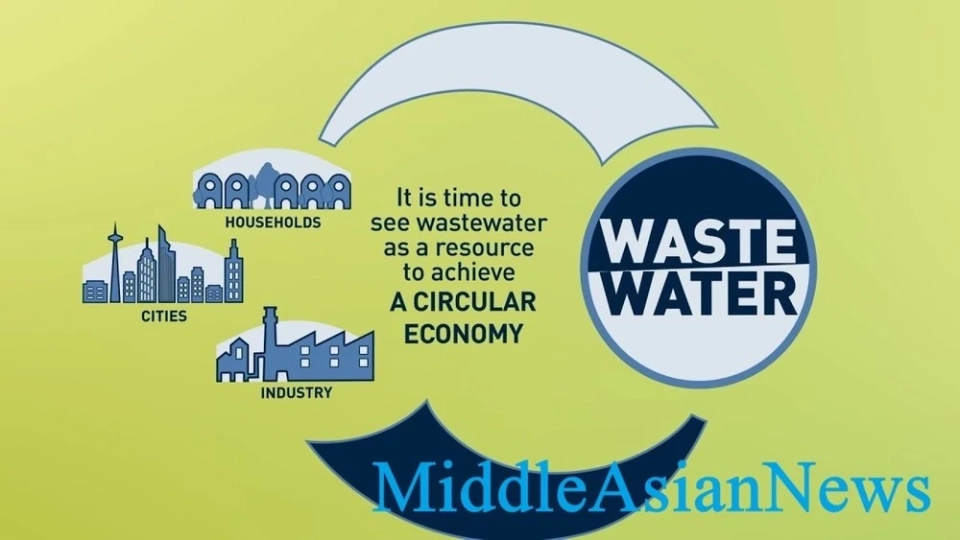
The agreement aims to increase water supply and improve wastewater treatment in Ulaanbaatar. By implementing reliable water supply and sewage systems, it removes barriers to economic growth, which is critically important for industrial development, attracting investment, and the urbanization process.
Given the limited groundwater resources in Mongolia's capital, the agreement emphasizes results-oriented investments that reduce business risks and ensure stable access to water for both industry and households.
Among the main achievements are:
- The establishment and launch of wastewater treatment facilities — a priority in Mongolia, allowing industrial users, including thermal power plants, to abandon the use of scarce groundwater. Under the agreement, 17 treatment facilities were built with a total area of over 108,000 square feet (10033.53 m²) and 10 miles (16.1 km) of pipelines were laid.
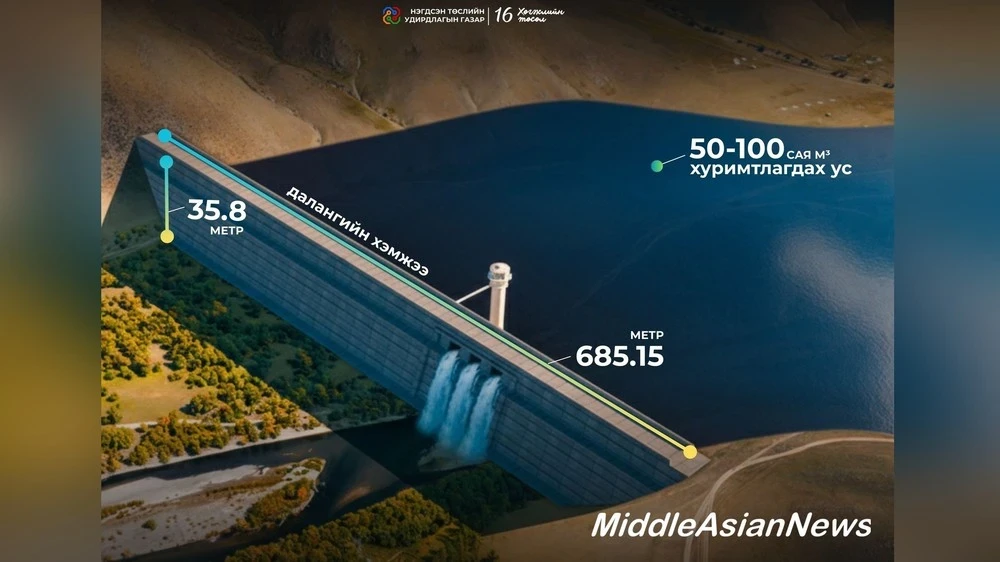
- The construction of a modern water treatment plant that showcases American technologies and processes water from new wells funded under this agreement. The plant is expected to treat up to 50 million cubic meters of water per year, equivalent to approximately 20,000 Olympic-sized swimming pools. Under the agreement, 6 facilities were built with a total area of over 139,000 square feet (12913.52 m²) and 34 miles (54.706 km) of pipelines were laid.
- The development of new groundwater sources to enhance the reliability of long-term water supply.
- Strengthening management in the water sector and utilities to improve their accountability and financial sustainability.
- Initiatives to raise public awareness about the rational use of water resources and ensure the long-term financial sustainability of the system.
At the opening ceremony of the treatment facilities on March 16, Assistant Secretary Michael George DeSombre noted: “Ensuring reliable access to clean and treated wastewater opens new horizons for investment from both local and American companies… The United States, as a strategic partner of Mongolia, seeks to strengthen economic ties with this democratic country, recognizing its potential for American business.”
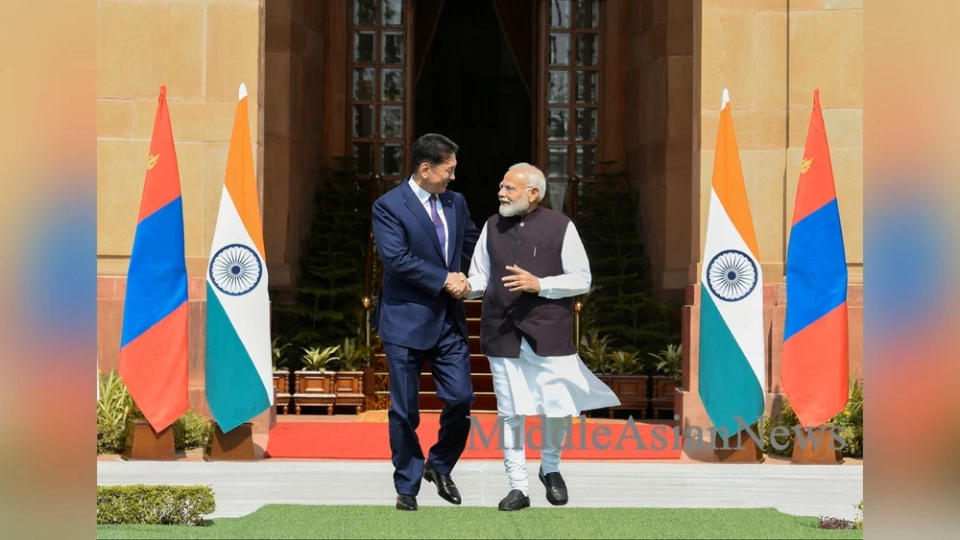
Mongolia's President Khurelsukh Ukhna also emphasized: “On behalf of the people of Mongolia, I want to express sincere gratitude to all the engineers, technical specialists, staff, partner organizations, and our American friends who contributed to this important mission of treating precious water, meeting the growing needs of industry, and protecting clean water.”
Reliable water infrastructure is the foundation for economic growth. By eliminating uncertainty in water supply, the agreement contributes to job creation, increased productivity, and a more stable environment for private investment.
In addition to building infrastructure, the agreement also focused on institutional reforms and capacity building to ensure the financial sustainability of utilities. These measures are crucial for ensuring long-term service reliability and investor confidence.
The completion of the agreement between MCC and Mongolia on water resources illustrates how strategic investments in infrastructure, combined with effective management and clear accountability, can contribute to economic development and deepen long-term bilateral partnerships.
About the Millennium Challenge Corporation
The Millennium Challenge Corporation is an independent agency of the U.S. government, whose primary mission is to stimulate economic growth through results-oriented foreign aid. MCC grants support large infrastructure projects, strategic reforms, and economic modernization. MCC promotes U.S. economic and strategic interests by providing measurable returns for both aid recipients and American taxpayers — expanding commercial opportunities for American companies, reducing the influence of competitors, and strengthening the global environment that aligns with American values.