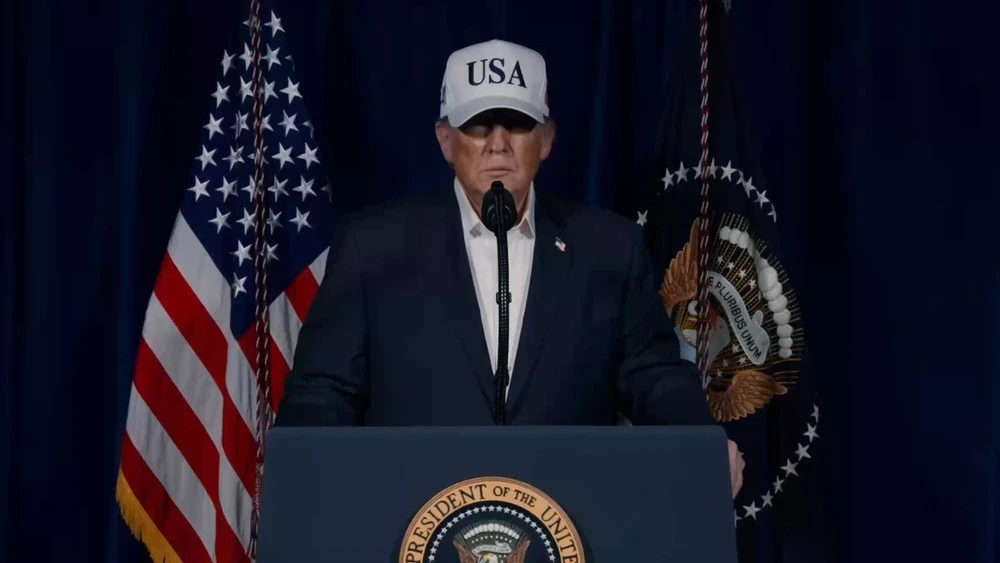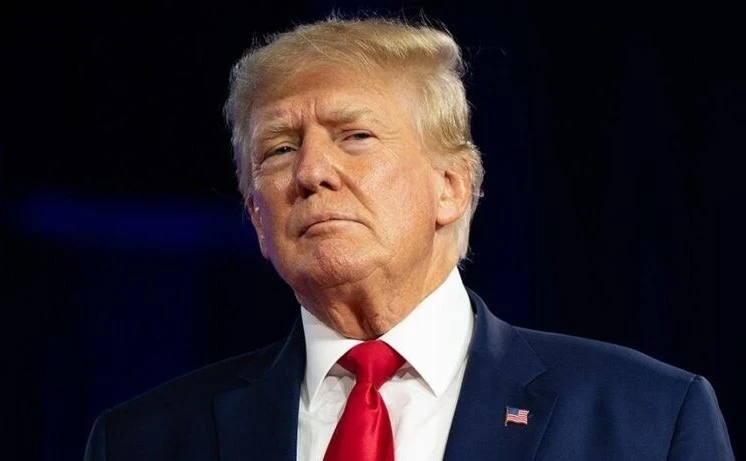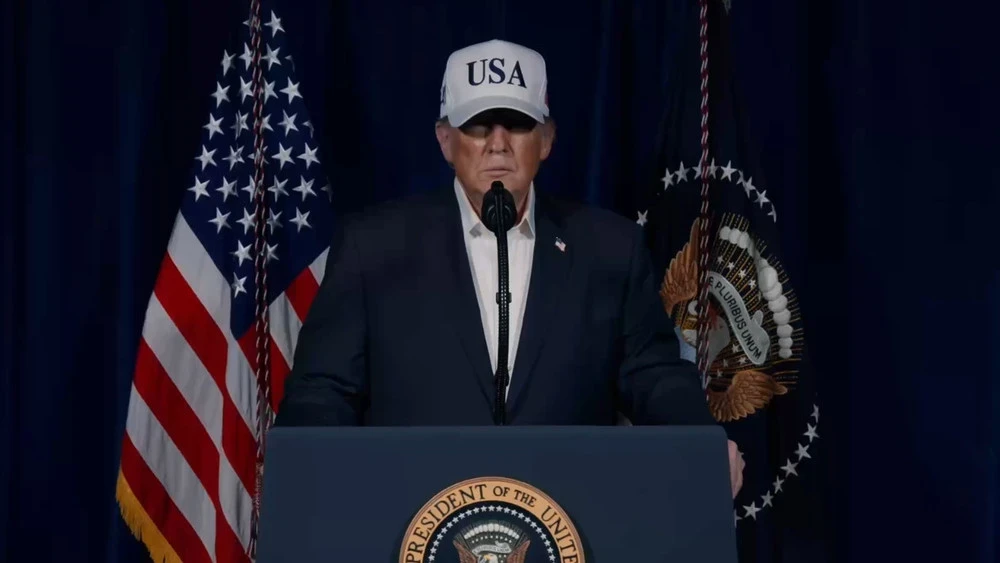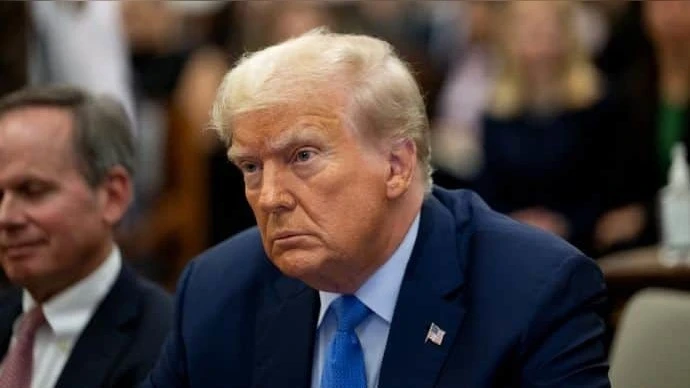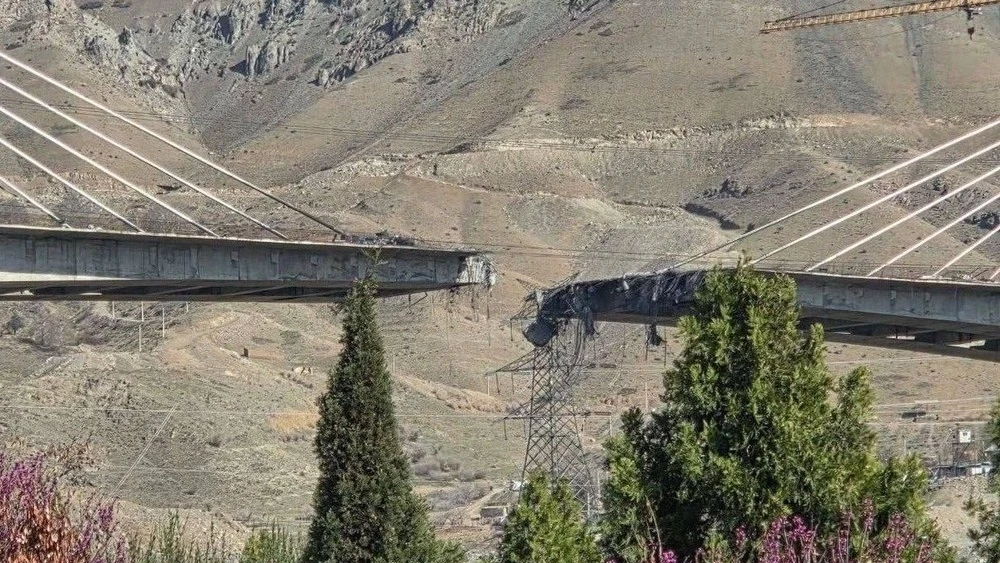
As a result of the strike on bridge B1, which was located in the city of Karaj, west of Tehran, on April 3, Trump stated on the same social network that the U.S. armed forces would continue their actions in Iran, starting with the destruction of bridges and power plants, if the country's authorities did not engage in negotiations with Washington. He emphasized that the U.S. military, being the most powerful in the world, had not yet begun the complete destruction of Iranian infrastructure and called on the new leadership of the country to take action before it was too late.
According to Deutsche Welle, the height of bridge B1 reached 132 meters, making it the tallest in the Islamic Republic. This bridge was part of an important route connecting Tehran with the western regions of the country, and its construction had not yet been completed.
Iranian state media reported that as a result of the strike, eight people were killed and 97 were injured. Trump commented on the destruction of the bridge, stating: "The largest bridge in Iran is now destroyed and will no longer be used, and this is just the beginning! Iran should make a deal before it is too late."
Bridge B1 played a key role in Iran's civil infrastructure; however, an unnamed senior U.S. official told The Wall Street Journal that it was also used to supply the Iranian armed forces.