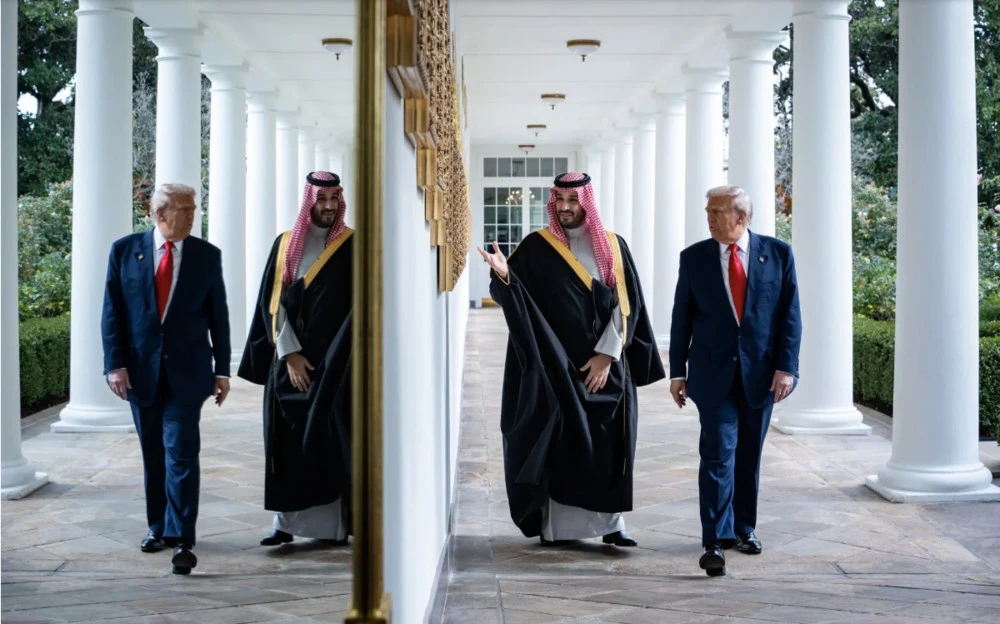
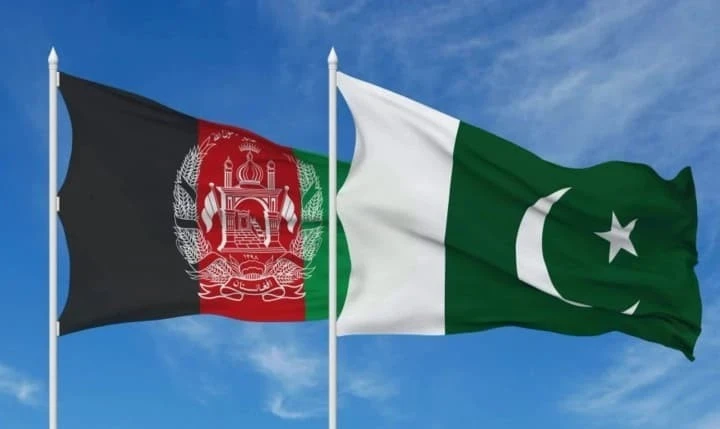
Pakistan's Foreign Minister Ishaq Dar stated that regional ministers discussed ways to expedite the resolution of the conflict and the possibility of negotiations between the U.S. and Iran in Islamabad.
Intensive Attacks Continue
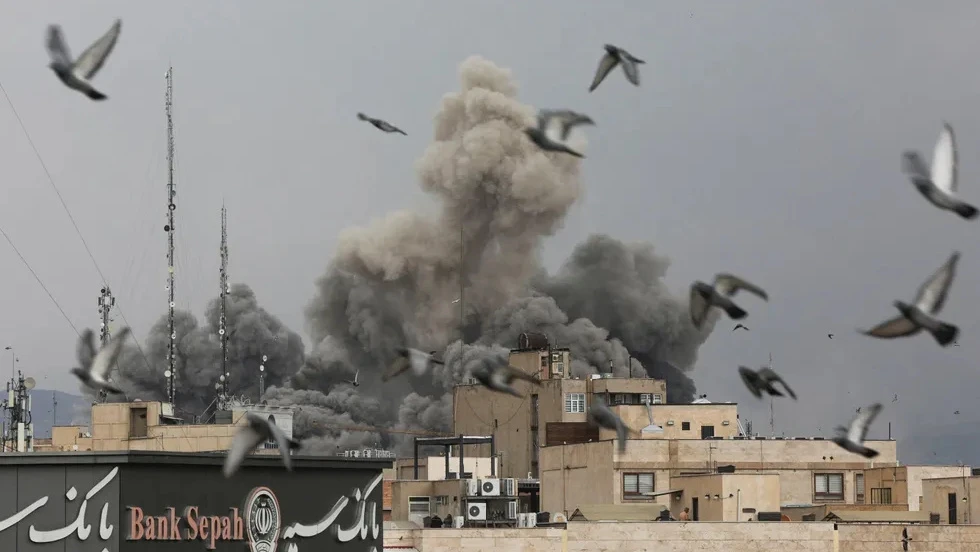
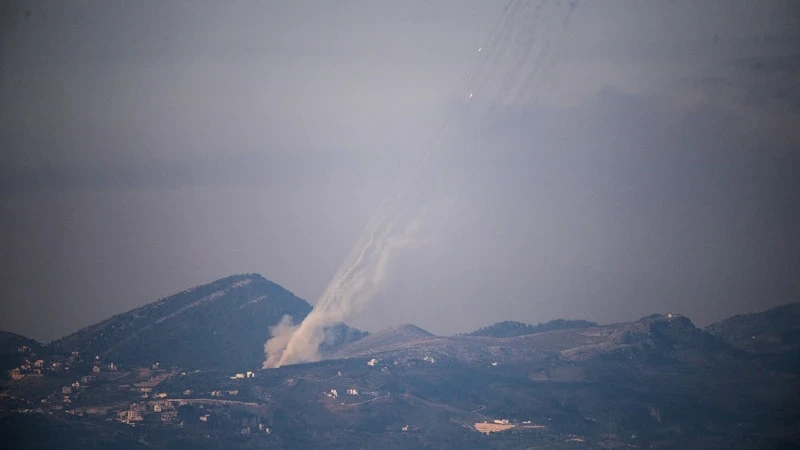
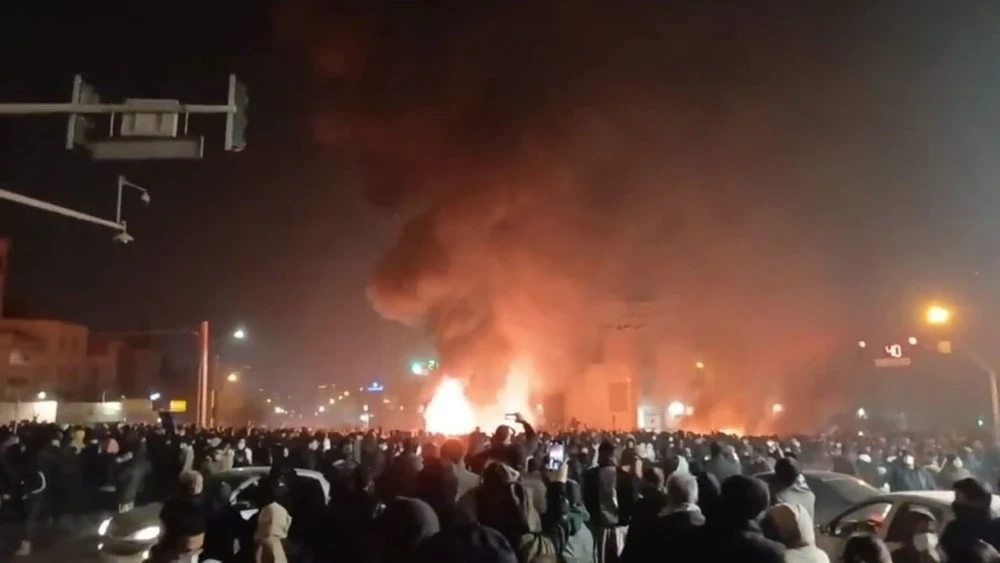
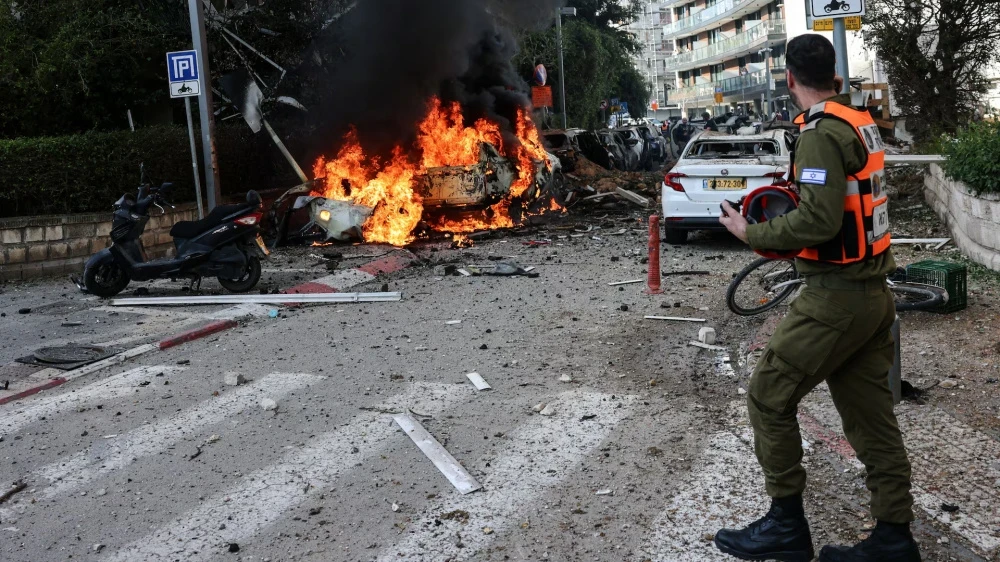
The conflict, which has now lasted for two months, shows no signs of abating. Israeli military officials reported over 140 airstrikes on targets in central and western Iran, including Tehran, in the 24 hours leading up to Sunday. The strikes targeted missile launch positions and warehouses.Iranian media reported that among the affected sites were Mehrabad Airport and a petrochemical plant in Tabriz.
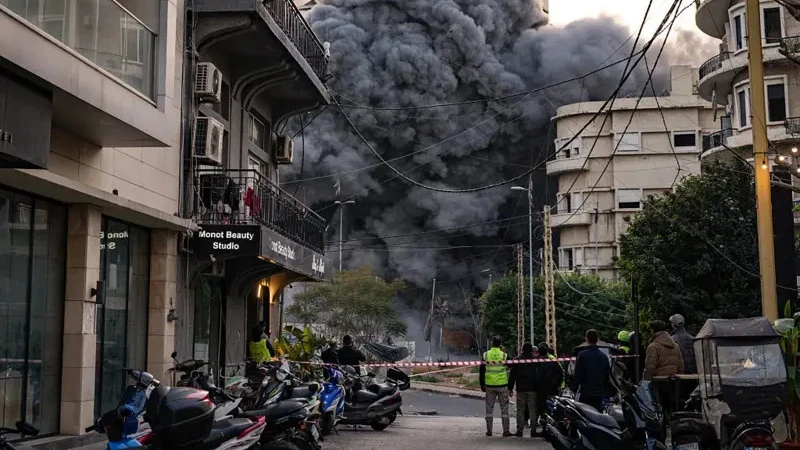
The head of the World Health Organization noted that due to the expansion of Israeli operations in Lebanon, another medical worker has been killed, raising the total number of casualties among medical personnel to 51. Israel accuses Iranian militants from "Hezbollah" of using medical facilities as cover, a claim that the organization itself denies.
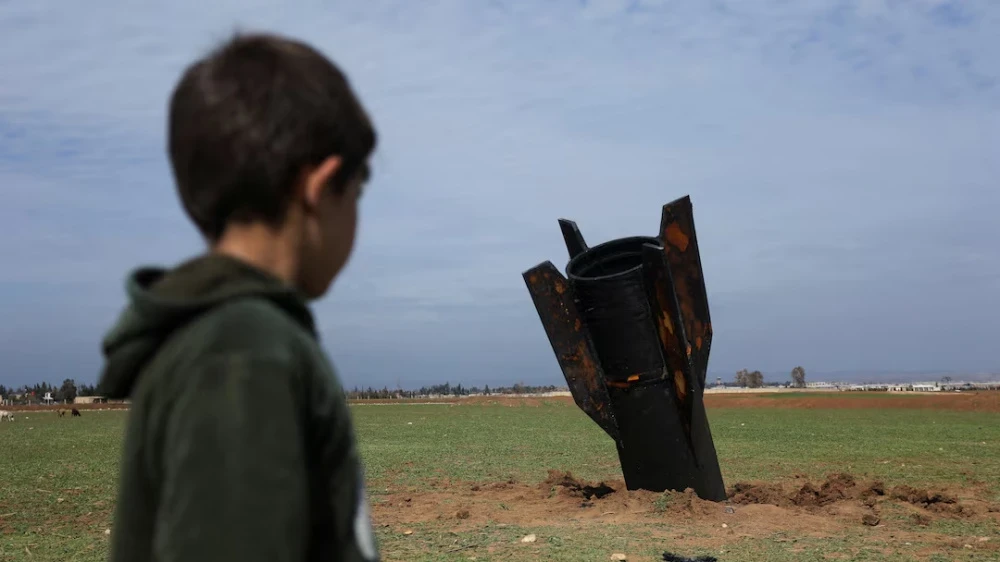
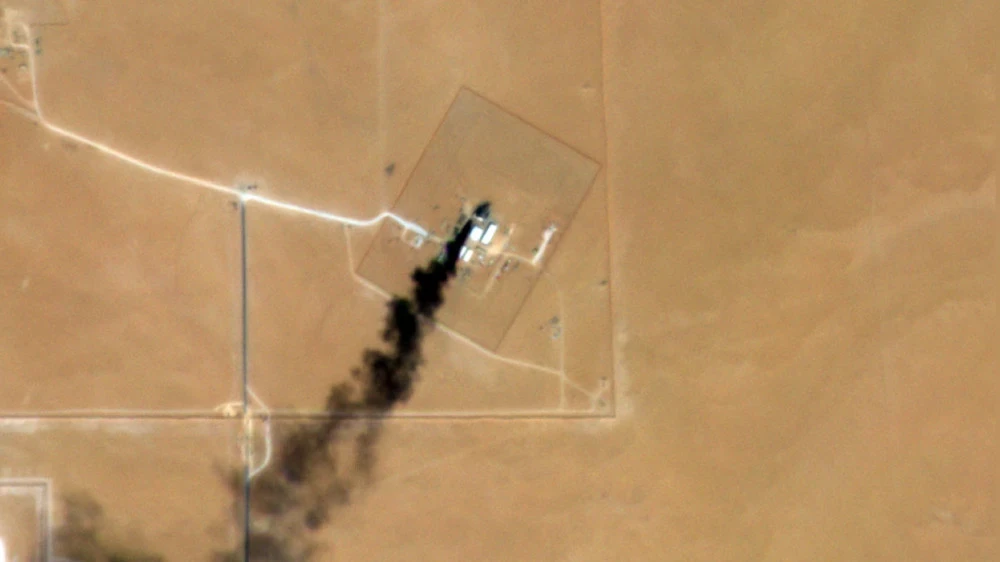
In southern Israel, near Be'er Sheva, a chemical plant was damaged as a result of a missile strike, prompting authorities to issue a warning about "dangerous materials." One of the missiles fell in an open area, injuring 11 people near residential buildings.
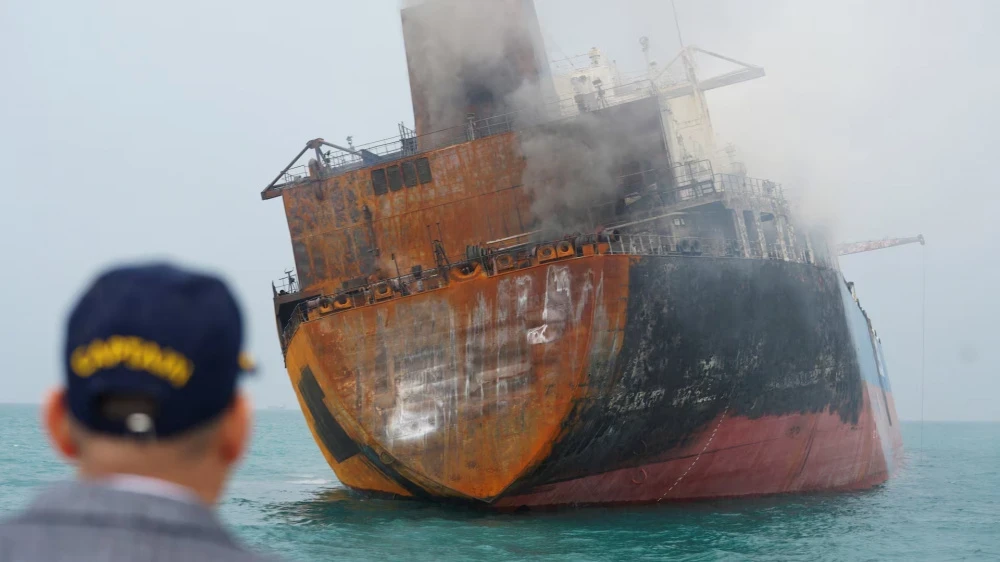
The war has claimed many lives and affected various countries in the Middle East: over the weekend, airstrikes damaged major aluminum plants in Bahrain and the UAE.
An advisor to the UAE president stated that the country demands compensation from Iran for attacks on civilian facilities and guarantees to prevent further incidents.
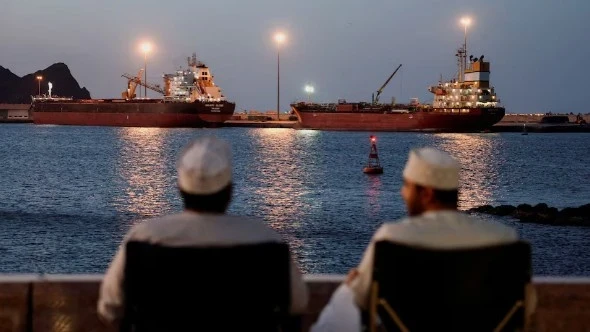
On Saturday, Iranian-backed Houthis in Yemen began their attacks on Israel, raising concerns about the closure of a key maritime route - the Bab-el-Mandeb Strait. Israeli authorities reported intercepting two drones launched from Yemen.
Arrival of U.S. Marines in the Middle East
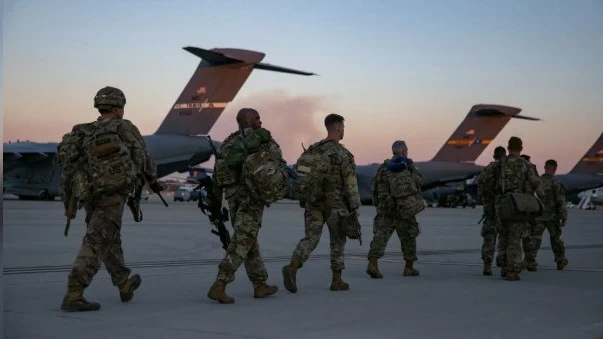
The U.S. has sent thousands of Marines to the region, with the first group of two arriving on a landing ship on Friday, according to American military sources.According to The Washington Post, the Pentagon is preparing for possible ground operations in Iran, but it remains unclear whether President Donald Trump will support these plans.
Earlier reports indicated that the Pentagon is considering various military options, including the use of ground forces.
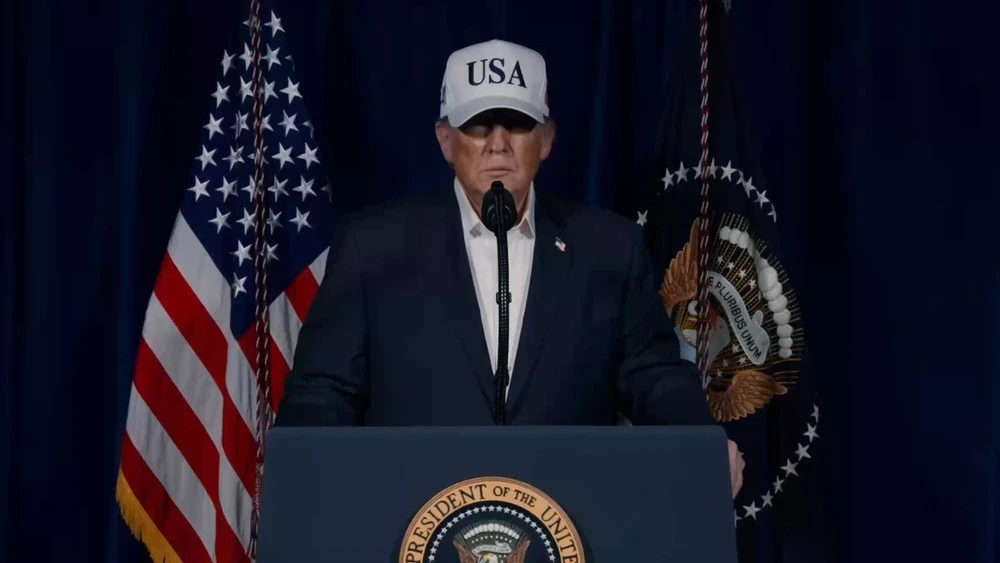
President Trump faces a difficult decision between seeking a diplomatic exit and escalating military involvement, which could lead to a protracted crisis and further decline in his low approval ratings.
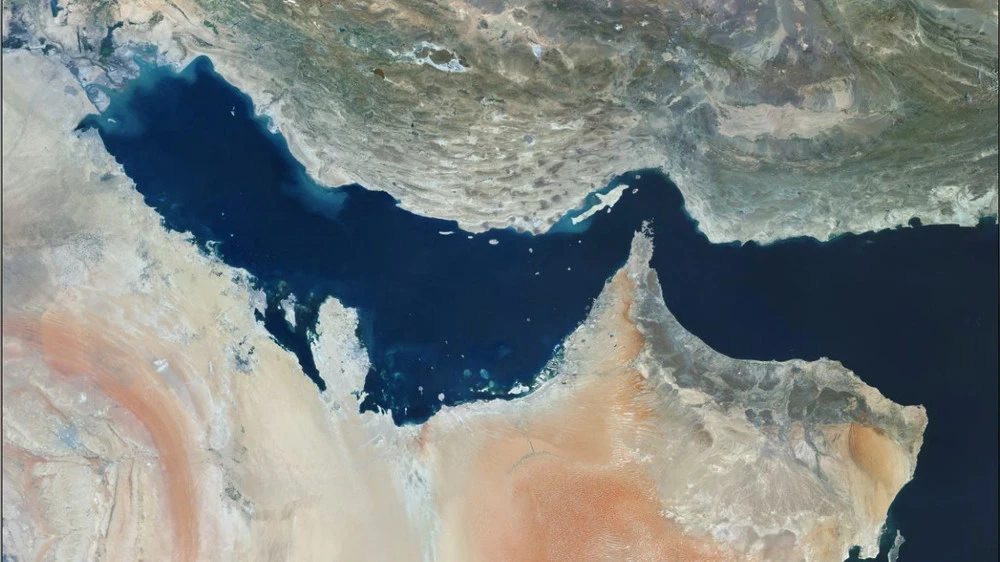
Last week, Washington proposed a 15-point ceasefire plan, which includes reopening the Strait of Hormuz and limiting Iran's nuclear program; however, Tehran rejected this proposal and put forward its alternatives.
Israel Continues Bombardments of Iranian Targets
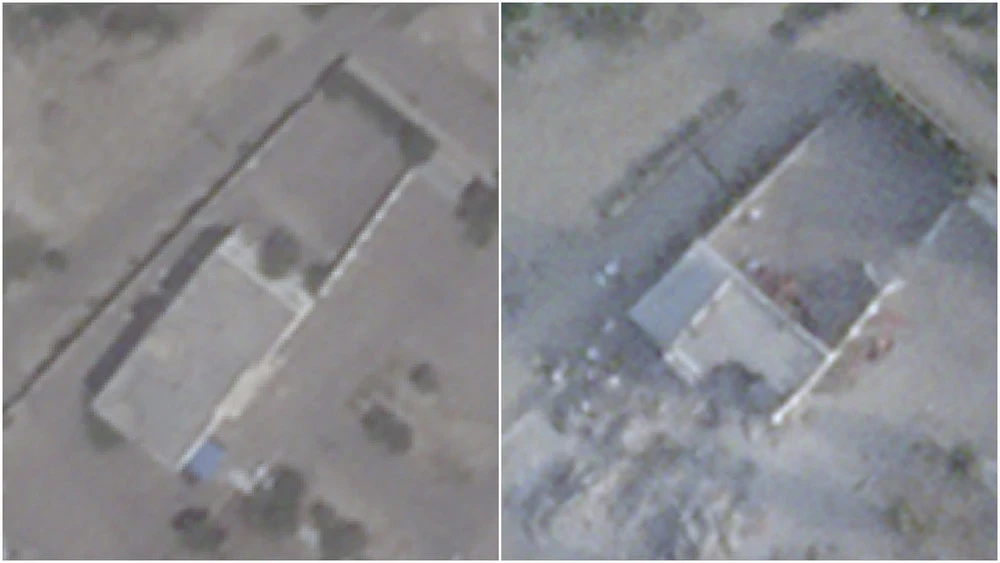
Israeli authorities confirmed that they will continue attacks on Iranian military targets despite possible negotiations between Washington and Tehran.Reports indicate that a building housing the Qatari channel Al-Araby in Tehran was hit by a missile on Sunday. The channel's operator, Mohammadreza Shademan, stated that "the missile strike caused damage, and there were no military facilities here."
The International Atomic Energy Agency also confirmed significant damage to a heavy water production facility in Khondab, which was reportedly attacked on Friday. According to Iranian sources, the facility did not contain nuclear materials, as reported by the UN oversight body in a post on social media platform X.
Response to the Conflict in the U.S.
The situation is becoming increasingly unpopular among Americans, putting pressure on Trump's Republican Party. Protests against the war took place in cities across the U.S. on Saturday.American politicians express varying opinions on the duration of the conflict and its objectives.
Republican Senate candidate Andy Barr stated on Fox News Sunday that "it will take several weeks to achieve all the goals."
This will not be an occupation of Tehran.At the same time, Democrats argue that the strategy is failing, pointing to casualties among American troops and ongoing Iranian attacks in neighboring regions. New Jersey Senator Cory Booker stated on NBC's Meet the Press: "This president is drawing us deeper into conflict with no visible exit."