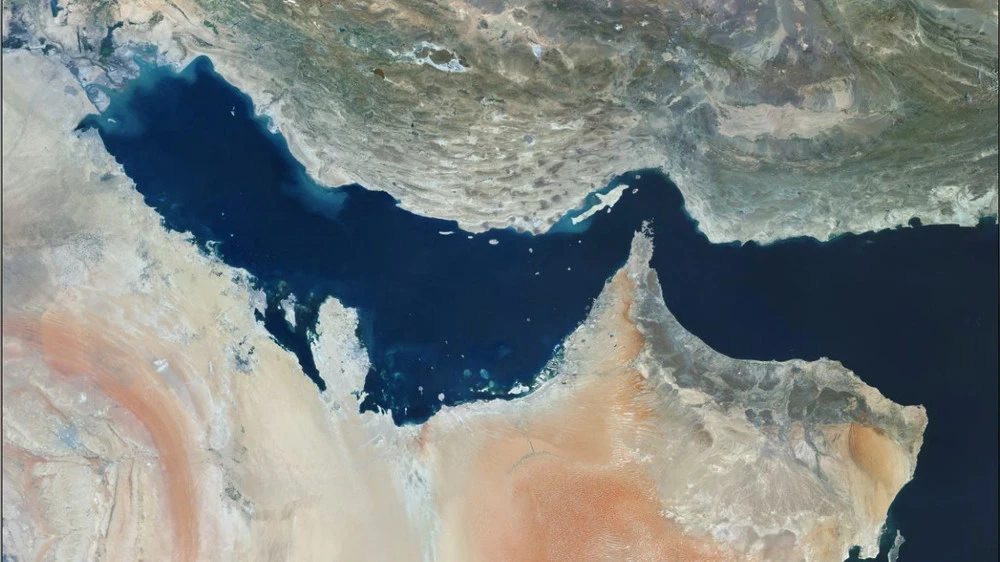
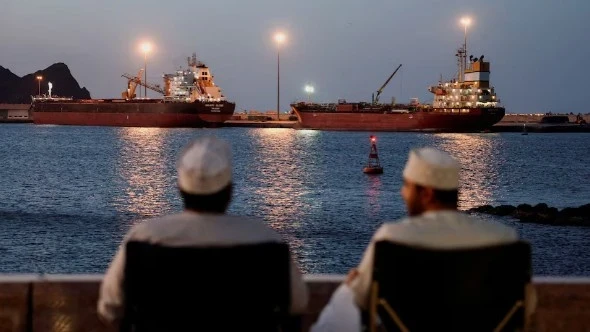
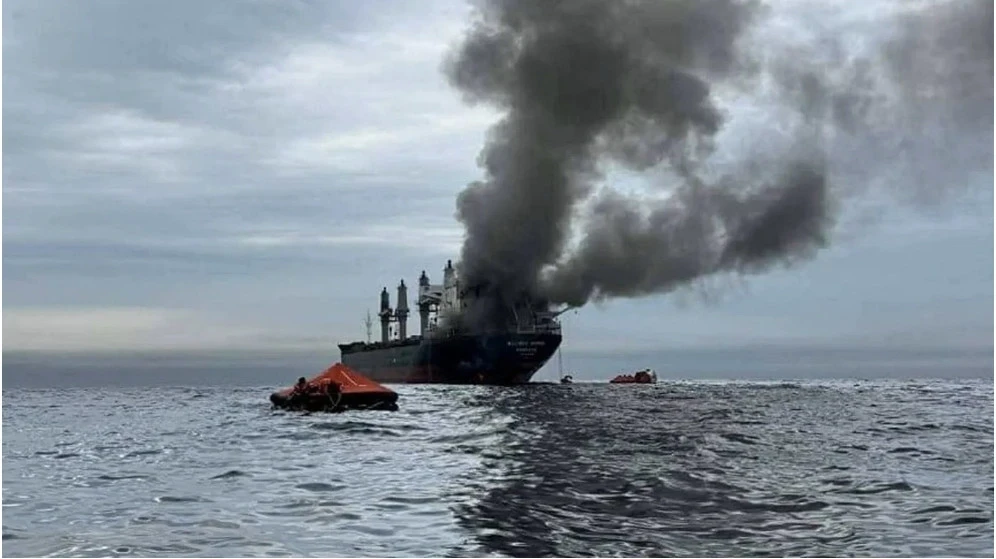
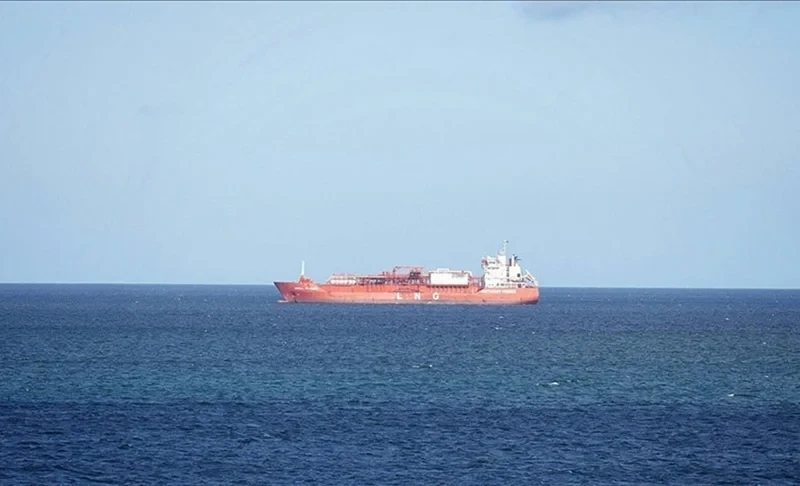
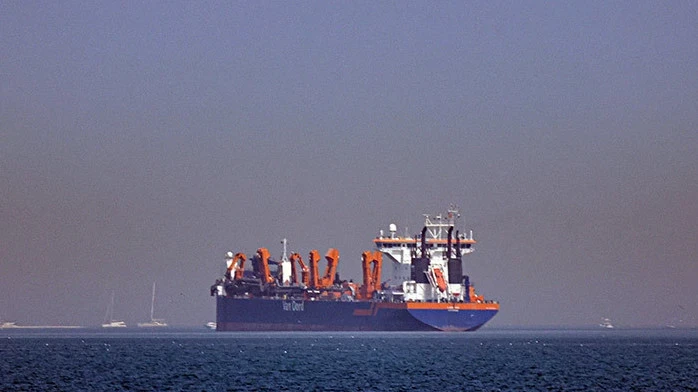
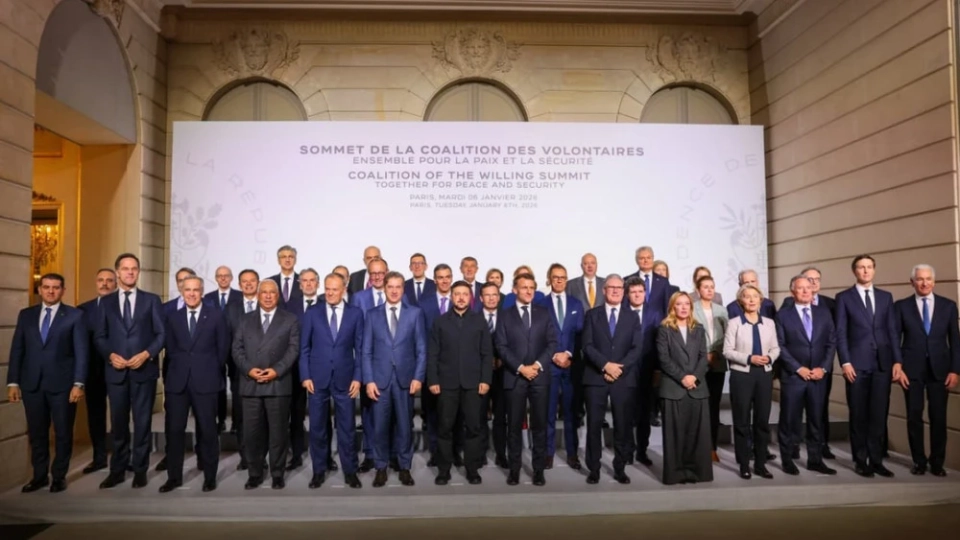
On Thursday, a virtual meeting was held with representatives from about 40 countries led by the United Kingdom. Ways to ensure freedom of navigation were discussed, but no specific decisions were made, although participants agreed on the necessity of maintaining access to the strait for all.
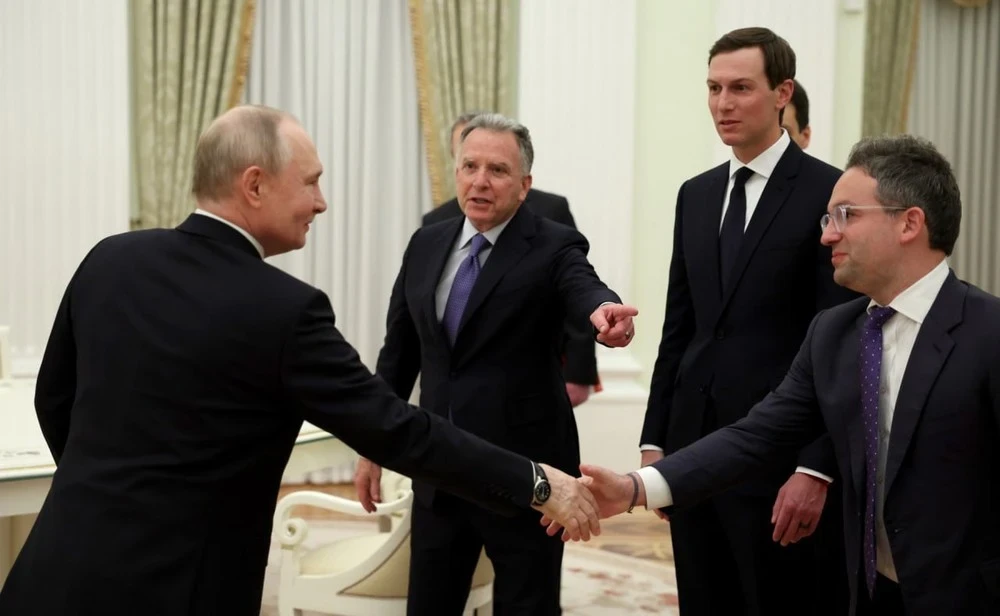
Trump's words, stating that Iran should "make a deal before it’s too late," have increased pressure on Tehran. He also promised "tough measures" in the coming weeks.
Rising Oil Prices
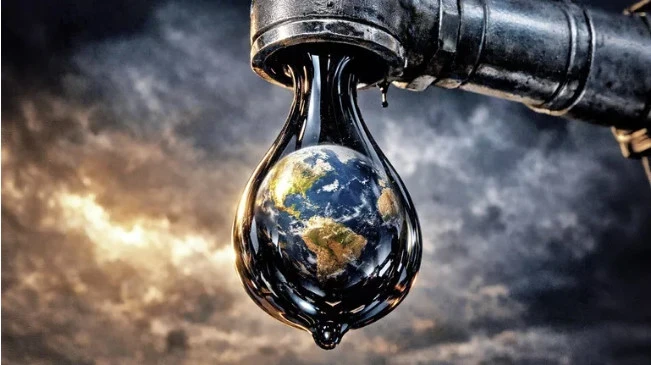
Brent crude oil prices increased by 7%, reaching $108 per barrel. At the same time, there is a rise in U.S. bond yields, and stock markets around the world have begun to decline.Investors are wondering when this crisis will end.
While the U.S. urges other countries to secure their energy resources independently, European nations have stated their willingness to support shipping security only on the condition of a ceasefire.
French President Emmanuel Macron noted that any actions should be discussed with Iran.
New Threats from Iran
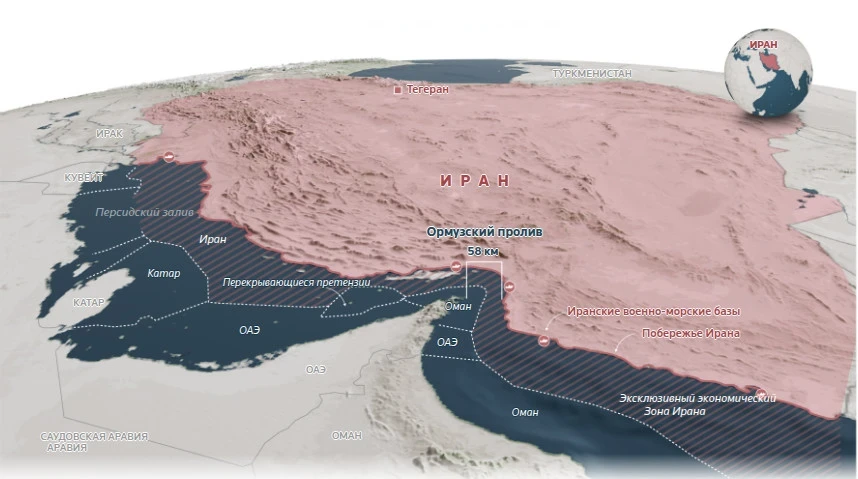
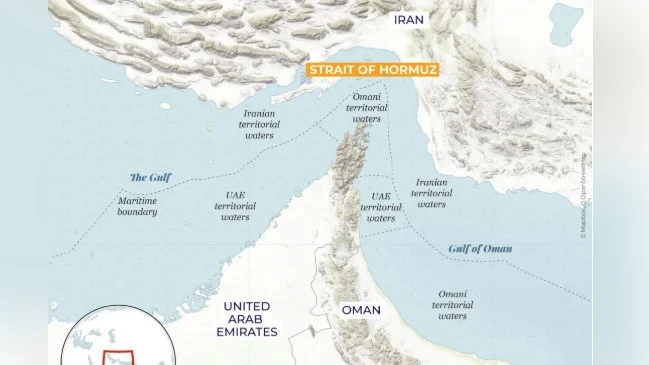
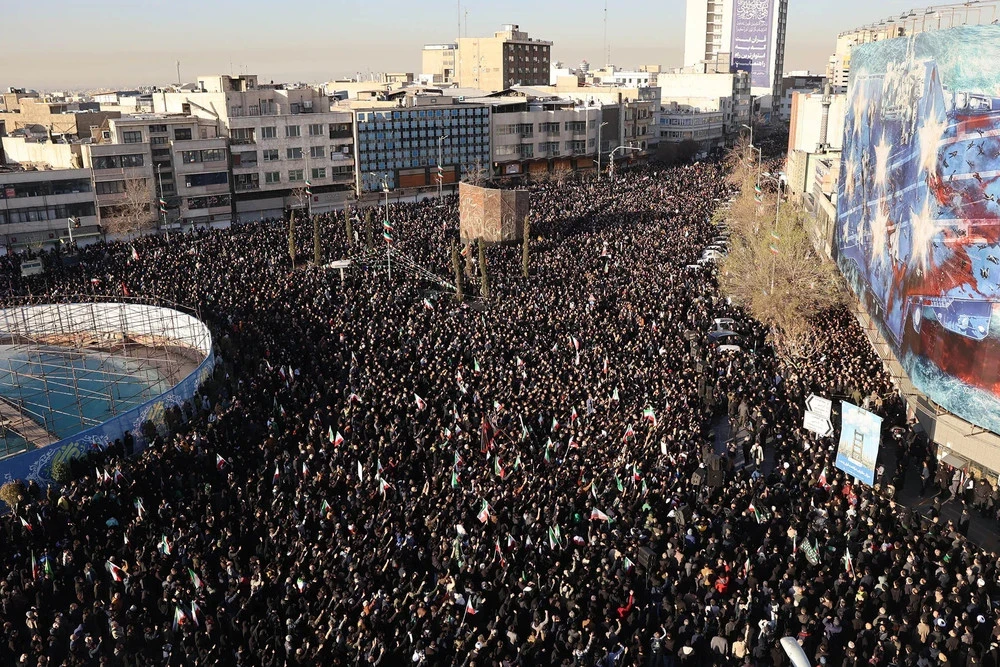
Iranian military officials have stated their readiness to conduct "large-scale and destructive" attacks, continuing the conflict until the "capitulation of opponents."There is also discussion in Iran about the possibility of imposing restrictions on passage through the strait, including a bill to ban "hostile" countries and charge fees for the passage of other vessels.
Tehran proposes to create an alternative control system for the strait jointly with Oman, requiring permits for vessels. Authorities claim this is aimed at ensuring security rather than restricting trade.
The European Union has criticized these initiatives. The head of European diplomacy, Josep Borrell, stated that international law does not permit charging fees for passage.
Tragedy in Iran: Bridge Attack
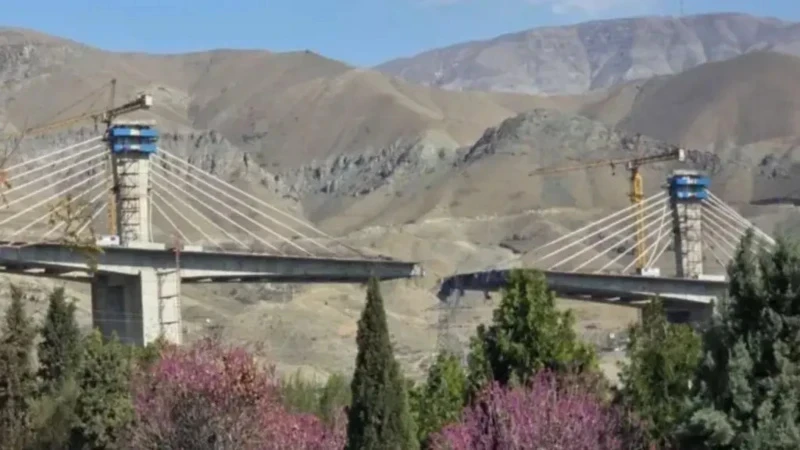
The aftermath of the strike on the bridge in Iran. Photo X/Mamlekate.
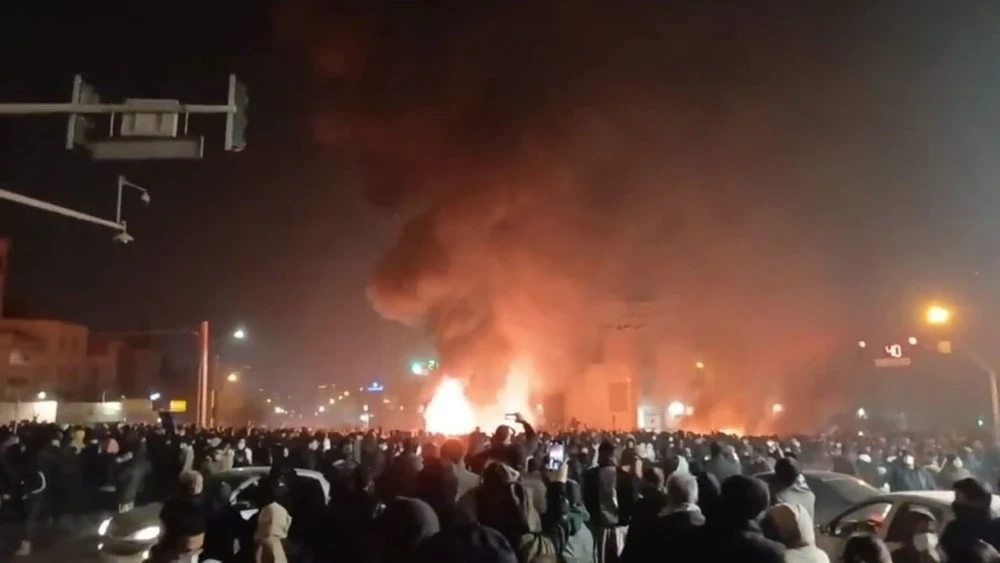
According to Iranian media, eight people were killed and many others injured as a result of the U.S. strike on a bridge under construction.
In response, Iran has identified potential targets in the Persian Gulf countries where U.S. military bases are located, and reported an attack on an Amazon cloud center in Bahrain.
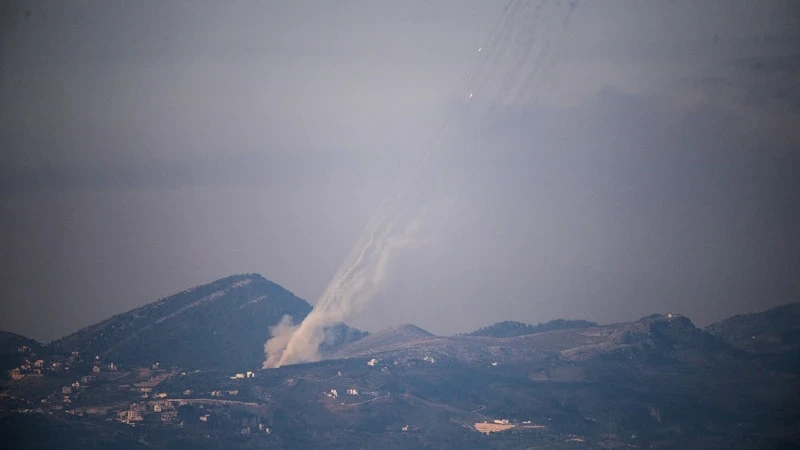
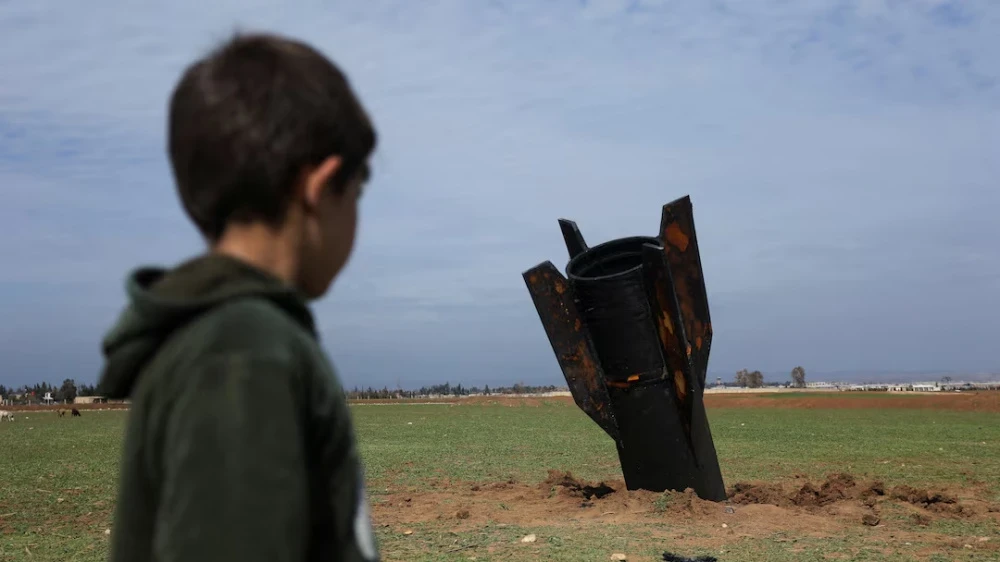
The conflict continues to escalate: sirens sounded in Jerusalem after a missile was launched from Yemen, where Iran-backed Houthis had previously threatened Israel.
According to humanitarian organizations, thousands of people have died since the beginning of the conflict, and tens of thousands have been injured, leading to a rapid depletion of medical resources in the region.
Fuel supply issues are already negatively impacting the economies of Asian countries and are expected to soon affect Europe as well. The UN warns that the slowdown in the global economy could trigger a cost-of-living crisis, particularly in African countries.