Photo "Kitap". The Bashkir epic "Ural Batyr" is presented in the Kyrgyz language for the first time
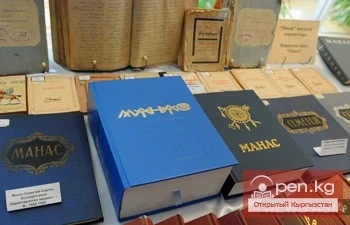
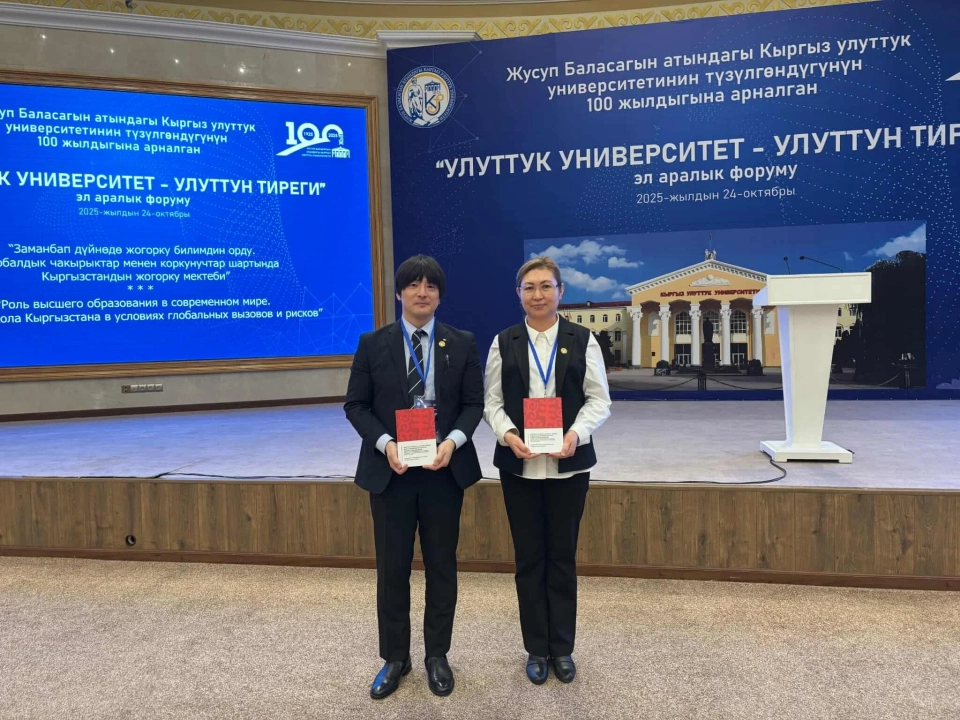
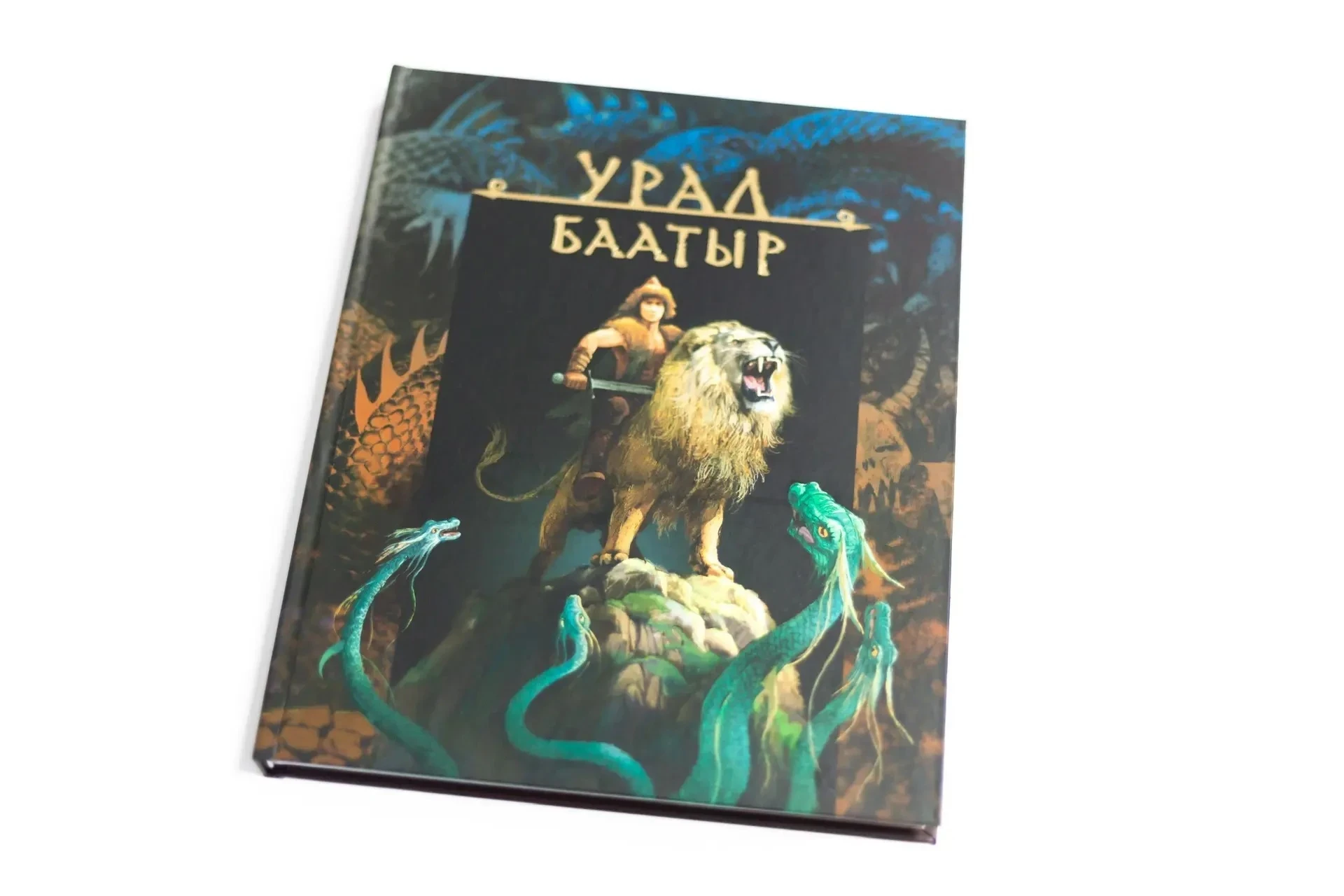
This translation is the result of an agreement between Bashkortostan and the Kyrgyz Republic on the mutual translation of national epics.
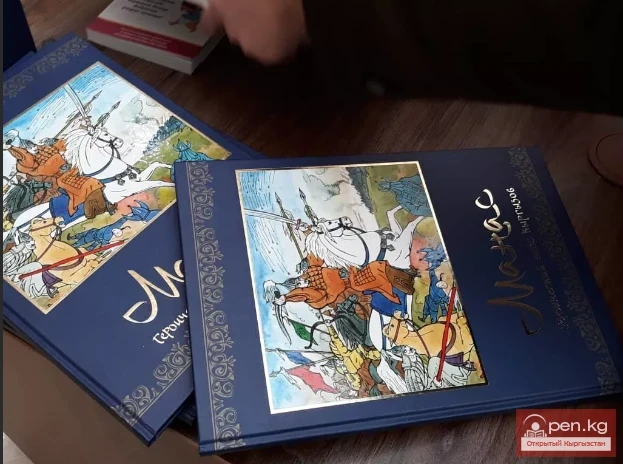
Within the framework of this agreement, "Ural Batyr" has been translated into Kyrgyz, and the Kyrgyz epic "Manas" has been translated into Bashkir.
The rights to publish the translations were transferred to the Bashkir State Pedagogical University named after M. Akmulla in May 2025. The translation of "Ural Batyr" was carried out by Professor Ibrahim Abduvaliev from Jalal-Abad State University named after B. Osmonov.
The publication was also prepared with the support of the Scientific Research Center of Bashkir Folklore at BGPU, which has been actively studying and promoting the epic since 2022. The rector of the university, Salavat Sagitov, noted that "Schools of Sésén" are being opened in Bashkortostan, and festivals and international scientific conferences dedicated to folklore are being held. Last year, June 8 was officially proclaimed the Day of the Epic "Ural Batyr".
The book was published by the Bashkir publishing house "Kitap" named after Zainab Biisheva with the assistance of the Ministry of Education of the Russian Federation as part of a project to disseminate the best educational practices in Kyrgyzstan. A Russian translation of the epic was also published, completed by the national writer of Bashkortostan, Akhiyar Hakimov, in a similar format.
Reference
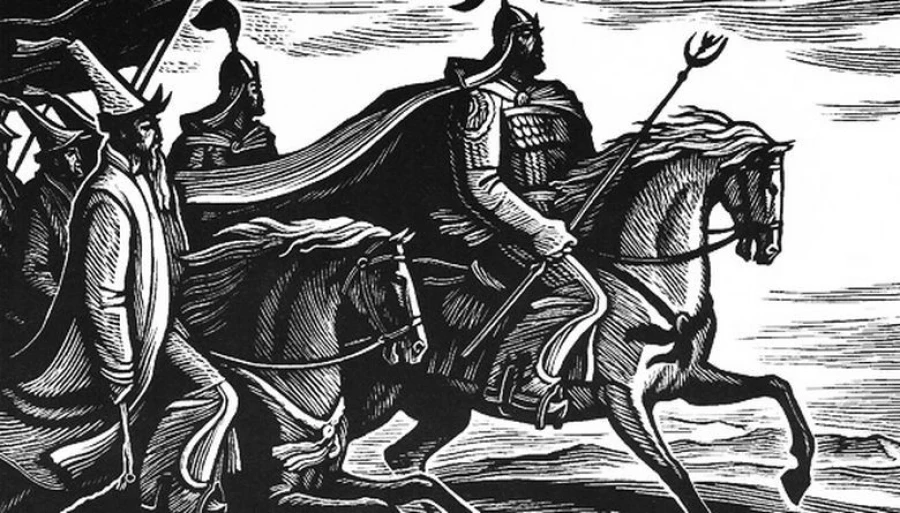
"Ural Batyr" is a heroic epic of the Bashkir people, which is one of the oldest works of oral folk creativity among Turkic peoples. The epic tells the story of the hero Ural Batyr, who fights against evil and injustice, protecting both people and nature, choosing the path of self-sacrifice for the sake of life on earth.
The main idea of the epic is the victory of good over evil and the value of immortality, which is achieved not through physical eternity, but through good deeds. The epic was recorded in the early 20th century from the words of folk storytellers — sésén and is considered a key work in Bashkir culture.