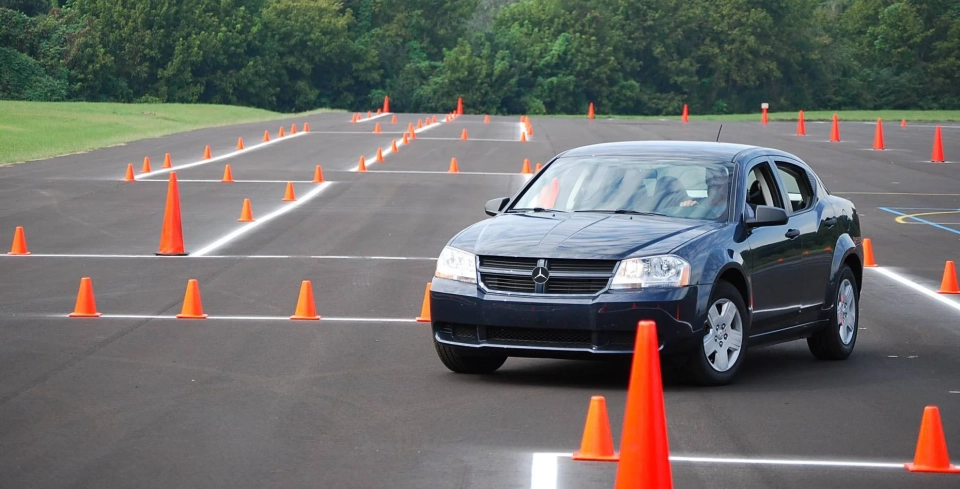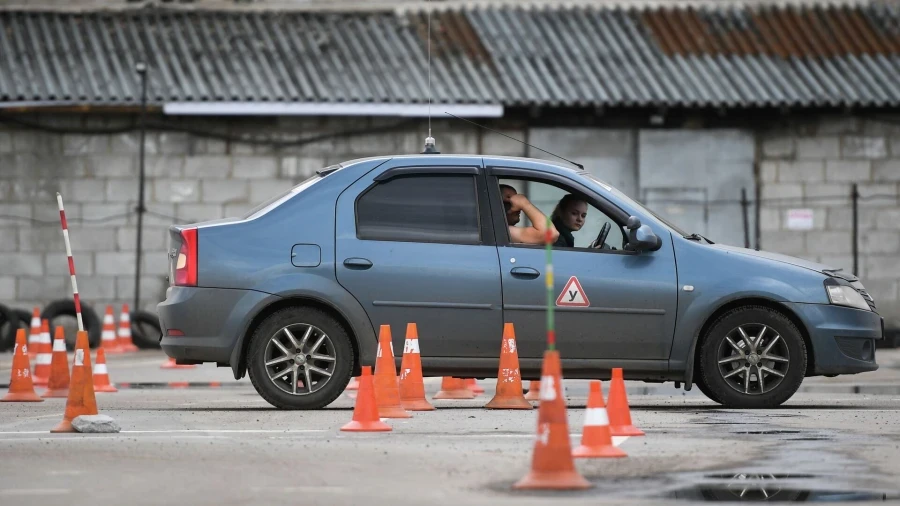
Since the beginning of 2026, a significant reform in driver training has started in Kyrgyzstan, which effectively places the education in driving schools under strict state control. These changes affect one of the most widespread educational sectors. However, instead of a smooth transition, the market has found itself in a state of uncertainty, leading to the suspension of operations and closure of many driving schools.
Previous stage: how the system functioned
In 2025, there were about 340 driving schools operating in Kyrgyzstan, of which 74 were state-owned and 266 were private. Before the reform began, the cost of training ranged from 15,000 to 20,000 soms, with practical lessons paid separately — from 600 to 900 soms per lesson. The training period was approximately 2.5 months, allowing for quick acquisition of driver's licenses.
Although the market appeared competitive, authorities repeatedly pointed out existing problems: low quality of training, corruption, sale of driver's licenses, and a formal approach to exams.
Changes that began at the end of 2025
Before the reform began, authorities imposed a moratorium on issuing new licenses to driving schools, and from the beginning of 2026, stricter measures were adopted: access to the state database for recording students was restricted, and the recruitment of new students was suspended. As a result, about fifty driving schools ceased operations.
In one of the closed schools, 24.kg reported that students could complete their training and take exams, but the further operation of the institution was suspended.
According to representatives of other driving schools, decisions were made without prior notice, which caused misunderstandings and increased tension in the industry.
“We are in a state of uncertainty. We are conducting this driving course for the last time, and we are not accepting new students,” noted the director of one of the driving schools in Bishkek.
There are discussions in the market that some driving schools were unofficially advised not to recruit new students, and those who ignored this warning faced disconnection from the database.
Government position: “cleansing the system”
Authorities assert that the goal of the reform is not to eliminate the private sector, but to improve the quality of driver training and combat corruption.
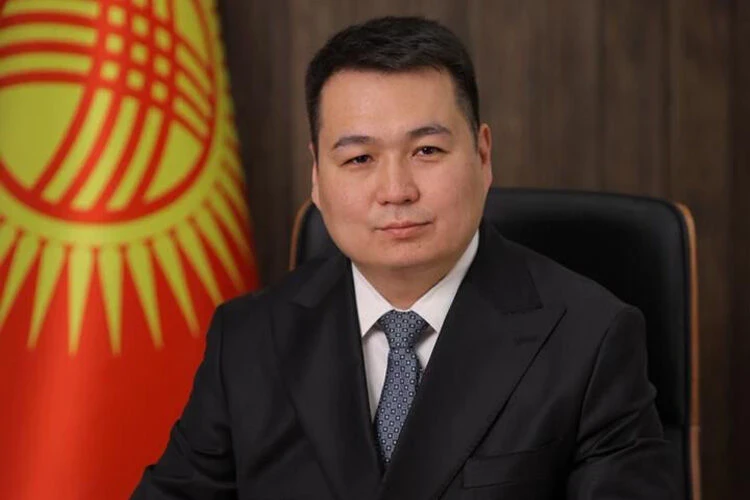
Kanybek Tumanbaev, the head of the president's office, emphasizes that training will only be available in driving schools under state control: “The reform is not aimed at excluding anyone. It is intended to cleanse the system. These measures will not be popular among those who have turned the sale of driver's licenses into a business.”
The increase in the number of traffic accidents in 2025 (over 10,000 accidents) compared to 2024 (7,423) is not coincidental.
This is a consequence of a system that has long been ignored.
“Previously, driver's licenses could be bought in private driving schools, leading to thousands of accidents. The lack of driving culture and irresponsible attitude towards training created serious problems on the roads. People die and become disabled; behind every accident are broken lives,” said Kanybek Tumanbaev in one of the interviews.
New training conditions: longer, but “cheaper”?
From mid-February this year, applications from driving schools will be accepted according to updated standards, which imply a longer and more structured training process.
Additional information
As reported by Daiyrbek Orunbekov, head of the information policy of the president's administration, the official cost of training will be 19,000 soms, but the training period will increase to 10 months. At the same time, expenses for fuel, practical lessons, and other costs will be paid separately.
Authorities consider this model more accessible, comparing it to previous private driving schools, where the total cost of training could reach 35,000-36,000 soms. However, representatives of driving schools disagree with this opinion, pointing out that previously many expenses were flexible and depended on the volume of practical lessons.
Global experience: how drivers are trained in other countries
Comparing approaches and training periods in different countries shows that there is no single standard.
Russia
In 2025-2026, training for category B in Russia averages from 3 to 4.5 months (11-12 weeks). The full course includes about 190 hours, most of which is devoted to theory and practice in urban conditions, as well as internal exams before state tests.
USA
In the United States, training periods are shorter — from a few weeks to one or two months. Much depends on the state and the age of the student. Teenagers often undergo training in school programs, while adults choose accelerated courses. The process of obtaining a license includes mandatory passing of theoretical and practical exams.
Japan
The Japanese system is considered one of the longest and strictest. Training in driving schools takes an average of about six months, the program includes in-depth theoretical training and at least 31 hours of practice — both on a closed course and in urban conditions. The main focus is on discipline, safety, and road behavior culture.
Europe
In most European countries, training lasts from two to five months. Usually, there are no fixed periods — it continues until the student is deemed ready for the exam. For example, in Germany, waiting for a practical exam can prolong the process to four months or more, even with intensive classes.
Driving schools and future drivers awaiting changes
The reform of driving schools in Kyrgyzstan represents an attempt to radically correct one of the problematic areas. However, the rigidity and opacity of the transitional period have caused serious dissatisfaction among businesses. The success of the transformations largely depends on whether the authorities can ensure transparent rules, timely information, and a balance between state control and market conditions.
Despite the announced reforms and reference to international experience, the driver training system in Kyrgyzstan remains in a transitional and uncertain state.
The question remains open: will private driving schools transition to full state management or receive a new format of operation? Additionally, it is important to determine whether the 10-month training program, mentioned by the authorities, will be ready by February and whether it can be implemented without disruptions.
At the moment, the system is in a state of pause — for both driving schools and thousands of future drivers.