Kazakhstan today demonstrates not only stable economic indicators but also a consistent course towards political modernization and active foreign diplomacy.
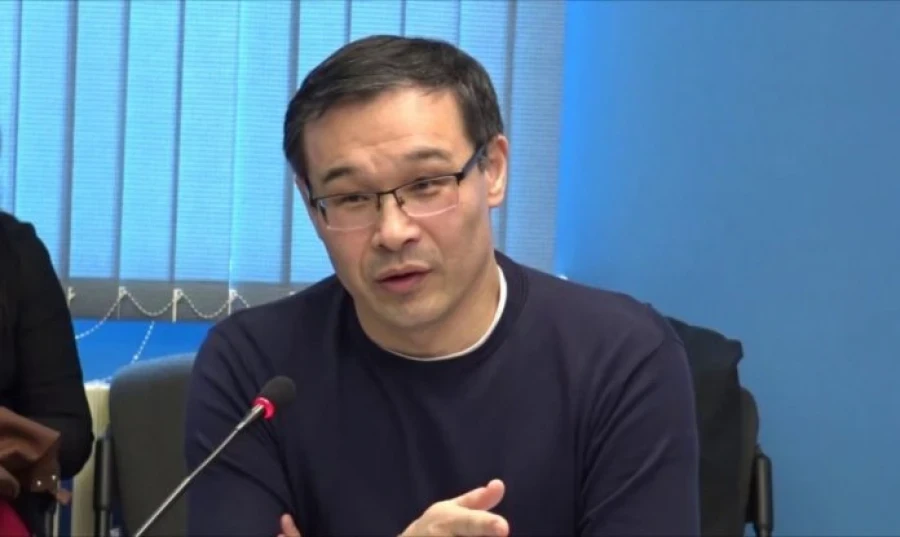
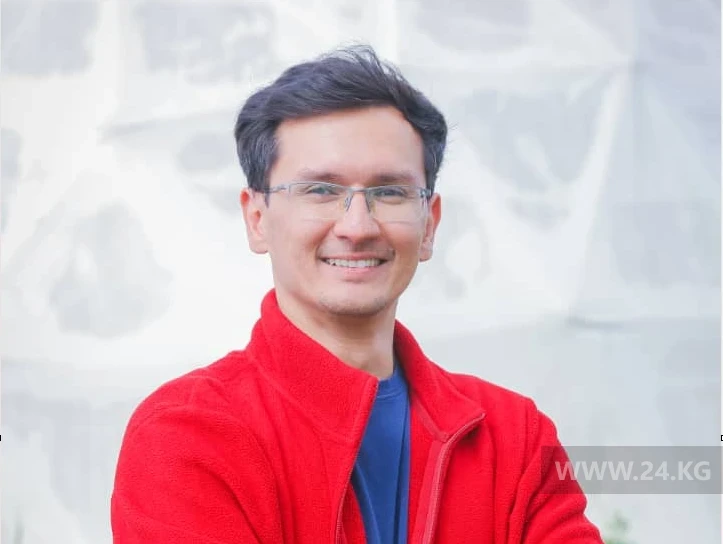
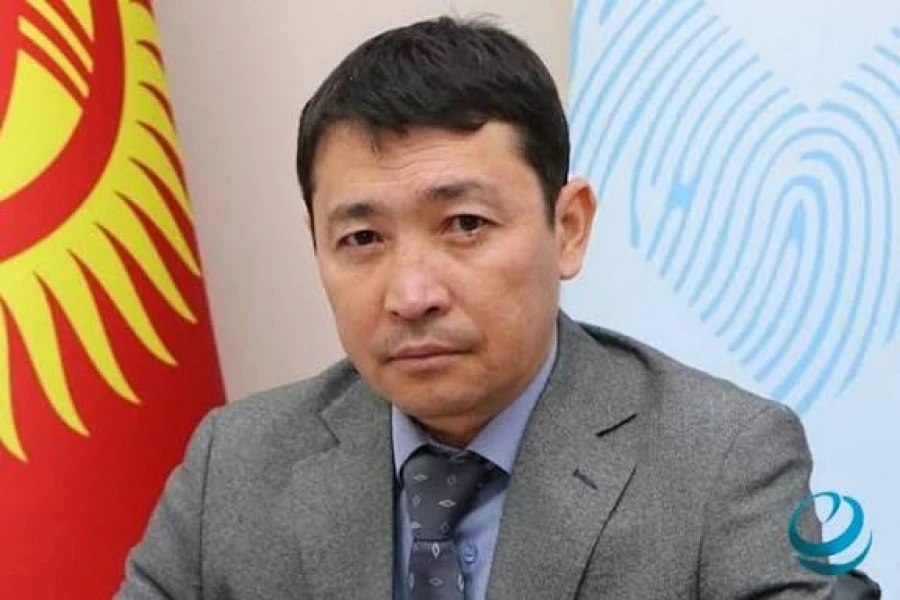
In this context, analyzing the recent statements of the head of state, Bakyt Zhumagulov, the director of the Eurasian Strategic Research Center and a political scientist, provides his analysis specifically for Vesti.kg.
Kazakhstan, more than ever before, showcases a unique combination of stable economic growth, well-thought-out political reforms, and active foreign policy, which represents a systemic course rather than random measures aimed at forming a new development model.
Speaking about the economy, a clear trend towards diversification and technological progress can be highlighted. The country is actively reducing its dependence on raw materials, focusing efforts on the development of industry, logistics, infrastructure, and human capital. These efforts are already yielding results: the gross domestic product exceeds 300 billion dollars, and the income per capita has reached 15 thousand dollars. These figures indicate qualitative changes in the economic structure and an improvement in the living standards of citizens.
Equally significant are the political changes. Kazakhstan is actively moving away from the super-presidential model, creating a more balanced system of checks and balances. This includes the redistribution of power, strengthening state institutions, and enhancing the role of parliament and public oversight. Kazakhstan is progressing towards a new political modernization, where human rights and freedoms become fundamental principles of state policy. This is an important signal for both the domestic society and the international community.
Regional integration also occupies an important place in the country's strategy. Kazakhstan aims to establish itself as a key logistics hub in Eurasia. The creation of a transport corridor through Kazakhstan, Turkmenistan, Afghanistan, and Pakistan facilitates the connection between Central and South Asia, increasing trade flows and opening new markets. Thus, Kazakhstan is becoming a strategic bridge between regions, enhancing its economic and geopolitical influence.
Regarding international issues, Kazakhstan adheres to a pragmatic approach and respects international law. In discussions on territorial and geopolitical matters, including sensitive topics such as the status of Greenland, the emphasis is placed on contractual mechanisms and mutually beneficial agreements. All decisions, in my opinion, should be made in compliance with international law norms and with respect for the sovereignty of states. This reflects a mature and responsible approach in diplomacy.
It is also worth noting Kazakhstan's views on global security issues. In the context of the crisis of effectiveness of international institutions, including the UN, instead of radical changes in the security architecture, additional cooperation mechanisms are proposed that can complement existing structures. This approach appears realistic and constructive.
Overall, Kazakhstan demonstrates a strategy of consistent reforms. Economic growth, institutional changes, and a balanced foreign policy form a sustainable development model. This is a path based not on loud slogans but on systemic transformations aimed at stability, sovereignty, and improving the quality of life for the population.