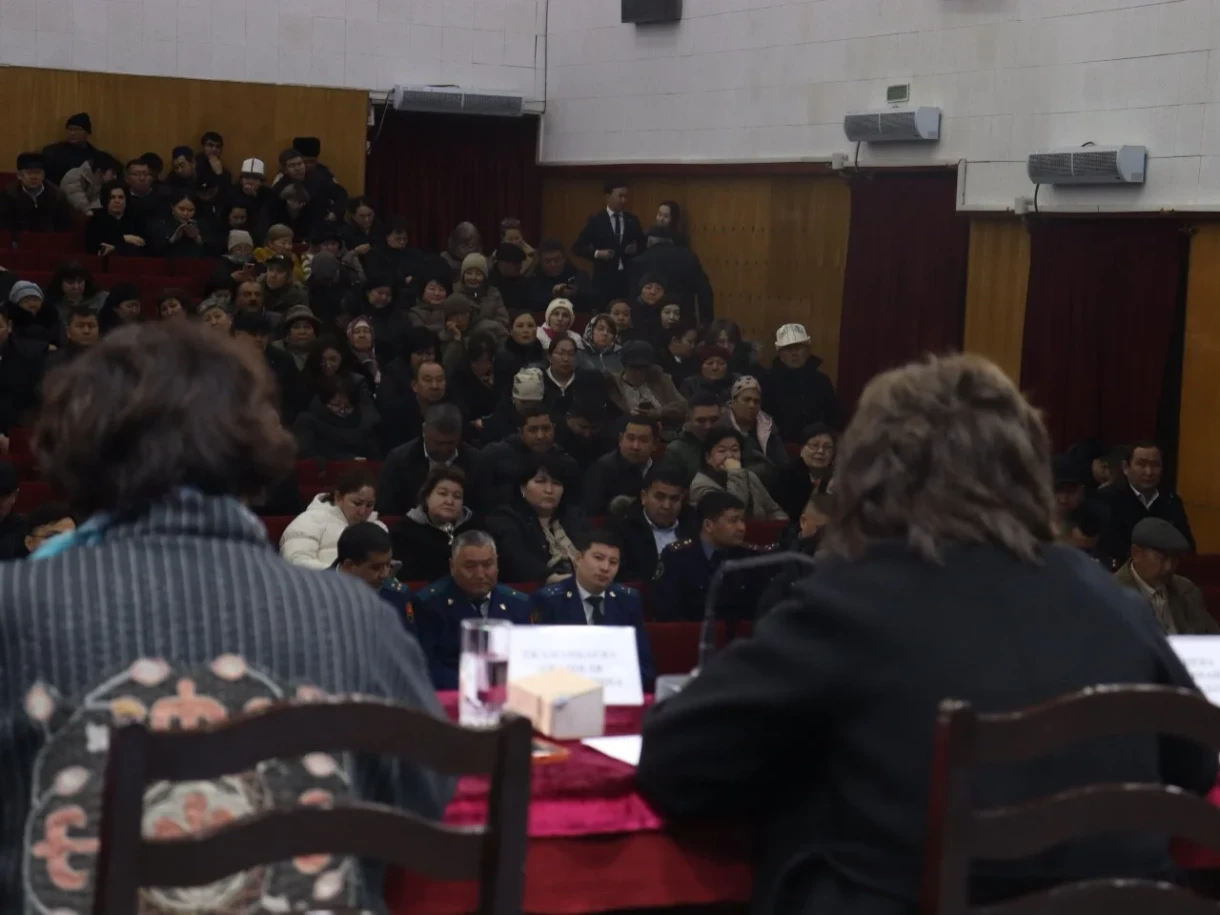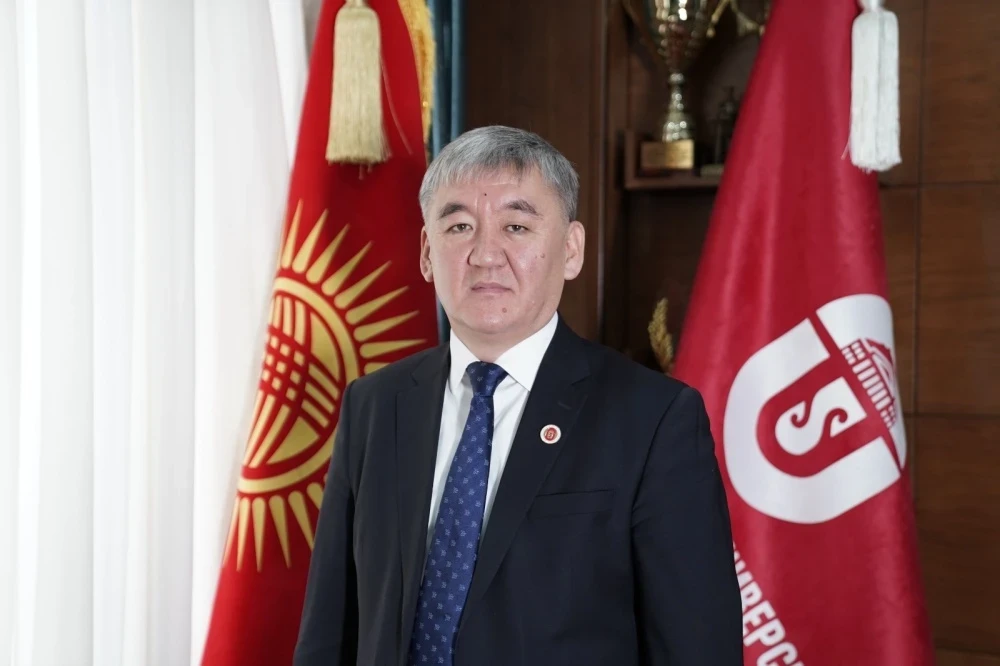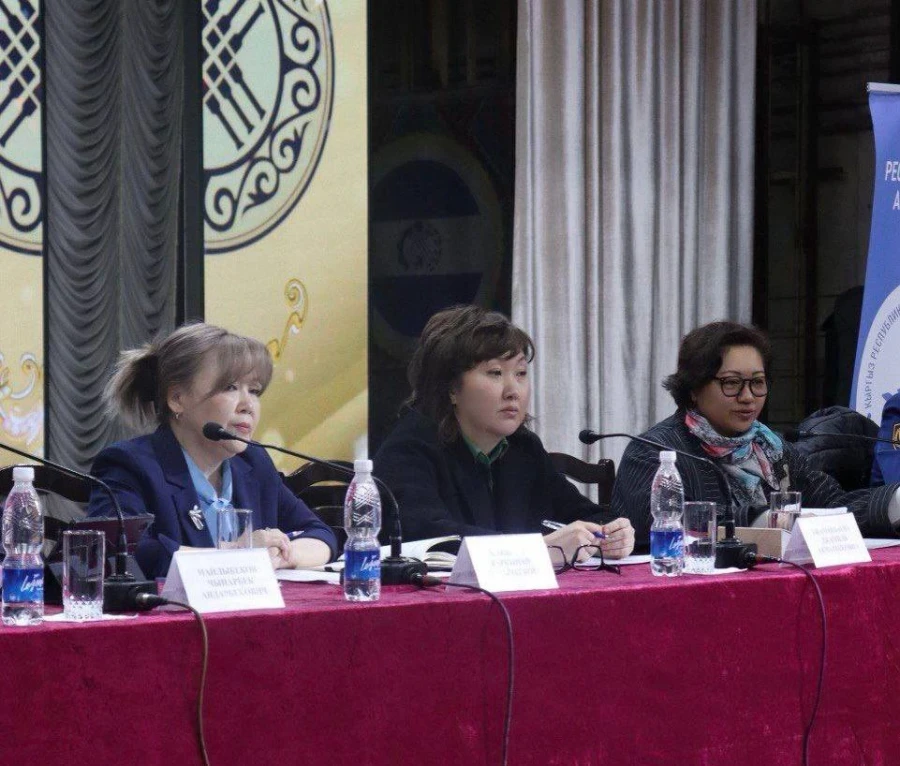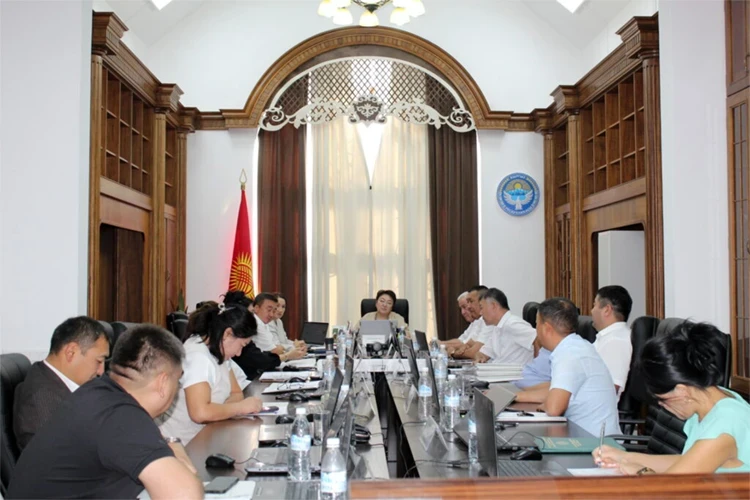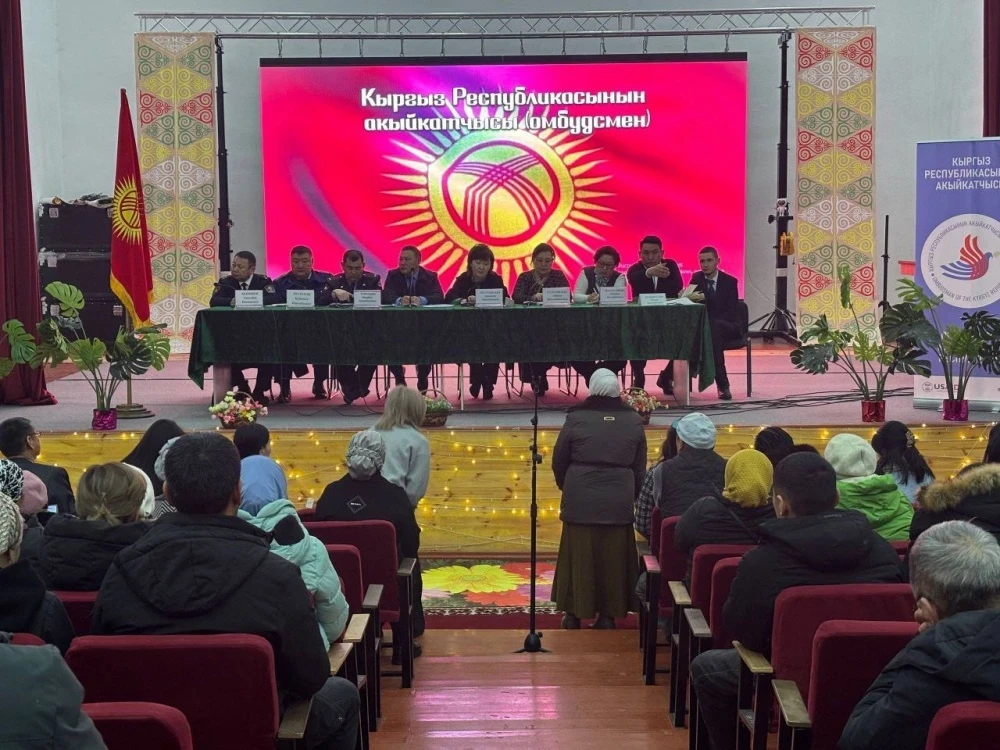
As part of her trip, ombudsman Jamiliya Jamambaeva met with residents of the Issyk-Kul region, as reported by her office's press service.
During meetings held in Bosteri and Balakchy, more than 15 written appeals were registered, and 27 oral consultations were conducted. All received appeals will be processed, and recommendations will be developed for government structures on some issues.
This year, the format of the meetings has changed: instead of being held in regional centers, they are now conducted in districts and even in remote settlements, which allowed more than 200 residents from different areas of the region to participate.
Jamambaeva noted that staff from the authorized representation will now also accept citizens in Bosteri, as previously the representation was only located in Karakol. The opening of new offices will facilitate a more prompt response to appeals and improve interaction with the population.
The majority of the issues raised during the meetings concerned socio-economic aspects. Young families sought assistance in obtaining land plots and housing through the State Mortgage Company. Residents also discussed the need to increase pensions and social benefits, as well as to revise the procedure for assigning payments for families with children under three years old, which are currently available only in high-altitude and border areas.
Parents of children with disabilities reported a lack of rehabilitation centers in the region, as well as a shortage of specialists such as speech therapists and defectologists, and the conditions for inclusive education. According to local authorities, approximately 3,890 children with disabilities live in the region. Local self-government bodies mentioned the possibility of sending children to the rehabilitation center "Kelechek" in Bishkek, and the mayor of Balakchy promised to improve the conditions of the existing center and renovate an additional building for specialists.
Residents of the village of Baktyu-Dolonotu raised the issue of a landfill that poses health risks and requested assistance in protecting their right to a clean environment. Additionally, they pointed out difficulties in obtaining housing: some families have lived in barracks for over 20 years and are unable to legalize their homes, complicating the acquisition of passports and social services. Specialists explained the possibility of temporary registration at the municipality's address.
Issues related to the quality of vaccinations and the accountability of medical workers were also discussed. The ombudsman recommended that local authorities intensify educational work on the importance of vaccinations.
Teachers and doctors reported pressure and the spread of false information online, which negatively affects their professional reputation. Educators also discussed issues of discipline in schools and the balance of rights and responsibilities of students.
Furthermore, residents noted high rental prices in the context of low salaries. One elderly resident of Balakchy sought help in resolving a dispute with a microcredit company, claiming that funds continue to be deducted from his pension even after the loan has been fully repaid.