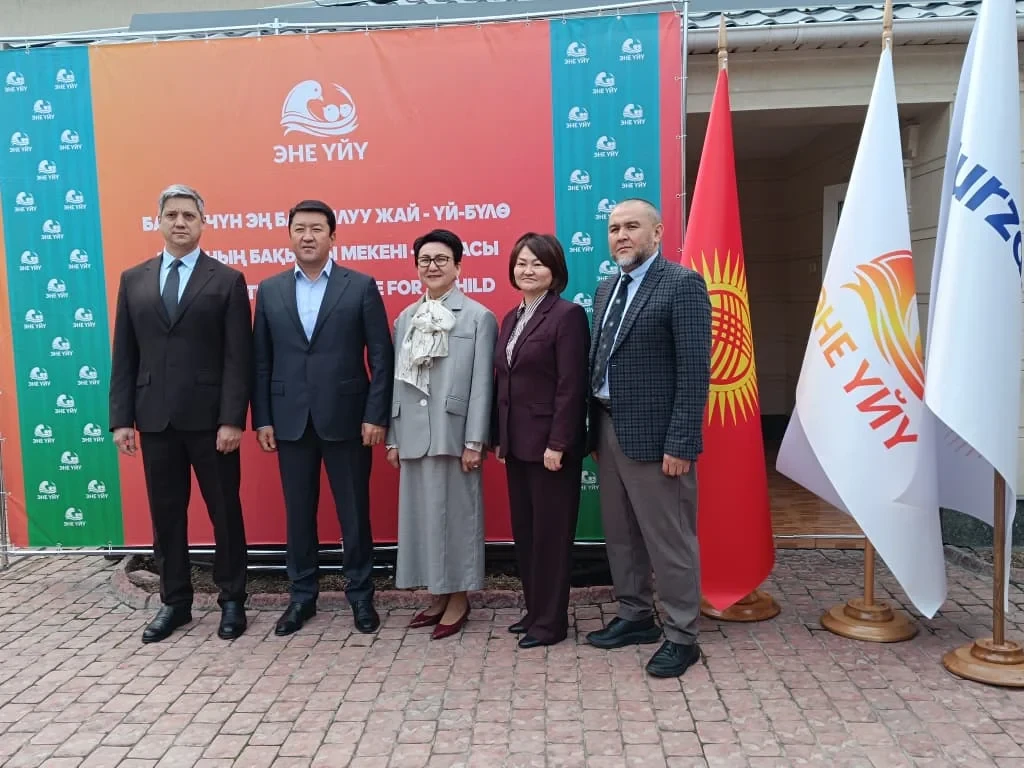
A memorandum on joint work has been signed between the Ministry of Labor, the League of Child Rights Defenders, and the Mother’s Home International Foundation
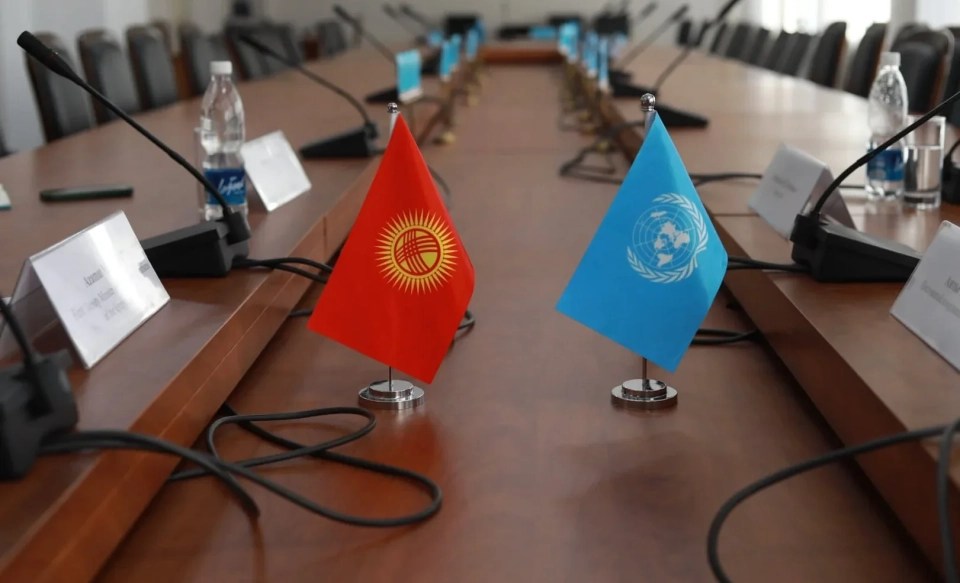
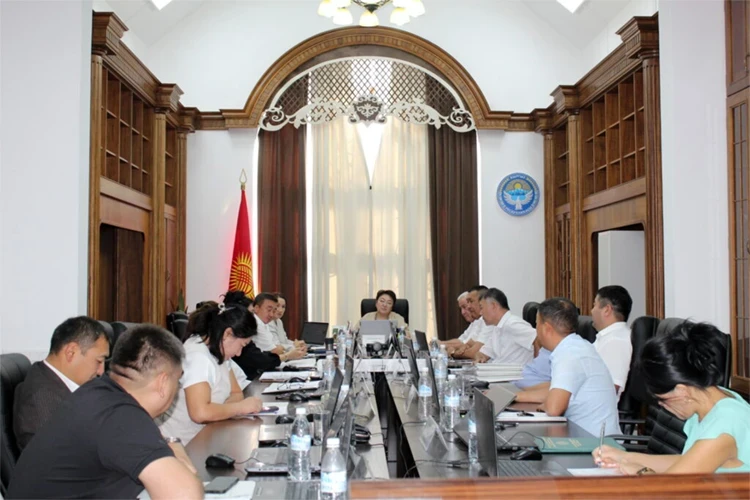
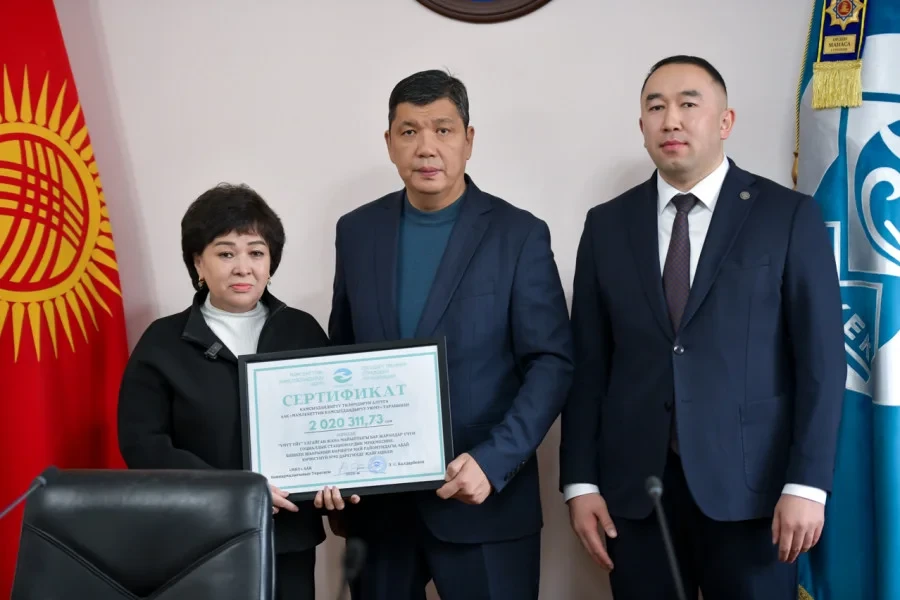
The signing event of the cooperation memorandum between the Ministry of Labor, Social Welfare, and Migration of the Kyrgyz Republic, the League of Child Rights Defenders, and the Mother’s Home International Foundation marks an important milestone in the social policy of Kyrgyzstan. This document clearly demonstrates how state structures and the civil sector can combine efforts to protect the most vulnerable segments of the population. The signed memorandum strengthens the parties' intention to establish systematic interaction in supporting children and families facing difficult life circumstances and emphasizes the importance of preventing social risks.
For state structures, the memorandum opens new opportunities to address several key issues—from implementing mechanisms for the early detection of family crises to enhancing the qualifications of specialists in the field of social assistance. Planned joint programs will help improve inter-agency cooperation, develop alternative forms of guardianship, and optimally utilize resources, including international experience and the expertise of non-profit organizations. This approach makes the assistance system more adaptive and targeted, contributing to its effectiveness.
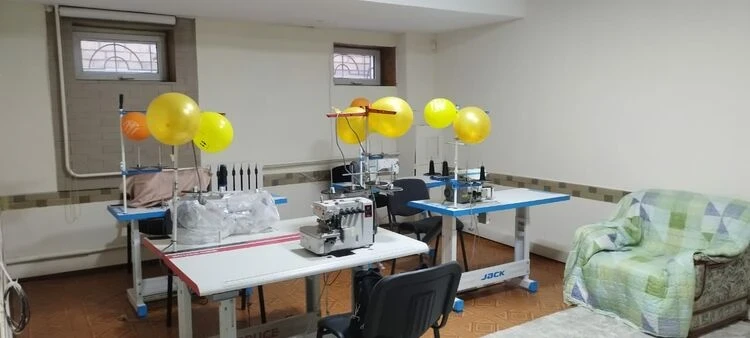
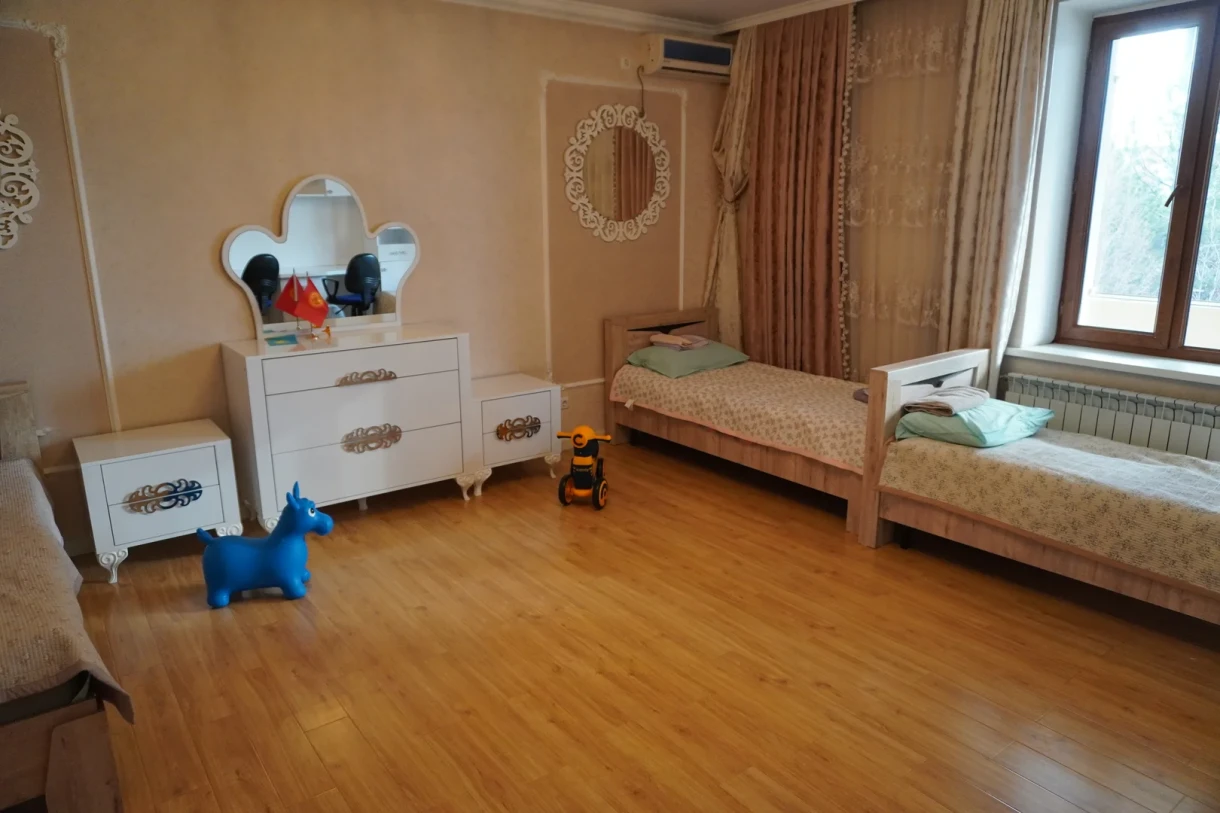
A key direction of this cooperation will be the implementation of the Ene үйү project—a resource center for supporting mothers and children in crisis situations. This center will work on preventing the abandonment of newborns and preserving the family environment as the main factor in a child's development. Psychological support, medical assistance, social-legal consultations, and temporary aid provide women with the opportunity to overcome difficult periods without serious consequences for themselves and their children. These measures not only alleviate specific life difficulties but also help reduce the level of social orphanhood, creating a more stable social environment.
Substantively, the memorandum reflects modern international approaches, where the emphasis is on prevention and family forms of upbringing rather than institutional care. In the regional context, Kyrgyzstan shows significant openness to partnership models: unlike other Central Asian countries, where social assistance remains primarily a function of the state, here, formats of cooperation with NGOs and foundations are actively developing, which enhances the responsiveness and effectiveness of support.
The significance of such initiatives is confirmed by real-life stories. Media frequently report on young women who find themselves homeless during pregnancy. Receiving assistance from crisis centers, they can temporarily find shelter, receive medical care, and support in employment. These young mothers later raise their children independently and work. These stories illustrate how timely assistance can change a family's life path.
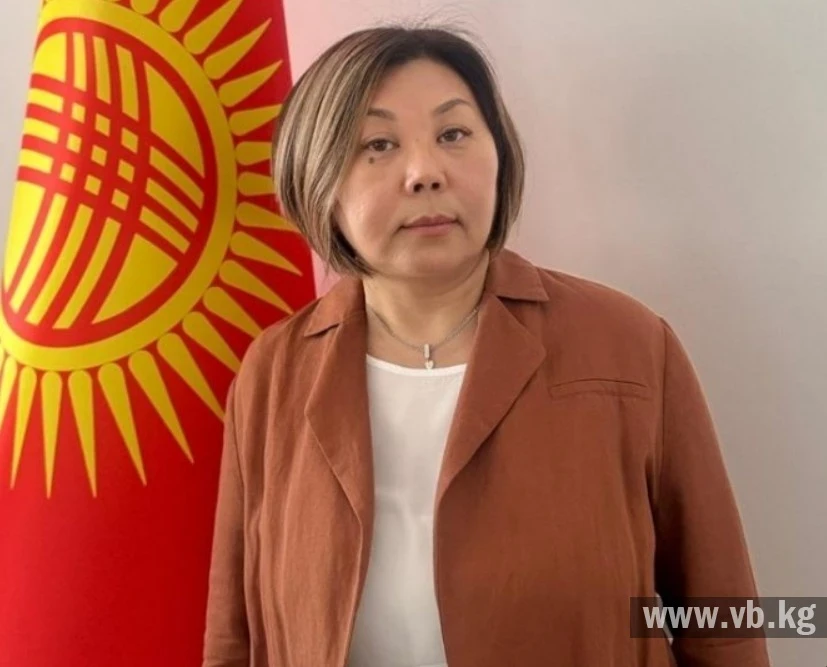
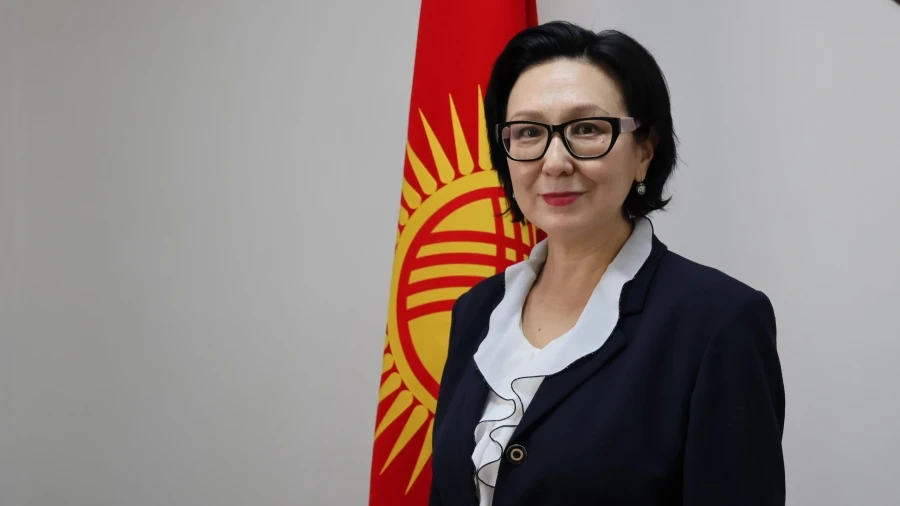
The Deputy Minister of Labor, Social Welfare, and Migration, Ainura Orozbaeva, positively assessed the signed document, noting that "this memorandum serves as a real tool for strengthening social protection, allowing for a more prompt response to the needs of families." She added that "the unification of efforts between the state and public organizations creates a system in which assistance becomes more accessible and comprehensive," and emphasized that "the development of preventive programs is an investment in the long-term stability of society and the well-being of future generations."
Overall, the signing of the memorandum can be seen as a step towards a more mature and human-centered social policy. The partnership allows the state to expand the range of assistance and create conditions under which women and children in difficult life situations receive not only support in the moment but also a chance for a safe and stable future.