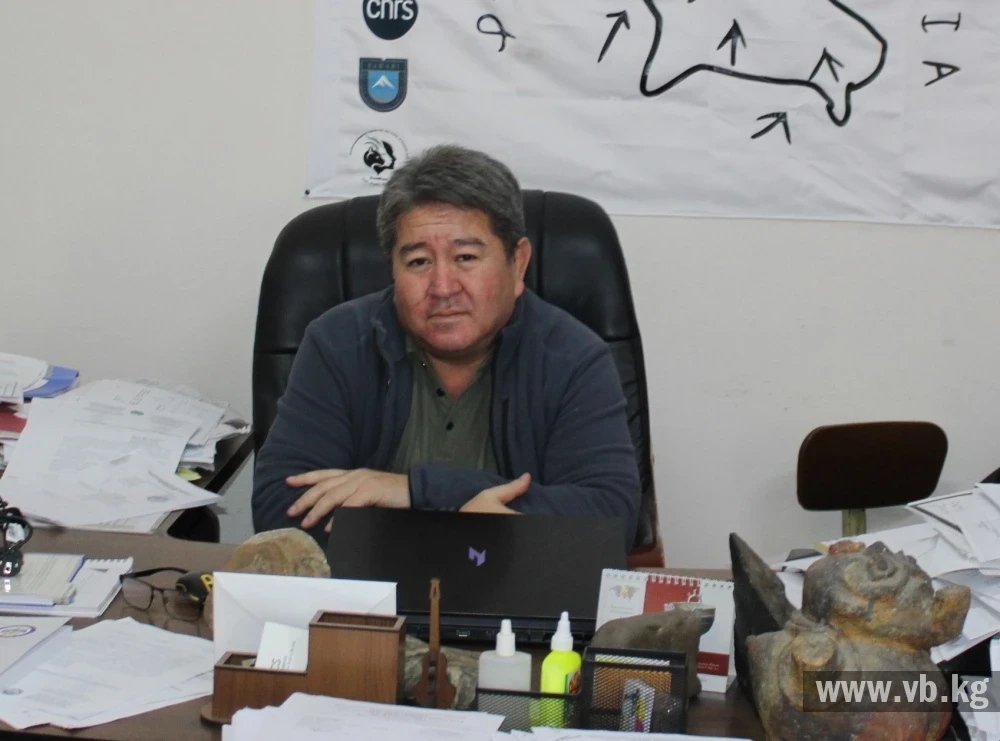
According to the expert, alarming symptoms arise when women begin to experience disadaptation: a decrease in productivity at work or in studies, difficulties in communication, and an inability to share their emotions.
Boris Li also noted that there are two critical periods in women's lives when they are particularly susceptible to stress: motherhood, including pregnancy and the postpartum period, as well as menopause.
The doctor paid special attention to the cultural features of Kyrgyzstan. He emphasized that many women face pressure from traditional norms that limit their aspirations for education and career, forcing them to stay at home and care for children. This can lead to emotional burnout due to isolation and monotony.
In such conditions, it is especially important to receive support, recognize the significance of one's work, and feel safe.
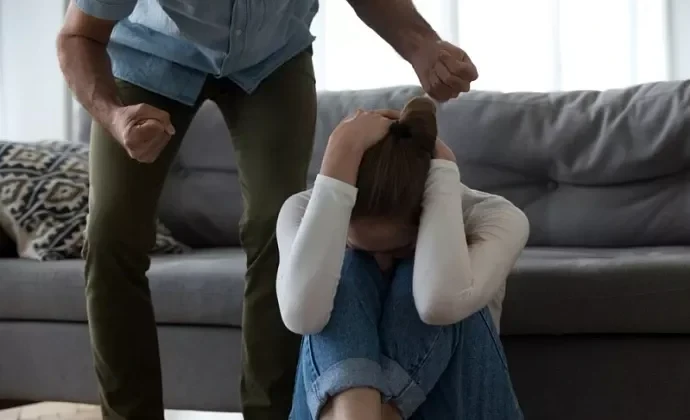
Speaking about violence, the psychiatrist noted that women's reactions may vary depending on the nature and duration of the violence. "If a woman faces violence regularly, especially if she was raised in an abusive family, she may develop learned helplessness. She begins to believe that she cannot change her situation and must simply endure the violence," he explained.
Regarding physical violence, Boris Li noted that women may react to it in different ways, including the instinctive "fight or flight" response. However, many women, when faced with violence, may be paralyzed by fear and not know how to act. "In cases of psychological violence, for example, threats and shouting, women often feel despair. It is important to consider that reactions to violence may not manifest immediately," he added.
Unfortunately, women in such situations often experience intimidation. Violence does not always manifest physically; it can also involve financial restrictions or threats to take away children, which is also a form of manipulation.
The psychiatrist also noted that society often condemns women who dare to speak out about violence, fearing shame for themselves and their families.
If there are suspicions of violence, it is important to ensure openness in communication, the specialist emphasized. Discussing the situation with loved ones or a professional can help obtain an objective assessment and take necessary measures in a timely manner.
He also noted a positive trend: more and more women are turning to specialists not only for medication but also for consultation and support.
When choosing a specialist, the psychiatrist recommends paying attention to their qualifications and the use of proven methods, as well as being prepared for the fact that finding the right doctor may take time.
Photo on the main page is illustrative: freepik.com.