According to Deputy Minister of Internal Affairs Oktobur Urmambetov, the aim of the initiative is to combat the negative impact of begging on public order and road safety, as well as to protect vulnerable groups from exploitation.
The project proposes amendments to the Code of Offenses as follows:
1. Article 126-1. Begging
- Begging on the roadway and persistent requests for money or other valuables in public places will be punished by community service for a period of 20 to 30 hours or arrest for up to three days.
- If this offense is committed again within a month after the first punishment, stricter measures are provided: from 30 to 40 hours of community service or arrest for a period of three to five days.
- Foreign citizens who commit a repeated offense within a month are subject to deportation.
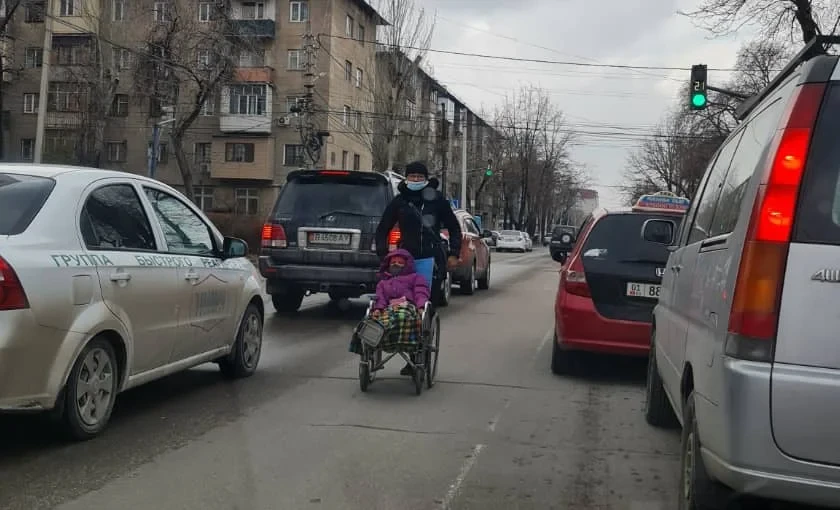
- A fine of 200 calculation indicators (20,000 soms) will be imposed for involving elderly people, individuals with mental illnesses, pregnant women, and people with disabilities in begging.
- Foreigners who repeat this offense within a month are also subject to deportation.
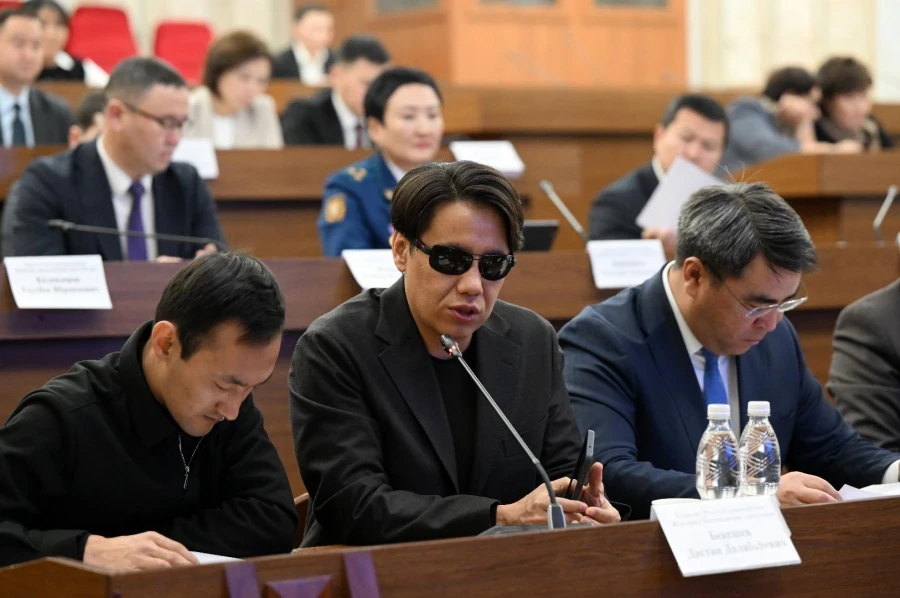
He recounted an incident when he himself tried to help children begging near a mosque and noted that the juvenile inspection could not determine who their parents were and why the children were on the street. Bekeshev emphasized that parents teach their children to beg, and the children themselves use modern methods, such as QR codes, to receive money.
The deputy also spoke about street musicians, stating that they do not ask for money but collect donations, and urged not to disturb them.
Kamila Talieva, in turn, suggested developing a mechanism for providing charitable assistance exclusively through funds, as cases of fraud are not uncommon.