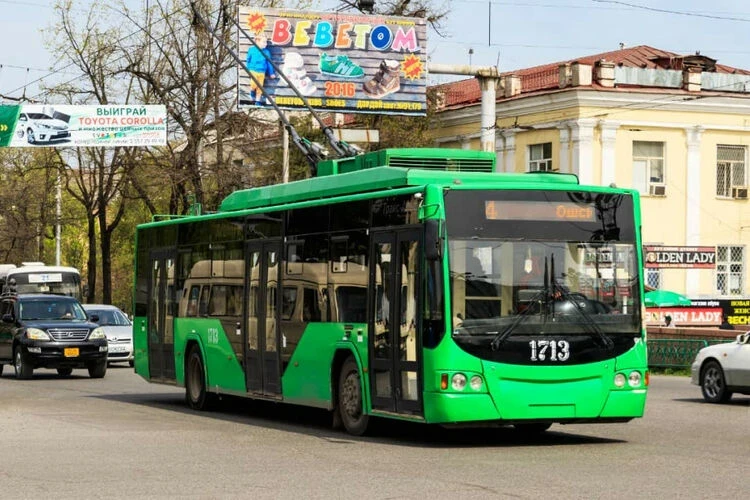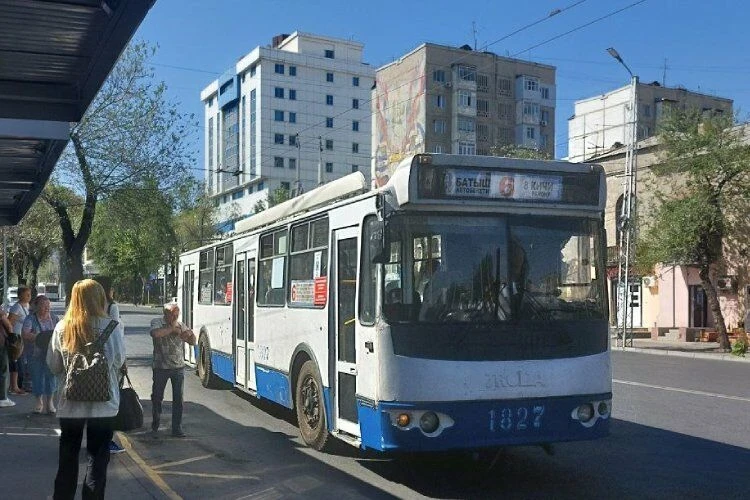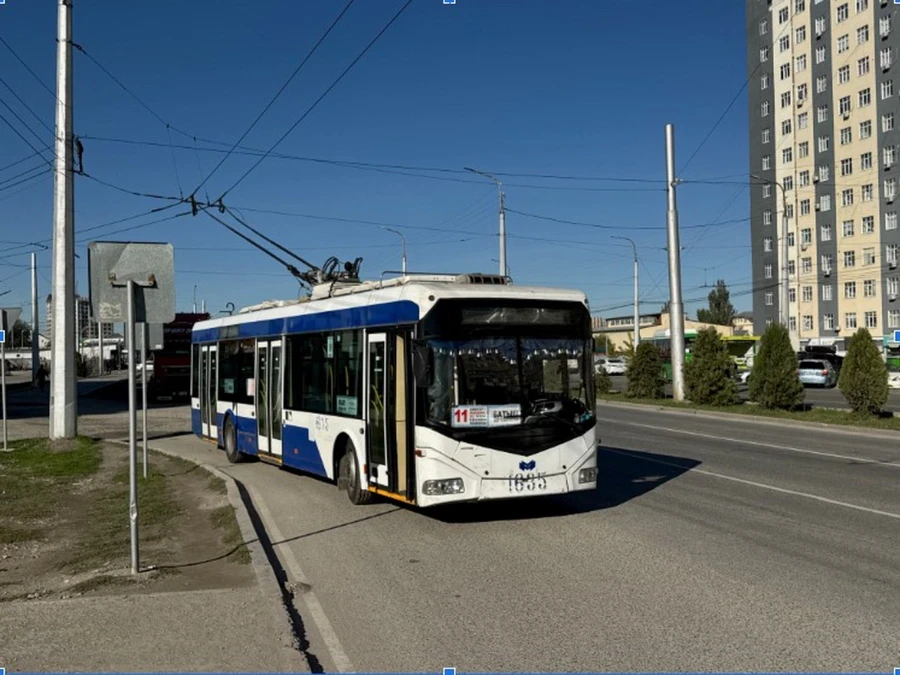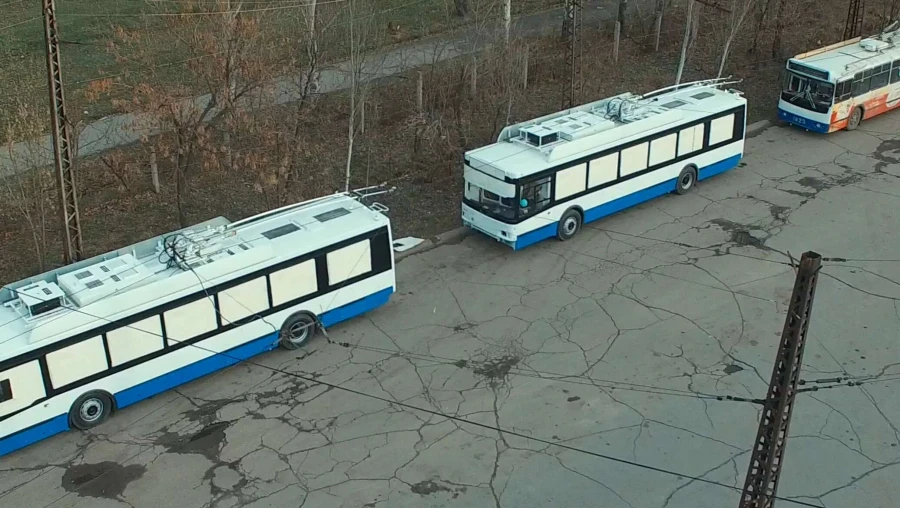
The decision to liquidate the trolleybus system in Bishkek was confirmed by the Supreme Court of Kyrgyzstan, which upheld the ruling of the Administrative Court of the capital. This decision is final and not subject to review, which means the actions of the city hall and the Bishkek City Council (BGC) regarding the withdrawal of trolleybuses from operation are legal.
This ruling was made on June 25, 2025, and now the Supreme Court has confirmed its legitimacy.
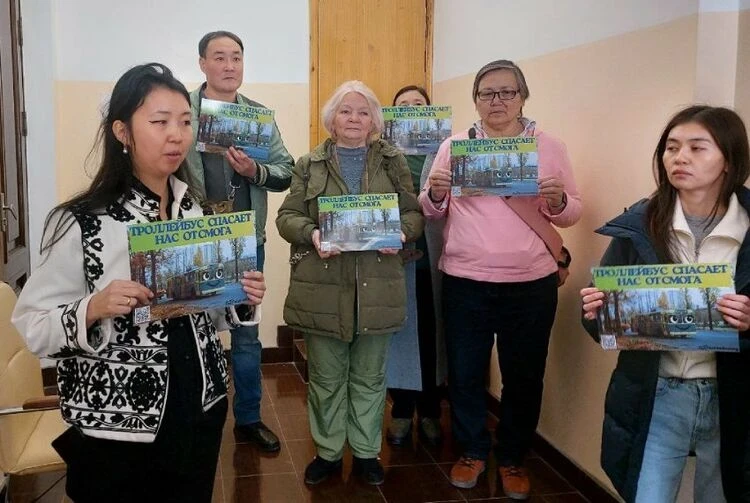
Activists opposing this liquidation continue to claim that the decision-making process was violated.
Beremet Borubaeva, one of the activists, noted that the liquidation was signed by Kuanychbek Kongantiev, the former chairman of the BGC, who is currently in a detention center on suspicion of organizing illegal schemes involving land plots.
According to her, the liquidation of trolleybuses has negatively affected the environmental situation in the city. “This was the only environmentally friendly mode of transport in the country. Bishkek already suffers from high levels of air pollution. And the BGC, which should care about the ecology of the capital, makes such decisions,” she expressed her outrage.
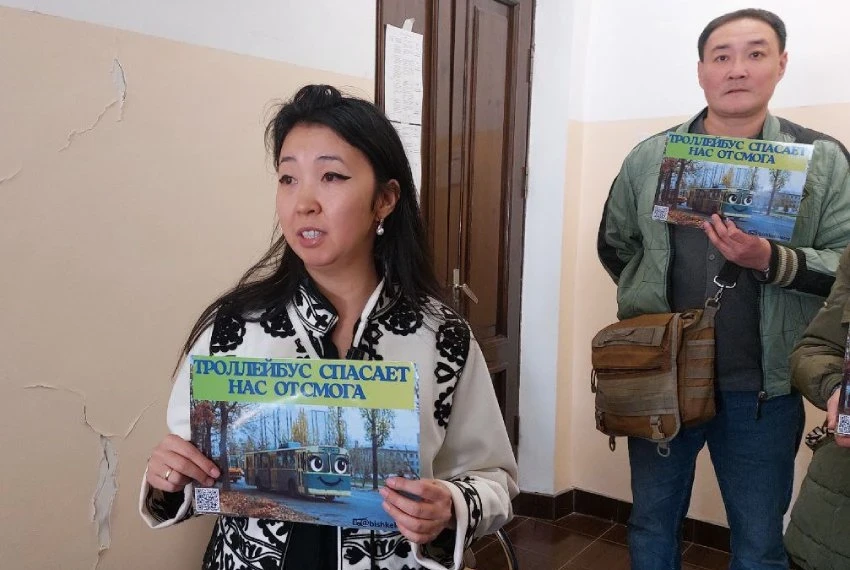
Lawyer Islam Azimov emphasized that public discussions are necessary for the adoption of subordinate regulatory acts. “Considering the opinions of citizens is a key aspect. The results of these discussions should be reflected in the justification, but this was not done,” he noted.
In a response from the BGC, it was stated that more than 140 proposals from citizens regarding the project were received, however, most of those supporting trolleybuses were not taken into account.
Gulfira Minkina, a resident of Bishkek, recalled the significance of trolleybuses for city life: “I have been using trolleybuses since childhood. Currently, many suffer from allergies and respiratory diseases, which is related to the high level of exhaust gases in the city,” she said.
Members of the initiative group also inquired about the fate of the trolleybus system's assets and the disappearance of copper wires from the contact network. However, neither representatives of the city hall nor the BGC were able to provide specific answers to these questions in court.
Gulfira Minkina also raised the issue of the disappearance of architectural elements in the city.
“Where do the items of architectural heritage and elements of urban infrastructure go? For example, granite curbs, historical fences, mosaics? No one gives an answer to this,” the activist noted.
For reference, from 2014 to 2018, Bishkek acquired 131 modern trolleybuses with a loan from the European Bank for Reconstruction and Development (EBRD) amounting to $23.5 million. These funds were also directed towards the modernization of the contact network.
In 2024, trolleybuses were finally taken out of service in the capital. The initiative group of residents claims that the transfer of municipal property was carried out without coordination with the lending bank and without considering the opinions of the citizens.