The proposal for mandatory medical examinations was made at a meeting of the parliamentary health committee, where the epidemiological situation regarding hepatitis was discussed.
Deputy Nurjamal Torobekova, presenting the initiative, emphasized that such a measure would help prevent the transmission of infections between spouses. She cited the experience of Uzbekistan, where couples undergo tests for HIV, hepatitis, and other diseases before registering their marriage.
Discussing migration issues, Nurjamal Torobekova noted that men returning from abroad sometimes do not disclose their illnesses, which can lead to the infection of their partners. The deputy pointed out the need for mandatory examinations to prevent such situations.
Lawyer Guliza Akmatsiyaeva supports this initiative, noting that it could help many Kyrgyz citizens who face infectious diseases abroad.
According to her, among migrants, there is often a denial of serious diagnoses, and cases of HIV and syphilis continue to rise.
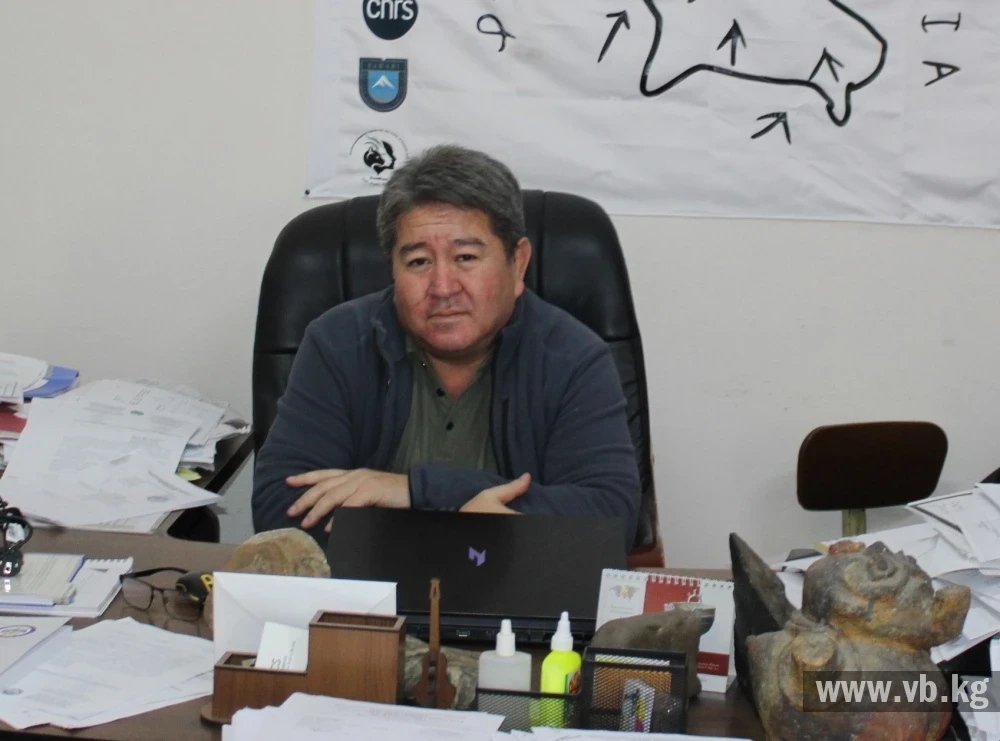
Photo from personal archive. Guliza Akmatsiyaeva
“I have long spoken about the importance of this problem. Undergoing a medical examination before marriage is an important step. But I see this problem in a broader context. Migrants should undergo tests similar to those in Russia. Kyrgyzstan needs modern laboratories,” she added.
Expert Feruza Amadalieva also supports the initiative, considering mandatory examinations necessary for protecting the health of future families.
She noted that many diseases in Kyrgyzstan are diagnosed too late, as people only seek medical help when symptoms appear. Premarital examinations could help identify infections and genetic risks.
“The idea of mandatory examinations before marriage is not new. It is applied in various countries as a preventive measure. In our case, young couples often undergo tests only when planning a pregnancy, when it becomes much more difficult to address problems,” she added.
However, Feruza Amadalieva expresses concern that in the traditional society of Kyrgyzstan, the results of examinations may become known not only to the couple but also turn into a tool for social pressure. This could particularly negatively affect women, who are often blamed for fertility issues or genetic diseases.
The main goal of this initiative is not to control personal lives but to protect families. The success of the idea depends on ensuring anonymity and the possibility of medical explanations without judgment.
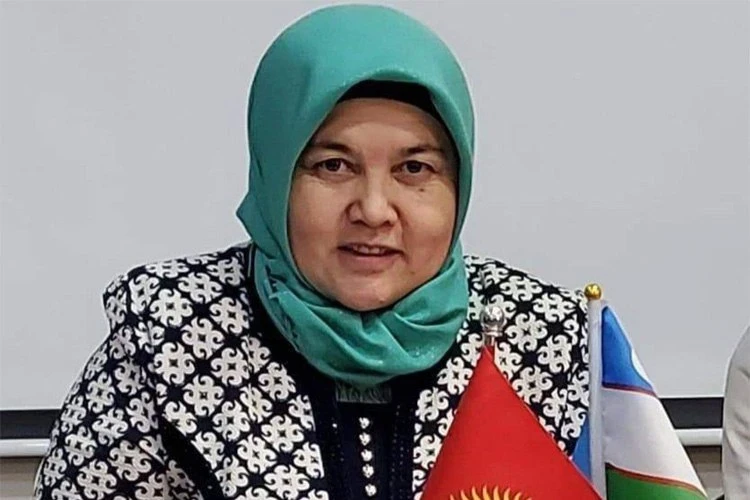
Feruza Amadalieva
Beremet Baryktabasova, a public health specialist, expresses skepticism regarding this initiative, pointing out possible risks that may not be taken into account.
She emphasizes that coercive measures could violate people's right to choose. A more justified approach would be mandatory information and consultations, rather than forcing examinations.
“Checking HIV and hepatitis status at the CSM is not difficult. It is more beneficial for the state to allocate funds for examinations now than to incur huge costs for treatment in the future. Moreover, testing should not be exclusively linked to marriage — it concerns all segments of the population,” she noted.
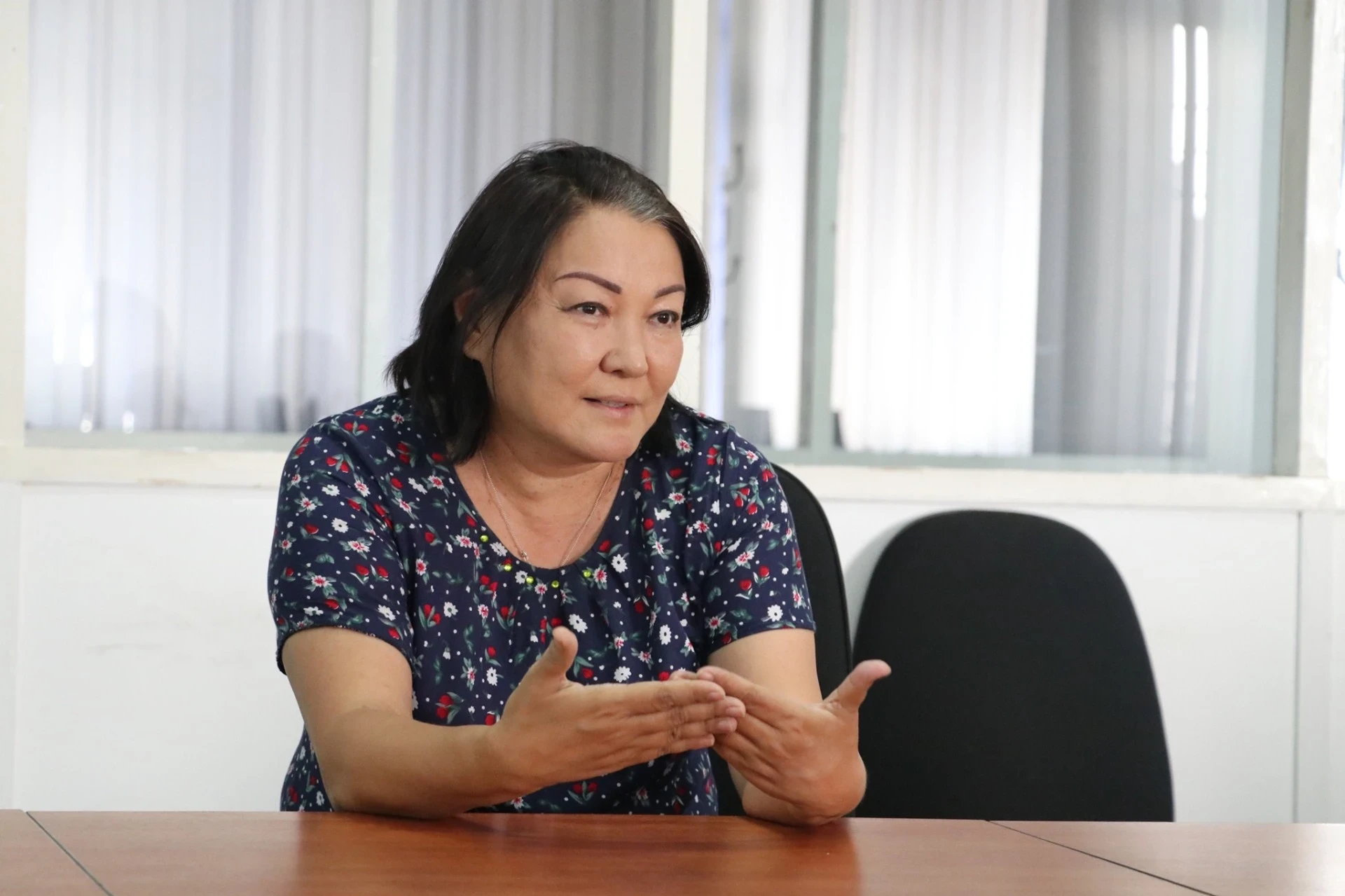
Beremet Baryktabasova, like Feruza Amadalieva, warns of potential consequences of mandatory examinations, such as discrimination and stigmatization. In small communities, annulment of marriage after tests could lead to social consequences for the couple.
Despite guarantees of medical confidentiality, there is a risk of information leakage, which could lead to social pressure and an effective ban on marriage.
Although genetic aspects were not the main focus of the initiative's discussion, experts emphasize the importance of congenital disease issues. Beremet Baryktabasova mentions that in Kyrgyzstan, the prevention of such diseases typically begins only during pregnancy.
From a genetic standpoint, examination makes sense for couples in consanguineous marriages. For example, if both spouses are carriers of the spinal muscular atrophy gene, the risk of having a child with this condition is 25%. Treatment can be extremely expensive, reaching $2.5 million.
The expert adds that the healthcare system must be prepared for mass genetic screening, which has not yet been assessed.
Basic genetic tests cost 10,000 to 15,000 soms, while more complex procedures can cost 180,000 to 200,000 soms. Beremet Baryktabasova believes this is too expensive for mandatory application, especially considering that basic medical services are not adequately provided.
The Ministry of Health commented that it supports the development of voluntary counseling and examinations. The department noted that the mandatory nature of such examinations requires further legal elaboration with consideration for the protection of citizens' rights.
The idea of mandatory medical examinations before marriage has been raised in Kyrgyzstan before — similar proposals were made in 2018, but they did not receive support at that time.
Currently, Article 16 of the Family Code guarantees the voluntary and confidential nature of examinations, leaving the right to disclose a diagnosis to the patient themselves.
Article 16. Medical examination of persons entering into marriage
1. Medical examination of persons entering into marriage, as well as consultations on medical-genetic issues, are conducted by healthcare institutions at the place of residence free of charge and only with the consent of the persons entering into marriage.
2. The results of the examination are medical secrets and can only be disclosed with the patient's consent.
3. If one of the parties concealed the presence of a venereal disease or HIV, the other party has the right to go to court to have the marriage declared invalid.