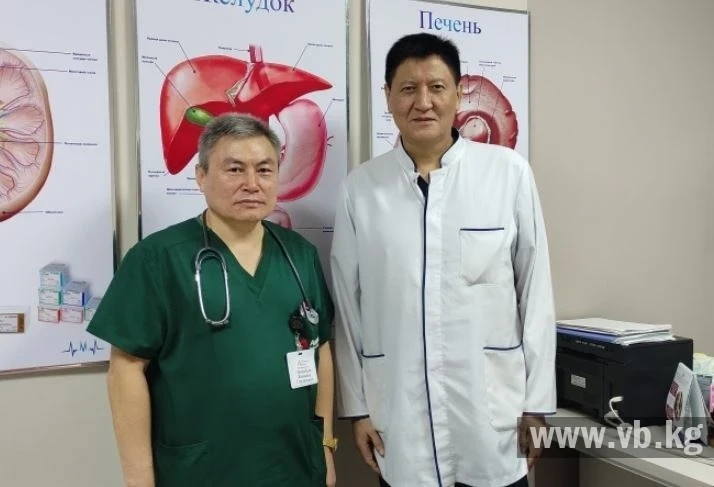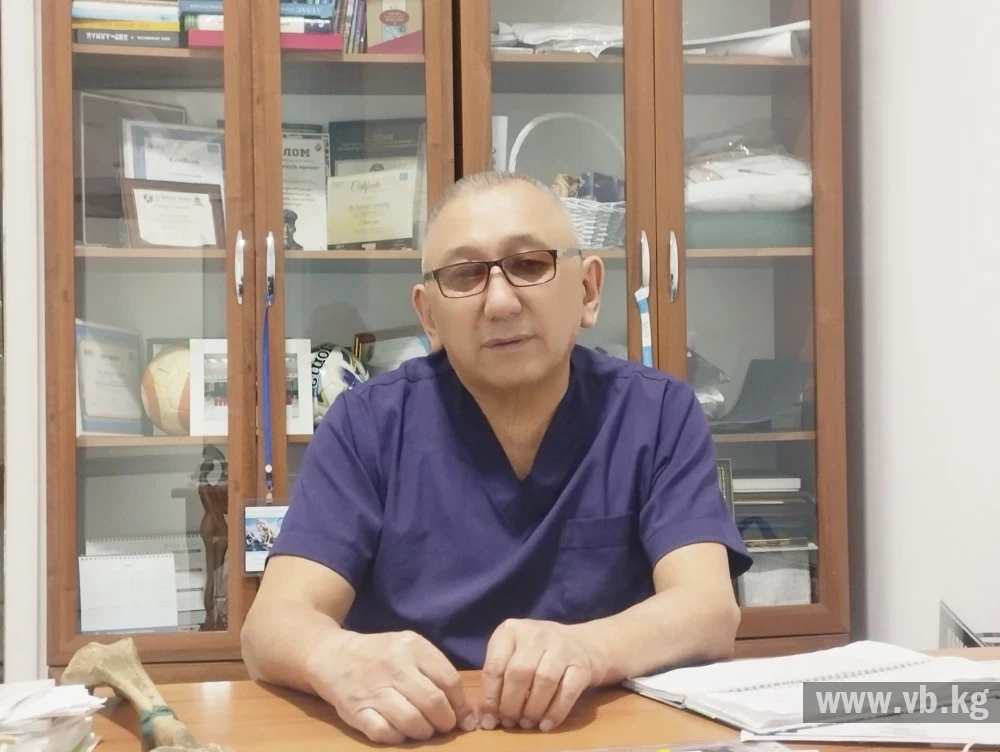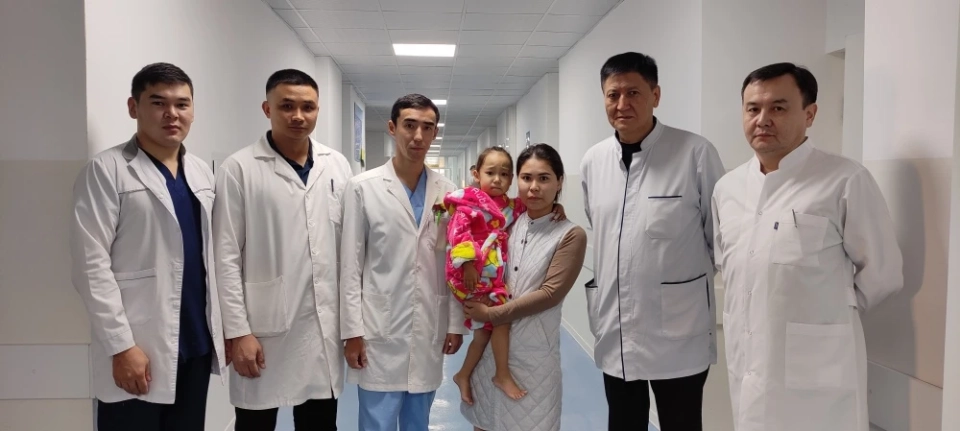
Recently, Rasul Abalievich's team faced the necessity of saving the life of a woman who had a small bone lodged in her pancreas. This incident led to numerous complications: inflammation of the bile ducts, reactive biliary hepatitis, and pancreatitis, which developed rapidly and required immediate intervention. As the surgeon explained, the enzymes that are normally directed into the intestine became trapped in the tissues of the gland, leading to their digestion. Each of these conditions posed a threat to the patient's life, and in addition, she developed sepsis.
71-year-old Kulmira, while in intensive care, recounted her situation: "I swallowed a bone and even shared this at the table. No one took it seriously, and neither did I. But soon after, terrible pain began, my temperature rose, and my blood pressure dropped. I was on the brink of life and death." Despite this, she spoke with remarkable energy, although the operation had been performed just five days earlier.
Before turning to the "Amanat" University Clinic, Kulmira underwent numerous examinations and was treated in several hospitals, where she was diagnosed with acute pancreatitis. However, the treatment yielded no results, and her condition only worsened.
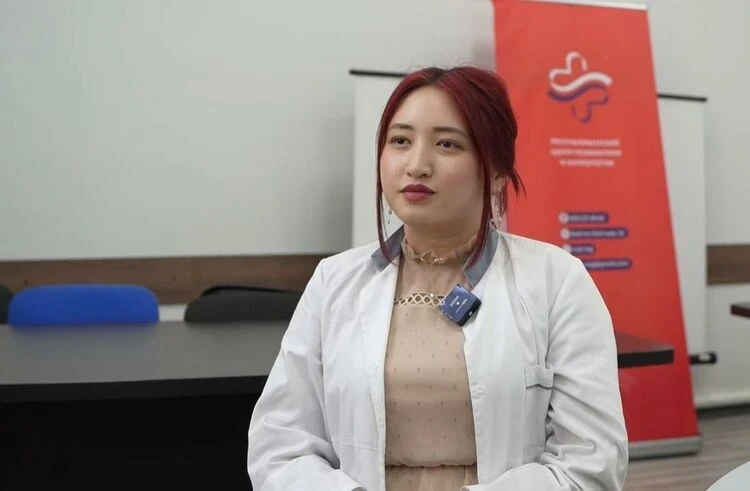
As explained by anesthesiologist-resuscitator Aizhan Ashirakmanova, the patient was admitted to intensive care in critical condition, when organ functions could no longer be compensated by the body's protective mechanisms. Septic shock and toxic syndrome only exacerbated her condition.
When asked why previous doctors could not predict the development of a critical condition, Ashirakmanova noted that no one could have suspected that the cause was a foreign body. The symptoms indicated acute pancreatitis, which was confirmed by laparoscopy.
Head of the intensive care unit Polina Denisova emphasized that the patient's blood pressure was very low, indicating a serious problem requiring urgent assistance.
The doctors decided to perform a CT scan, despite the doubts of the relatives, who believed that an MRI had already been done. The doctor explained that MRI does not detect foreign bodies, unlike CT, which can show both soft and bony structures.
The CT scan indeed revealed the presence of a bone in the pancreas. The doctors understood that, despite the upcoming surgery, they would still discover the foreign body, but this might require a more complex and risky intervention.
Kulmira's condition remained critical, but the doctors were able to stabilize it somewhat before the operation. The assessment of anesthetic risk was high, indicating that the surgery could be quite complicated, but there was no other choice.
Rasul Abalievich demonstrated his usual determination, using every possible chance to help the patient, even when the odds of success seemed minimal.
During the operation, the doctors encountered a severe inflammatory process and damaged bile ducts. Ultimately, they had to remove the gallbladder, as it was no longer functioning and posed a threat to the patient's health.
Working in such a complex area required maximum precision, and any mistake could worsen Kulmira's condition. During the operation, her blood pressure dropped, and it was only thanks to the efforts of the resuscitator that the woman's condition was stabilized.
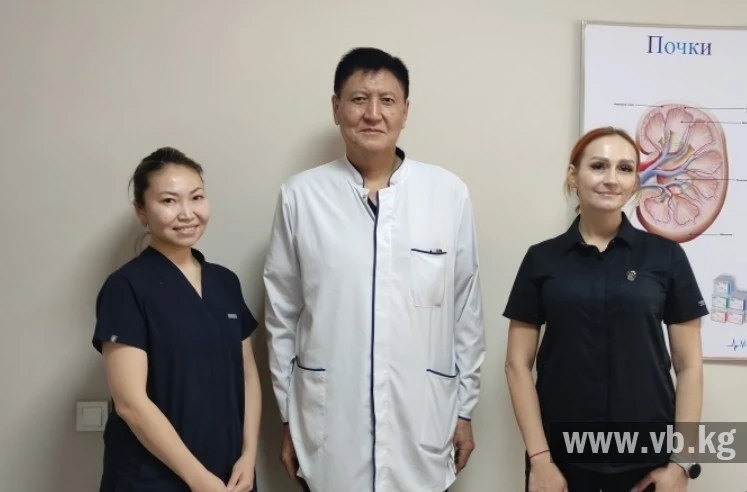
SultanGaziev and his colleagues have repeatedly made the decision to operate in challenging situations where other doctors might have declined.
The next step in the operation was the removal of the bone.
Rasul Abalievich noted that although the foreign body had moved to the pancreas, its structure was unknown until the moment of surgery. It was only during the intervention that they were able to accurately localize and remove the bone that the patient had swallowed three months prior.
Kulmira expressed her gratitude: "Thank you to all my saviors; they did everything for my survival."
Rasul SultanGaziev smiled and remarked, "This is what matters most — to help the patient."
Recently, Kulmira was discharged from the hospital, marking a testament to her successful recovery.